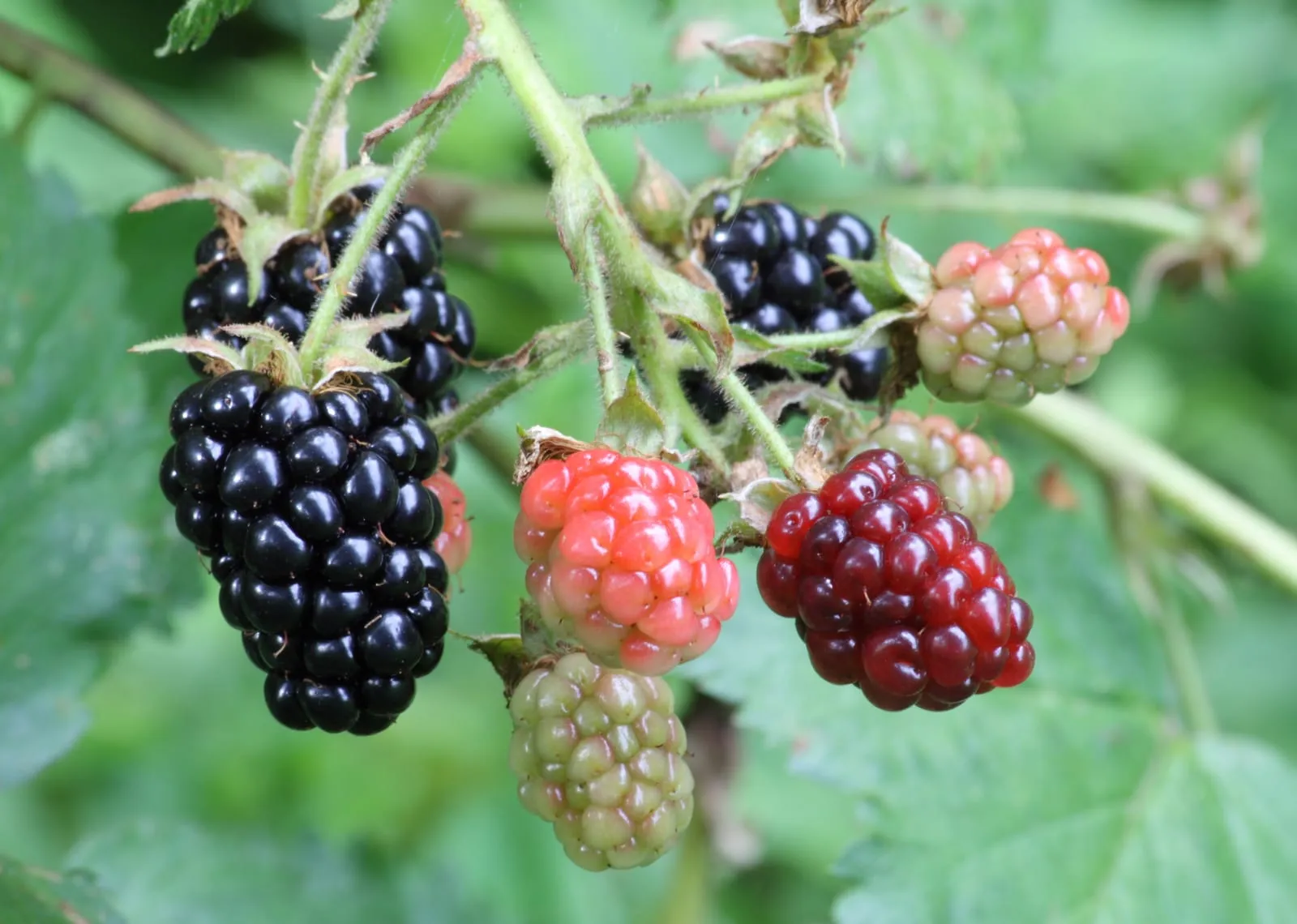
berry in zone 8b
Growing blackberry in zone 8b
Rubus subgenus Rubus
- Zone
- 8b 15°F to 20°F
- Growing season
- 260 days
- Chill needed
- 200 to 800 below 45°F
- Suitable varieties
- 2
- Days to harvest
- 60 to 90
The verdict
Zone 8b sits near the warm edge of blackberry's adaptable range, but it is far from marginal for the right varieties. Blackberry's broad chill-hour requirement (200 to 800 hours) means the practical question is which varieties perform well, not whether the crop will produce at all. Most zone 8b locations accumulate 400 to 700 chill hours in a typical winter, comfortably satisfying low- to mid-chill cultivars. Ouachita, bred explicitly for warmer southern climates, thrives here and carries solid disease resistance. Marionberry, with its higher chill demand and preference for cool-summer coastal conditions, is a riskier choice in warmer, more southern 8b locations; it performs better in Pacific Northwest 8b than in Gulf Coast 8b.
The 260-day growing season is an asset, giving canes ample time to ripen and harden before winter. Winter minimums of 15 to 20°F can damage exposed primocanes in a hard freeze, so site selection and row orientation matter, but established floricane varieties generally handle these temperatures without significant injury.
Recommended varieties for zone 8b
2 cultivars suited to this zone, with disease-resistance and zone-fit annotations.
| Variety | Notes | Zone fit | Disease resistance |
|---|---|---|---|
| Ouachita fits zone 8b | Sweet, firm, large berries with classic flavor; fresh eating and shipping. Erect thornless, productive, disease-resistant. Heat-tolerant southern cultivar. | | none noted |
| Marionberry fits zone 8b | Rich, complex, sweet-tart; the iconic Pacific Northwest blackberry, prized for pies and jam. Trailing habit, traditional thorny canes. Cold-tender (zone 7+). | | none noted |
Critical timing for zone 8b
Bloom in zone 8b typically falls between mid-March and mid-April, which puts it close to the region's last average frost date. In the warmer, more southern portions of zone 8b, last frost arrives in late February to early March, leaving a narrow window where a late cold snap can clip early flower clusters and reduce initial fruit set. Most seasons the overlap is brief and losses are minor, but the risk is real in colder-than-average springs.
Harvest runs from late May through early July in most 8b locations, with peak production in June. The long growing season allows primocanes ample time after harvest to develop and lignify before fall, which is what sets up the following year's fruit canes. In the warmest zone 8b sites, harvest can run two to three weeks ahead of cooler 8b locations, so microclimate shifts the calendar as much as variety does.
Common challenges in zone 8b
- ▸ Low chill hours limit apple variety selection
- ▸ Citrus greening risk
- ▸ Nematodes in sandy soils
Disease pressure to watch for
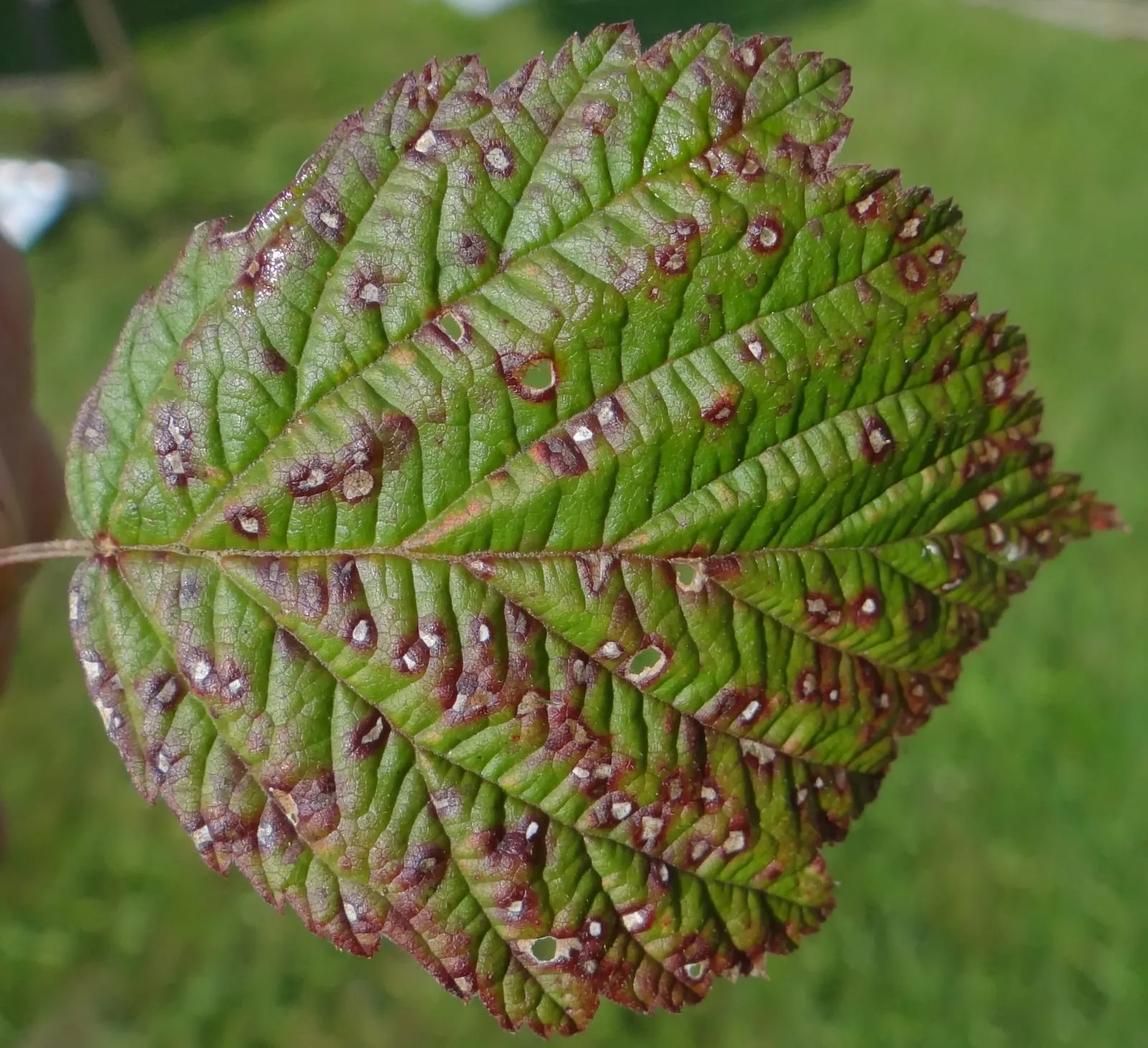
Elsinoe veneta
Fungal cane disease causing purple-bordered lesions that girdle and weaken bramble and Ribes canes, reducing yield over consecutive seasons.
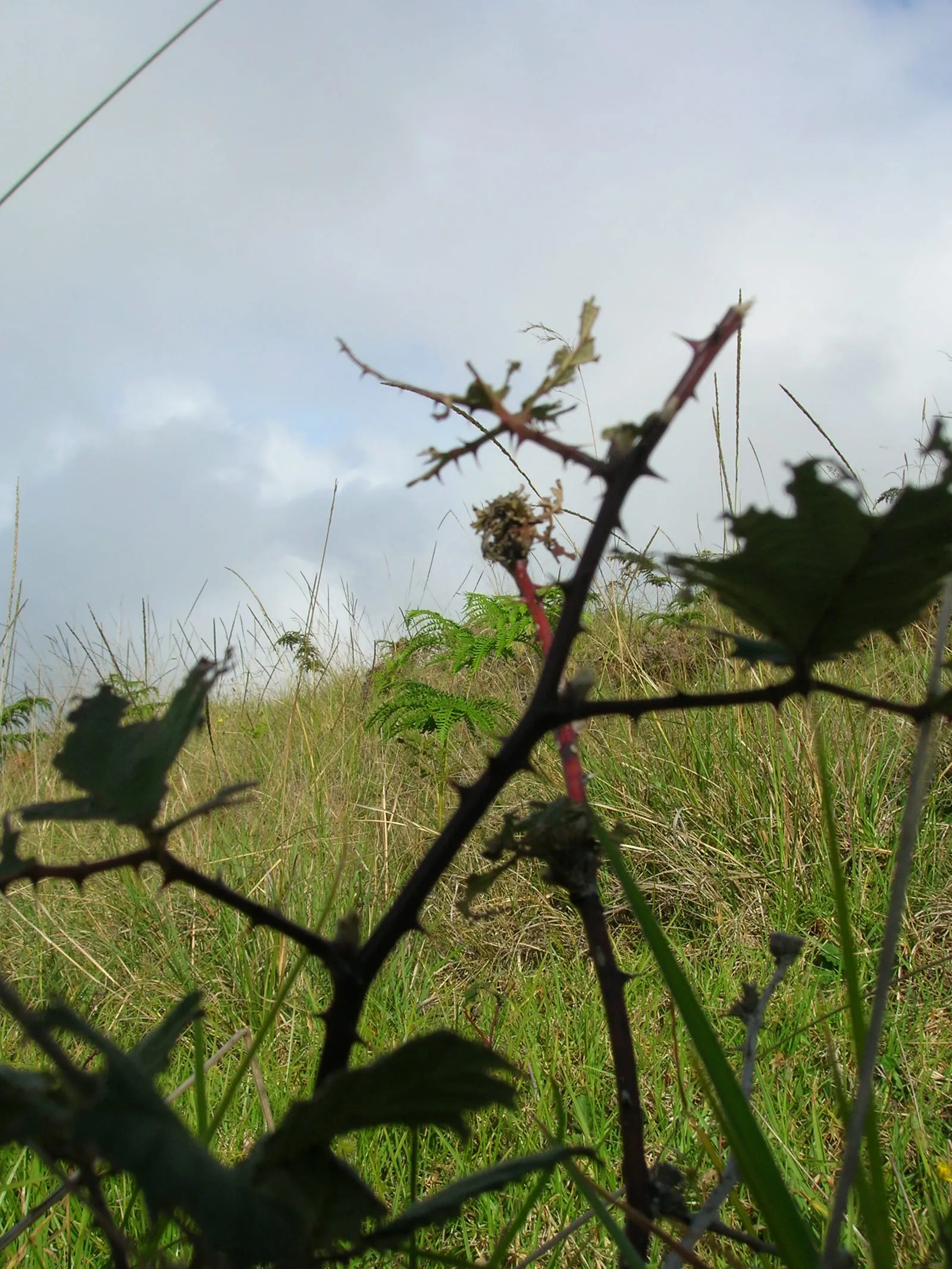
Leptosphaeria coniothyrium
Fungal disease that enters through wounds (often from cane-borer or pruning cuts) and causes dark cankers that wilt and kill canes.
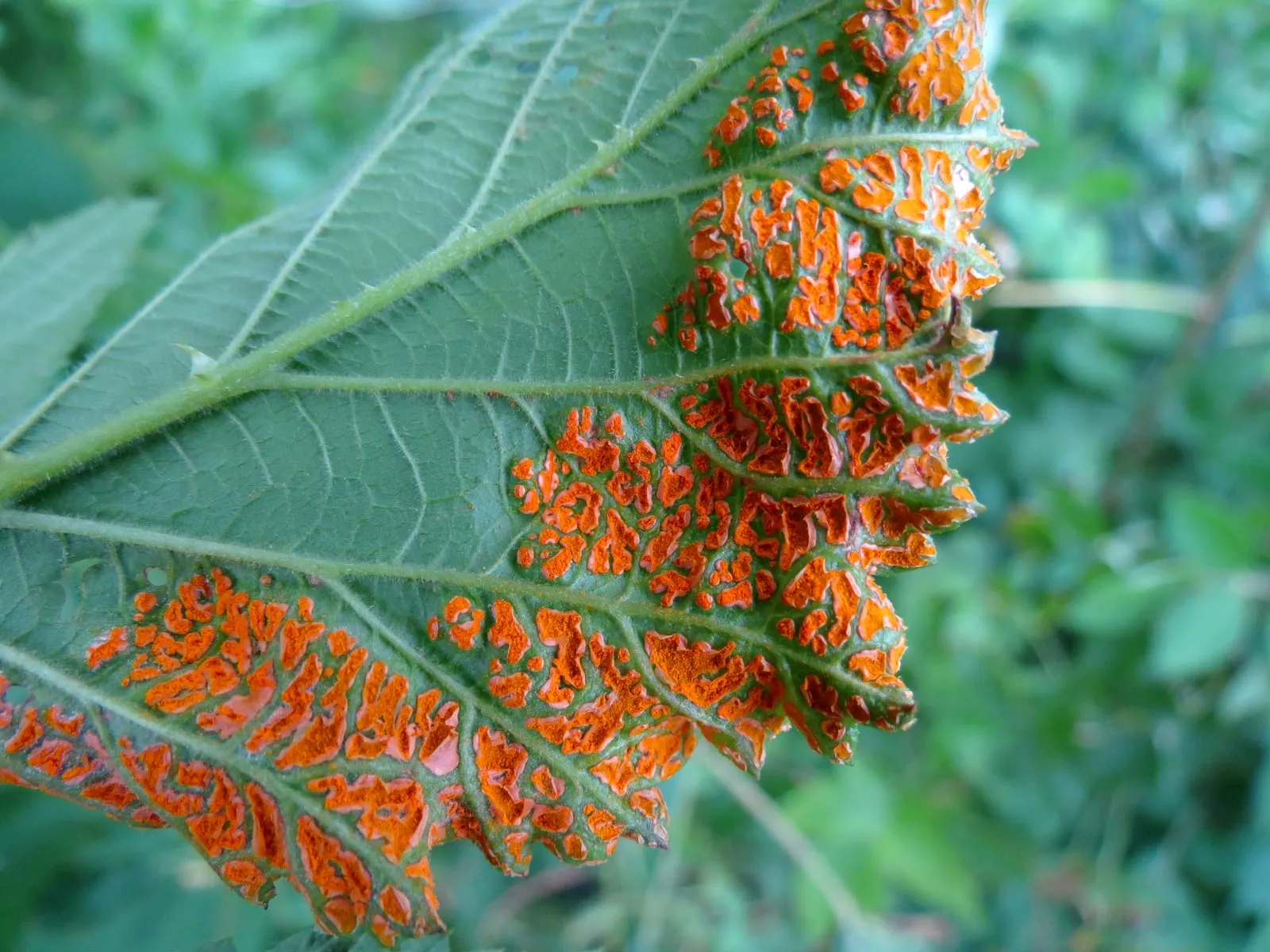
Arthuriomyces peckianus
Systemic fungal disease that permanently infects black raspberries and blackberries (not red raspberry); infected plants must be removed entirely.
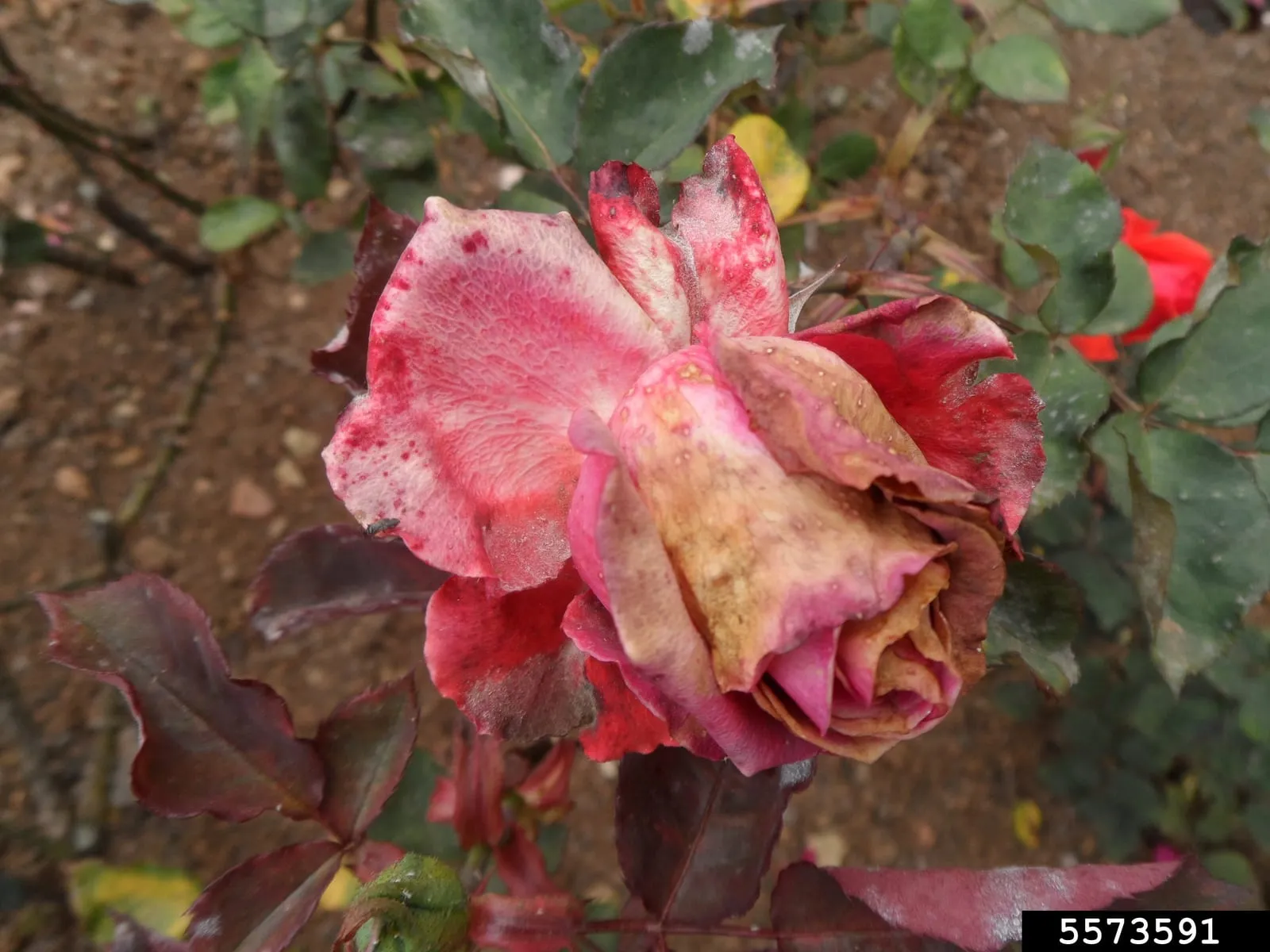
Botrytis cinerea
Ubiquitous fungal disease that causes fruit rot during cool wet weather, often the dominant berry disease in humid regions.
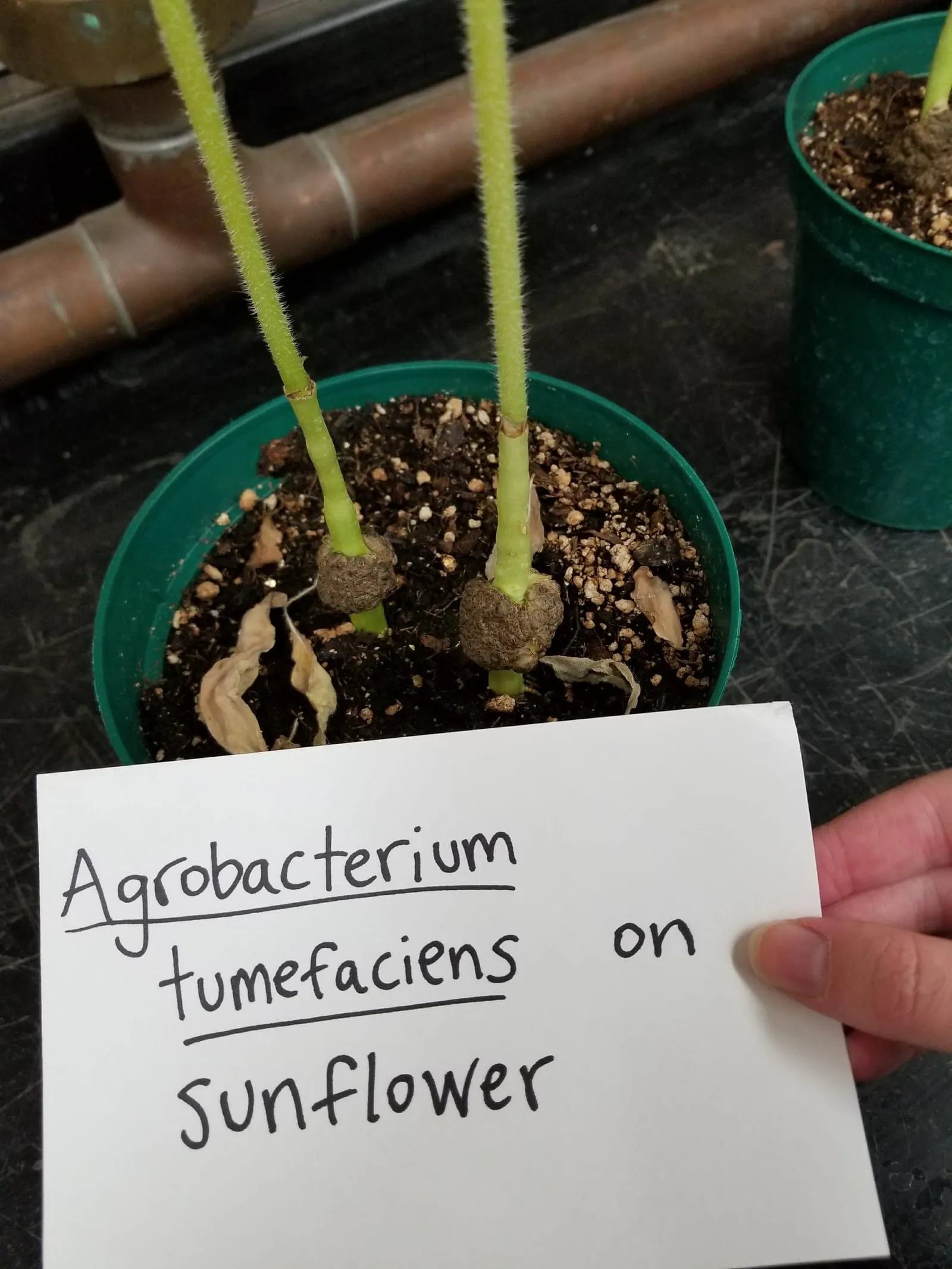
Agrobacterium tumefaciens
Soil-borne bacterium that enters plants through wounds and induces tumor-like galls on roots, crown, and lower stems. Galls reduce vigor and shorten plant lifespan; on Rubus the disease is often fatal.
Modified care for zone 8b
Sandy soils, common across warm 8b regions, harbor root-knot nematodes that weaken root systems and suppress yield over time. Starting with certified nematode-free planting stock is the most reliable control; amending with organic matter improves soil structure and reduces nematode pressure in subsequent seasons. Avoid replanting in beds with a known nematode history.
Disease pressure from Cane Anthracnose and Orange Rust runs higher where summers are warm and humid. Aggressive thinning after harvest, removing spent floricanes promptly and opening the canopy, is the most effective cultural control. Gray Mold (Botrytis) is most damaging during wet weather at harvest time; wider row spacing and timely picking reduce losses without fungicide dependence. Late-summer heat in zone 8b can cause floricanes to decline earlier than in cooler parts of the range, so removing spent canes immediately after the final harvest keeps energy directed toward the primocanes that will carry next year's crop.
Blackberry in adjacent zones
Image: "Ripe, ripening, and green blackberries", by Ragesoss, via Wikimedia Commons, licensed under CC-BY-SA 3.0 Source.

Related