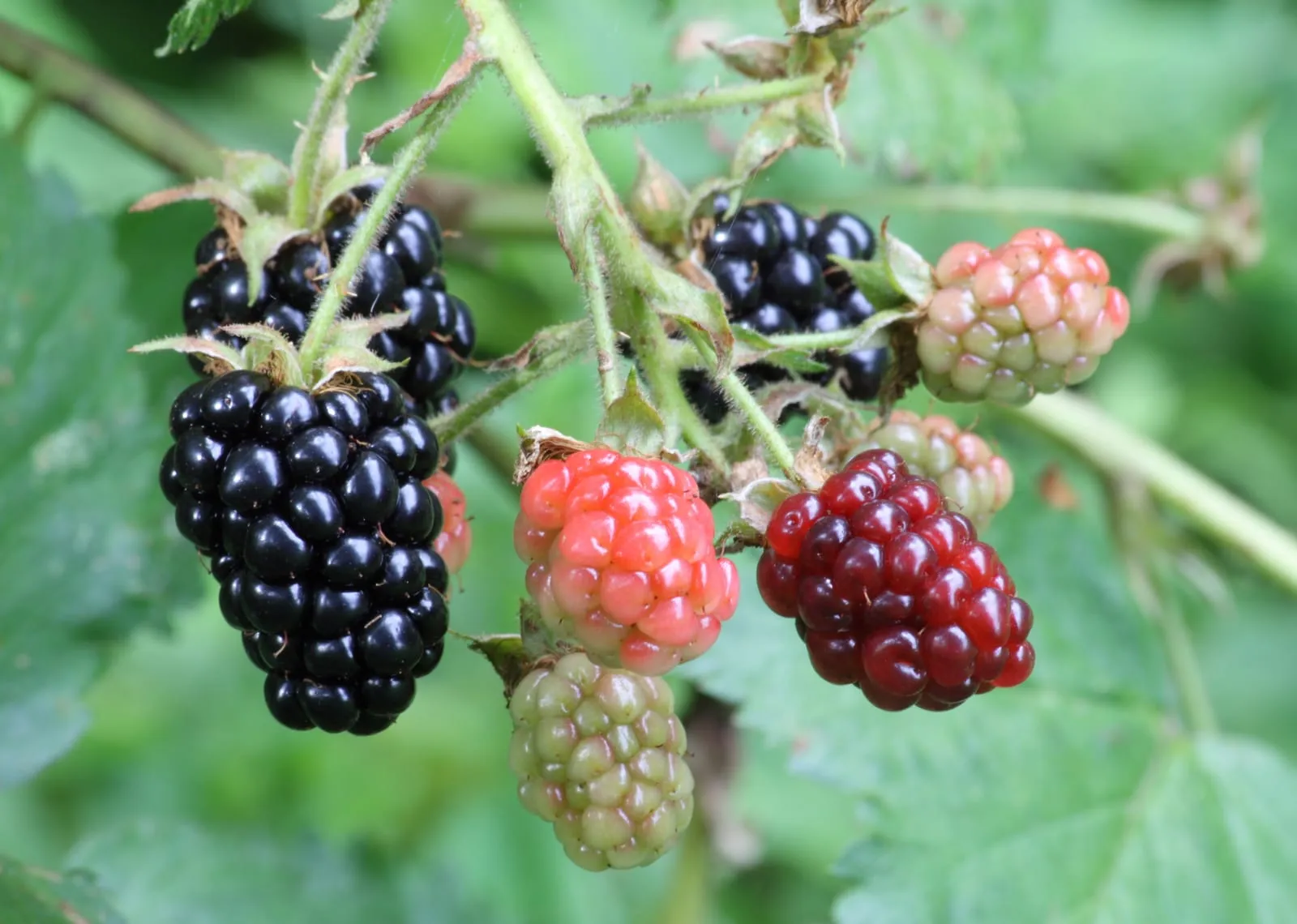
berry in zone 9a
Growing blackberry in zone 9a
Rubus subgenus Rubus
- Zone
- 9a 20°F to 25°F
- Growing season
- 290 days
- Chill needed
- 200 to 800 below 45°F
- Suitable varieties
- 0
- Days to harvest
- 60 to 90
The verdict
Blackberry is workable in zone 9a, but only with selections bred for low chill accumulation. The crop's chill hour range spans 200 to 800 hours, and zone 9a winters rarely deliver more than the lower portion of that window. Varieties requiring 400 or more hours will show weak budbreak, reduced fruit set, and uneven ripening. The 290-day growing season is a genuine asset: once past the chill-hour hurdle, canes have ample time to mature a full crop. Zone 9a is not a sweet spot for the species, but it is not a hard exclusion either. Growers at the cooler edges of the zone, including higher elevations and inland sites that see sustained cold in December and January, will accumulate chill hours more reliably than those in coastal or low-elevation locations where overnight temperatures stay warm well into winter.
Critical timing for zone 9a
Zone 9a's mild winters push blackberry bloom unusually early, typically late February through March, ahead of most of the crop's range. That early flower timing creates one specific risk: a late cold event in February can clip the leading blossoms before pollination is complete. Fruit arrives ahead of schedule as well, with the first harvest generally falling in May or early June and peak production running through July. Primocane-fruiting types can extend harvest into fall, though sustained summer heat in zone 9a tends to reduce berry size and sugar in the late-season flush. Growers should monitor bloom timing closely in warm winters, since an unusually early burst of warmth can advance the window by two to three weeks.
Common challenges in zone 9a
- ▸ Limited stone fruit options due to insufficient chill
- ▸ Hurricane and tropical storm exposure
- ▸ Citrus disease pressure
Disease pressure to watch for
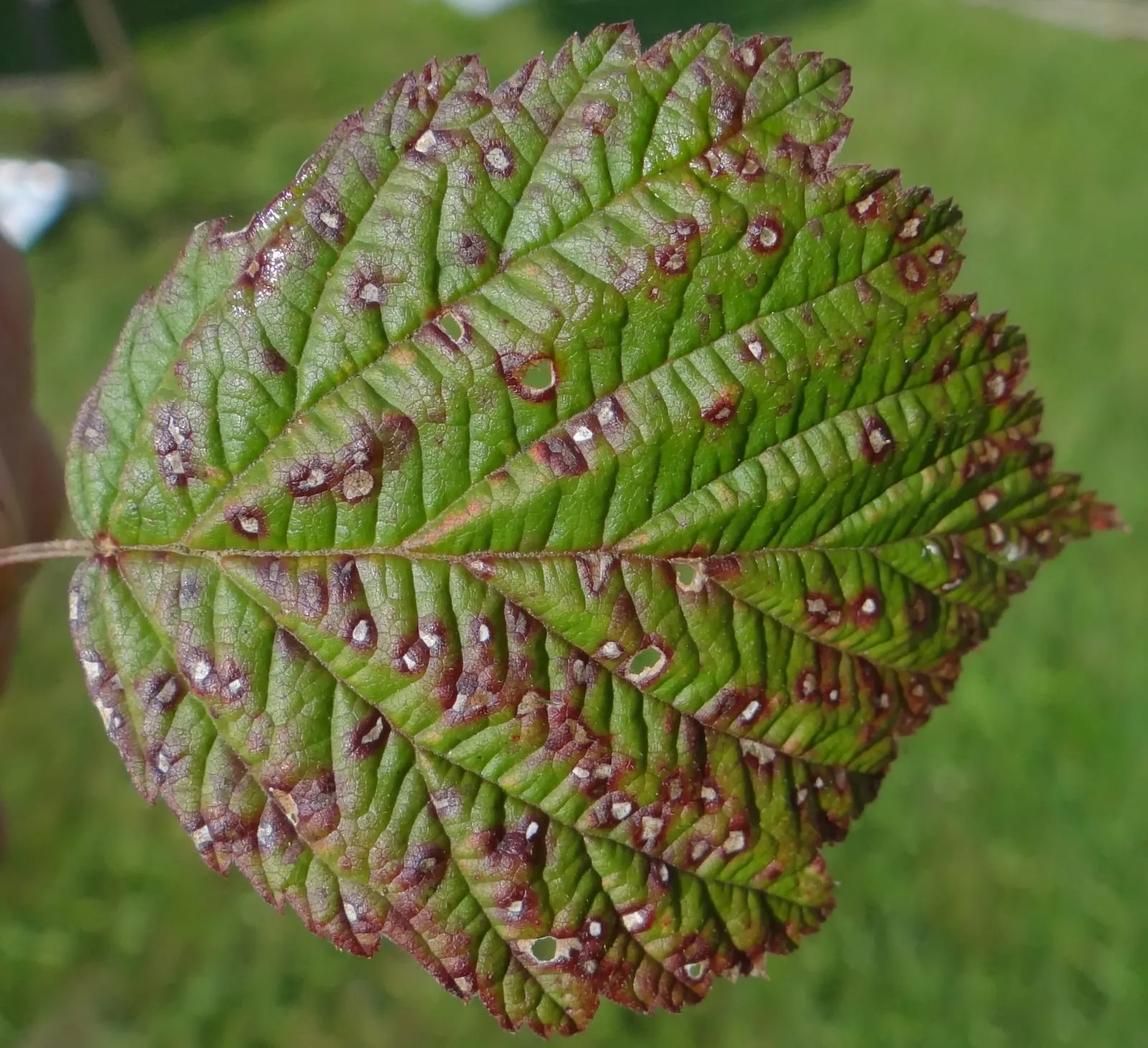
Elsinoe veneta
Fungal cane disease causing purple-bordered lesions that girdle and weaken bramble and Ribes canes, reducing yield over consecutive seasons.
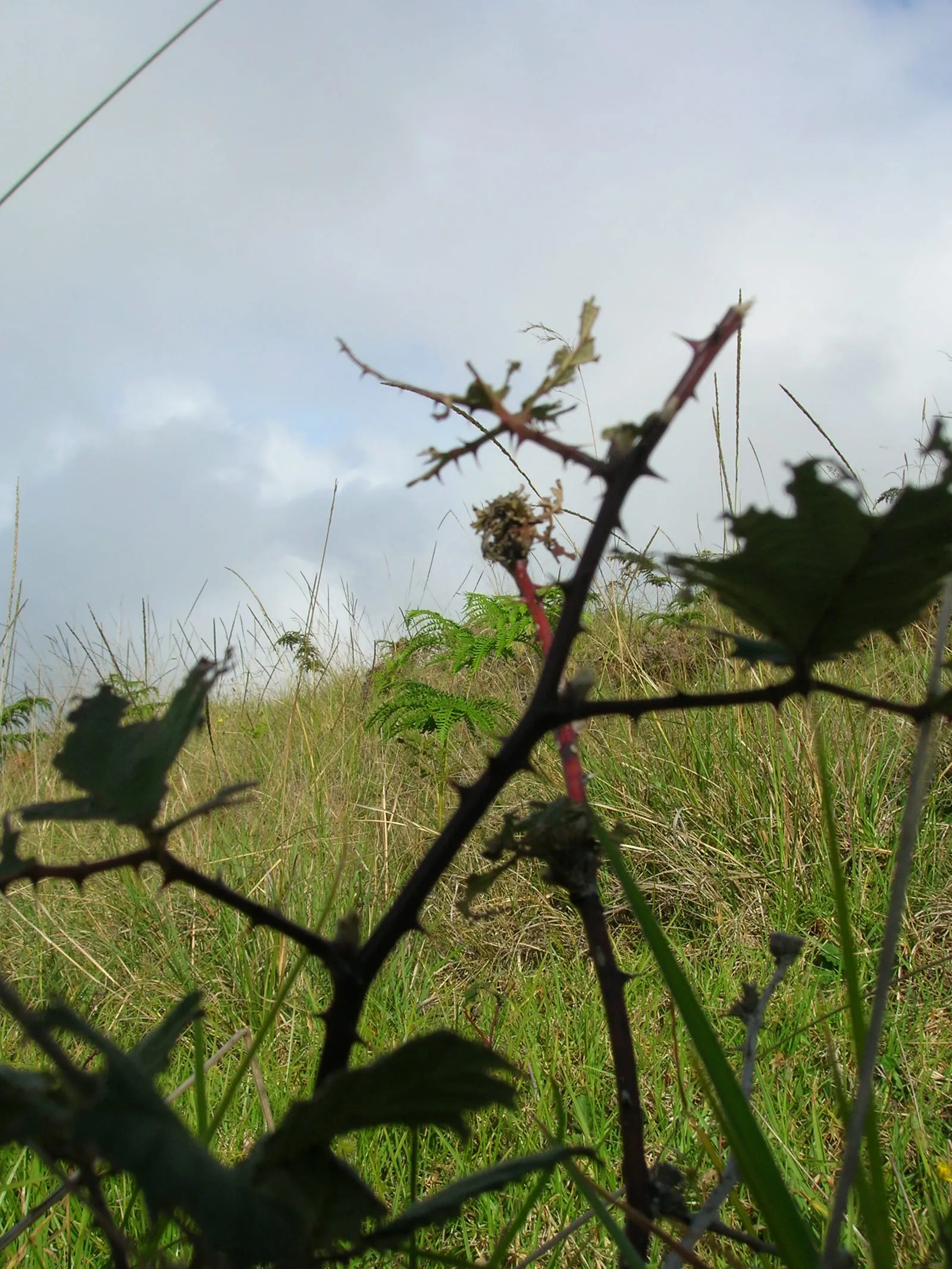
Leptosphaeria coniothyrium
Fungal disease that enters through wounds (often from cane-borer or pruning cuts) and causes dark cankers that wilt and kill canes.
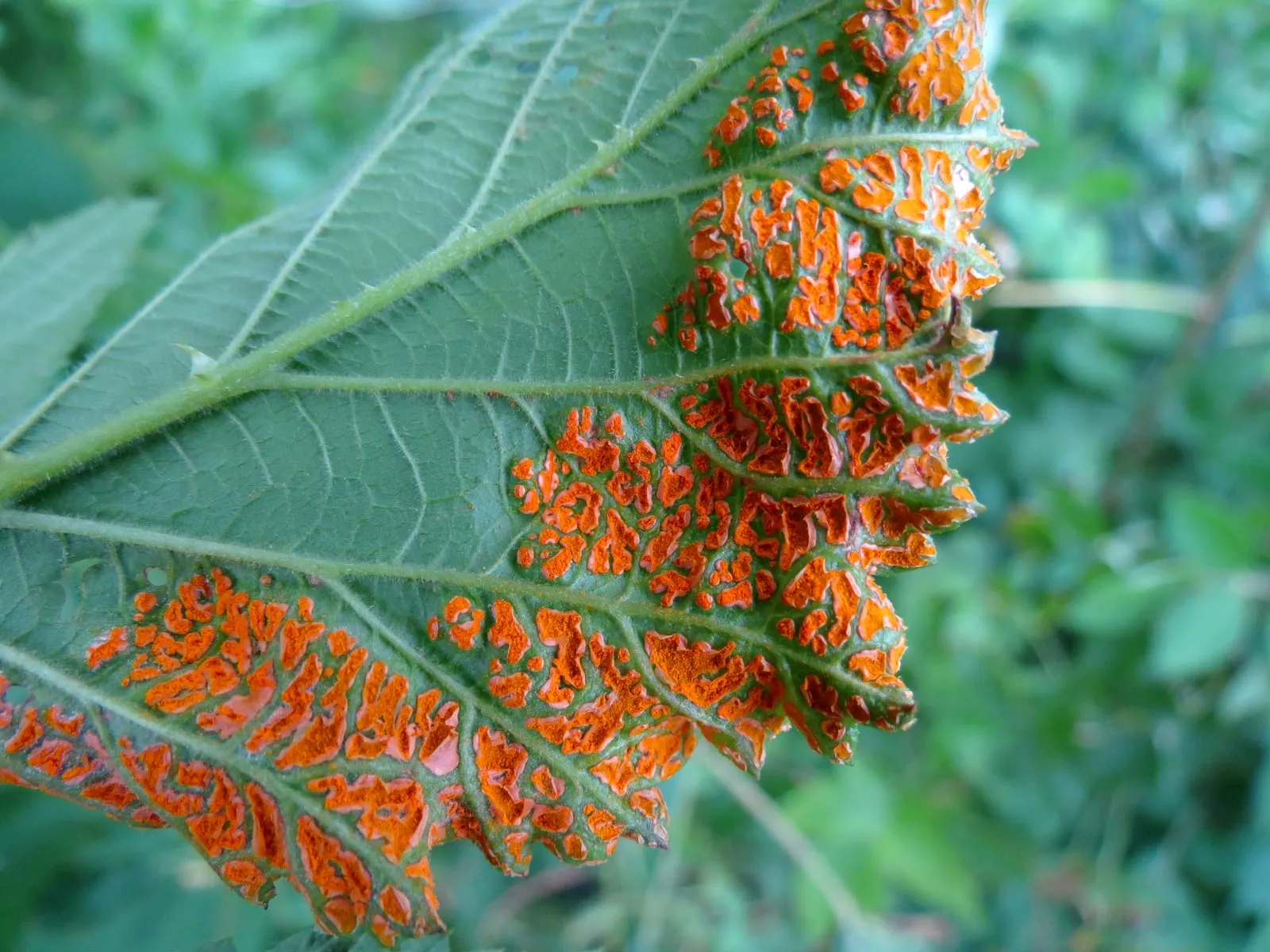
Arthuriomyces peckianus
Systemic fungal disease that permanently infects black raspberries and blackberries (not red raspberry); infected plants must be removed entirely.
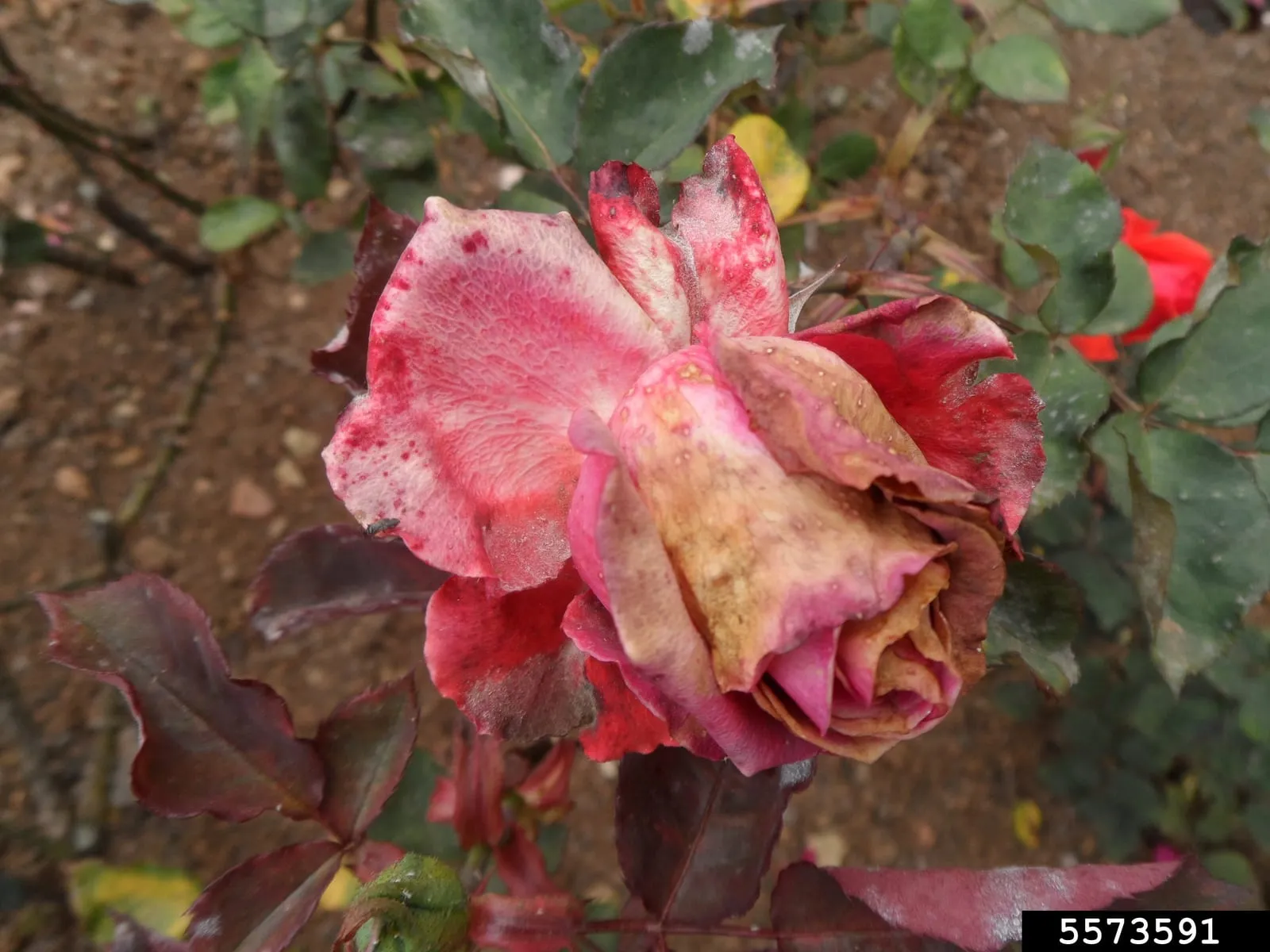
Botrytis cinerea
Ubiquitous fungal disease that causes fruit rot during cool wet weather, often the dominant berry disease in humid regions.
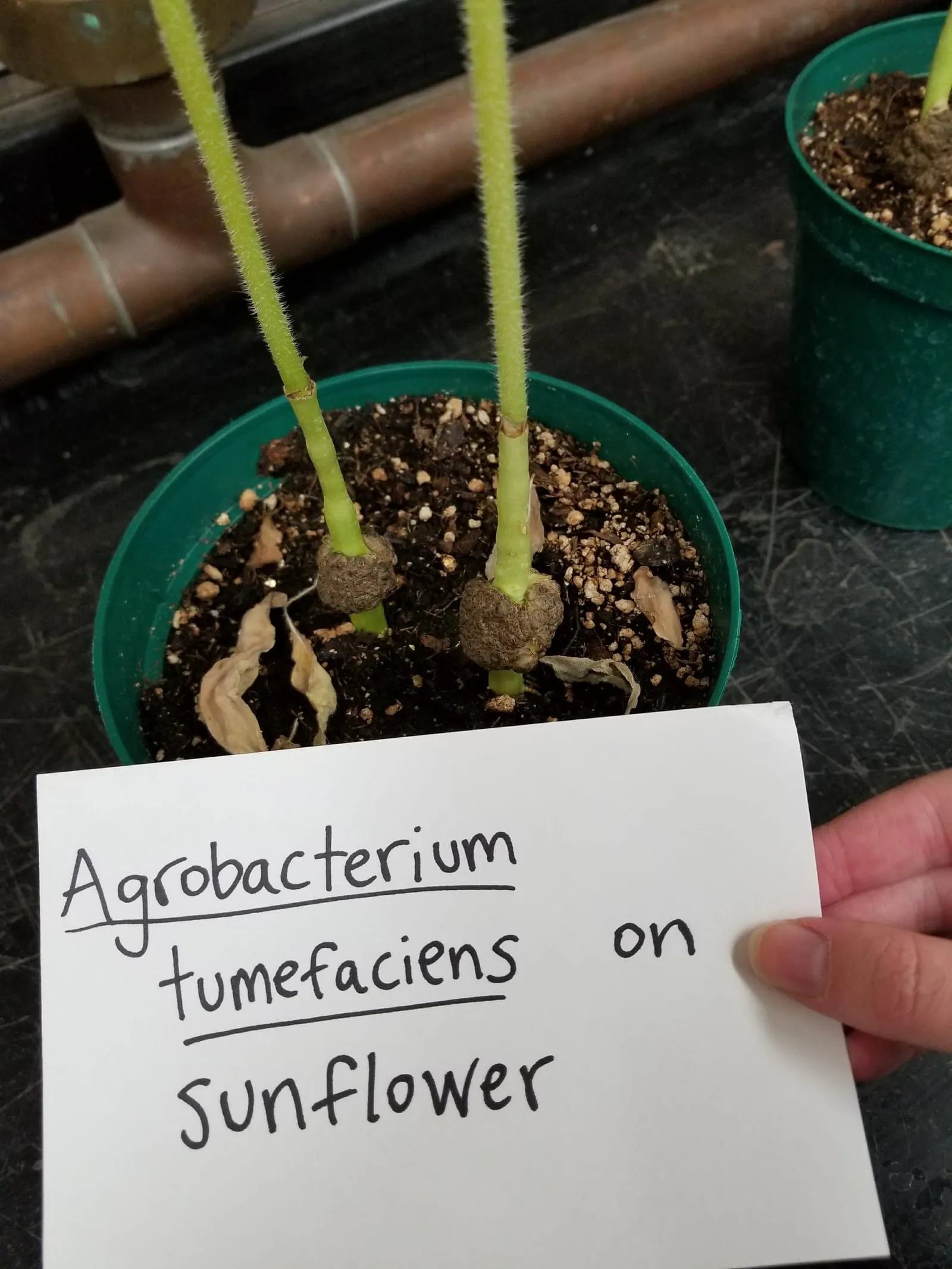
Agrobacterium tumefaciens
Soil-borne bacterium that enters plants through wounds and induces tumor-like galls on roots, crown, and lower stems. Galls reduce vigor and shorten plant lifespan; on Rubus the disease is often fatal.
Modified care for zone 9a
All four diseases present in zone 9a, Cane Anthracnose, Cane Blight, Orange Rust, and Gray Mold (Botrytis), favor the warm and humid conditions this zone regularly delivers. Orange rust warrants particular attention: it spreads readily in southern climates and infected plants cannot be treated chemically; removal is the only response. Aggressive annual pruning to remove spent floricanes and open the canopy for airflow is the primary preventive tool, not an optional step. Trellis systems should be built more substantially than in northern zones, both to support heavy cane loads and to withstand the hurricane and tropical storm winds that affect coastal and near-coastal zone 9a sites. Morning irrigation is preferred so foliage dries before evening. Overhead irrigation patterns that keep leaves wet overnight substantially increase disease incidence.
Blackberry in adjacent zones
Image: "Ripe, ripening, and green blackberries", by Ragesoss, via Wikimedia Commons, licensed under CC-BY-SA 3.0 Source.

Related