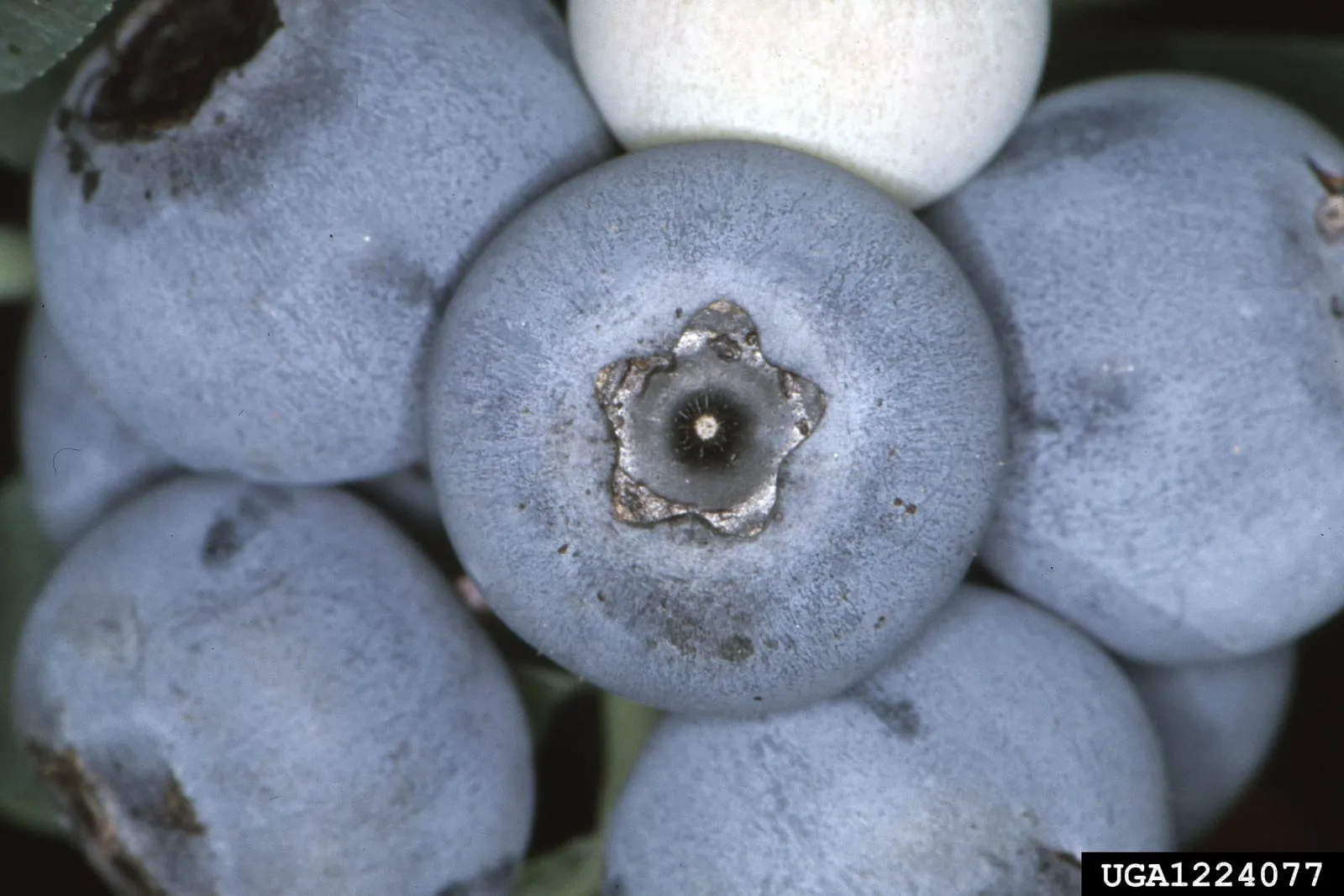
berry in zone 9a
Growing rabbiteye blueberry in zone 9a
Vaccinium virgatum
- Zone
- 9a 20°F to 25°F
- Growing season
- 290 days
- Chill needed
- 200 to 600 below 45°F
- Suitable varieties
- 4
- Days to harvest
- 70 to 100
The verdict
Rabbiteye blueberry is one of the better-matched blueberry species for zone 9a, though performance depends heavily on variety selection. The species tolerates the zone's warm winters better than northern highbush types, and its chill-hour range of 200 to 600 hours spans nearly the full spectrum of what zone 9a typically accumulates across its cooler inland and coastal pockets. In years with a mild December and January, even the 200-hour floor can be difficult to reach near the Gulf Coast, making low-chill cultivars like Brightwell and Premier the safer bets over Tifblue or Powderblue, which need 550 to 650 hours to fruit reliably.
Zone 9a is not a sweet spot for rabbiteye, but it is workable. Growers in the warmer parts of this zone should treat Tifblue as an inconsistent producer and build plantings around two or three lower-chill varieties for cross-pollination and yield insurance. Years with adequate winter chill will produce well; years without will show in sparse fruit set.
Recommended varieties for zone 9a
4 cultivars suited to this zone, with disease-resistance and zone-fit annotations.
| Variety | Notes | Zone fit | Disease resistance |
|---|---|---|---|
| Premier fits zone 9a | Sweet, mild, juicy with thick skin; fresh eating, freezing. Vigorous southern producer, early-mid season. Pollinizer for Tifblue. | | none noted |
| Tifblue fits zone 9a | Sweet-tart, firm, classic rabbiteye flavor; the southern industry standard, fresh and processing. Heavy producer, late-season. Long-lived. | | none noted |
| Powderblue fits zone 9a | Sweet-tart, firm, light dusty-blue berries with rich flavor; pairs with Tifblue for cross-pollination. Disease-resistant, productive. | | none noted |
| Brightwell fits zone 9a | Sweet, balanced flavor, firm; widely planted southern cultivar with extended productivity. Drought-tolerant. | | none noted |
Critical timing for zone 9a
In zone 9a, rabbiteye blueberries typically open bloom from late January through early March, with exact timing varying by cultivar and site. Premier tends to flower first; Tifblue runs 2 to 3 weeks later. The zone's 290-day growing season means harvest begins as early as April for early-ripening varieties and extends into June or July for later ones like Powderblue.
Frost risk during bloom is low but real. Zone 9a sees minimum temperatures of 20 to 25°F in its coldest winters, and a late cold snap in February can damage open flowers. Because rabbiteye bloom coincides with the tail end of the freeze window, growers with frost-prone sites benefit from planting later-blooming cultivars that push bloom past the highest-risk period.
Common challenges in zone 9a
- ▸ Limited stone fruit options due to insufficient chill
- ▸ Hurricane and tropical storm exposure
- ▸ Citrus disease pressure
Disease pressure to watch for
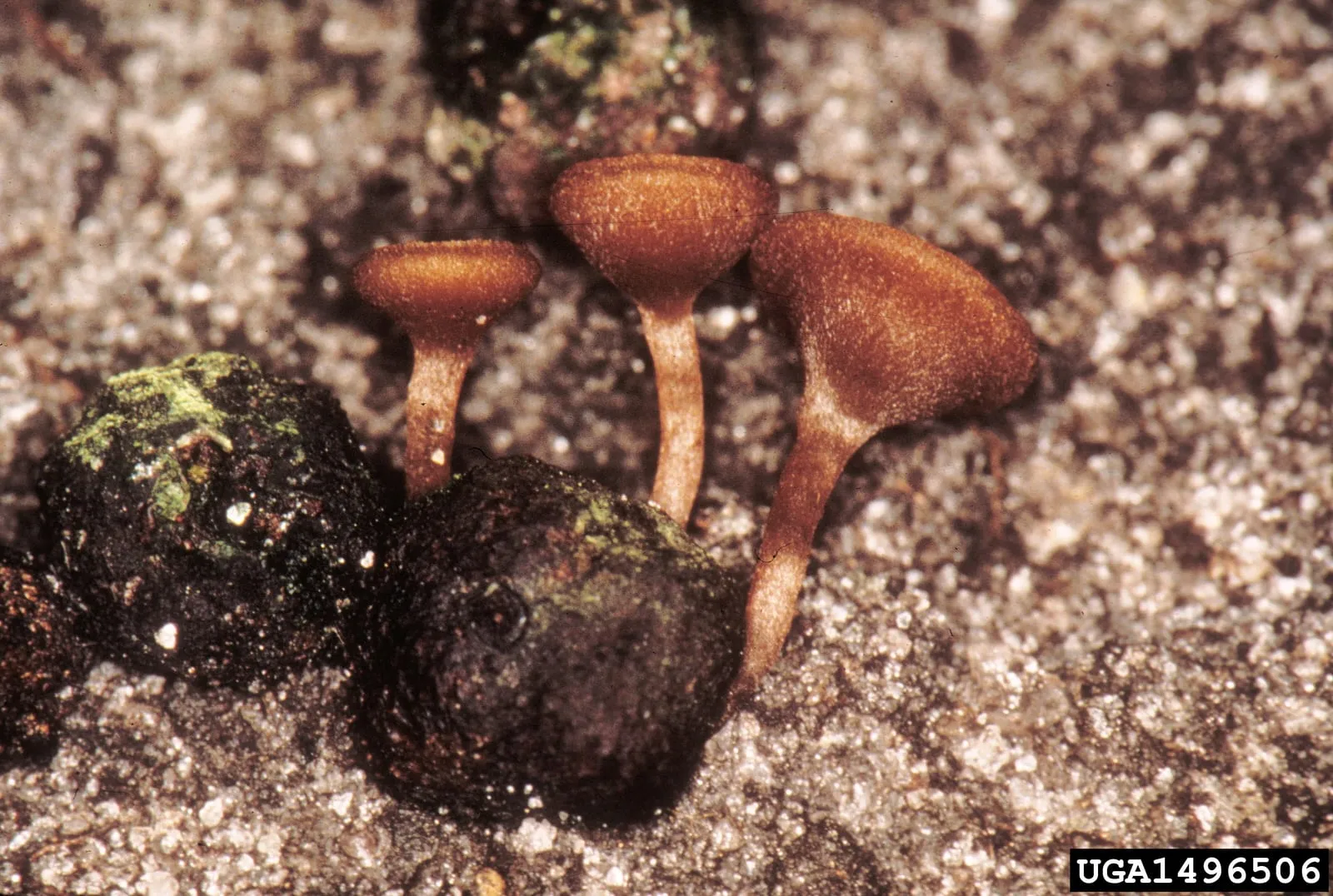
Monilinia vaccinii-corymbosi
The most damaging blueberry disease in the eastern US, killing shoots in spring and mummifying fruit later in the season.
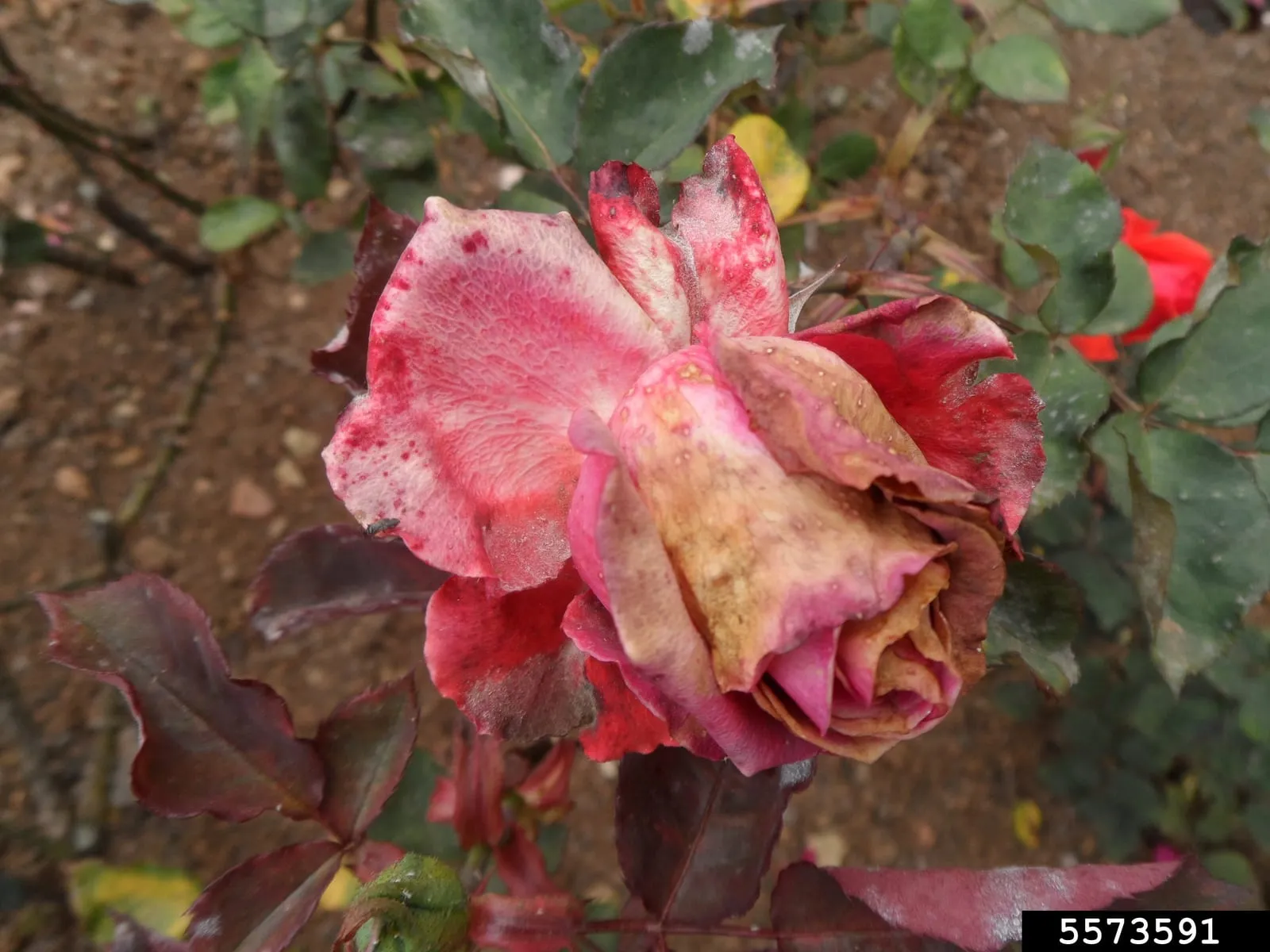
Botrytis cinerea
Ubiquitous fungal disease that causes fruit rot during cool wet weather, often the dominant berry disease in humid regions.
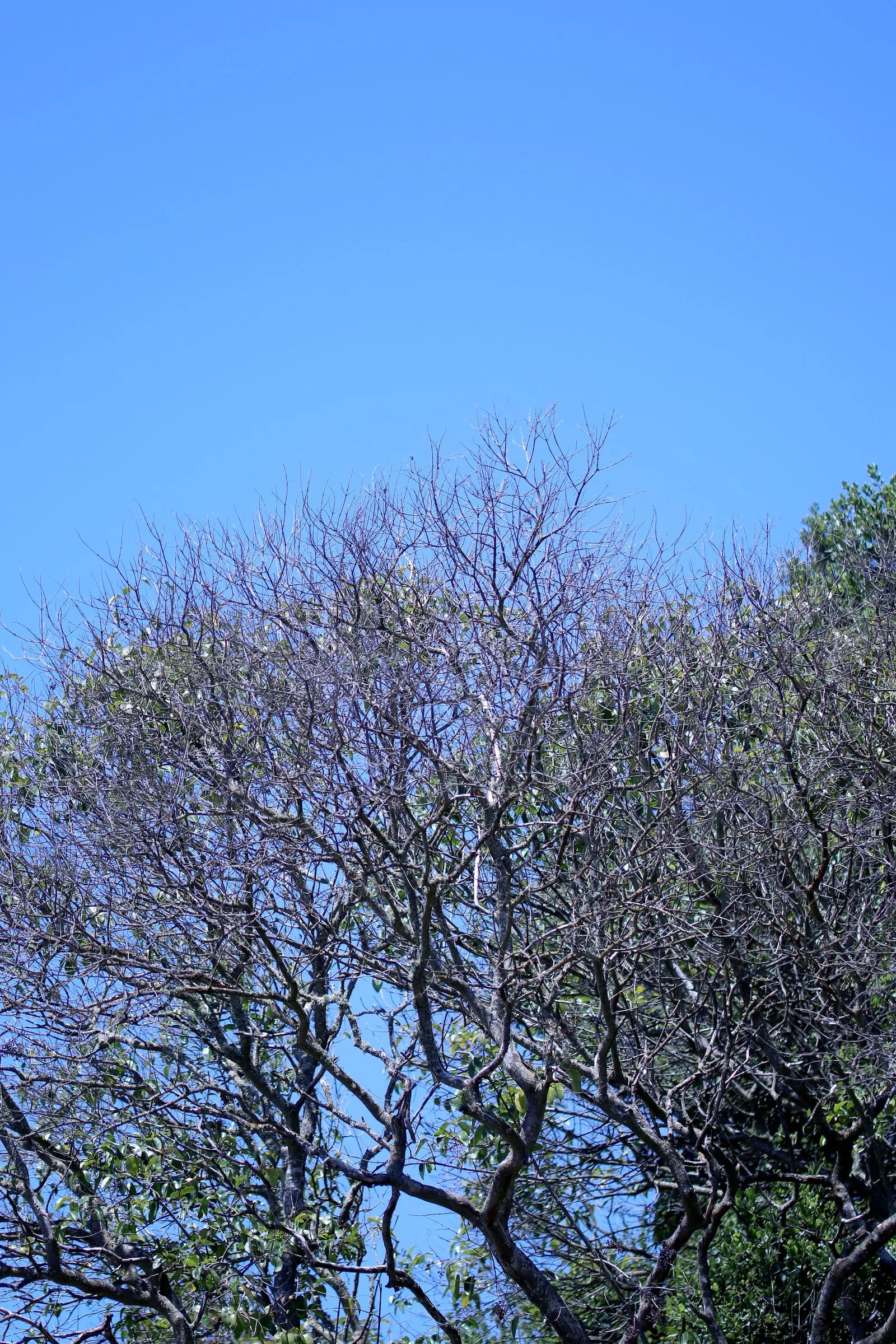
Phytophthora species
Soil-borne water mold that destroys roots in waterlogged soils, the leading cause of blueberry decline in poorly drained sites.
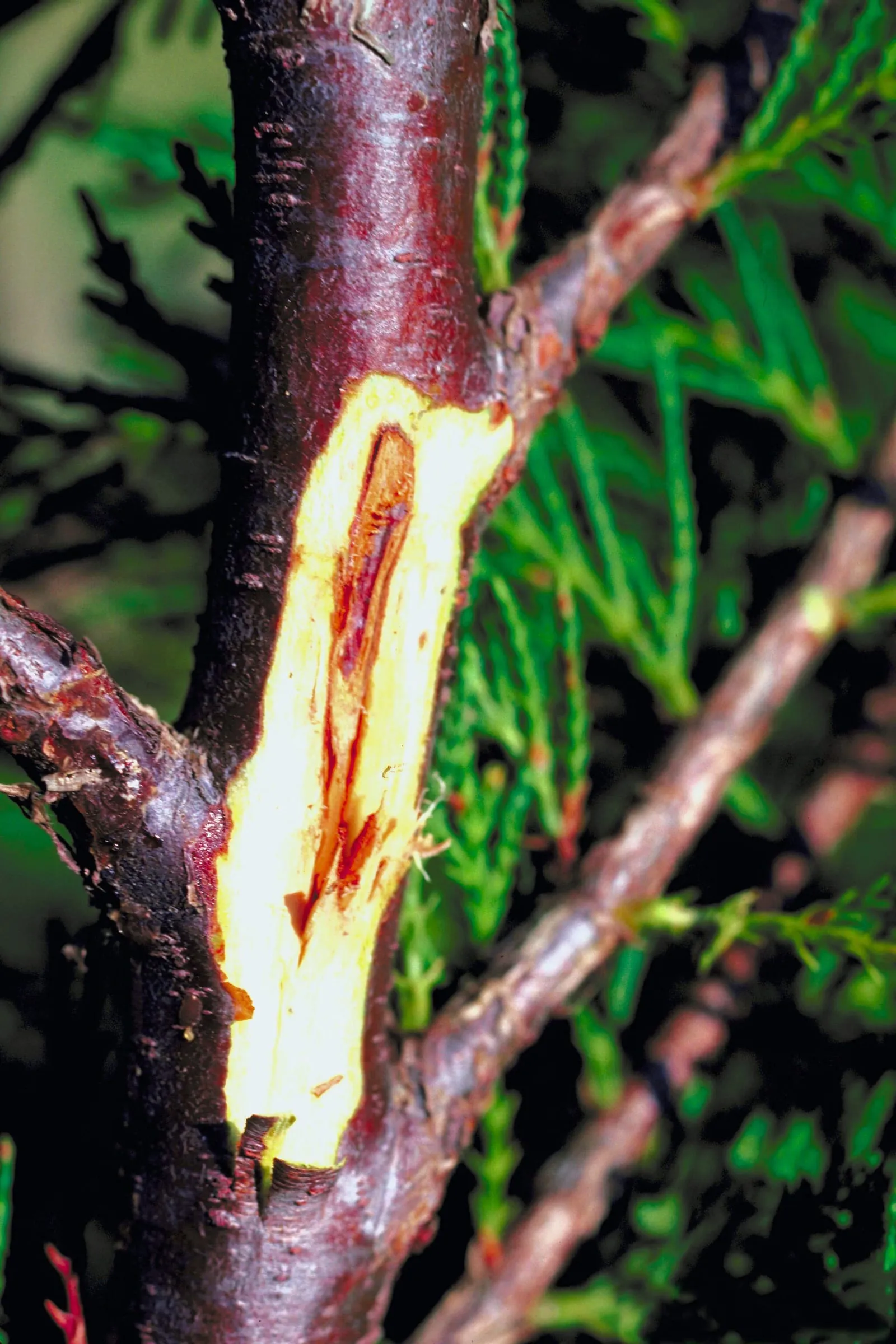
Botryosphaeria dothidea
Fungal disease that enters through wounds and kills entire stems or whole bushes, particularly damaging on young plantings in the southeastern US.
Modified care for zone 9a
The primary adjustment in zone 9a is disease management, not cold protection. Blueberry Stem Blight (Botryosphaeria dothidea) spreads aggressively in the region's warm, humid summers, and a single infected cane can kill an established plant within a season. Pruning out dead wood promptly and avoiding irrigation that wets foliage late in the day are the most effective controls available to home growers.
Hurricane and tropical storm exposure is a structural concern in the coastal reaches of zone 9a. Staking young plants and avoiding sites with channeled wind from prevailing storm tracks reduces physical damage risk. On the cultural side, soil acidification requires more active management in the alkaline soils common in parts of this zone; target pH of 4.5 to 5.2 and test annually, since pH drift upward is common under irrigation. Summer shade from taller plantings can moderate heat stress during the hottest weeks.
Frequently asked questions
- Which rabbiteye blueberry varieties work best in zone 9a?
Premier and Brightwell are the most reliable choices because their chill requirements (roughly 200 to 300 hours) match what zone 9a consistently delivers. Tifblue and Powderblue need closer to 550 to 650 hours and will underperform in warmer winters. Plant at least two varieties for adequate cross-pollination.
- Can rabbiteye blueberries fruit every year in zone 9a?
Not guaranteed. In winters with fewer than 200 accumulated chill hours, even low-chill varieties may produce sparse fruit or bloom erratically. Growers in the warmer coastal areas of zone 9a should expect occasional off years and plan plantings accordingly.
- How serious is Blueberry Stem Blight in zone 9a?
It is the most serious disease threat in this zone. Warm, humid conditions favor rapid spread, and there are no home-use fungicides with strong efficacy against it. Early detection and aggressive pruning of symptomatic canes, cutting well into healthy wood, is the primary management approach.
+−
+−
+−
Rabbiteye Blueberry in adjacent zones
Image: "Vacciniumvirgatum", by Jerry A. Payne, USDA Agricultural Research Service, Bugwood.org, via Wikimedia Commons, licensed under CC-BY Source.

Related