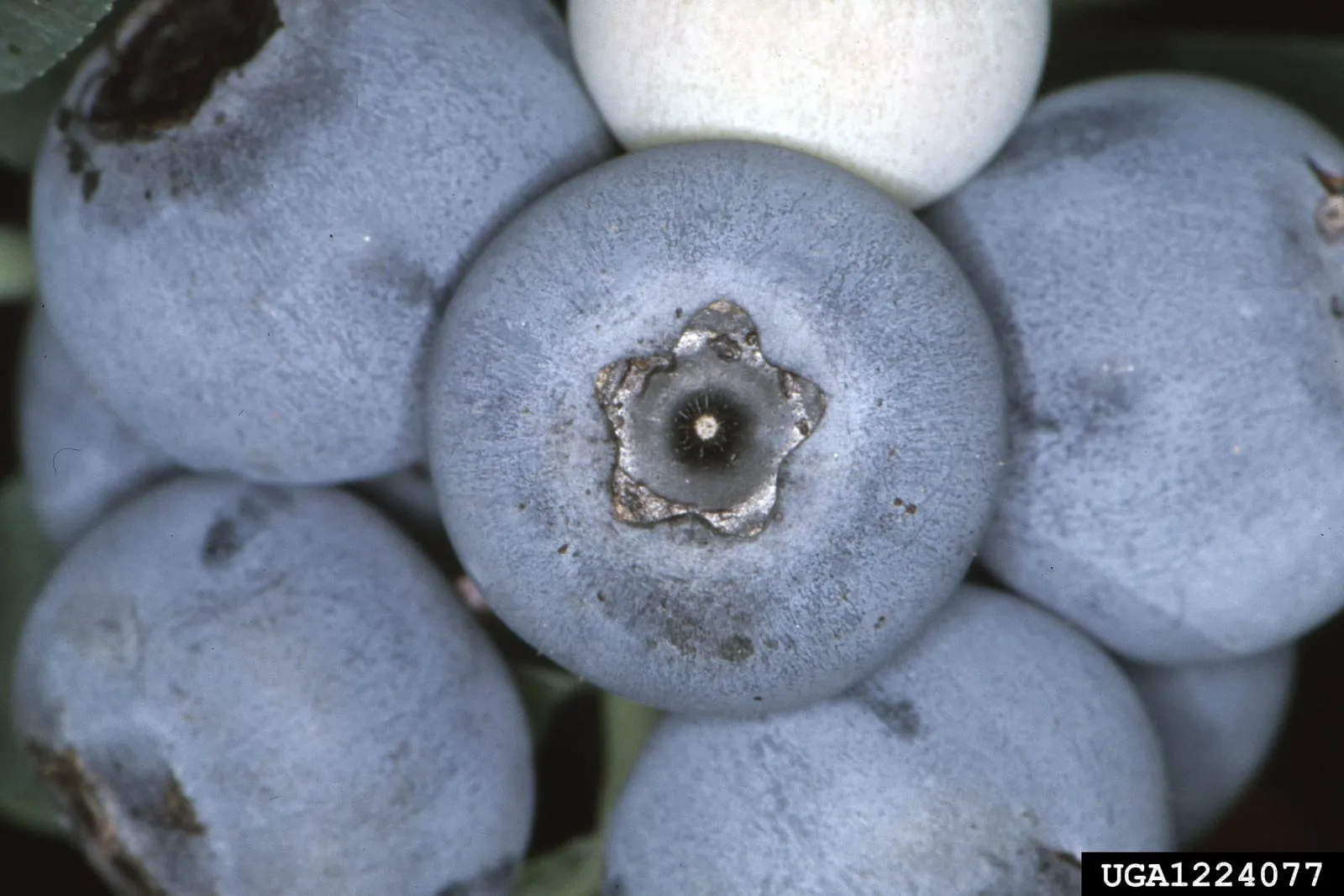
berry in zone 8b
Growing rabbiteye blueberry in zone 8b
Vaccinium virgatum
- Zone
- 8b 15°F to 20°F
- Growing season
- 260 days
- Chill needed
- 200 to 600 below 45°F
- Suitable varieties
- 5
- Days to harvest
- 70 to 100
The verdict
Zone 8b is a strong fit for rabbiteye blueberry, not a marginal one. Rabbiteye varieties were developed specifically for the humid Southeast, and the 260-day growing season and mild winters of zone 8b match their native range closely. The chill-hour requirement for rabbiteye blueberries spans 200 to 600 hours depending on variety, and zone 8b typically accumulates 300 to 500 chill hours across most of its geography, enough to satisfy lower- and mid-range varieties reliably.
Lower-chill selections like Premier and Brightwell (roughly 350 hours) finish dormancy comfortably in most zone 8b winters. Mid-chill varieties like Climax and Powderblue are generally adequate but can underperform in the warmest coastal pockets where chill accumulation falls below 350 hours. Tifblue, while widely planted, approaches the upper chill range and should be evaluated against local chill records before planting at elevations below 200 feet. Cross-pollination between at least two different varieties is required for rabbiteye; plan plantings accordingly.
Recommended varieties for zone 8b
5 cultivars suited to this zone, with disease-resistance and zone-fit annotations.
| Variety | Notes | Zone fit | Disease resistance |
|---|---|---|---|
| Premier fits zone 8b | Sweet, mild, juicy with thick skin; fresh eating, freezing. Vigorous southern producer, early-mid season. Pollinizer for Tifblue. | | none noted |
| Tifblue fits zone 8b | Sweet-tart, firm, classic rabbiteye flavor; the southern industry standard, fresh and processing. Heavy producer, late-season. Long-lived. | | none noted |
| Powderblue fits zone 8b | Sweet-tart, firm, light dusty-blue berries with rich flavor; pairs with Tifblue for cross-pollination. Disease-resistant, productive. | | none noted |
| Climax fits zone 8b | Sweet, mild, medium berries; early-season for rabbiteye, ripens before most. Concentrated harvest window. Often used as Premier's pollinizer. | | none noted |
| Brightwell fits zone 8b | Sweet, balanced flavor, firm; widely planted southern cultivar with extended productivity. Drought-tolerant. | | none noted |
Critical timing for zone 8b
Rabbiteye blueberries bloom in zone 8b from late February through March, with earlier-flowering varieties like Climax often opening buds before mid-February in warmer years. Harvest runs from late May through August, with Premier and Brightwell ripening earliest and Tifblue and Powderblue extending the season into July.
The bloom window overlaps with zone 8b's residual frost risk, which typically clears by late February to mid-March depending on latitude and proximity to the coast. A late frost event during open bloom can reduce fruit set substantially. Coastal sites and urban locations with significant heat retention tend to see earlier bloom and carry slightly higher frost exposure; inland sites bloom a week or two later with somewhat better frost clearance. Monitoring local forecasts during February and March and having frost cloth on hand for young plantings is reasonable practice.
Common challenges in zone 8b
- ▸ Low chill hours limit apple variety selection
- ▸ Citrus greening risk
- ▸ Nematodes in sandy soils
Disease pressure to watch for
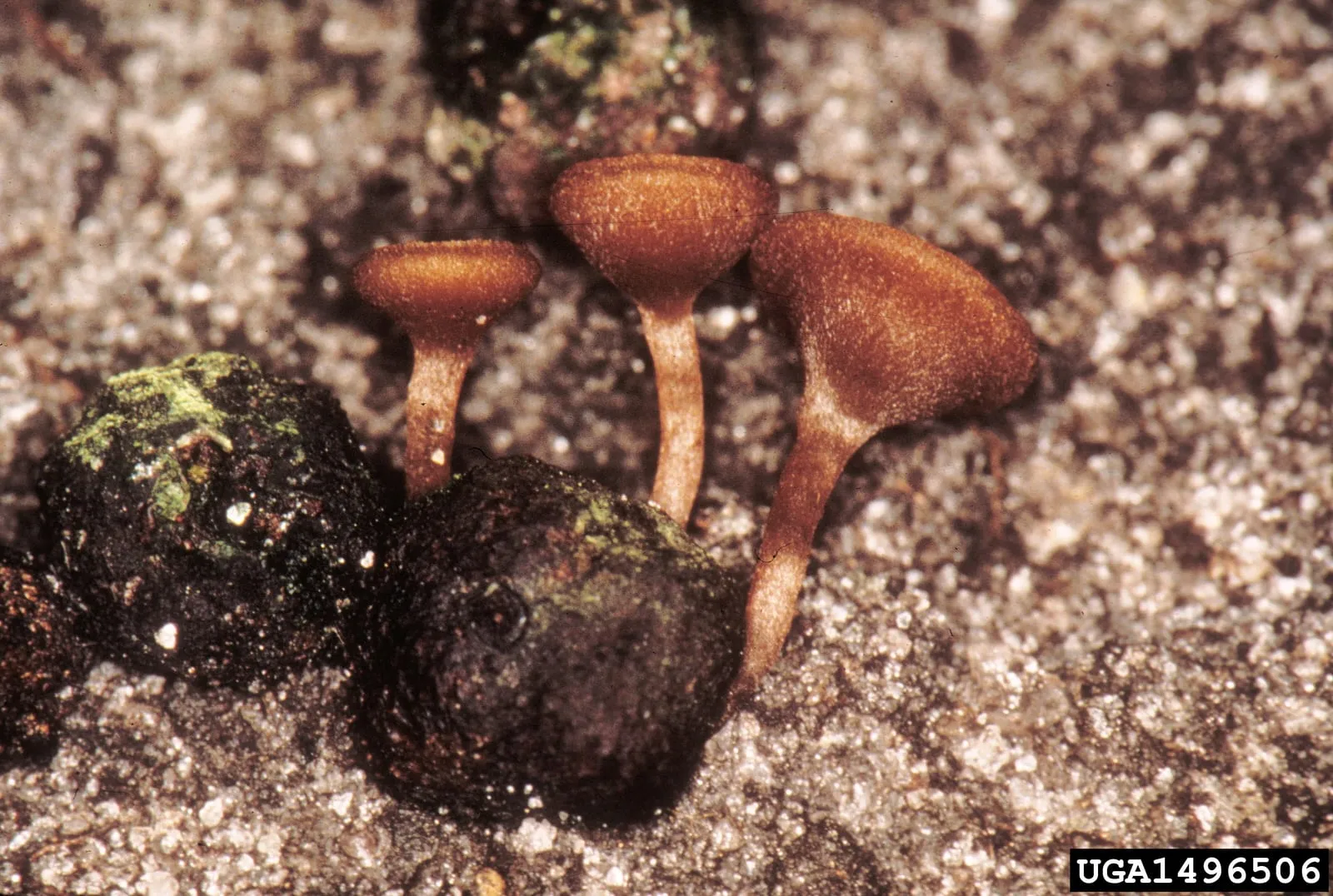
Monilinia vaccinii-corymbosi
The most damaging blueberry disease in the eastern US, killing shoots in spring and mummifying fruit later in the season.
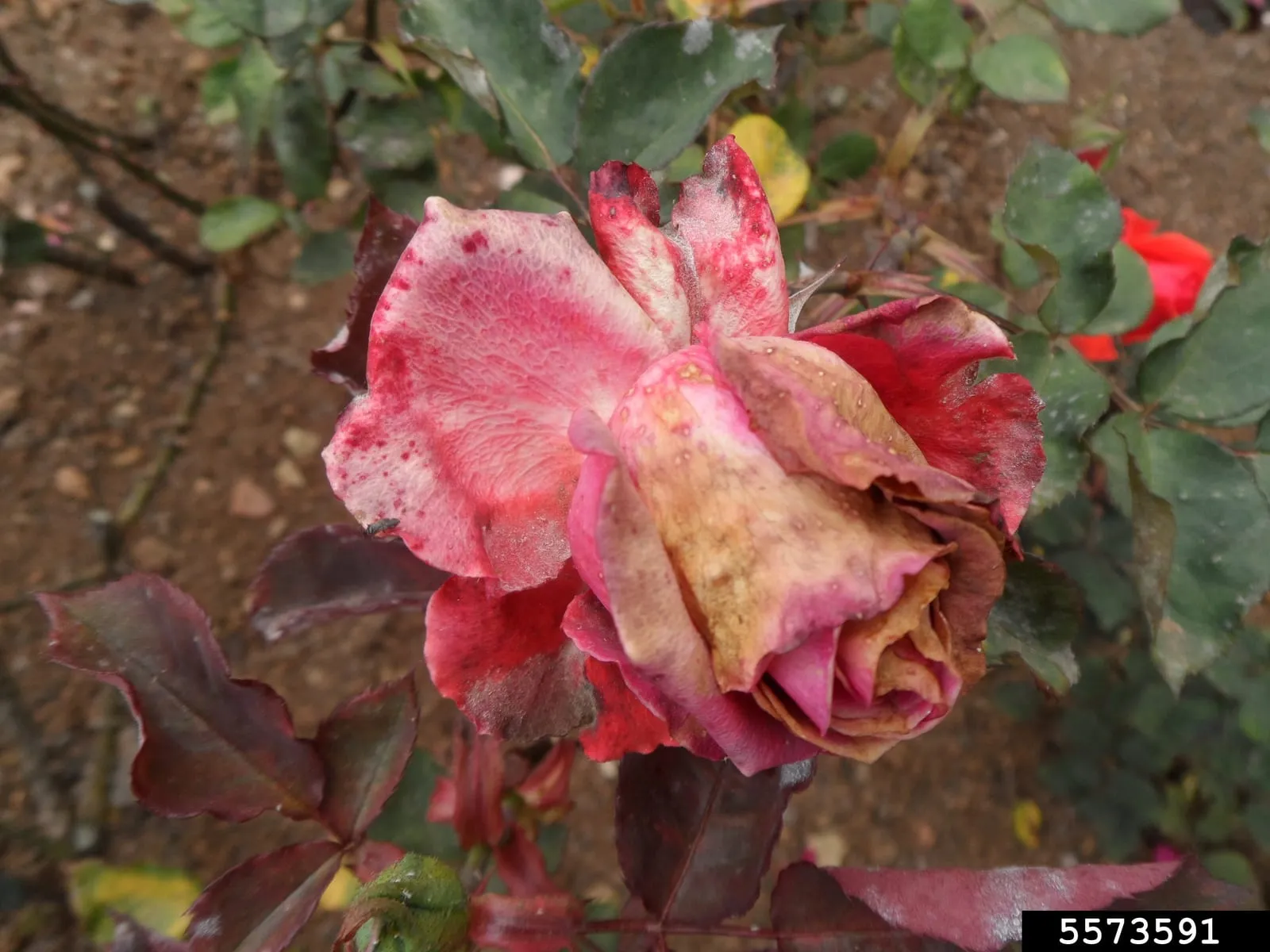
Botrytis cinerea
Ubiquitous fungal disease that causes fruit rot during cool wet weather, often the dominant berry disease in humid regions.
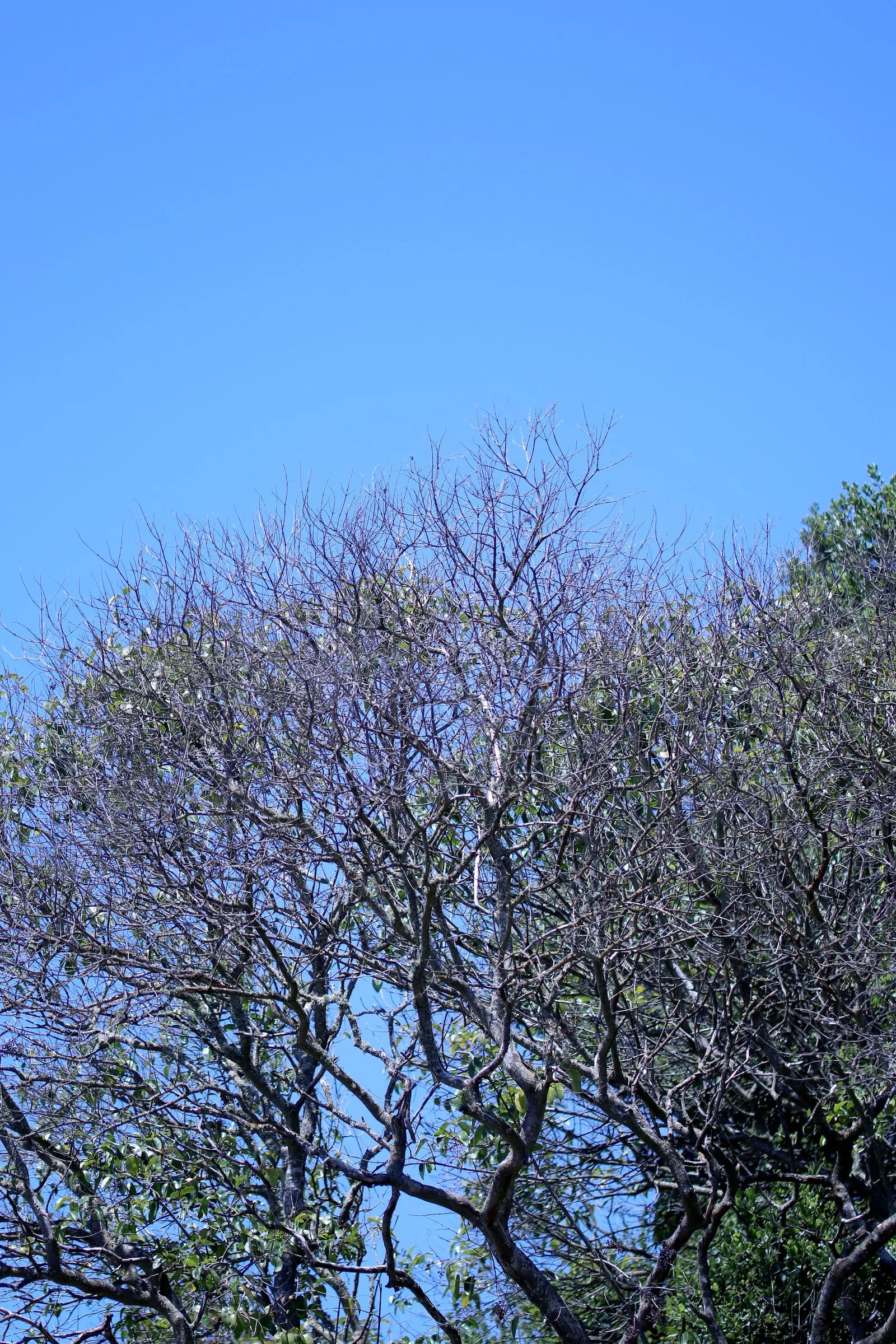
Phytophthora species
Soil-borne water mold that destroys roots in waterlogged soils, the leading cause of blueberry decline in poorly drained sites.
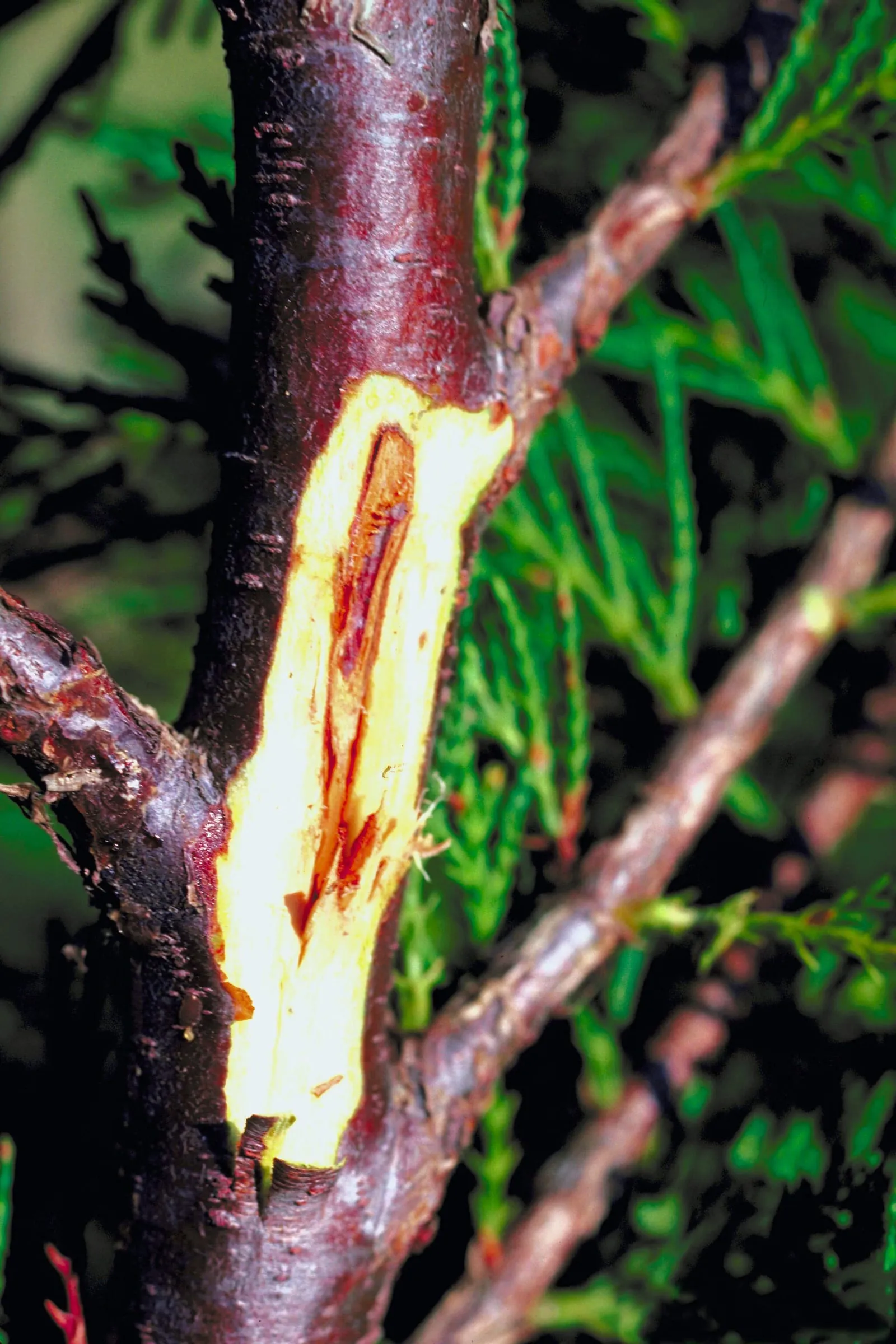
Botryosphaeria dothidea
Fungal disease that enters through wounds and kills entire stems or whole bushes, particularly damaging on young plantings in the southeastern US.
Modified care for zone 8b
Sandy soils are common across much of zone 8b's footprint, particularly in the coastal plain regions of Georgia, Florida, and Alabama. Nematodes thrive in these conditions and are one of the more serious constraints on blueberry longevity in this zone. Planting into raised beds amended with aged pine bark and maintaining thick organic mulch (4 to 6 inches of pine straw or wood chips) suppresses nematode pressure and moderates soil temperature. Avoid bare-soil cultivation around root zones.
Disease pressure from mummy berry and stem blight is elevated by the combination of early warm springs and high humidity. Rake and remove fallen mummified fruit before bloom each year. Stem blight, caused by Botryosphaeria species, spreads most aggressively into plants stressed by drought or poor drainage. Consistent drip irrigation through summer, rather than overhead watering, keeps foliage dry and reduces infection risk. Fungicide applications for gray mold are most warranted in wet springs during bloom.
Frequently asked questions
- Do rabbiteye blueberries need a pollinator in zone 8b?
Yes. Rabbiteye blueberries are self-incompatible and require cross-pollination between at least two different varieties for adequate fruit set. Planting two or three varieties with overlapping bloom times, such as Premier and Climax, reliably improves yield. A single-variety planting will produce little to no fruit regardless of how well the site conditions match.
- How many chill hours does zone 8b typically provide?
Most of zone 8b accumulates between 300 and 500 chill hours (below 45°F) in a typical winter, though the range varies by location. Coastal areas and low-elevation sites near the Gulf may fall below 350 hours in mild winters, while inland piedmont areas consistently reach 450 or more. Checking historical chill records from a nearby NOAA weather station is more reliable than using zone averages alone.
- Is stem blight common in zone 8b?
Stem blight caused by Botryosphaeria species is a persistent problem in the humid Southeast, and zone 8b growers should expect to manage it. The pathogen enters through drought-stressed or freeze-damaged tissue. Keeping plants well-irrigated through summer drought and pruning out any flagging canes promptly reduces spread. There is no effective chemical cure once infection progresses past the initial lesion.
- Which rabbiteye varieties perform best in zone 8b?
Premier and Brightwell are reliable low-chill choices suited to the warmest parts of zone 8b. Climax adds early ripening and works well as a cross-pollinator. Powderblue and Tifblue are widely grown but perform best where chill hours consistently exceed 400; they may produce erratically in coastal locations during warm winters.
+−
+−
+−
+−
Rabbiteye Blueberry in adjacent zones
Image: "Vacciniumvirgatum", by Jerry A. Payne, USDA Agricultural Research Service, Bugwood.org, via Wikimedia Commons, licensed under CC-BY Source.

Related