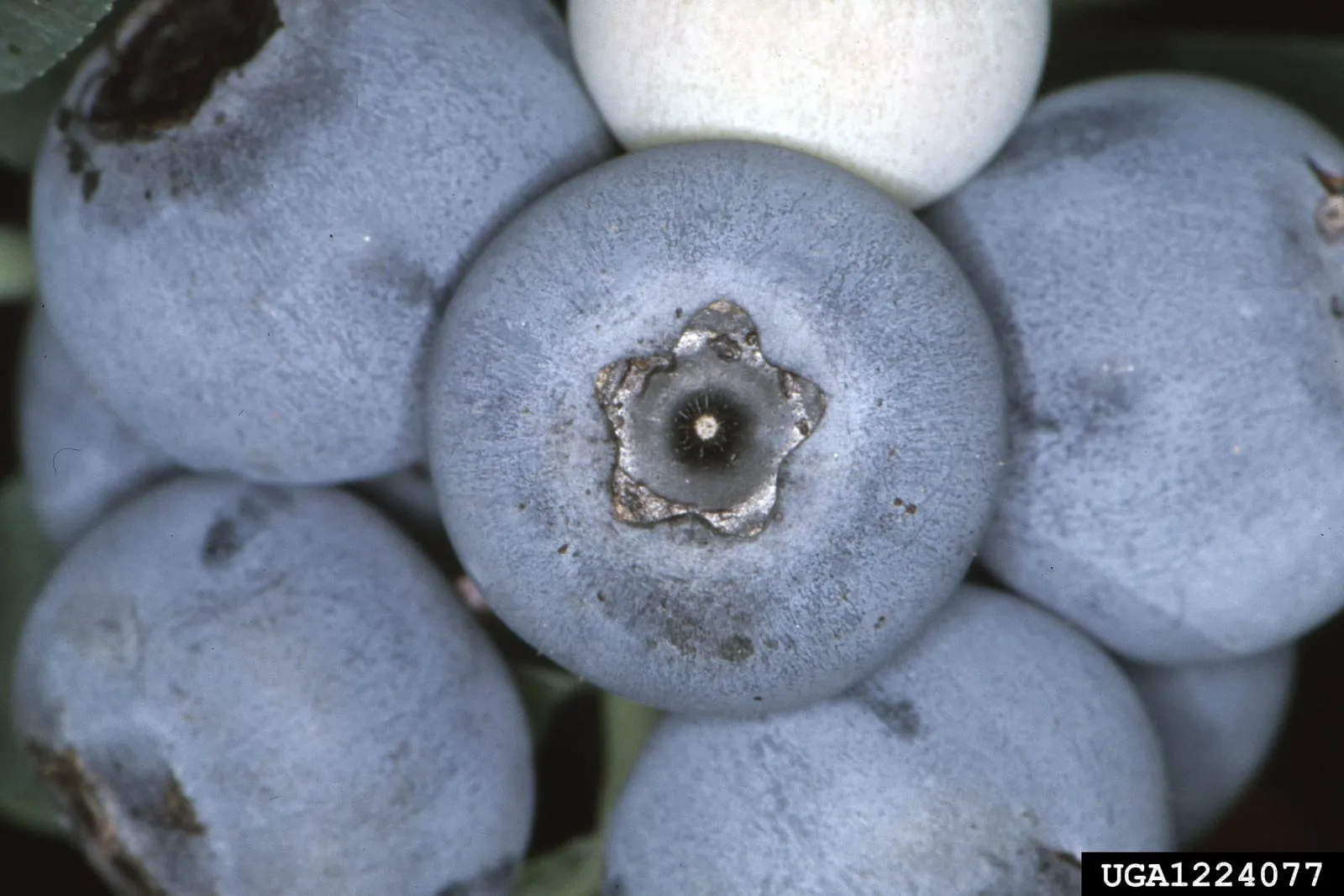
berry in zone 8a
Growing rabbiteye blueberry in zone 8a
Vaccinium virgatum
- Zone
- 8a 10°F to 15°F
- Growing season
- 240 days
- Chill needed
- 200 to 600 below 45°F
- Suitable varieties
- 5
- Days to harvest
- 70 to 100
The verdict
Zone 8a sits squarely in the native range of rabbiteye blueberries, making this one of the stronger zone-to-crop matches in the blueberry family. Rabbiteye cultivars require 200 to 600 chill hours depending on variety, and zone 8a typically accumulates enough winter cold to satisfy even the higher end of that range in most years. This is not a marginal zone; it is the zone these plants were bred for, developed specifically for the warm, humid Southeast.
The 240-day growing season gives fruit adequate time to develop and ripen without the truncated windows that constrain northern growers. Low-chill selections like Premier provide insurance in unusually warm winters, while higher-chill cultivars like Tifblue (which needs closer to 600 hours) perform reliably in normal years. Planting at least two varieties from the compatible list improves cross-pollination, which rabbiteye types require more than highbush blueberries do. Chill accumulation can vary by 50 to 100 hours across a single county, so growers in urban heat-island areas should lean toward lower-chill cultivars.
Recommended varieties for zone 8a
5 cultivars suited to this zone, with disease-resistance and zone-fit annotations.
| Variety | Notes | Zone fit | Disease resistance |
|---|---|---|---|
| Premier fits zone 8a | Sweet, mild, juicy with thick skin; fresh eating, freezing. Vigorous southern producer, early-mid season. Pollinizer for Tifblue. | | none noted |
| Tifblue fits zone 8a | Sweet-tart, firm, classic rabbiteye flavor; the southern industry standard, fresh and processing. Heavy producer, late-season. Long-lived. | | none noted |
| Powderblue fits zone 8a | Sweet-tart, firm, light dusty-blue berries with rich flavor; pairs with Tifblue for cross-pollination. Disease-resistant, productive. | | none noted |
| Climax fits zone 8a | Sweet, mild, medium berries; early-season for rabbiteye, ripens before most. Concentrated harvest window. Often used as Premier's pollinizer. | | none noted |
| Brightwell fits zone 8a | Sweet, balanced flavor, firm; widely planted southern cultivar with extended productivity. Drought-tolerant. | | none noted |
Critical timing for zone 8a
Bloom typically opens from late February through mid-March in zone 8a, several weeks earlier than in zones 6 or 7. Early-ripening cultivars like Premier and Climax can begin harvest as early as late May, while later selections like Powderblue and Tifblue extend the season into August. The zone's 240-day growing season is more than sufficient for the full rabbiteye ripening window.
The primary late-frost risk in zone 8a falls before mid-March in most locations, which means open blooms occasionally coincide with cold snaps. A single night below 28°F during peak bloom can cause significant crop loss on exposed sites. Growers should monitor forecasts closely in late February and have row cover staged for early-blooming varieties. Later-blooming cultivars like Powderblue and Brightwell naturally reduce this exposure.
Common challenges in zone 8a
- ▸ Insufficient chill hours for some apple varieties
- ▸ Pierce's disease in grapes
- ▸ Heat stress on cool-season crops
Disease pressure to watch for
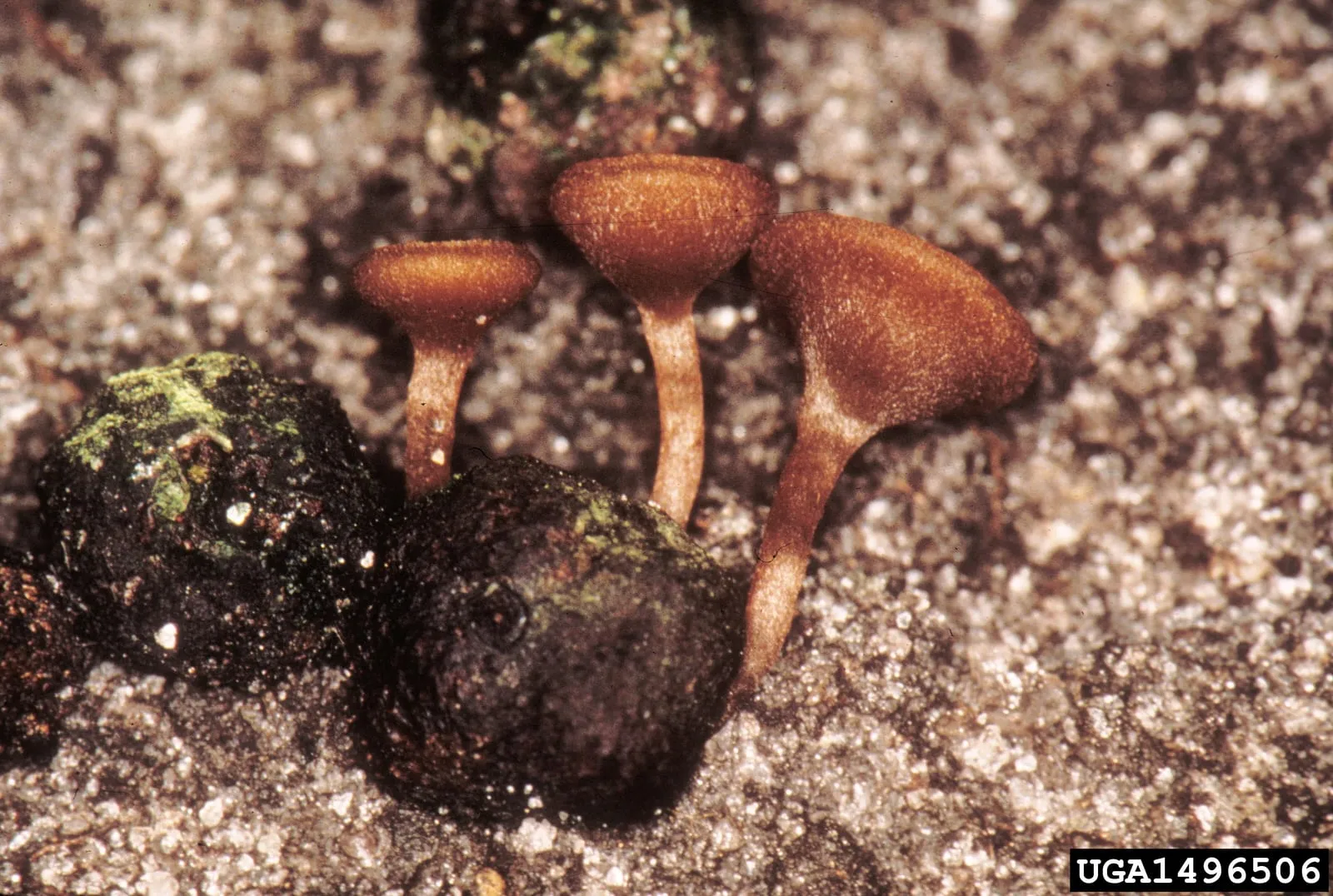
Monilinia vaccinii-corymbosi
The most damaging blueberry disease in the eastern US, killing shoots in spring and mummifying fruit later in the season.
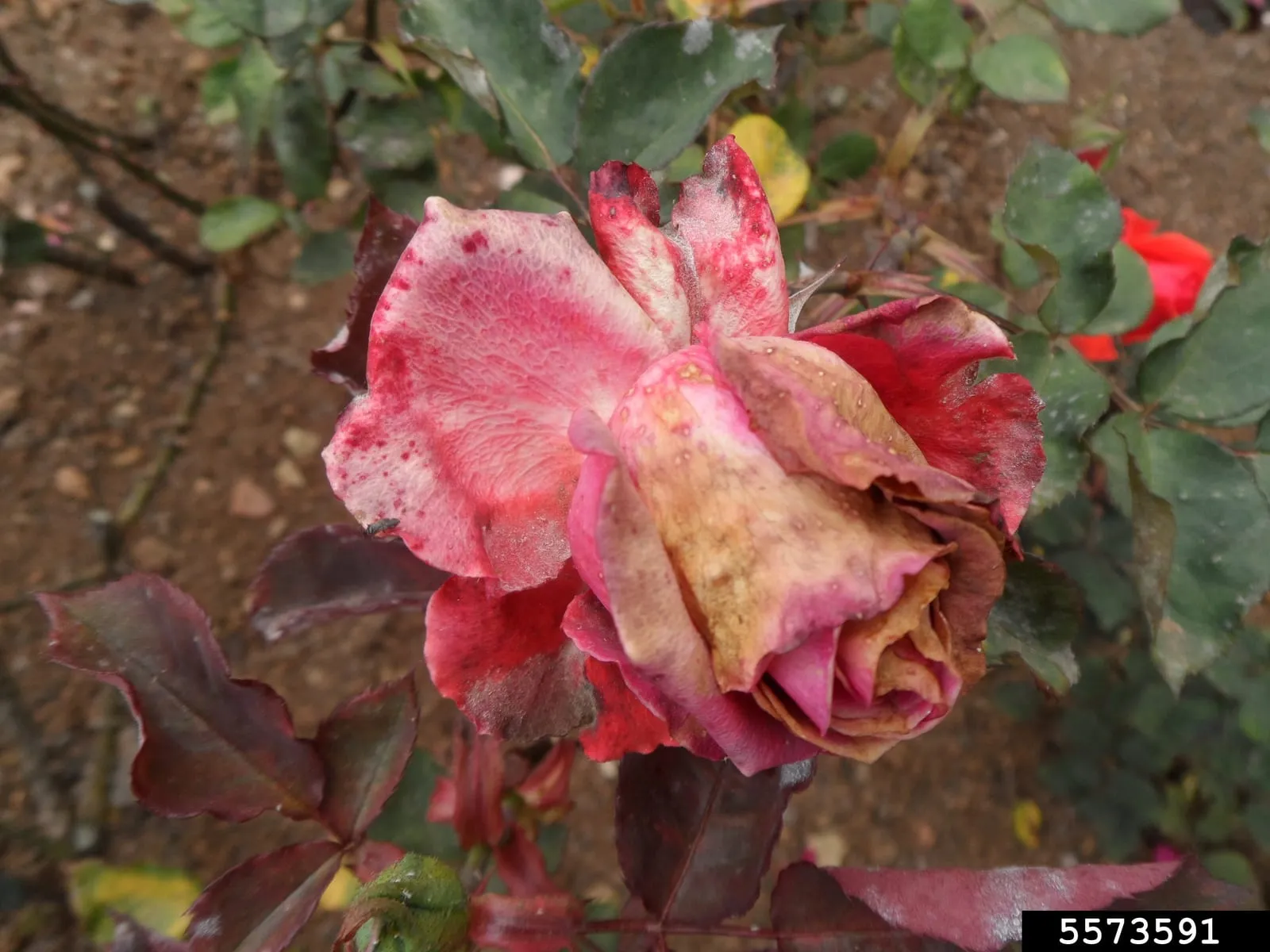
Botrytis cinerea
Ubiquitous fungal disease that causes fruit rot during cool wet weather, often the dominant berry disease in humid regions.
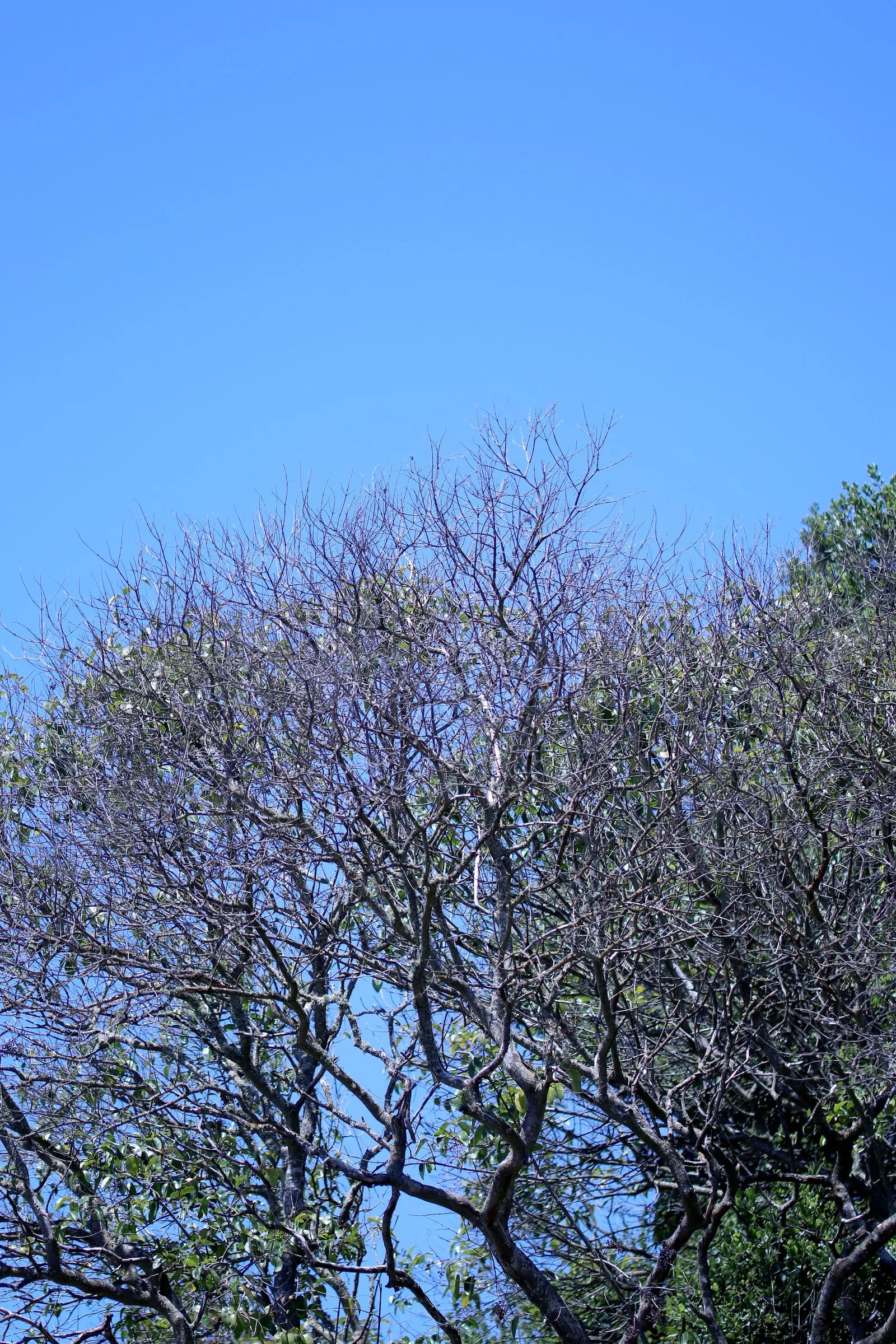
Phytophthora species
Soil-borne water mold that destroys roots in waterlogged soils, the leading cause of blueberry decline in poorly drained sites.
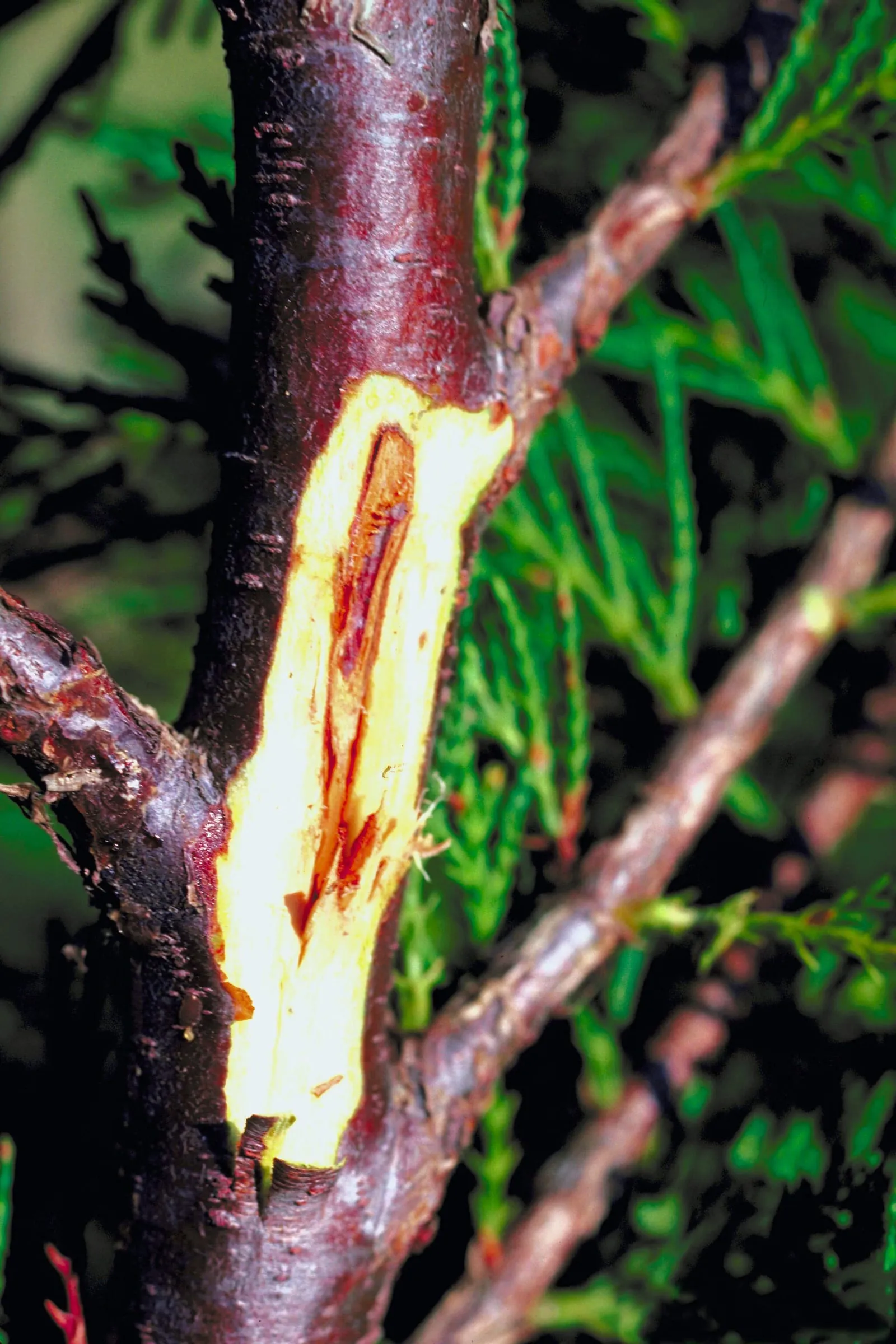
Botryosphaeria dothidea
Fungal disease that enters through wounds and kills entire stems or whole bushes, particularly damaging on young plantings in the southeastern US.
Modified care for zone 8a
The main adjustments in zone 8a involve heat, humidity, and disease pressure rather than cold hardiness. Summer irrigation is necessary; rabbiteye types tolerate drought better than highbush blueberries, but fruit size and yield decline noticeably without consistent moisture from fruit set through harvest.
Mummy Berry is a persistent threat in zone 8a's humid conditions. Removing infected fruit mummies from the soil surface before bud break reduces the primary inoculum load before spores can discharge. Stem Blight tends to enter through pruning wounds and stressed wood; cuts made with clean, sharp tools in late winter, before new growth begins, reduce infection risk. Gray Mold pressure peaks during wet springs, and plant spacing that promotes airflow through the canopy is more consistently effective than reactive fungicide programs. Soil pH management is also worth attention: rabbiteye types tolerate a wider pH range than highbush types but still perform best between 4.5 and 5.5.
Rabbiteye Blueberry in adjacent zones
Image: "Vacciniumvirgatum", by Jerry A. Payne, USDA Agricultural Research Service, Bugwood.org, via Wikimedia Commons, licensed under CC-BY Source.

Related