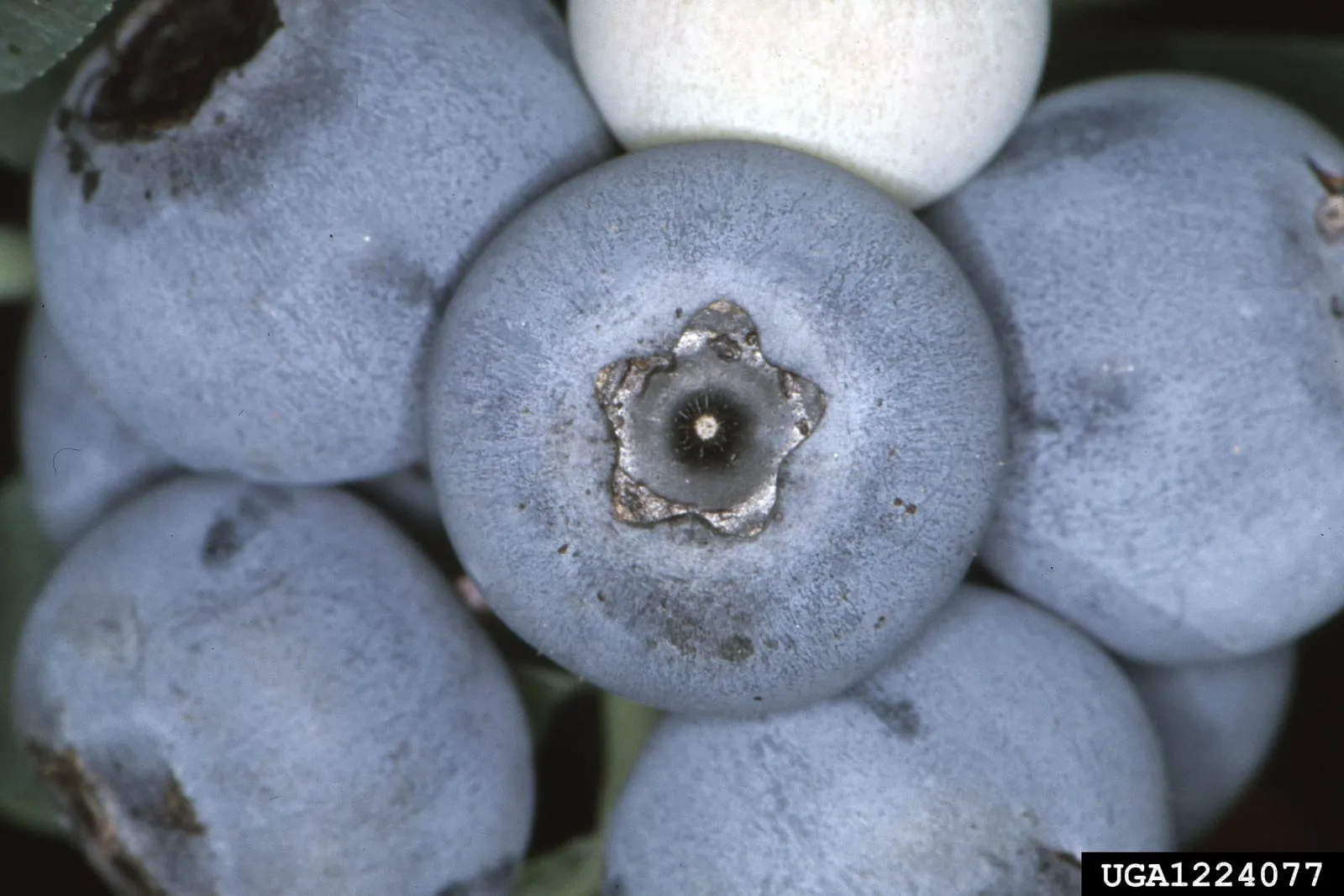
berry in zone 7b
Growing rabbiteye blueberry in zone 7b
Vaccinium virgatum
- Zone
- 7b 5°F to 10°F
- Growing season
- 220 days
- Chill needed
- 200 to 600 below 45°F
- Suitable varieties
- 5
- Days to harvest
- 70 to 100
The verdict
Rabbiteye blueberry is well-matched to zone 7b, which sits squarely within its native climate range. The species was developed for the southeastern United States, and zone 7b piedmont and coastal plain conditions reflect that breeding origin closely. Chill-hour requirements for rabbiteye cultivars range from 200 to 600 hours depending on variety, and zone 7b typically delivers 600 to 900 chilling hours in most winters, satisfying even mid-range cultivar requirements without difficulty.
This is not a marginal zone for rabbiteye blueberry. It is one of its best. Varieties like Tifblue and Premier were selected for exactly this climate. The 220-day growing season provides ample time for full fruit development and a long harvest window. Growers in zone 7b should expect reliable fruit set and strong productivity from established plantings, provided soil pH and cross-pollination requirements are addressed at planting time.
Recommended varieties for zone 7b
5 cultivars suited to this zone, with disease-resistance and zone-fit annotations.
| Variety | Notes | Zone fit | Disease resistance |
|---|---|---|---|
| Premier fits zone 7b | Sweet, mild, juicy with thick skin; fresh eating, freezing. Vigorous southern producer, early-mid season. Pollinizer for Tifblue. | | none noted |
| Tifblue fits zone 7b | Sweet-tart, firm, classic rabbiteye flavor; the southern industry standard, fresh and processing. Heavy producer, late-season. Long-lived. | | none noted |
| Powderblue fits zone 7b | Sweet-tart, firm, light dusty-blue berries with rich flavor; pairs with Tifblue for cross-pollination. Disease-resistant, productive. | | none noted |
| Climax fits zone 7b | Sweet, mild, medium berries; early-season for rabbiteye, ripens before most. Concentrated harvest window. Often used as Premier's pollinizer. | | none noted |
| Brightwell fits zone 7b | Sweet, balanced flavor, firm; widely planted southern cultivar with extended productivity. Drought-tolerant. | | none noted |
Critical timing for zone 7b
Rabbiteye blueberries in zone 7b typically bloom from late March through mid-April, with exact timing varying by cultivar and seasonal conditions. Zone 7b last frost dates generally fall in the same window, meaning bloom and late frost risk overlap. A hard freeze after full bloom can reduce fruit set substantially. Early-flowering cultivars like Climax carry higher frost exposure than later-blooming options such as Powderblue.
Harvest in zone 7b extends from mid-June through August, one of rabbiteye's notable advantages over northern highbush types. The staggered ripening window across cultivars means a mixed planting can supply fresh fruit for six weeks or more. Planting at least two varieties for cross-pollination is not optional with rabbiteye; single-variety plantings consistently underperform.
Common challenges in zone 7b
- ▸ Cedar-apple rust pressure heavy in piedmont
- ▸ Japanese beetles
- ▸ Brown marmorated stink bug
- ▸ Late summer disease pressure
Disease pressure to watch for
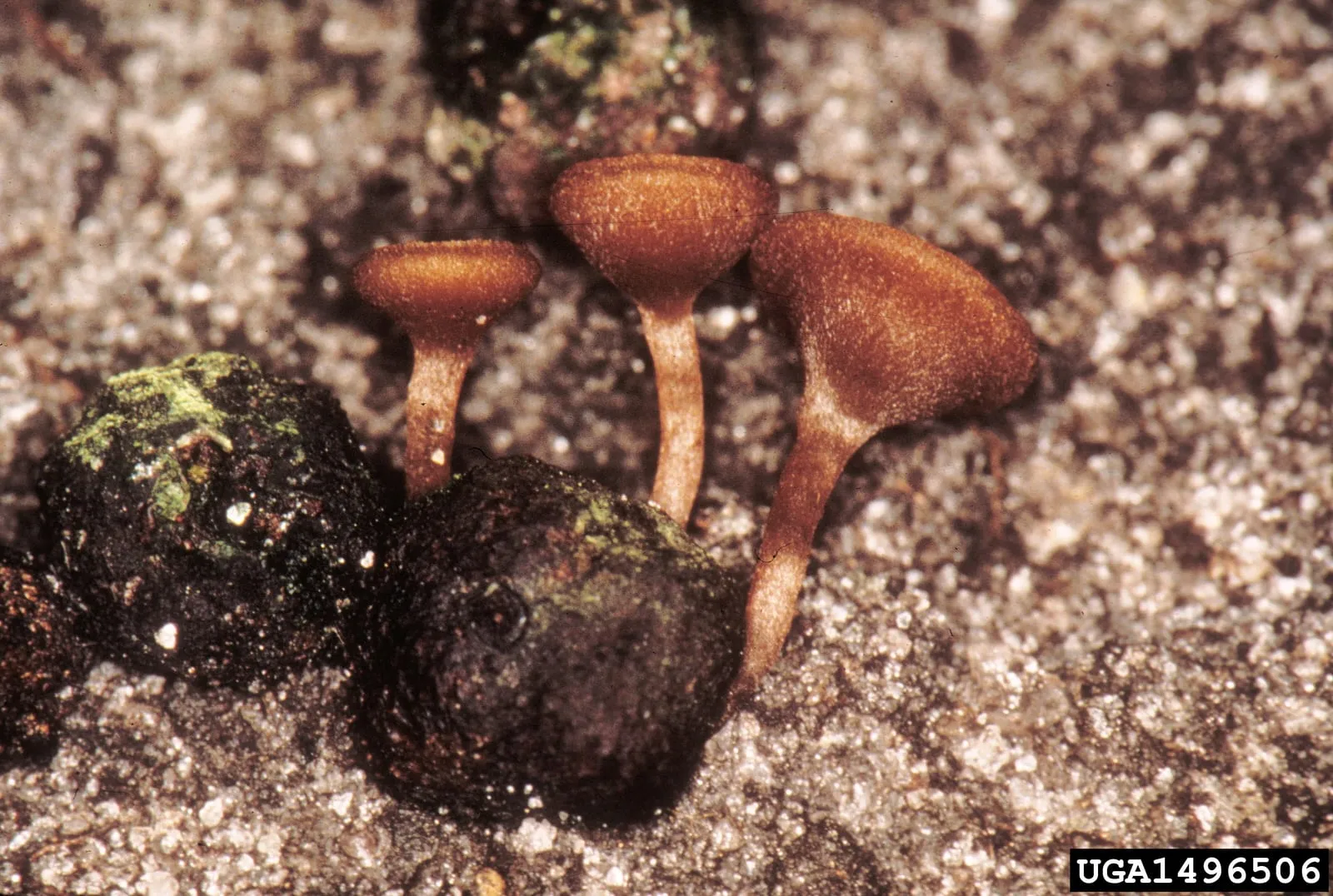
Monilinia vaccinii-corymbosi
The most damaging blueberry disease in the eastern US, killing shoots in spring and mummifying fruit later in the season.
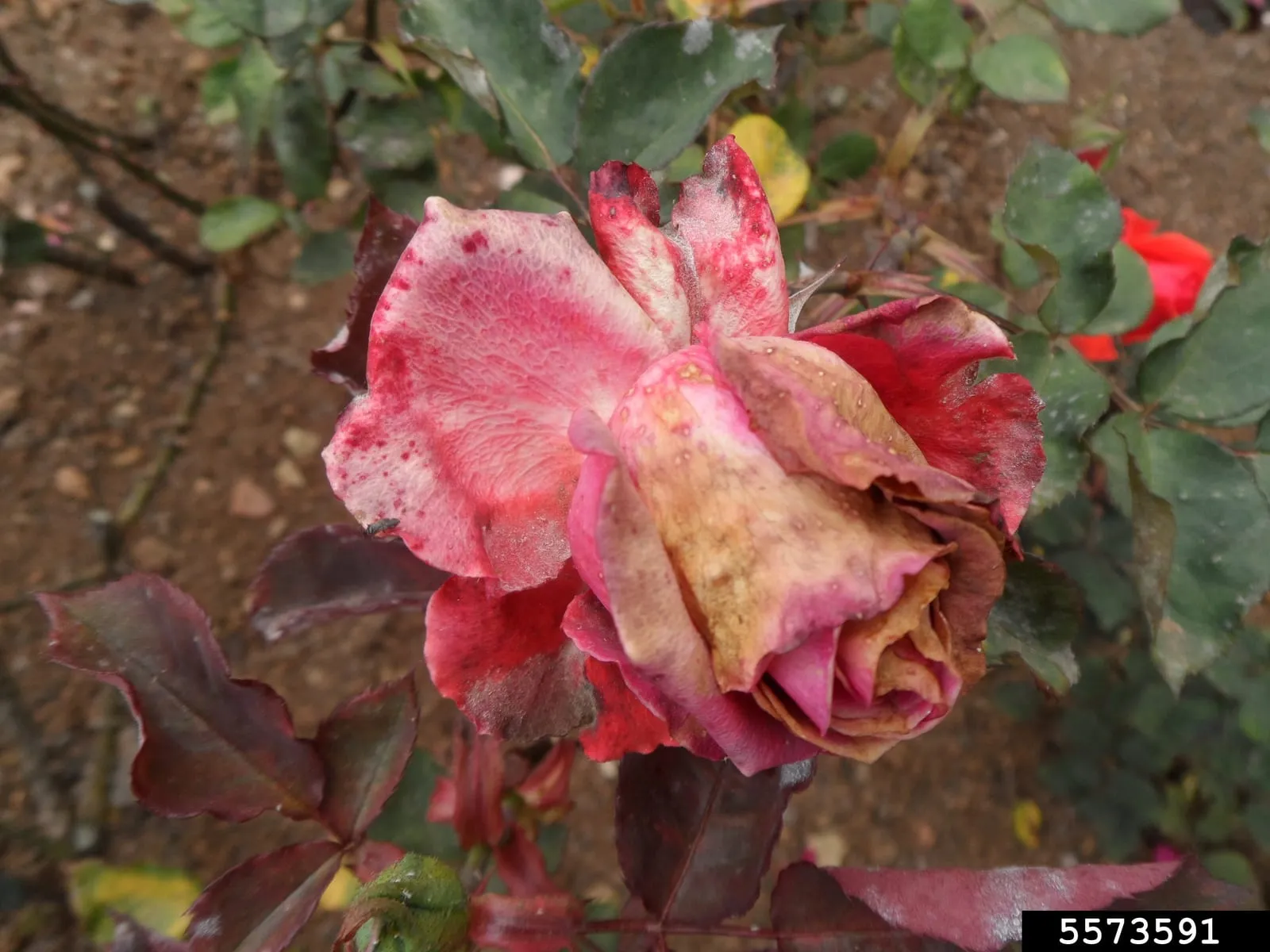
Botrytis cinerea
Ubiquitous fungal disease that causes fruit rot during cool wet weather, often the dominant berry disease in humid regions.
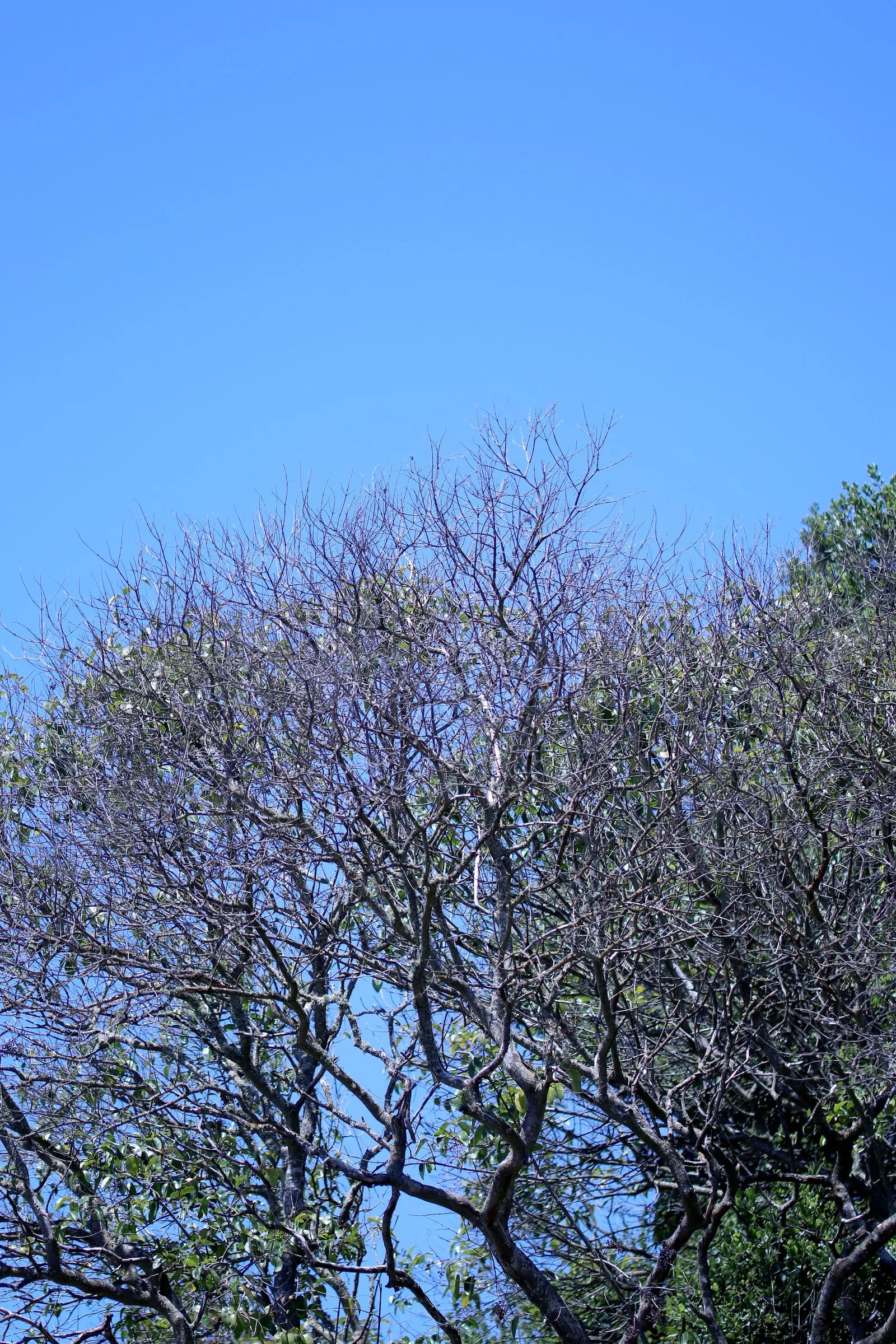
Phytophthora species
Soil-borne water mold that destroys roots in waterlogged soils, the leading cause of blueberry decline in poorly drained sites.
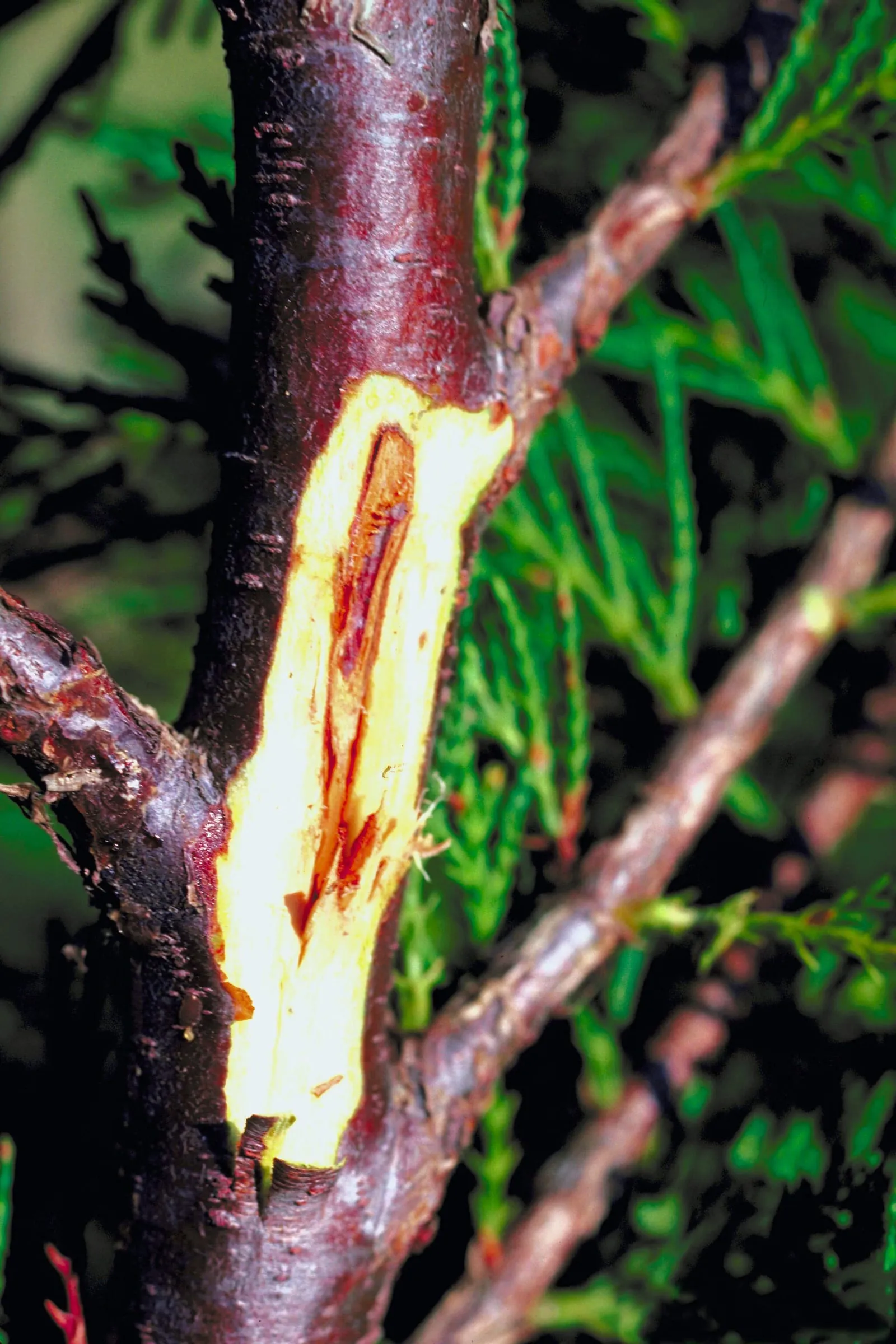
Botryosphaeria dothidea
Fungal disease that enters through wounds and kills entire stems or whole bushes, particularly damaging on young plantings in the southeastern US.
Modified care for zone 7b
Zone 7b's late summer heat and humidity elevate disease pressure compared to cooler parts of the rabbiteye range. Mummy Berry and Gray Mold (Botrytis) are most problematic during wet springs; annual pruning to maintain open canopy structure reduces infection rates. Blueberry Stem Blight spreads through pruning wounds, so tool sanitation between cuts is worth the habit.
Japanese beetles and brown marmorated stink bugs are persistent summer pests across the piedmont. Netting is the most reliable protection during peak pressure periods. Soil preparation is the biggest variable in zone 7b success: rabbiteye requires a pH of 4.0 to 5.5, and many native soils in the region need substantial sulfur amendments or acidified wood chip mulch before planting. Established plants handle zone 7b summers well but benefit from supplemental irrigation during the dry stretches common in July and August.
Frequently asked questions
- Do rabbiteye blueberries get enough chill hours in zone 7b?
Yes, reliably. Zone 7b delivers roughly 600 to 900 chilling hours in most winters, which covers the full 200 to 600 hour range that rabbiteye cultivars require. Chill-hour deficit is not a meaningful concern here.
- How many rabbiteye varieties should be planted for good fruit set?
At least two, preferably three. Rabbiteye blueberry is largely self-incompatible and cross-pollination between varieties increases berry size and yield significantly. Tifblue and Climax bloom simultaneously and are a commonly used pairing in zone 7b.
- When does rabbiteye blueberry harvest begin in zone 7b?
Mid-June for early cultivars, extending into August for late-ripening varieties. The staggered season is one of rabbiteye's practical advantages over highbush types, which have a more compressed harvest window.
- What soil pH is needed for rabbiteye blueberries?
A pH between 4.0 and 5.5 is required. Most zone 7b soils are too alkaline without amendment. Test before planting and incorporate sulfur or acidified organic mulch well ahead of establishing plants.
+−
+−
+−
+−
Rabbiteye Blueberry in adjacent zones
Image: "Vacciniumvirgatum", by Jerry A. Payne, USDA Agricultural Research Service, Bugwood.org, via Wikimedia Commons, licensed under CC-BY Source.

Related