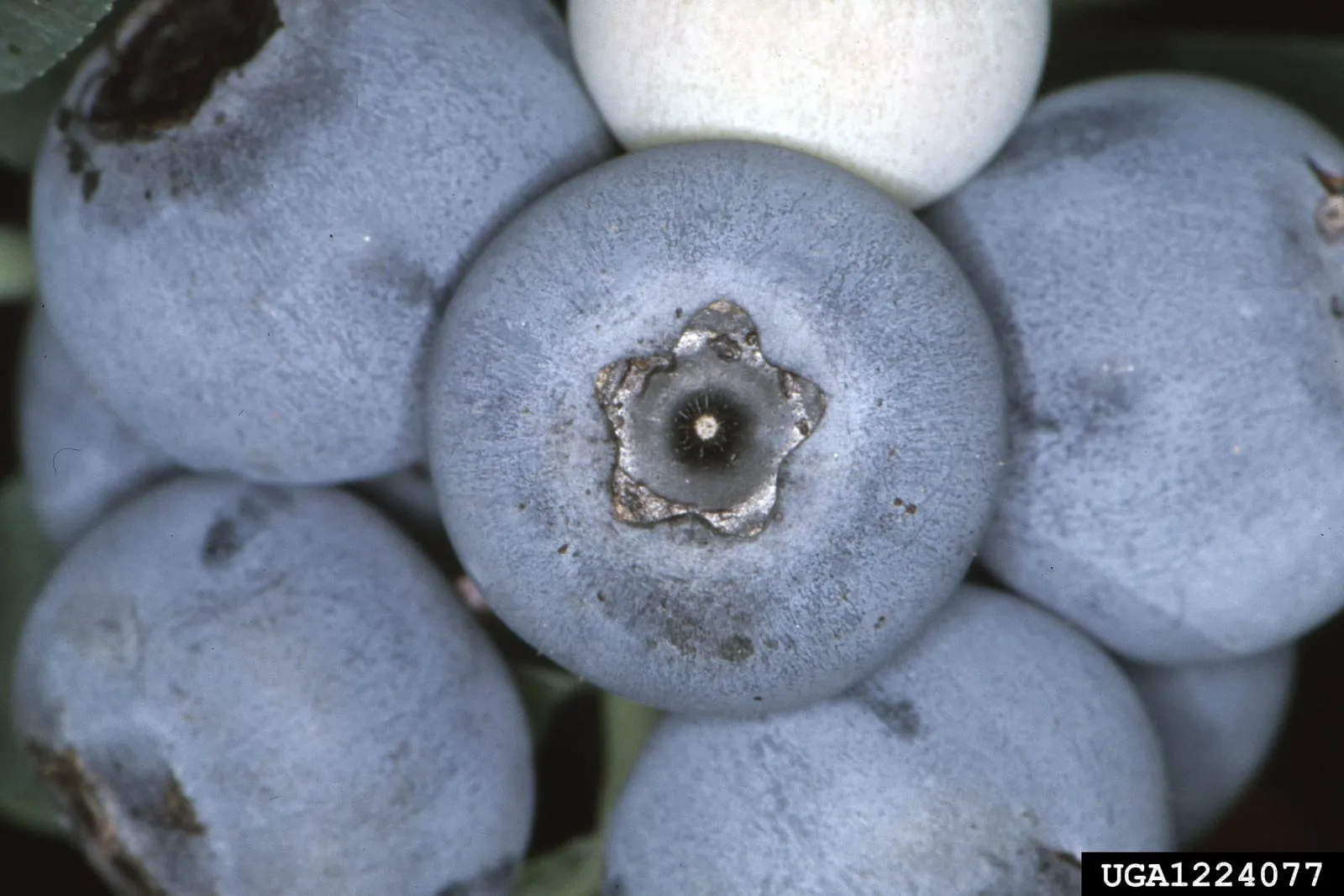
berry in zone 7a
Growing rabbiteye blueberry in zone 7a
Vaccinium virgatum
- Zone
- 7a 0°F to 5°F
- Growing season
- 210 days
- Chill needed
- 200 to 600 below 45°F
- Suitable varieties
- 5
- Days to harvest
- 70 to 100
The verdict
Zone 7a sits near the center of rabbiteye blueberry's native range, making it one of the more favorable zones for this species rather than a marginal one. With minimum winter temperatures of 0 to 5°F and a 210-day growing season, the zone comfortably satisfies the crop's 200- to 600-chill-hour requirement. Most zone 7a locations accumulate 500 to 800 chill hours in an average winter, which covers even the upper end of that range for standard varieties. Unlike northern highbush blueberries, which struggle when warm springs arrive early and summers run long and hot, rabbiteye tolerates the extended growing season that zone 7a delivers. The 210-day frost-free window also gives later-ripening selections like Tifblue and Powderblue adequate time to reach full maturity without race-against-frost pressure. The main constraints in zone 7a are not cold hardiness or chill accumulation but summer humidity and the fungal disease load that comes with it.
Recommended varieties for zone 7a
5 cultivars suited to this zone, with disease-resistance and zone-fit annotations.
| Variety | Notes | Zone fit | Disease resistance |
|---|---|---|---|
| Premier fits zone 7a | Sweet, mild, juicy with thick skin; fresh eating, freezing. Vigorous southern producer, early-mid season. Pollinizer for Tifblue. | | none noted |
| Tifblue fits zone 7a | Sweet-tart, firm, classic rabbiteye flavor; the southern industry standard, fresh and processing. Heavy producer, late-season. Long-lived. | | none noted |
| Powderblue fits zone 7a | Sweet-tart, firm, light dusty-blue berries with rich flavor; pairs with Tifblue for cross-pollination. Disease-resistant, productive. | | none noted |
| Climax fits zone 7a | Sweet, mild, medium berries; early-season for rabbiteye, ripens before most. Concentrated harvest window. Often used as Premier's pollinizer. | | none noted |
| Brightwell fits zone 7a | Sweet, balanced flavor, firm; widely planted southern cultivar with extended productivity. Drought-tolerant. | | none noted |
Critical timing for zone 7a
Rabbiteye blueberries typically break dormancy and begin flowering in late February to mid-March in zone 7a, which falls several weeks before the average last frost date. Depending on elevation and local topography within the zone, that frost window can extend into late March or early April, creating meaningful late-frost exposure during bloom. Early-flowering varieties like Climax and Premier carry higher frost risk than mid-season selections. Fruit set proceeds through April, and harvest begins in June for the earliest ripening varieties, extending into August for Tifblue and Powderblue. Planting two or more varieties with overlapping bloom periods improves cross-pollination and fruit set, and staggering ripening times spreads the harvest across the long zone 7a growing season.
Common challenges in zone 7a
- ▸ Cedar-apple rust
- ▸ Brown rot
- ▸ Fire blight
- ▸ High humidity disease pressure
Disease pressure to watch for
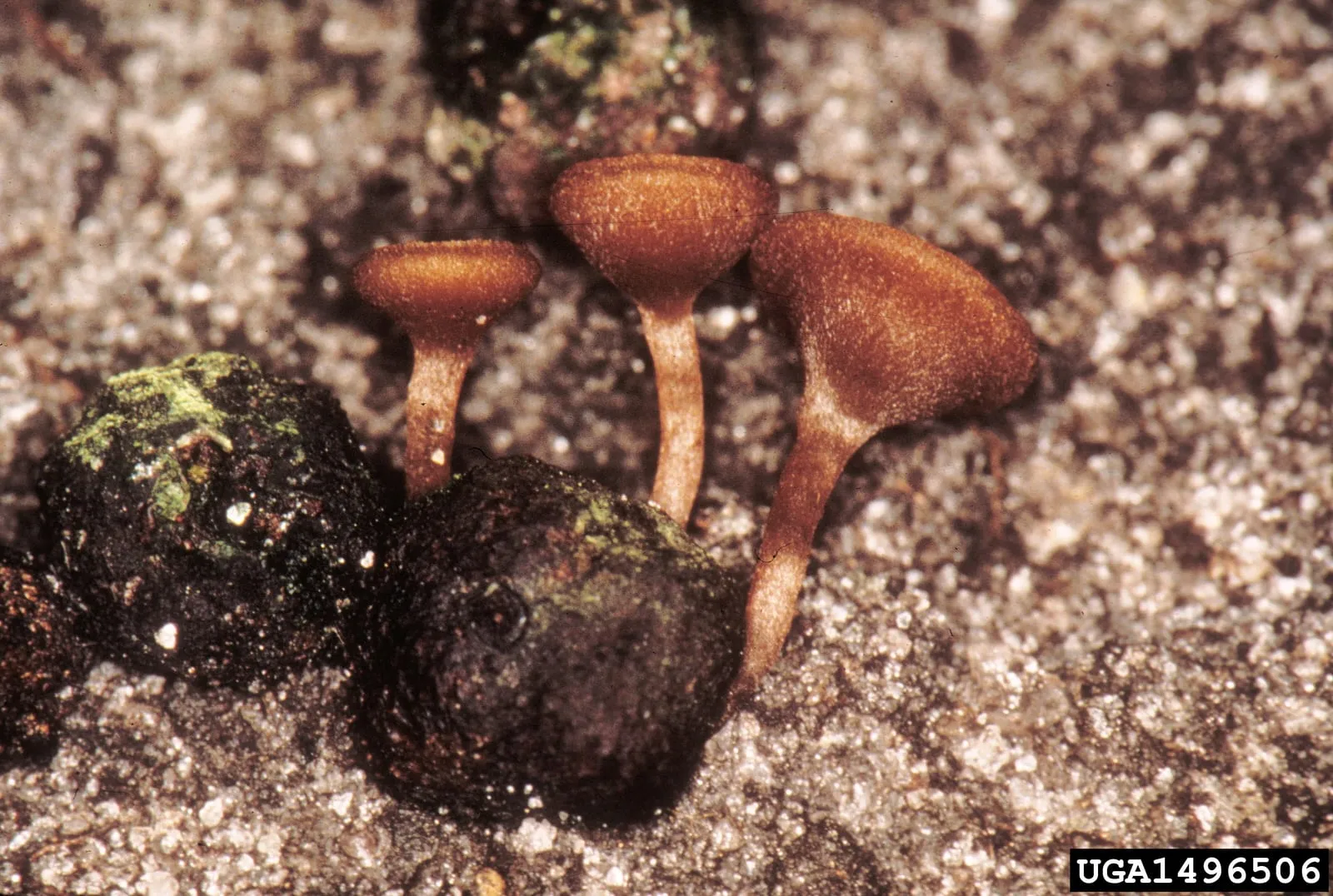
Monilinia vaccinii-corymbosi
The most damaging blueberry disease in the eastern US, killing shoots in spring and mummifying fruit later in the season.
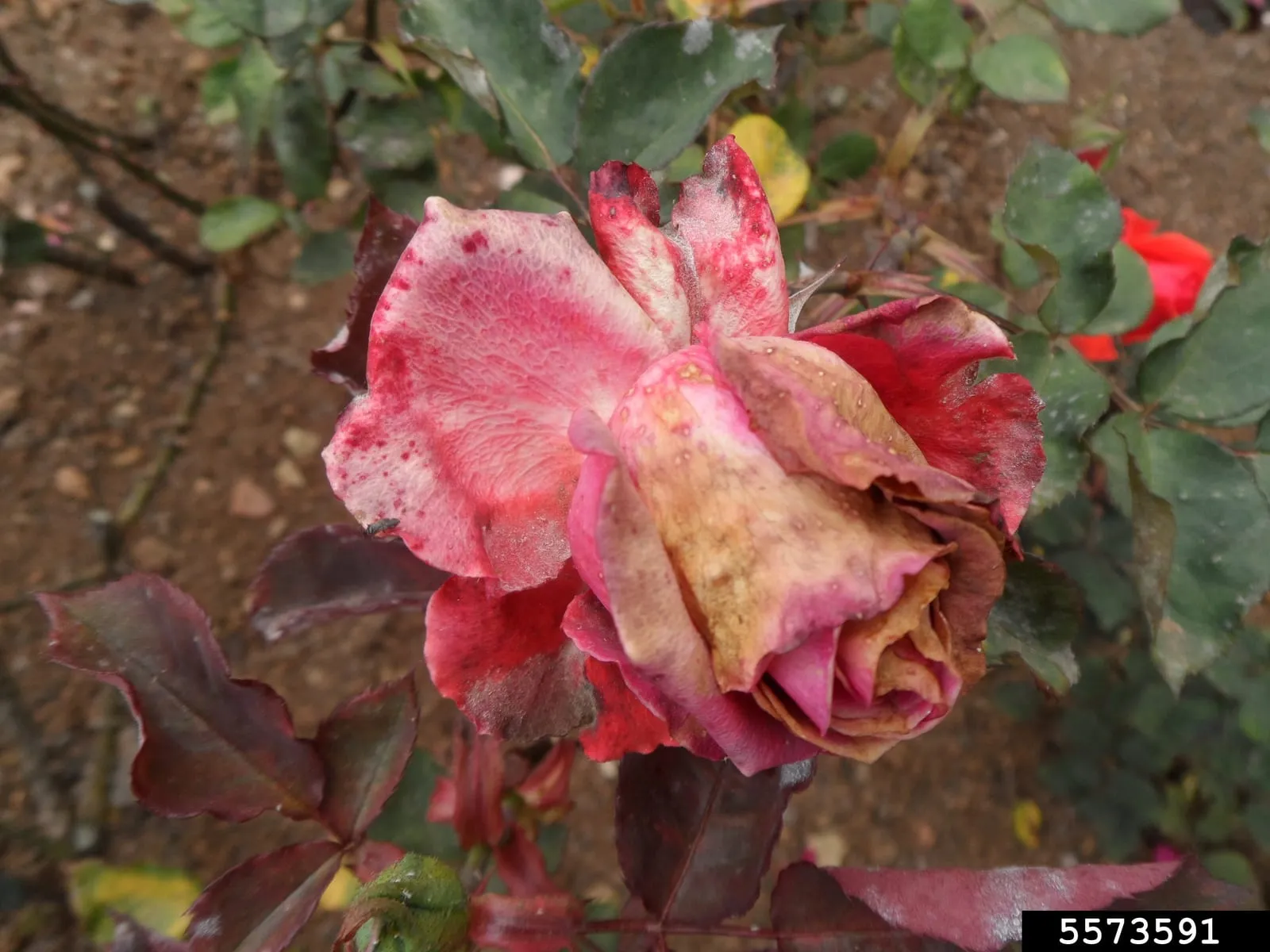
Botrytis cinerea
Ubiquitous fungal disease that causes fruit rot during cool wet weather, often the dominant berry disease in humid regions.
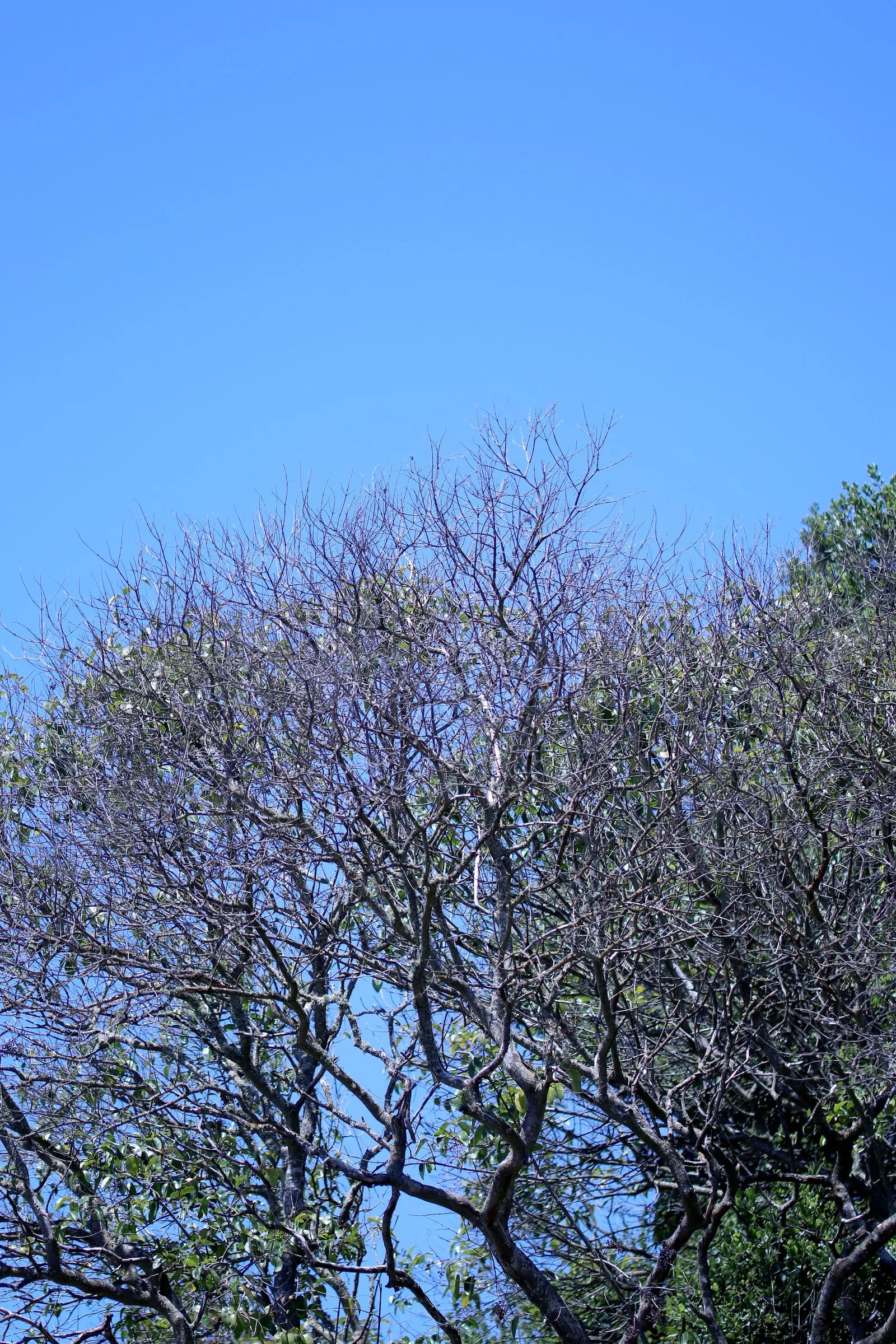
Phytophthora species
Soil-borne water mold that destroys roots in waterlogged soils, the leading cause of blueberry decline in poorly drained sites.
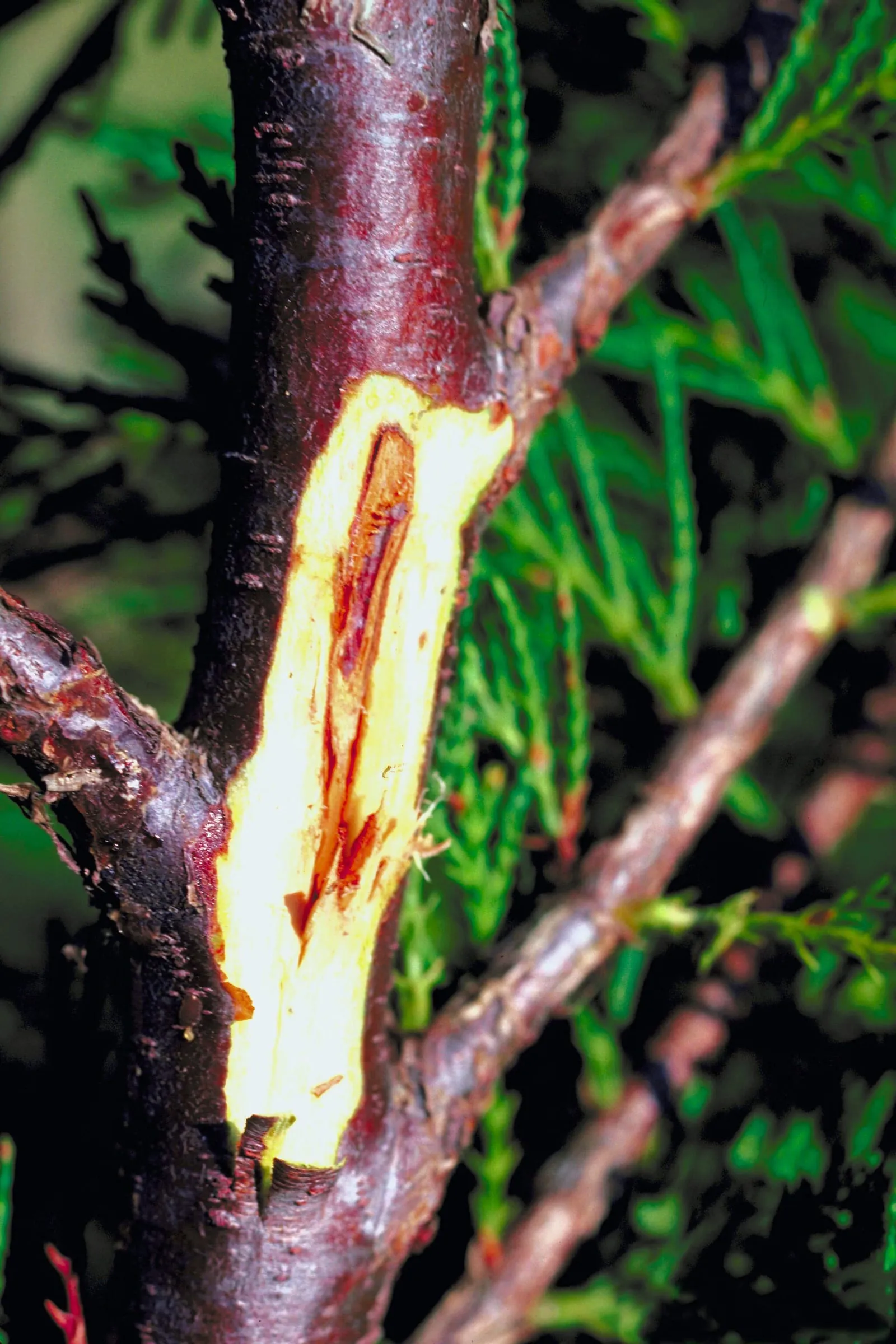
Botryosphaeria dothidea
Fungal disease that enters through wounds and kills entire stems or whole bushes, particularly damaging on young plantings in the southeastern US.
Modified care for zone 7a
The primary care adjustment in zone 7a is managing fungal disease under high-humidity conditions. Mummy Berry (Monilinia vaccinii-corymbosi) overwinters in infected mummies on the soil surface; applying a fresh 3- to 4-inch layer of pine bark or pine needle mulch before bloom significantly reduces ascospore dispersal. Gray Mold (Botrytis) pressure increases during wet spring weather; adequate plant spacing for airflow and prompt removal of spent flower clusters limit infection sites. Blueberry Stem Blight (Botryosphaeria dothidea) enters through wounds and stress points, so pruning should be done with clean cuts during dry periods rather than wet ones. Late-frost protection during the bloom window, whether frost cloth or overhead irrigation, is worth having available for early-flowering varieties given the gap between bloom onset and reliable last-frost dates in this zone.
Frequently asked questions
- Do rabbiteye blueberries need a pollinator partner in zone 7a?
Yes. Rabbiteye blueberries are self-incompatible and require cross-pollination from a second variety to set adequate fruit. Planting at least two varieties with overlapping bloom periods, such as Premier and Tifblue or Climax and Powderblue, is standard practice regardless of zone.
- Which rabbiteye varieties perform best in zone 7a?
Brightwell, Powderblue, and Tifblue are well-documented performers across the zone 7a Southeast. Premier and Climax ripen earlier but carry more late-frost risk. Variety performance can shift noticeably between a sheltered lowland site and a hillside location within the same zone.
- How do I prevent Mummy Berry in a zone 7a blueberry planting?
Removing or burying old mummified fruit before spring and renewing mulch to a depth of 3 to 4 inches before bloom are the most effective cultural controls. Fungicide applications timed to early shoot emergence offer additional protection in high-pressure sites, but mulch alone reduces infection significantly.
+−
+−
+−
Rabbiteye Blueberry in adjacent zones
Image: "Vacciniumvirgatum", by Jerry A. Payne, USDA Agricultural Research Service, Bugwood.org, via Wikimedia Commons, licensed under CC-BY Source.

Related