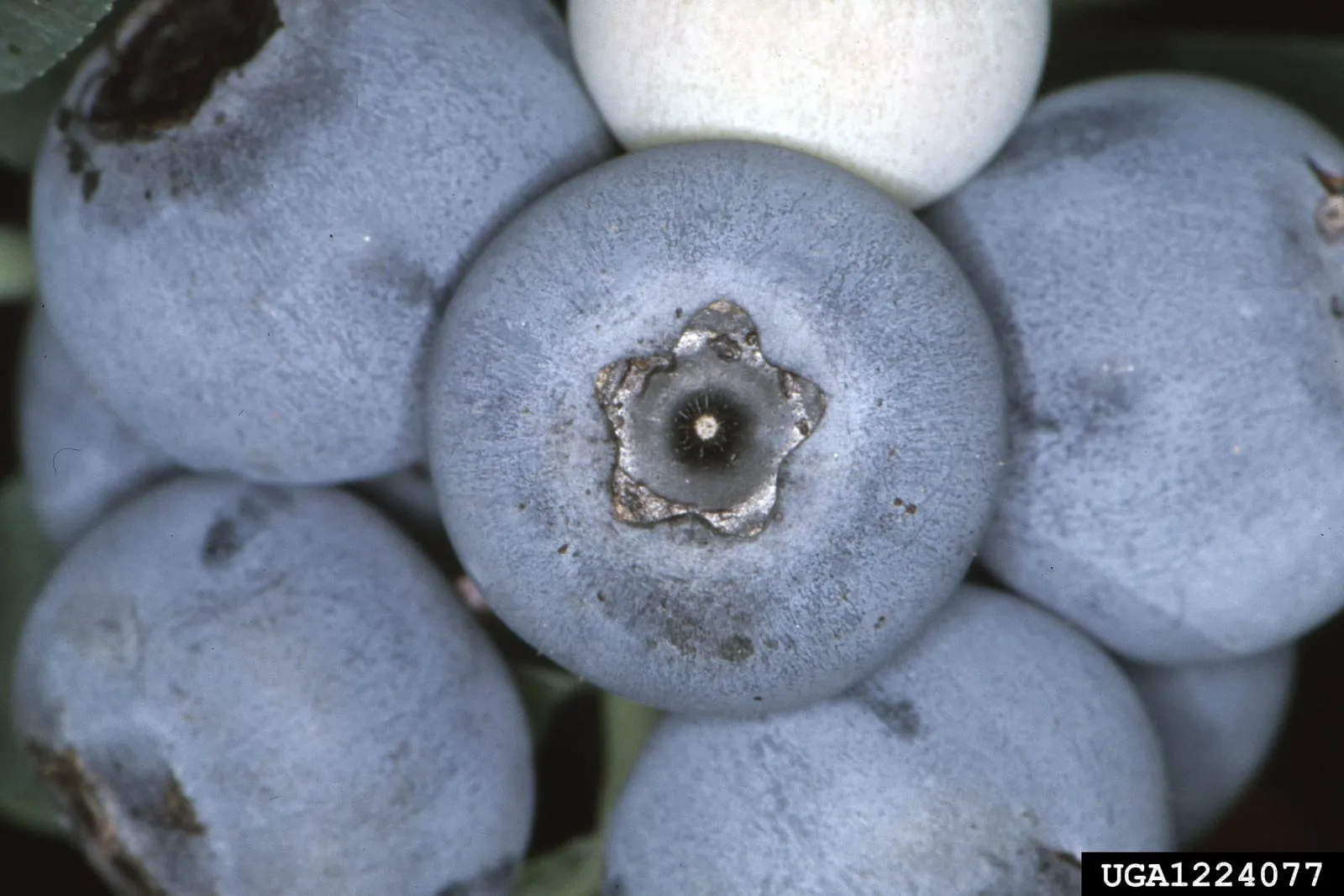
berry
Rabbiteye Blueberry
Vaccinium virgatum
USDA hardiness range
- Zones
- 7a–9a
- Chill hours
- 200 to 600 below 45°F
- Days to harvest
- 70 to 100
- Sun
- Full
- Water
- Moderate
- Lifespan
- 30 to 50 years
Growing rabbiteye blueberry
Rabbiteye blueberry is the primary choice for zones 7a through 9a, where northern highbush varieties falter from insufficient dormancy or excessive summer heat. The relatively low chill-hour requirement (200 to 600 hours below 45°F depending on variety) allows plants to complete dormancy in regions where winters are mild, which is the core reason this species dominates commercial and home production across the Gulf South and Southeast.
What separates productive plantings from failed ones is nearly always pollination. Rabbiteye blueberries are not meaningfully self-fertile. A single-variety planting produces negligible fruit. At minimum, two cross-compatible varieties with overlapping bloom periods should be planted within 50 feet of each other. The standard approach pairs the late-season workhorse Tifblue with an early or mid-season variety such as Premier or Powderblue.
The species tolerates heat, drought, and upland sandy soils that would stress southern highbush or northern highbush, giving it a genuine advantage across much of the Southeast. The tradeoff is that rabbiteye requires correct soil pH (4.5 to 5.3) and adequate cross-pollination, and skimping on either produces plants that survive but never really produce. With both conditions met, established plants commonly bear for 30 to 50 years.
Recommended varieties
See all 5 →5 cultivars for home growers, with notes on flavor, ripening, and disease resistance.
| Variety | Notes | Zone fit | Disease resistance |
|---|---|---|---|
| Premier | Sweet, mild, juicy with thick skin; fresh eating, freezing. Vigorous southern producer, early-mid season. Pollinizer for Tifblue. | | none noted |
| Tifblue | Sweet-tart, firm, classic rabbiteye flavor; the southern industry standard, fresh and processing. Heavy producer, late-season. Long-lived. | | none noted |
| Powderblue | Sweet-tart, firm, light dusty-blue berries with rich flavor; pairs with Tifblue for cross-pollination. Disease-resistant, productive. | | none noted |
| Climax | Sweet, mild, medium berries; early-season for rabbiteye, ripens before most. Concentrated harvest window. Often used as Premier's pollinizer. | | none noted |
| Brightwell | Sweet, balanced flavor, firm; widely planted southern cultivar with extended productivity. Drought-tolerant. | | none noted |
Soil and site requirements
Soil pH is the non-negotiable starting point. Rabbiteye blueberry performs best in soil with pH between 4.5 and 5.3. Most garden soils across the Southeast test between 5.5 and 7.0, so amendment is usually required before planting. Elemental sulfur is the standard correction; rates depend on current pH, target pH, and soil texture. Apply based on a soil test and allow 12 to 18 months for the adjustment to complete. Peat moss alone is insufficient to achieve and maintain target pH across the full life of a planting.
Drainage is nearly as important as pH. Rabbiteye tolerates drier upland conditions better than highbush species, but will not survive waterlogged roots. Sites with slow-draining subsoil benefit from raised beds or mounded rows. Incorporating organic matter (rotted wood chips, pine bark) improves moisture retention in sandy soils and helps sustain the acidic conditions the species requires.
Full sun (6 or more hours of direct sun per day) is required for productive crops. Partial shade cuts yield noticeably and increases disease pressure by slowing canopy drying after rain. Plant spacing of 6 to 8 feet within rows and 10 to 12 feet between rows accommodates mature plant size; rabbiteye plants commonly reach 6 to 10 feet tall without regular pruning.
Common diseases
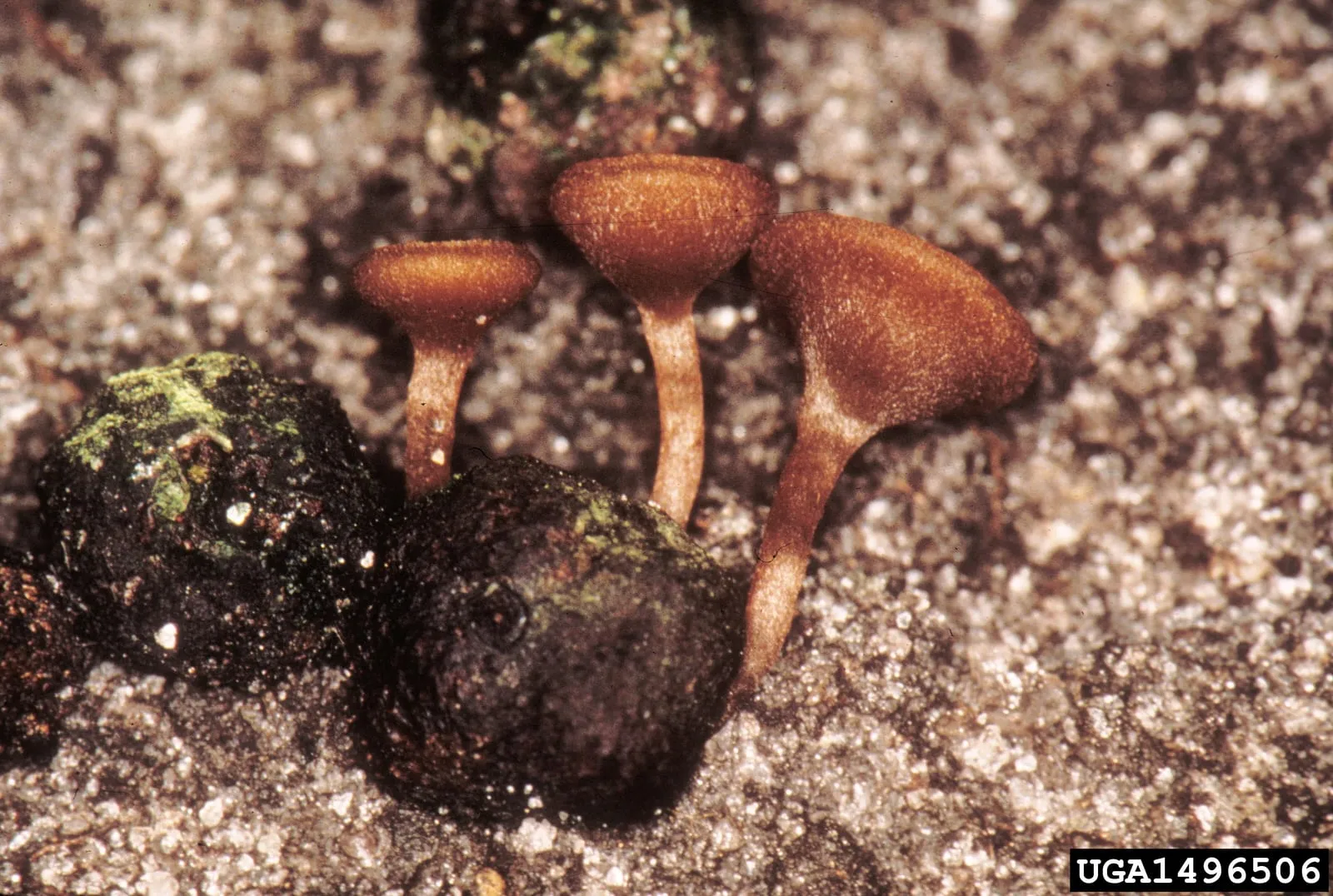
Monilinia vaccinii-corymbosi
The most damaging blueberry disease in the eastern US, killing shoots in spring and mummifying fruit later in the season.
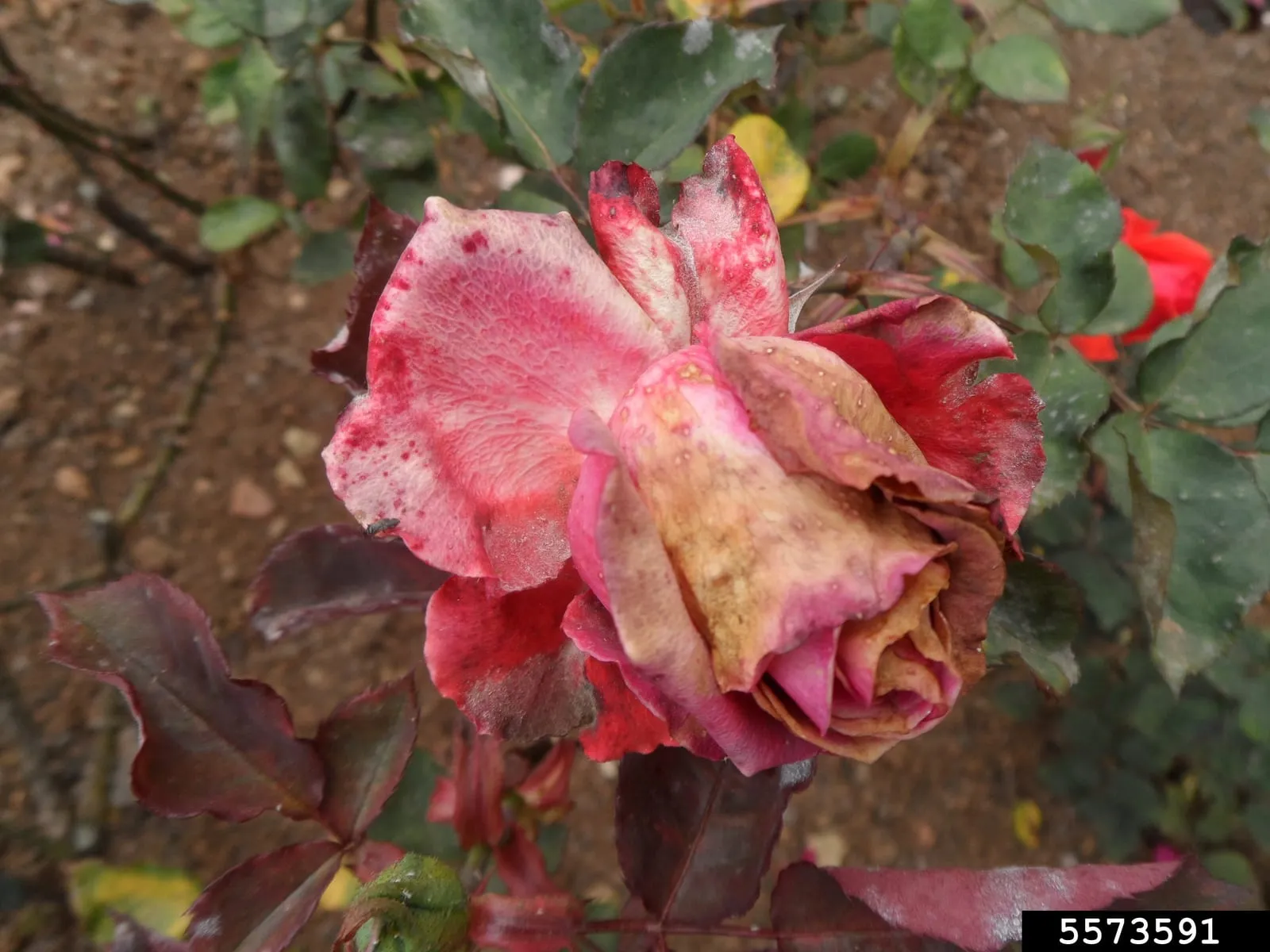
Botrytis cinerea
Ubiquitous fungal disease that causes fruit rot during cool wet weather, often the dominant berry disease in humid regions.
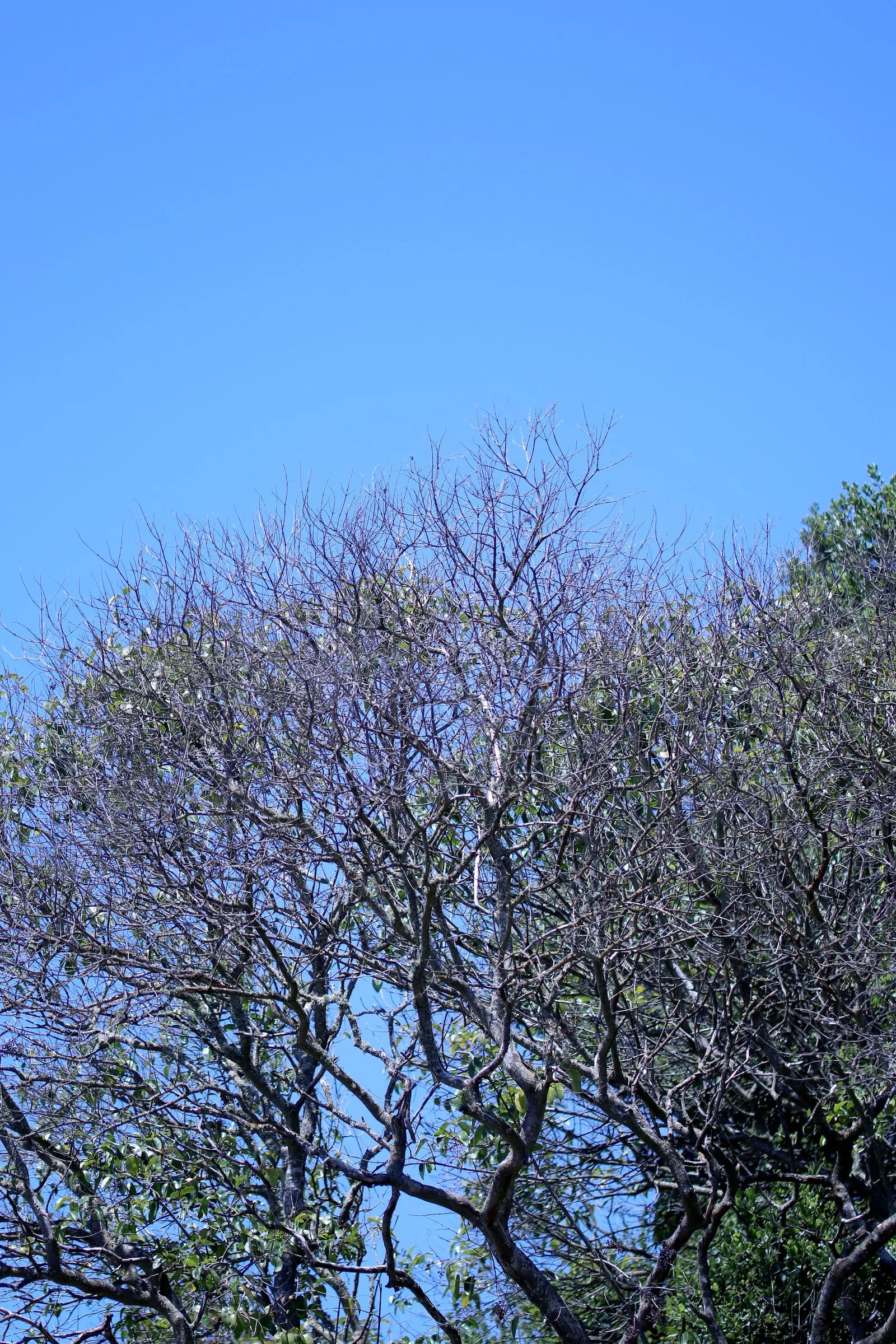
Phytophthora species
Soil-borne water mold that destroys roots in waterlogged soils, the leading cause of blueberry decline in poorly drained sites.
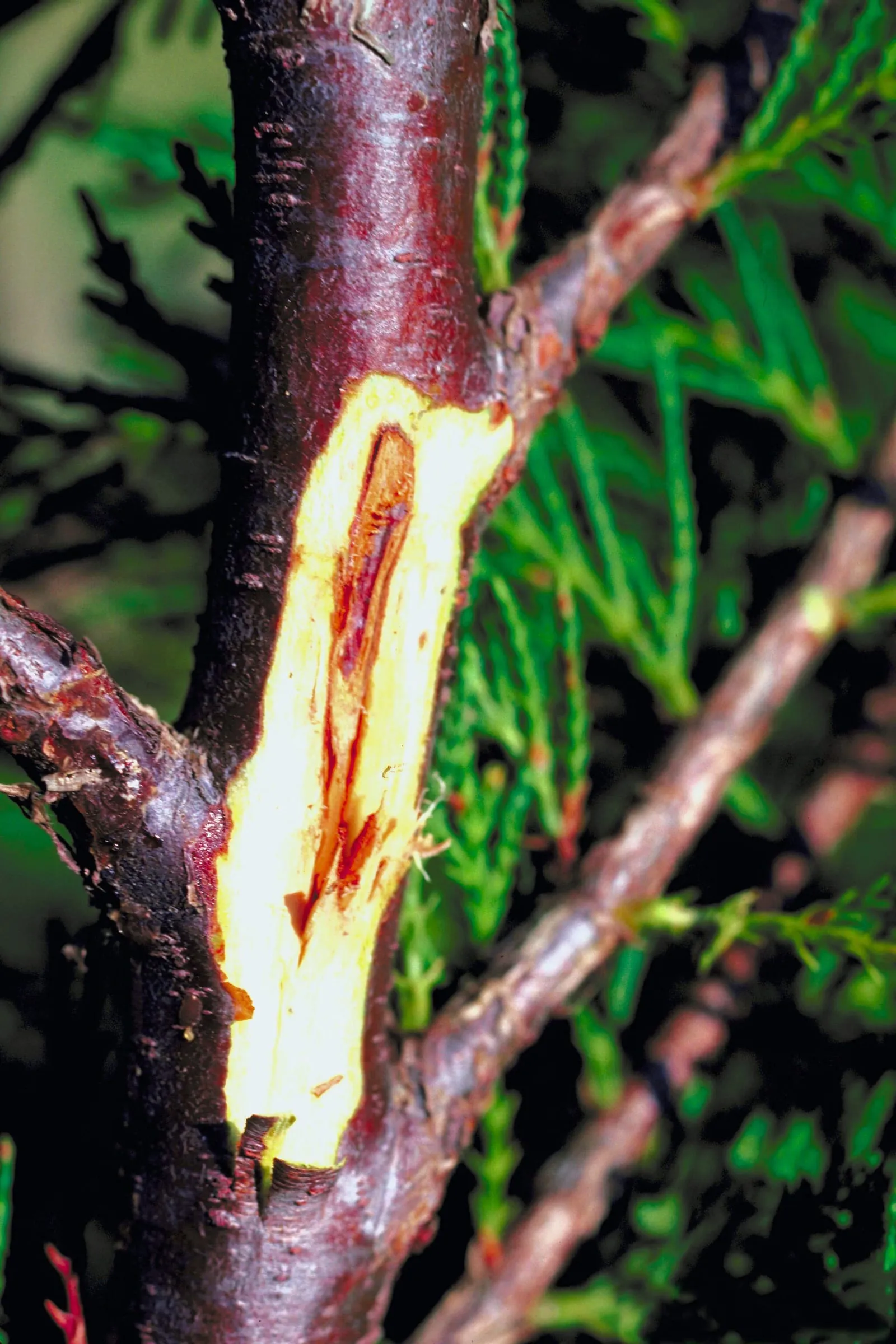
Botryosphaeria dothidea
Fungal disease that enters through wounds and kills entire stems or whole bushes, particularly damaging on young plantings in the southeastern US.
Common pests
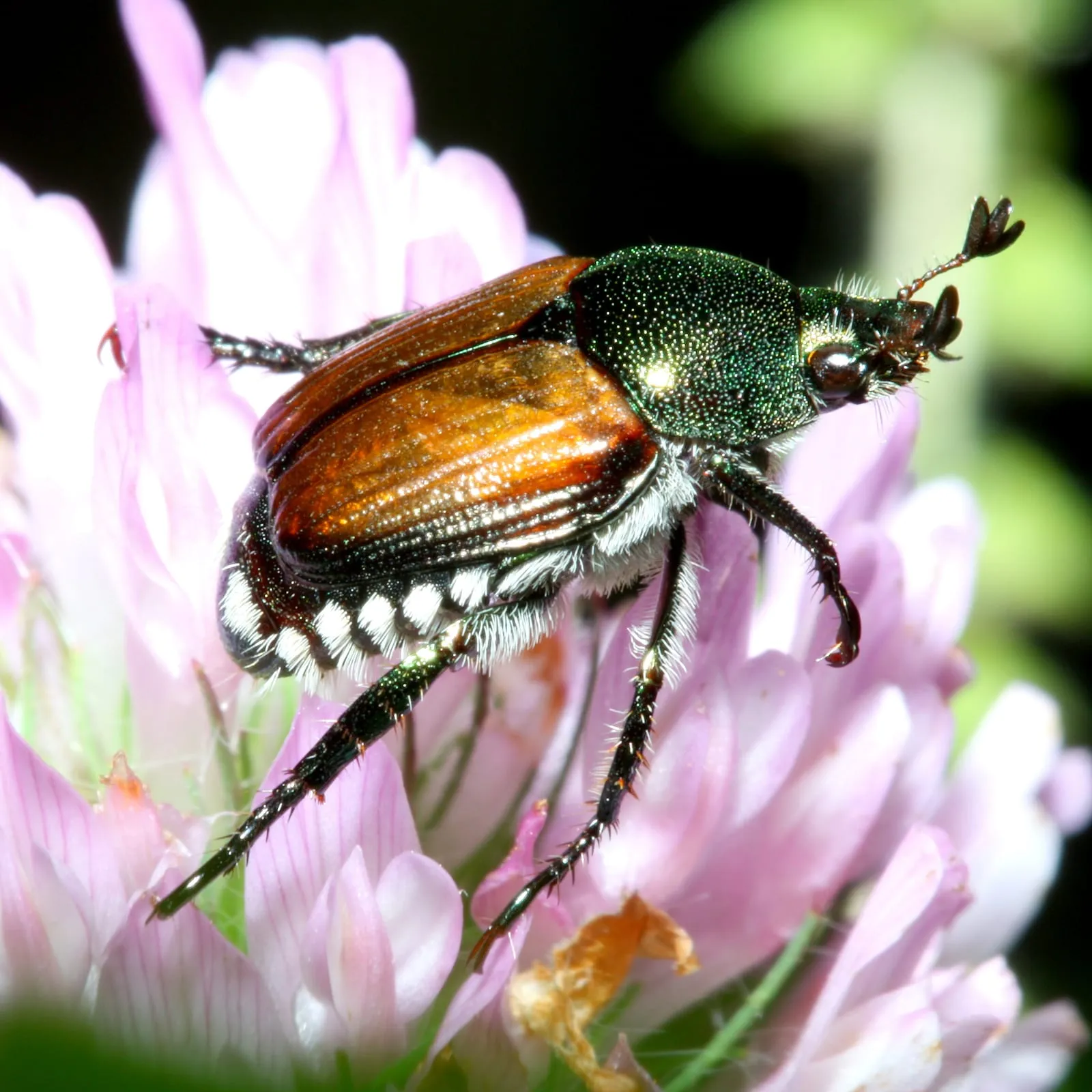
Popillia japonica
Defoliating beetle introduced to North America in 1916. Skeletonizes leaves of many fruit trees, berry canes, and pecan.
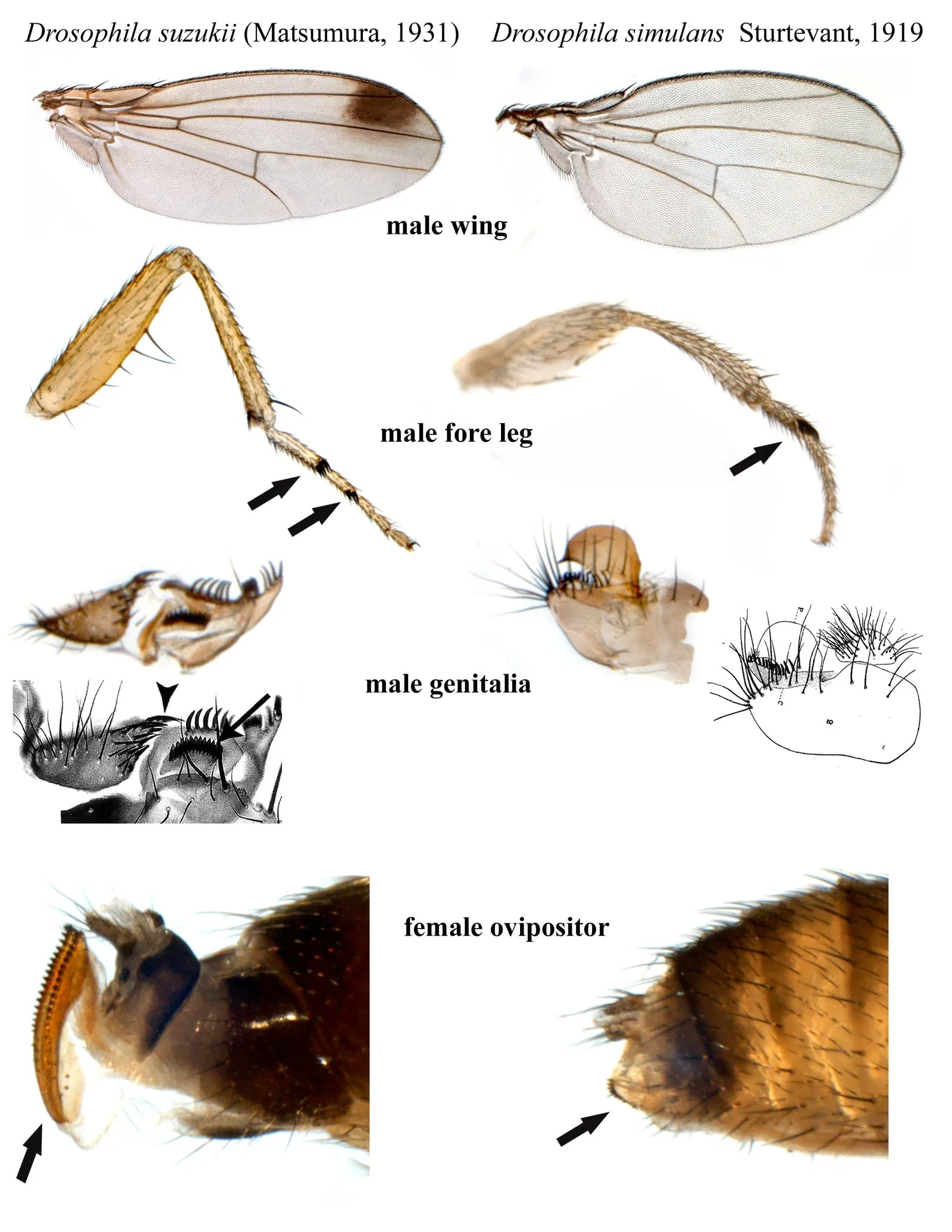
Drosophila suzukii
Invasive vinegar fly that attacks ripening soft fruit, unlike native Drosophila species which target overripe fruit. Now the dominant berry-and-cherry pest across the US.
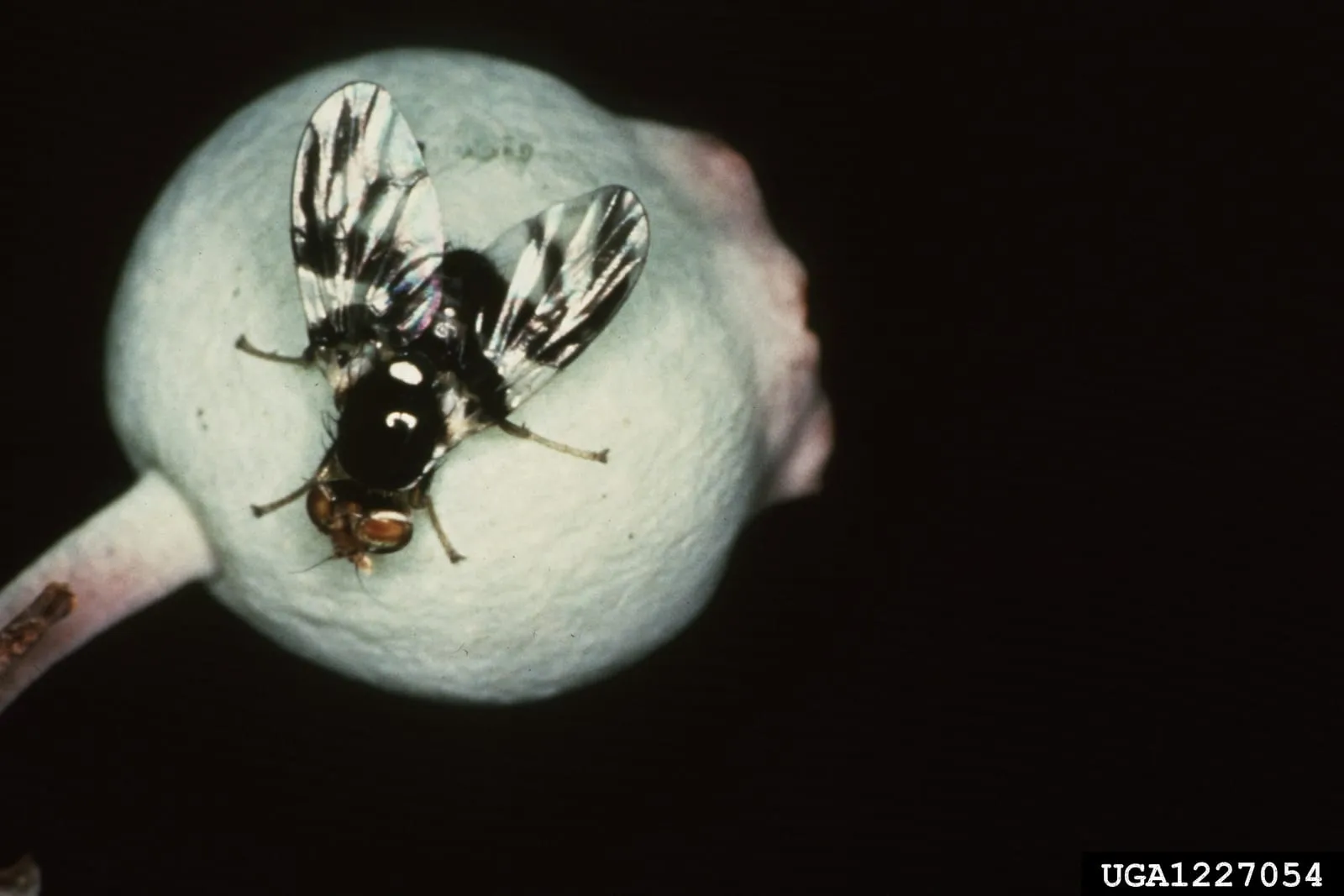
Rhagoletis mendax
Native fruit fly whose larvae develop inside blueberries, the primary fresh-market quality concern in eastern North America.
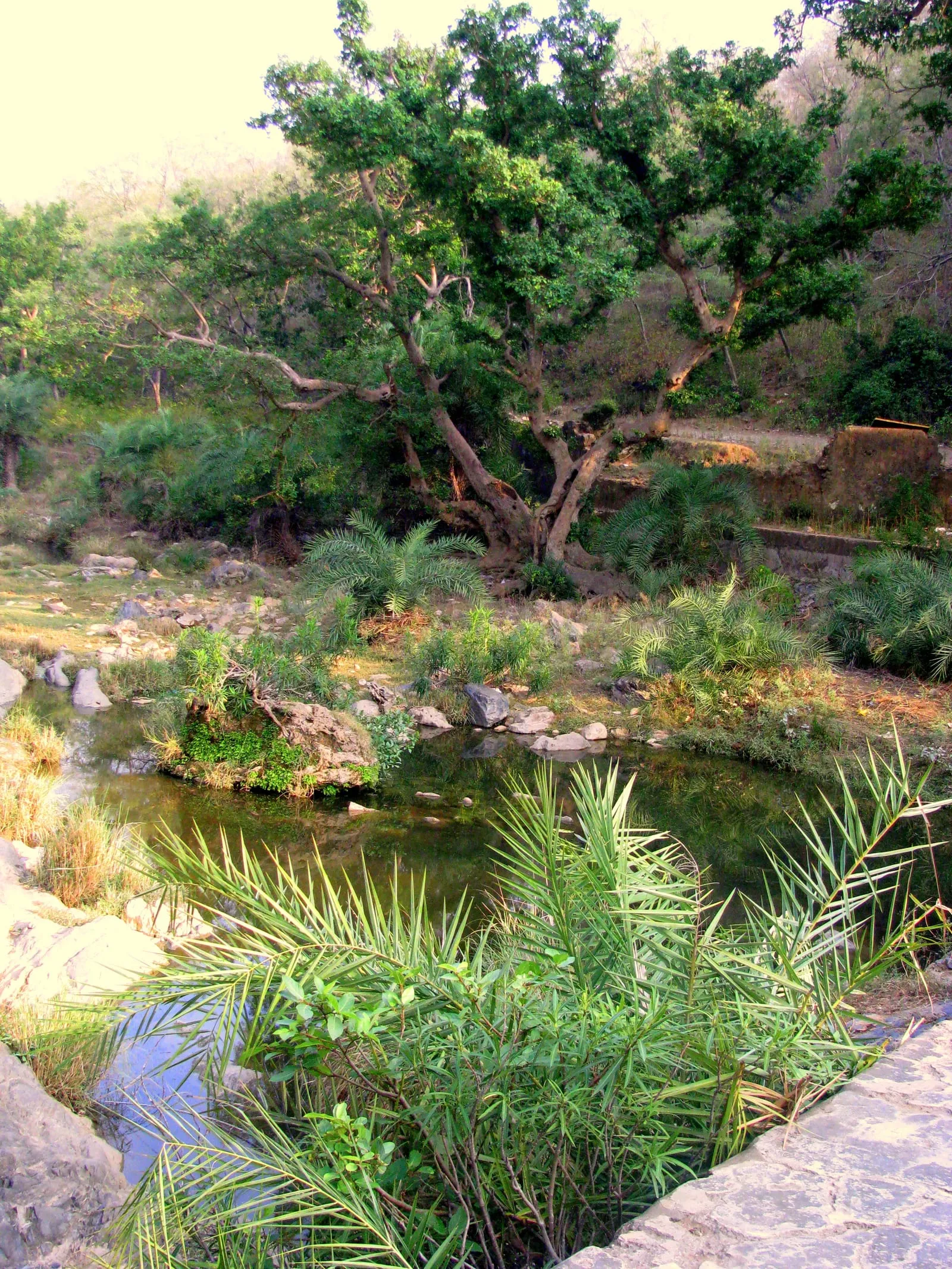
Multiple species
Robins, catbirds, mockingbirds, starlings, cedar waxwings and other songbirds can strip ripening berry and fruit crops in days. Crows and blackbirds also damage fresh sweet corn ears in milk stage. The single biggest yield-loss factor in unprotected home plantings.
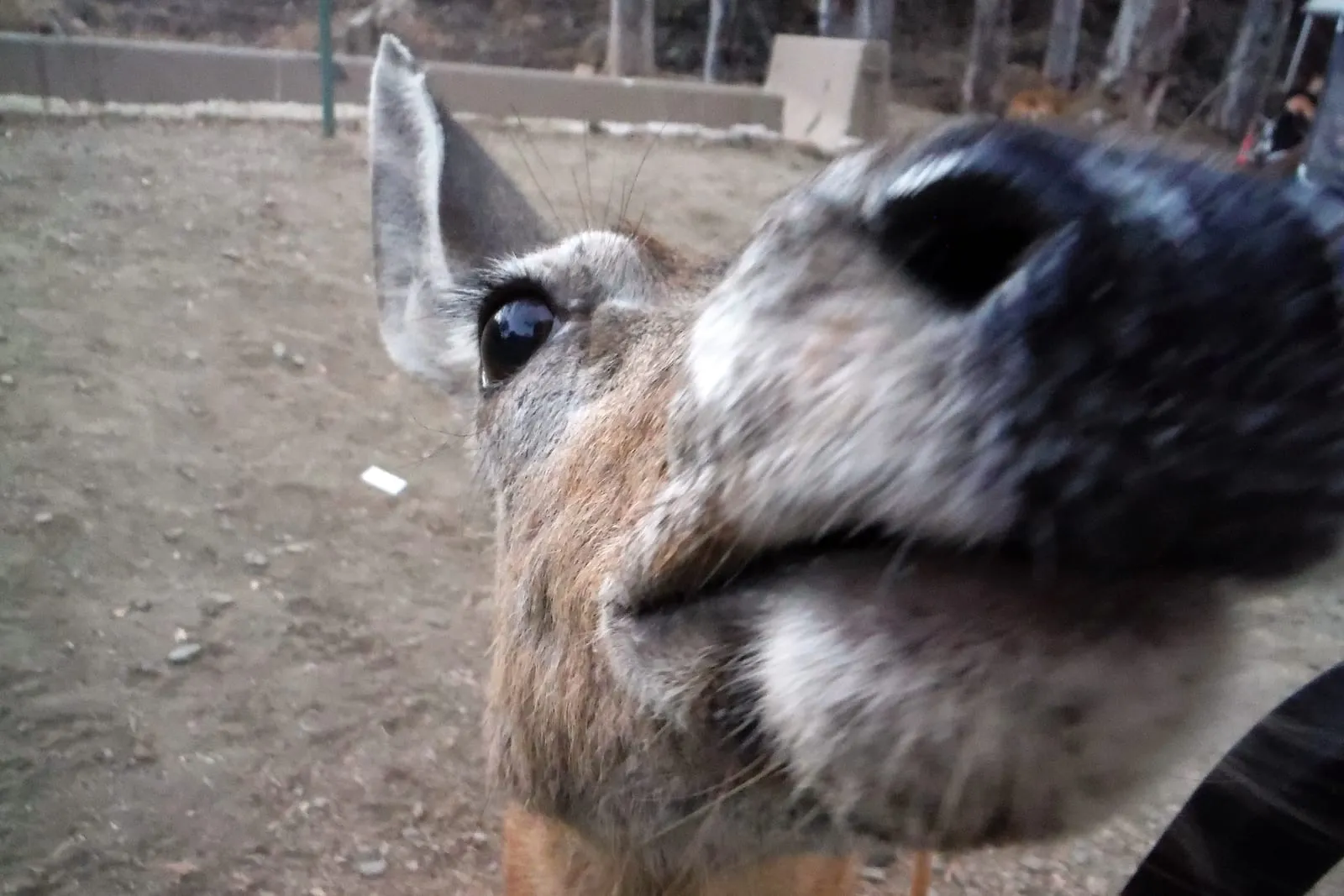
Odocoileus species
Whitetail and mule deer browse can devastate orchards and gardens, particularly in winter when food is scarce. Antler rub on young trunks kills saplings outright.
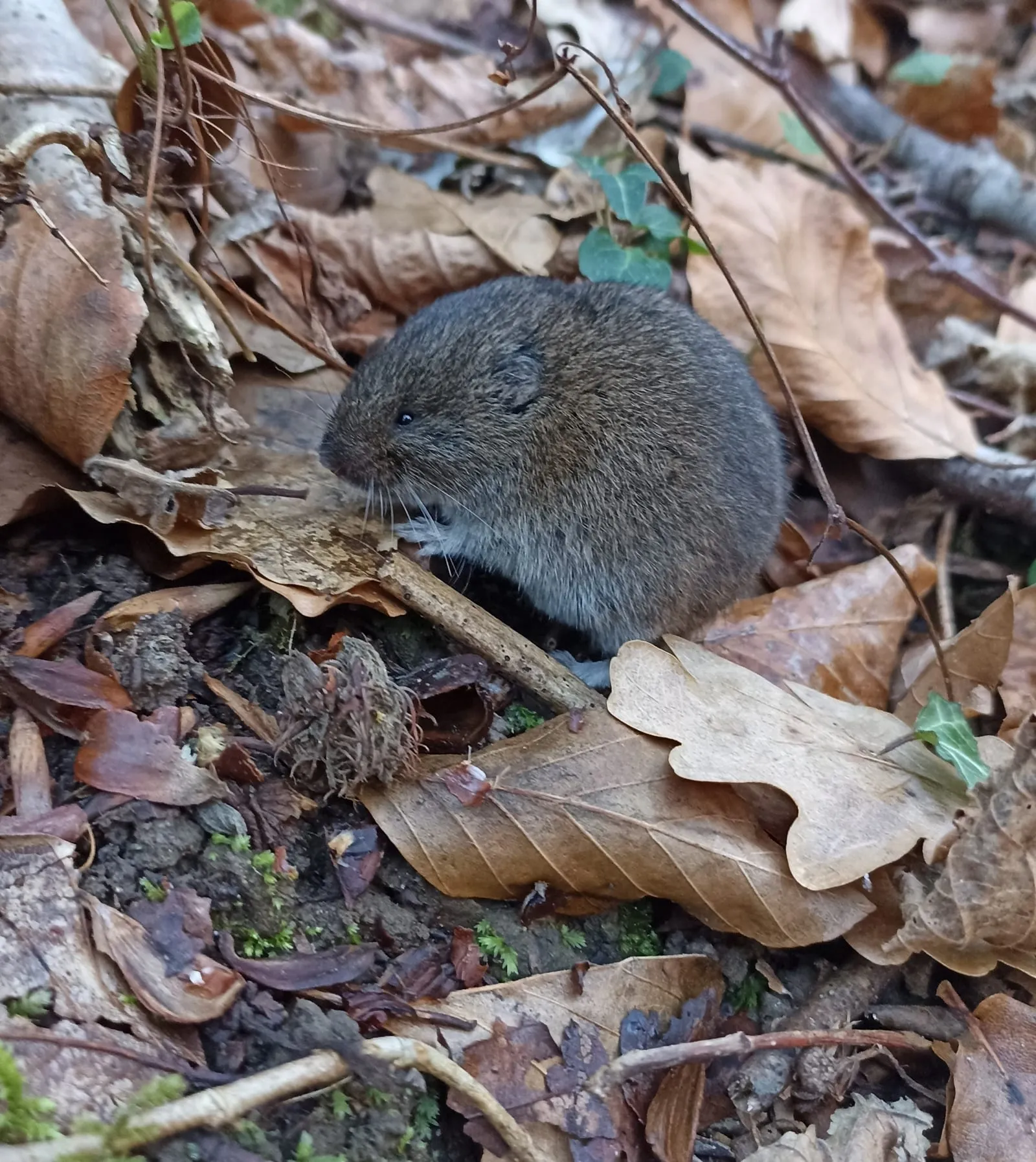
Microtus species
Field voles and meadow voles girdle young fruit-tree trunks under snow cover during winter and chew root crops. The leading cause of mysterious orchard losses.
Common challenges
The most common failure mode for home growers is planting a single rabbiteye variety and expecting a usable crop. Rabbiteye blueberries require cross-pollination between at least two compatible varieties for productive fruiting. A solo planting may set a minimal crop, but yields increase substantially when a second variety with an overlapping bloom period is present. Mismatched bloom windows (pairing two early-season varieties with two late-season ones, for example) reduce effectiveness even when plants are physically adjacent.
Soil pH mismanagement is the second consistent cause of poor performance. Plants installed in unamended soil with pH above 5.5 commonly show iron chlorosis (yellowing foliage), weak growth, and declining yield over several seasons. Testing pH before planting and retesting annually for the first few years is standard practice. Once established in correctly acidic soil, rabbiteye plants are tolerant of other stresses, including heat and periodic drought.
Spotted Wing Drosophila (SWD) has become a significant pressure for late-season varieties across the Southeast. This invasive fruit fly lays eggs inside ripening fruit, rendering berries unusable within days of infestation. Monitoring with sticky traps, timely netting at ripening, and where warranted, targeted insecticide applications at peak ripening are the primary management tools. The UGA Rabbiteye Blueberry Production guide covers the full IPM framework for this species.
Companion plants
Frequently asked questions
- What chill hours does rabbiteye blueberry require?
Requirements vary by variety, ranging from roughly 200 to 600 hours below 45°F. Lower-chill varieties such as Premier are suited to the warmest parts of zones 8b and 9a, while higher-chill selections such as Tifblue perform best in zones 7a through 8a where winter accumulation is more reliable.
- How long does it take rabbiteye blueberry to produce fruit?
Individual berries ripen 70 to 100 days after flowering depending on variety and temperature. From transplant, most plantings see modest yields by year three to four, with full production by year six to eight. Early-season varieties such as Premier ripen before late-season selections such as Tifblue, which extends the harvest window when multiple varieties are planted.
- Which USDA hardiness zones are suitable for rabbiteye blueberry?
Rabbiteye blueberry is suited to zones 7a through 9a. It outperforms northern highbush across this range due to lower chill-hour requirements and greater heat tolerance. Zone 6b and colder are generally too cold for reliable performance; zone 9b is typically too warm for sufficient winter chilling.
- Do rabbiteye blueberries need a cross-pollinator?
Yes. Rabbiteye blueberries are not meaningfully self-fertile. Planting at least two compatible varieties with overlapping bloom periods is required for productive yields. Classic pairings include Tifblue with Premier or Powderblue. A single-variety planting will produce very little fruit regardless of plant health or care.
- What is the most common disease affecting rabbiteye blueberry?
Mummy berry, caused by the fungus Monilinia vaccinii-corymbosi, is the most widespread and damaging fungal disease. It infects new shoots in spring and later mummifies developing fruit. Sanitation (removing mummified berries from the ground), mulching to block spore emergence, and timely fungicide applications during bloom are the standard controls.
- How long do rabbiteye blueberry plants live?
With correct soil pH and cross-pollination in place, rabbiteye plants are notably long-lived, commonly producing for 30 to 50 years. This longevity makes thorough site preparation before planting especially important, since correcting pH around established root systems is slow and difficult to do uniformly.
- Which varieties cross-pollinate well together?
Tifblue (late-season) pairs reliably with Premier (early to mid-season) or Powderblue (mid-season) for cross-pollination. The key requirement is overlapping bloom periods. Planting varieties that flower several weeks apart reduces pollination effectiveness even when the plants are physically close.
+−
+−
+−
+−
+−
+−
+−
Sources
Image: "Vacciniumvirgatum", by Jerry A. Payne, USDA Agricultural Research Service, Bugwood.org, via Wikimedia Commons, licensed under CC-BY. Source.

Rabbiteye Blueberry by zone
Related