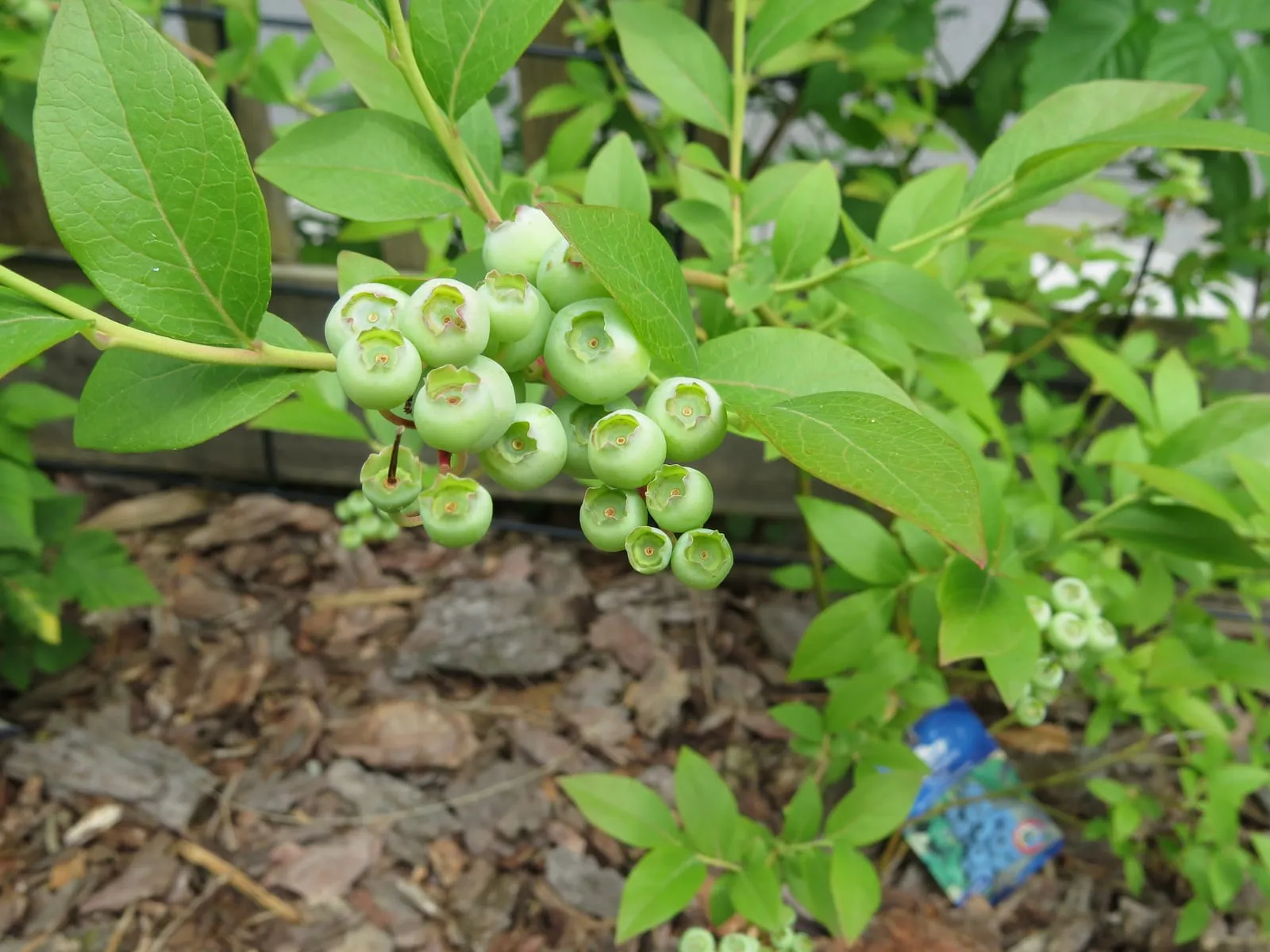
berry
Highbush Blueberry
Vaccinium corymbosum
USDA hardiness range
- Zones
- 4a–7b
- Chill hours
- 800 to 1000 below 45°F
- Days to harvest
- 60 to 90
- Sun
- Full
- Water
- Moderate
- Lifespan
- 30 to 50 years
Growing highbush blueberry
Highbush blueberry rewards patience and careful site preparation, then produces reliably for 30 to 50 years when conditions are right. The crop is well-suited to zones 4a through 7b, where winters provide the 800 to 1,000 chill hours the plant needs to break dormancy and set fruit properly. At the warm edge of this range (zone 7b), growers should select lower-chill selections or accept reduced yields in mild winters when hours fall below 800. At the cold end (zones 4a and 4b), cold-hardiness ratings matter more than in moderate zones, since late-spring frosts can still catch open flowers even when the plant has adequate chill.
What most often separates a productive planting from a poor one is soil chemistry. Highbush blueberry is not a crop that adapts to average garden soil. It requires a pH between 4.5 and 5.5 and struggles or fails in neutral or alkaline conditions regardless of irrigation, fertilization, or site quality. Cross-pollination is the other major factor: plants will set some fruit alone, but planting two or more compatible varieties within 50 feet consistently produces larger, more uniform crops and higher total yields.
The 30 to 50 year lifespan makes site selection and soil preparation the highest-leverage investments in a highbush planting. A planting established on the wrong soil or in marginal cold-hardiness territory will underperform for decades. The Cornell Berry Production Guide and Oregon State Highbush Blueberry resources both emphasize pre-plant soil work as the foundation of long-term productivity.
Recommended varieties
See all 6 →6 cultivars for home growers, with notes on flavor, ripening, and disease resistance.
| Variety | Notes | Zone fit | Disease resistance |
|---|---|---|---|
| Bluecrop | Tart-sweet, firm, balanced flavor with classic blueberry tang; the industry standard. Fresh eating, baking, freezing. Heavy producer, mid-season. Reliable backbone of any planting. | | none noted |
| Duke | Mild-sweet, firm with crisp texture; clean flavor, less complex than Bluecrop but holds quality on the bush. Early-season, machine-harvest favorite. Frost-tolerant bloom. | | none noted |
| Liberty | Rich, sweet-tart, complex flavor; outstanding fresh-eating quality, premium. Large firm berries store well. Late-season. Excellent home-garden choice. | | none noted |
| Patriot | Sweet-tart, large berries with rich flavor; fresh eating, baking, jam. Cold-hardiest commercial highbush, reliable in zone 4 sites where Bluecrop fails. | | none noted |
| Elliott | Tart, firm, classic late-season flavor; the latest-ripening highbush, extends harvest into September. Stores exceptionally well. | | none noted |
| Chandler | Sweet, mild, very large berries (quarter-sized); fresh eating standout, prized for U-pick. Mid- to late-season, lower yield than Bluecrop but premium quality. | | none noted |
Soil and site requirements
Blueberries demand soil conditions that most garden plants would reject. A pH between 4.5 and 5.5 is a hard requirement, not a preference. Above pH 6.0, iron and manganese become unavailable to the plant, and nutrient deficiency follows even in otherwise fertile soil. Test pH before planting and amend with elemental sulfur several months in advance; the acidification process is slow and cannot be rushed at installation time.
Drainage is equally critical. Highbush blueberry roots are shallow and fibrous and suffocate quickly in waterlogged conditions. Raised beds or mounded rows improve drainage on heavy clay soils and are worth the preparation effort. The Cornell Berry Production Guide recommends a minimum of 18 inches of well-drained, acidic soil for establishment.
Full sun is the baseline for productive fruiting. Plants in partial shade grow adequately but produce significantly less fruit and show increased disease susceptibility. Within rows, space plants 4 to 6 feet apart and allow 10 feet between rows for air circulation. Peat moss or wood chip mulch applied 4 to 6 inches deep around the root zone conserves moisture, moderates soil temperature, and continues the acidification process over time.
Microclimate matters most at the zone edges. In zones 4a and 4b, south-facing slopes warm faster in spring but expose bloom to late frost risk. A site with natural cold-air drainage, rather than a low-lying frost pocket, reduces damage to open flowers.
Common diseases
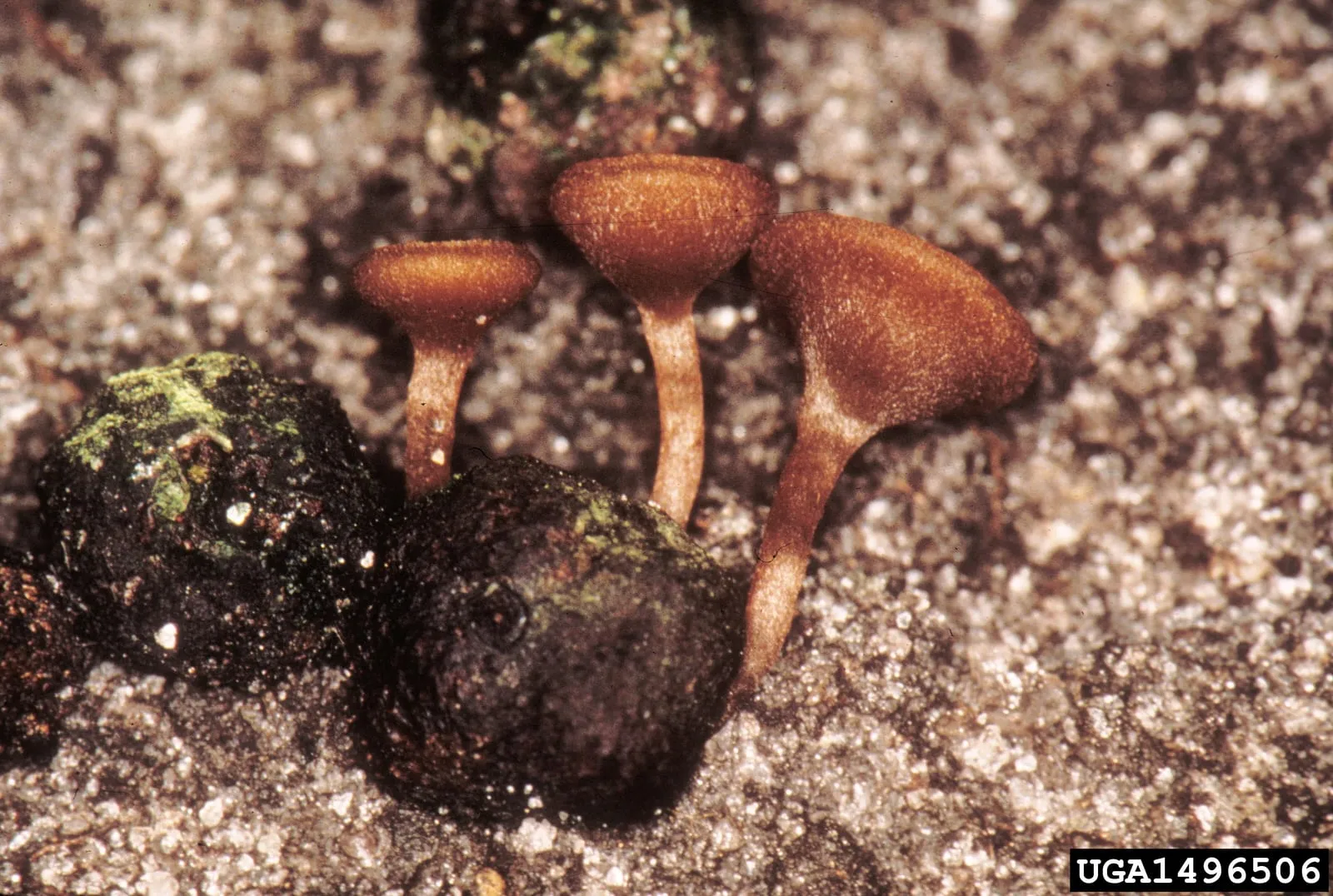
Monilinia vaccinii-corymbosi
The most damaging blueberry disease in the eastern US, killing shoots in spring and mummifying fruit later in the season.
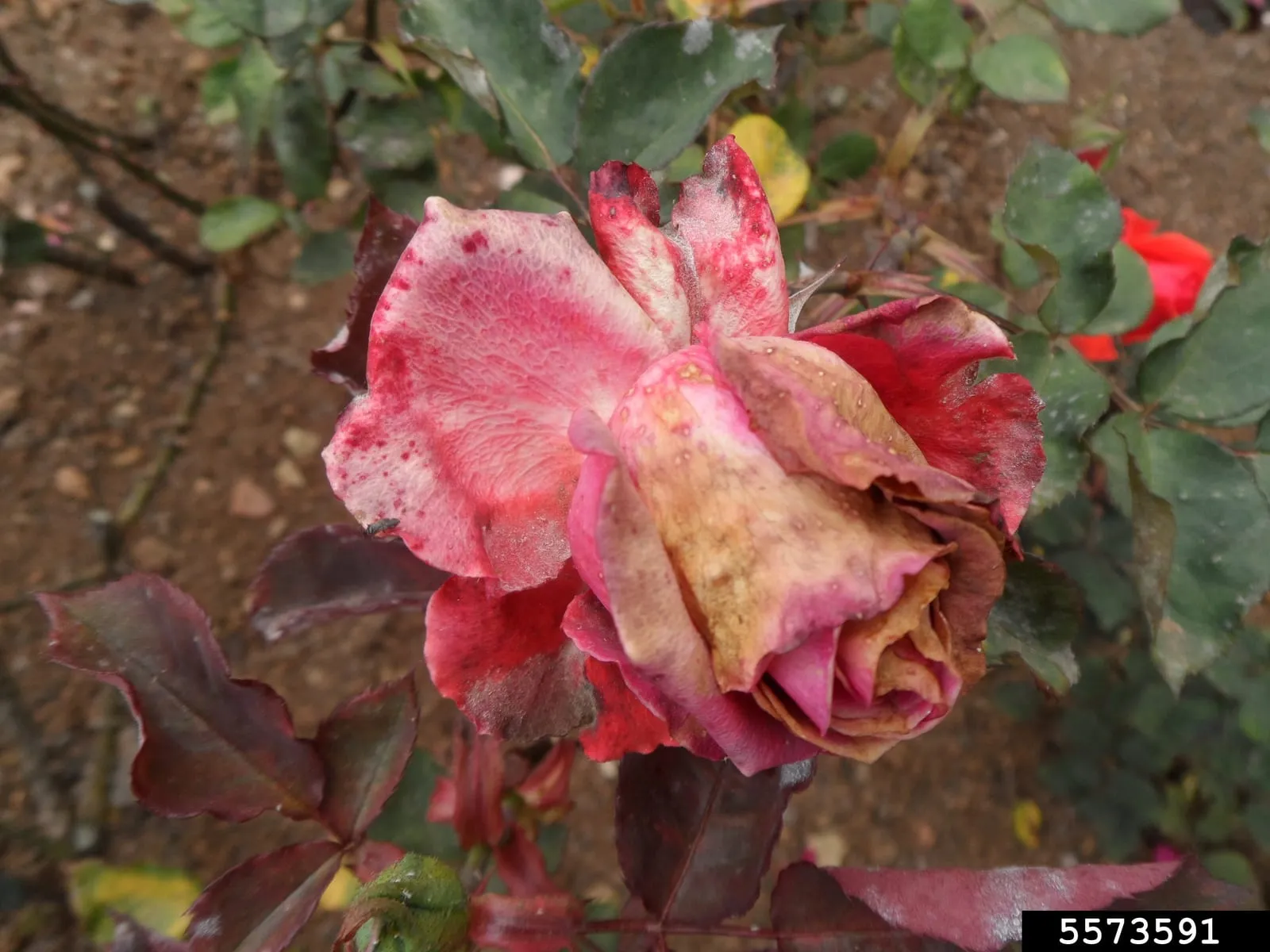
Botrytis cinerea
Ubiquitous fungal disease that causes fruit rot during cool wet weather, often the dominant berry disease in humid regions.
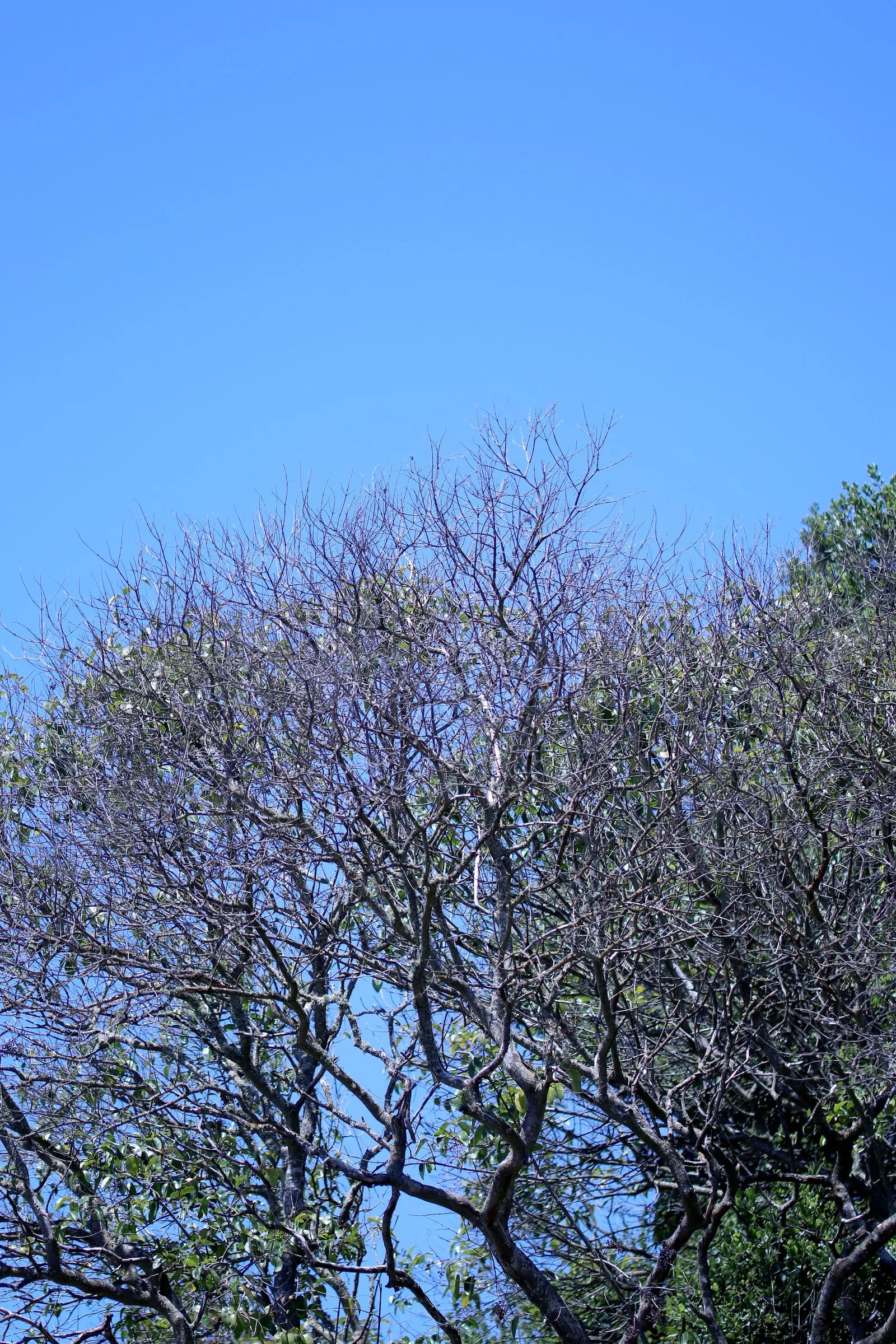
Phytophthora species
Soil-borne water mold that destroys roots in waterlogged soils, the leading cause of blueberry decline in poorly drained sites.
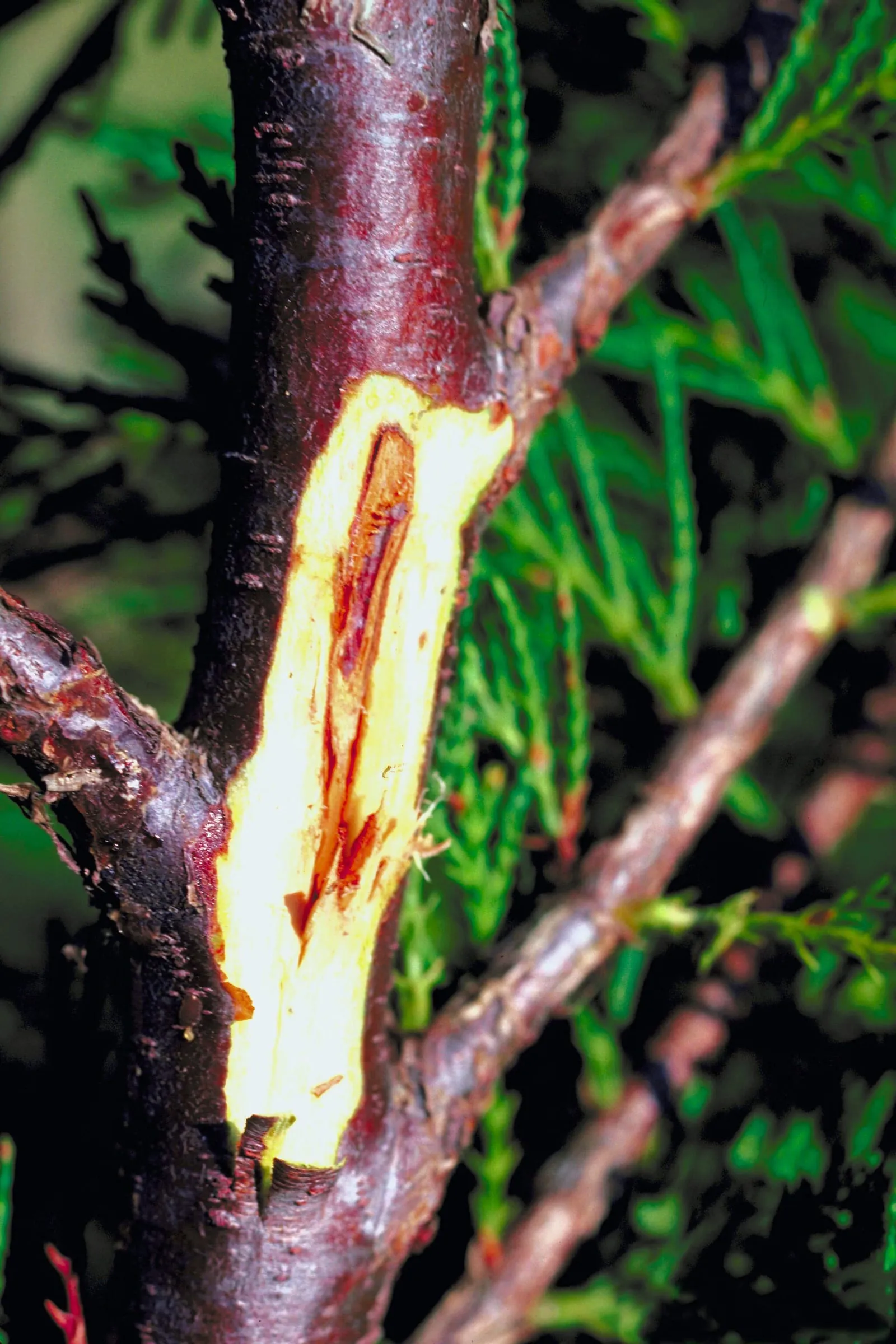
Botryosphaeria dothidea
Fungal disease that enters through wounds and kills entire stems or whole bushes, particularly damaging on young plantings in the southeastern US.
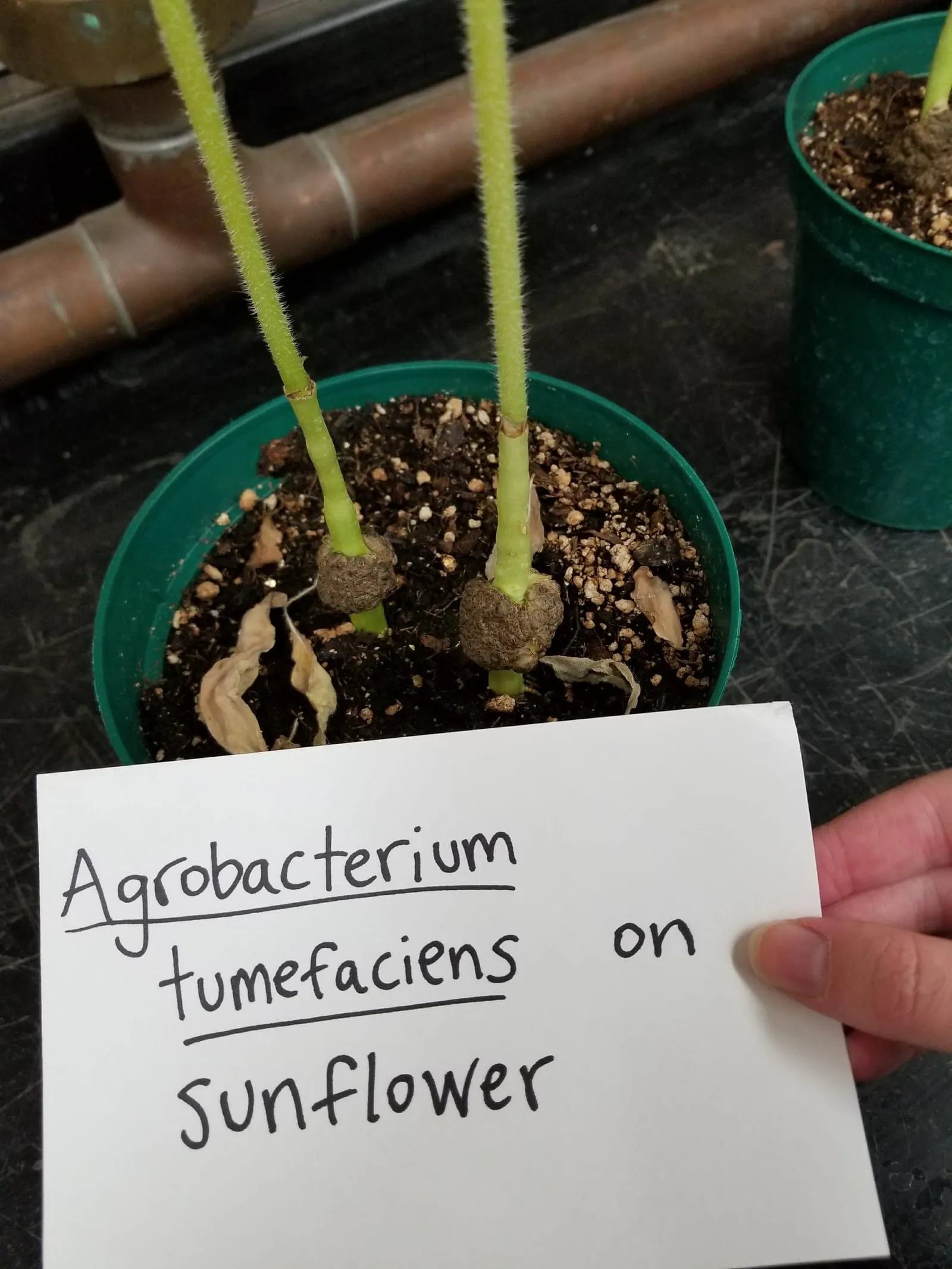
Agrobacterium tumefaciens
Soil-borne bacterium that enters plants through wounds and induces tumor-like galls on roots, crown, and lower stems. Galls reduce vigor and shorten plant lifespan; on Rubus the disease is often fatal.
Common pests
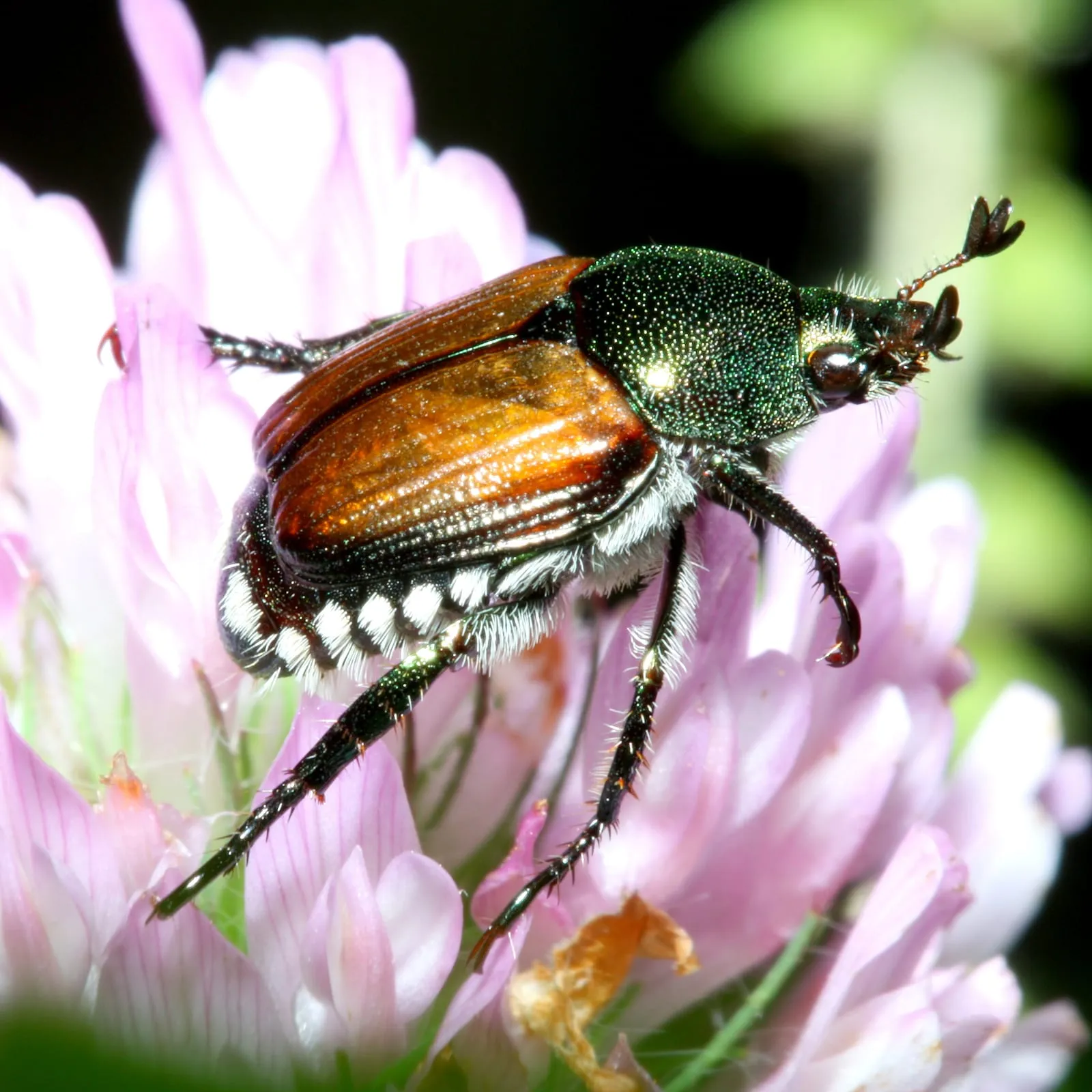
Popillia japonica
Defoliating beetle introduced to North America in 1916. Skeletonizes leaves of many fruit trees, berry canes, and pecan.
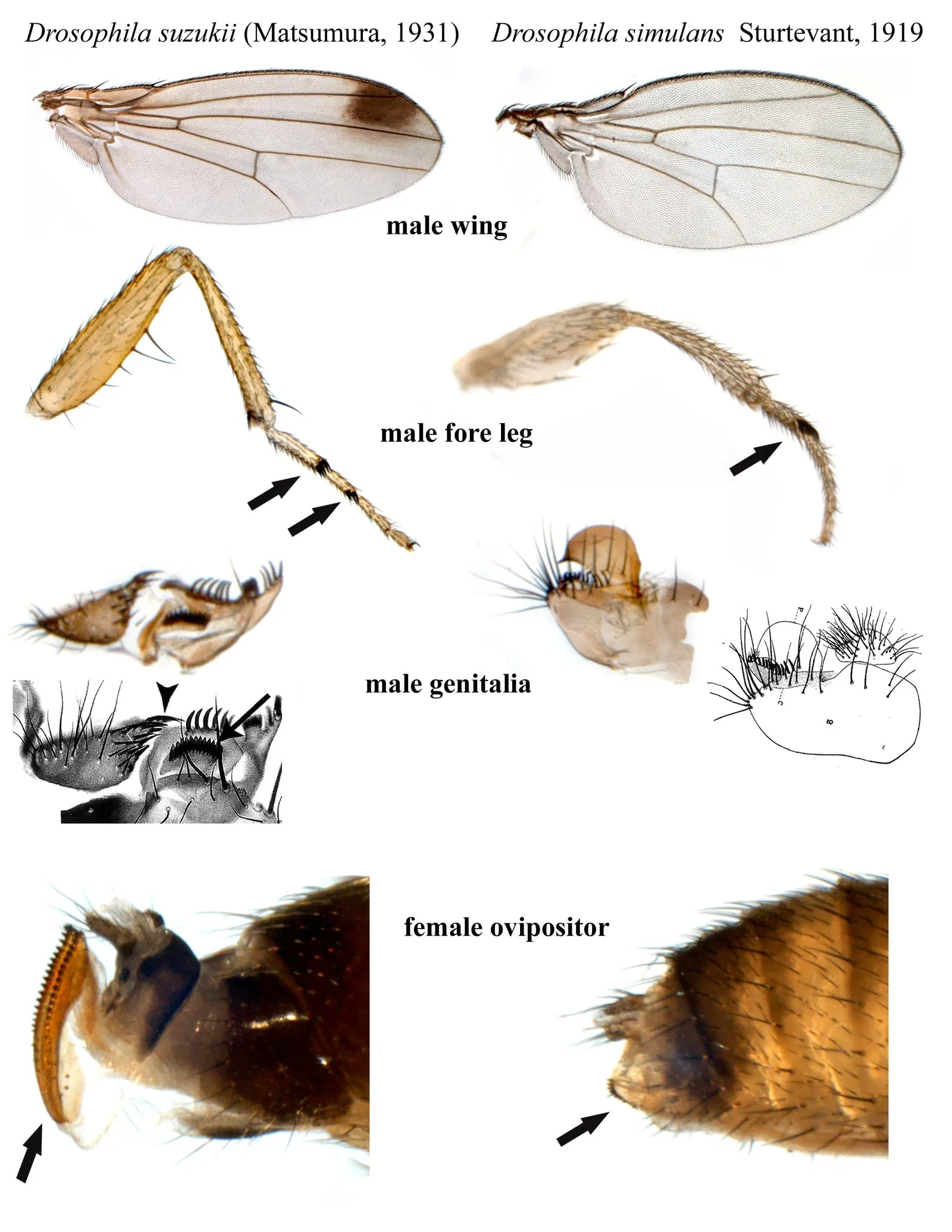
Drosophila suzukii
Invasive vinegar fly that attacks ripening soft fruit, unlike native Drosophila species which target overripe fruit. Now the dominant berry-and-cherry pest across the US.
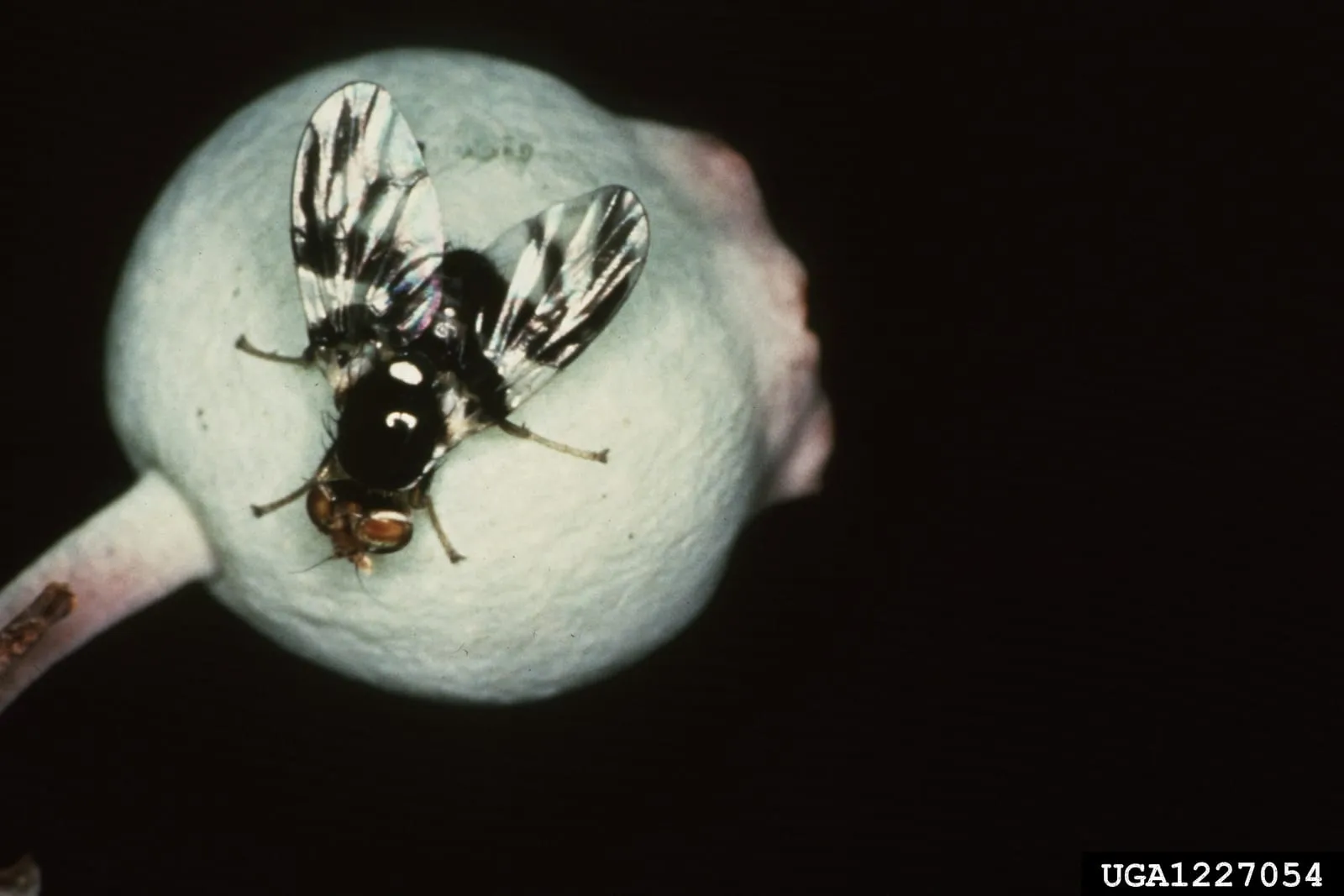
Rhagoletis mendax
Native fruit fly whose larvae develop inside blueberries, the primary fresh-market quality concern in eastern North America.
Multiple species
Robins, catbirds, mockingbirds, starlings, cedar waxwings and other songbirds can strip ripening berry and fruit crops in days. Crows and blackbirds also damage fresh sweet corn ears in milk stage. The single biggest yield-loss factor in unprotected home plantings.
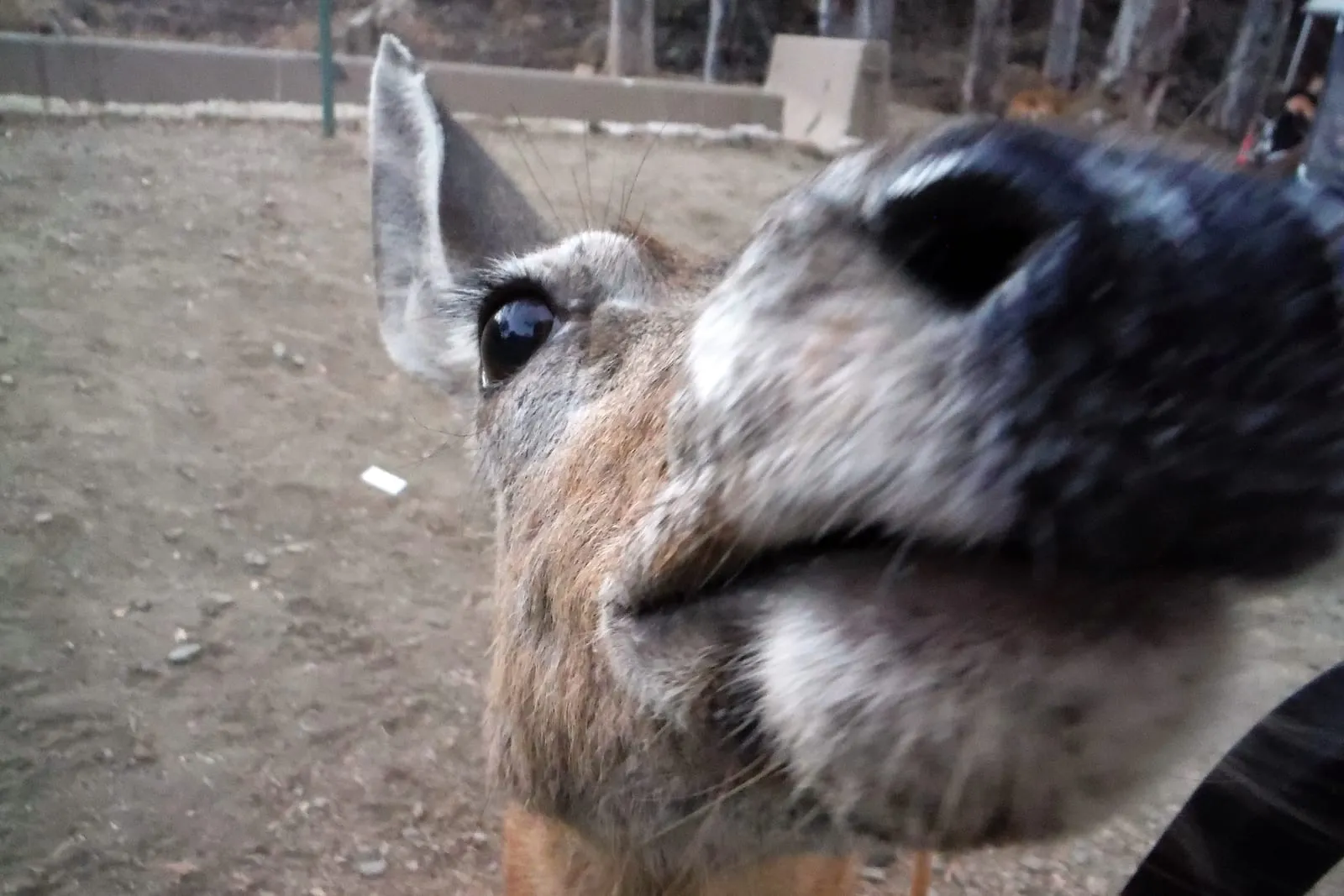
Odocoileus species
Whitetail and mule deer browse can devastate orchards and gardens, particularly in winter when food is scarce. Antler rub on young trunks kills saplings outright.
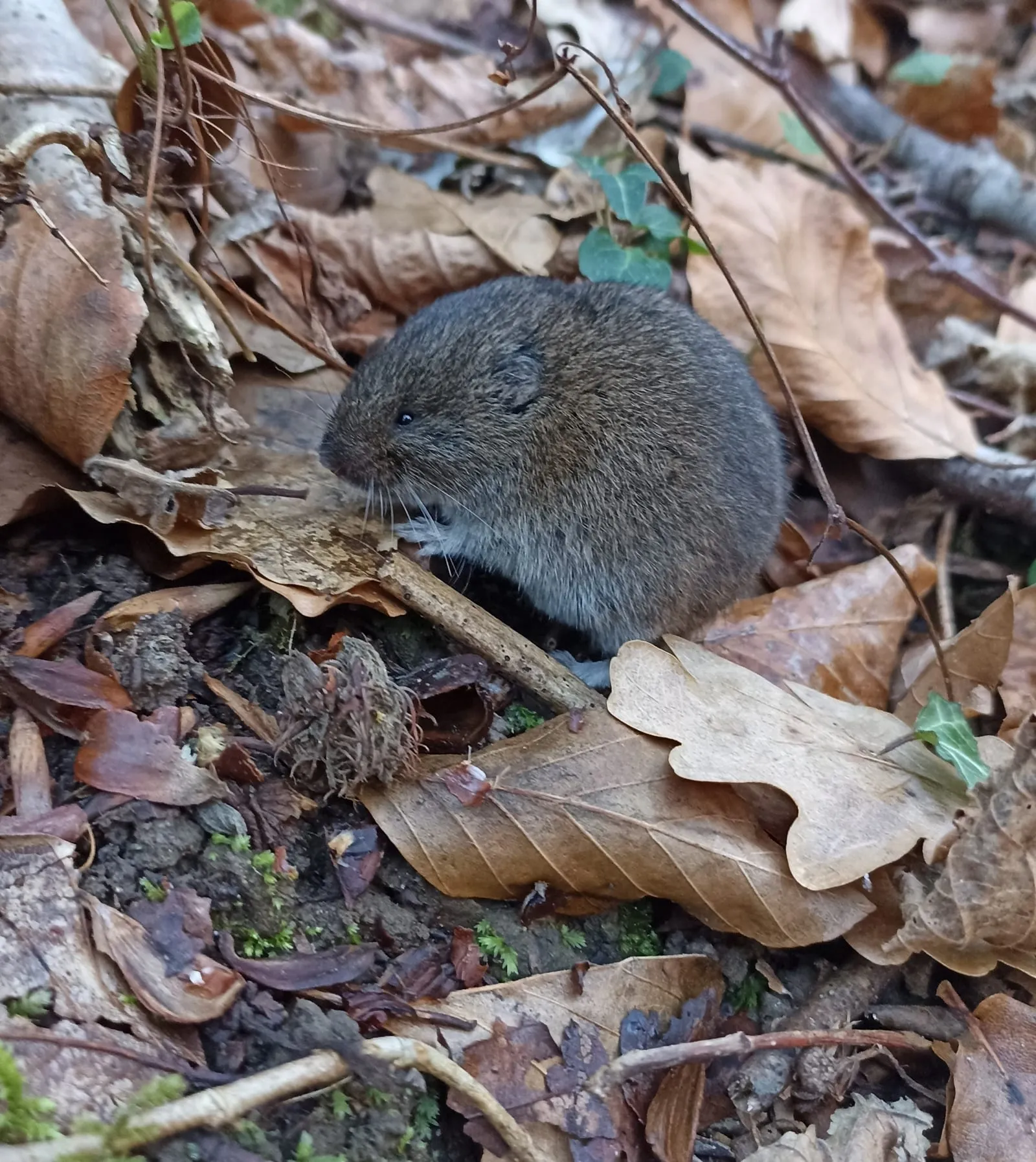
Microtus species
Field voles and meadow voles girdle young fruit-tree trunks under snow cover during winter and chew root crops. The leading cause of mysterious orchard losses.
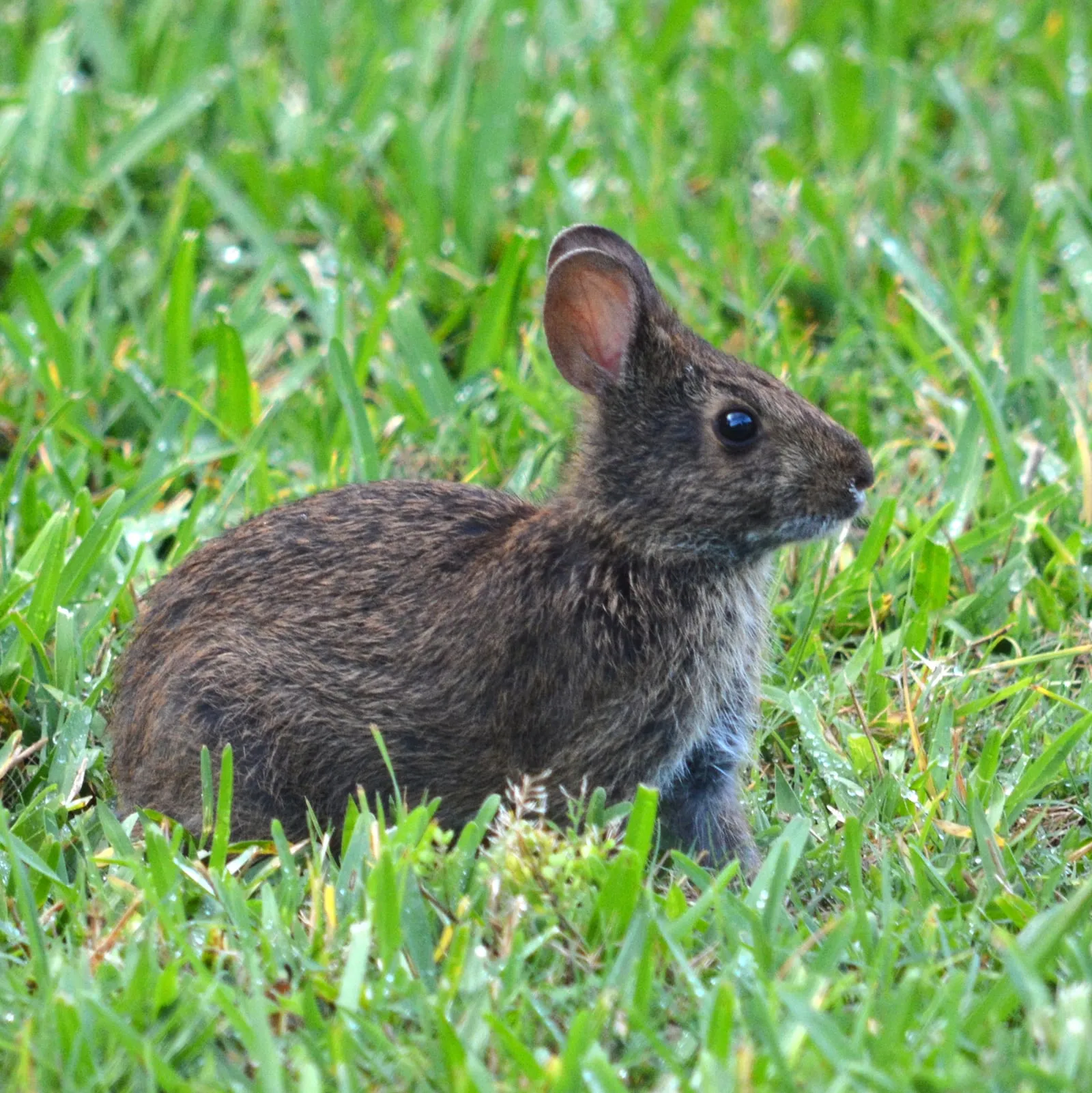
Sylvilagus and Lepus species
Cottontails and jackrabbits strip bark from young fruit trees in winter and graze tender garden vegetables year-round, especially seedlings.
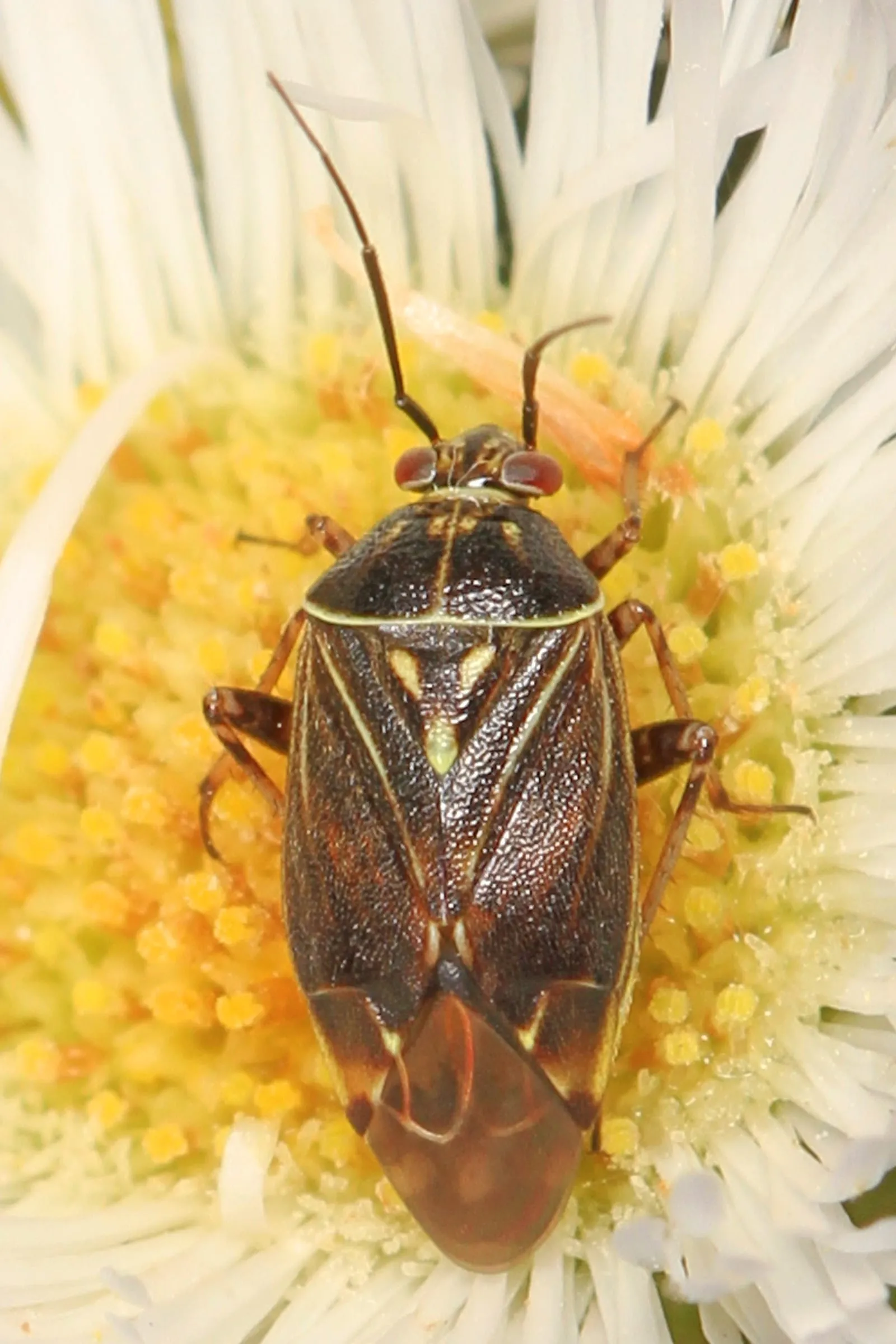
Lygus lineolaris
Mottled brown sucking bug that probes flower buds and developing fruit, causing 'cat-facing' deformities on tomato, peach, and strawberry. Wide host range and rapid generations.
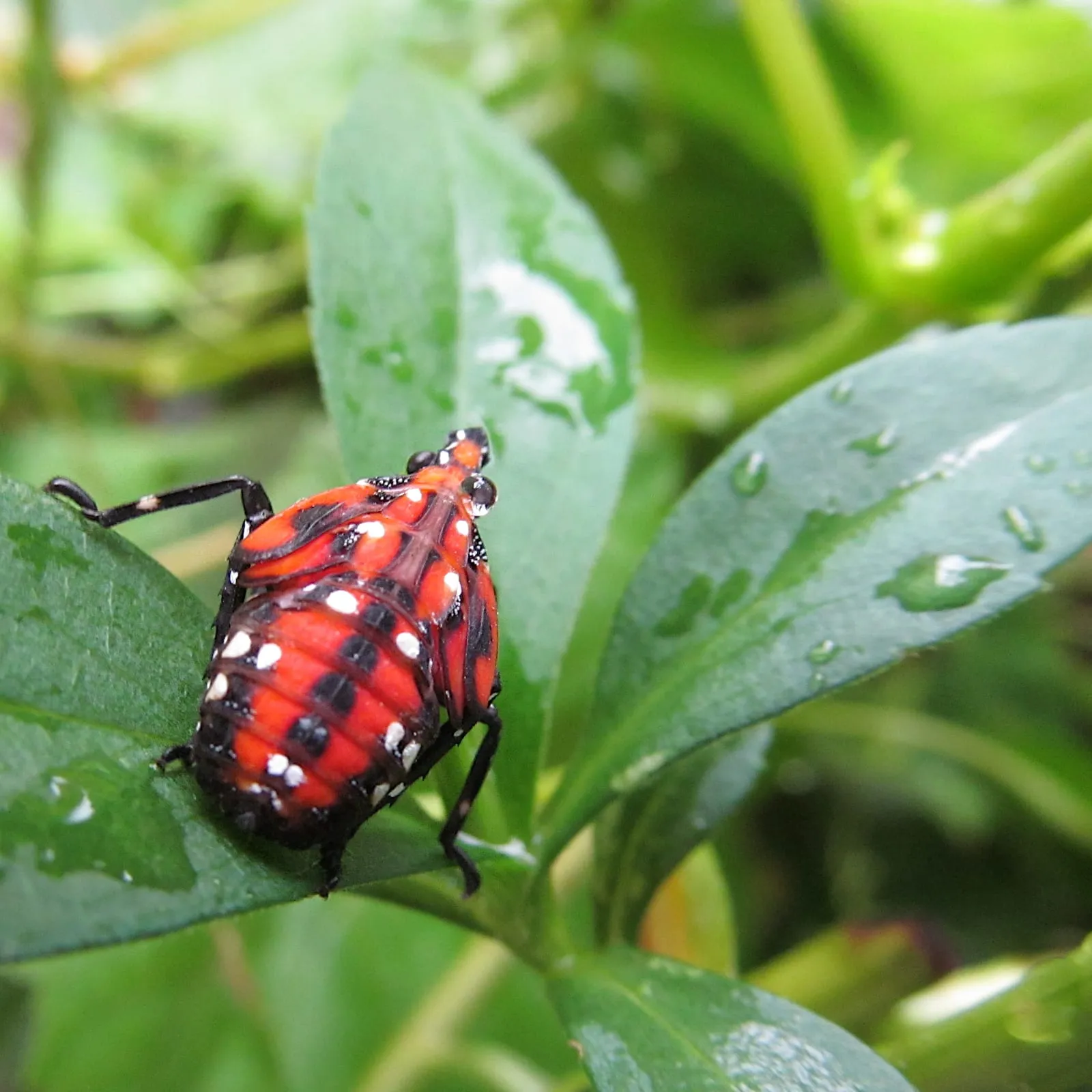
Lycorma delicatula
Invasive planthopper from Asia first detected in Pennsylvania 2014, now spreading through the Eastern US. Direct feeding weakens trees; honeydew supports sooty mold and reduces fruit quality.
Common challenges
Soil pH is the most common reason highbush blueberry fails to thrive. Plants installed in soil at pH 6.5 or above show yellowing foliage, slow growth, and minimal fruiting within one to two seasons. The fix is not fertilizer; it is sustained acidification. Maintaining pH in the target range requires periodic testing and ongoing sulfur applications or consistent use of acidic organic mulches throughout the life of the planting.
Mummy berry (Monilinia vaccinii-corymbosi) is the most damaging fungal disease across the highbush range. The fungus overwinters in infected mummies on the soil surface, releasing spores in early spring that infect new shoots as they emerge. Removing fallen berries, cultivating the soil surface in late winter, and applying fungicides at green tip are core management practices detailed in the Michigan State Blueberry Production guide. Skipping early-season management allows mummy berry pressure to compound year over year.
Pollination requirements catch many new growers off guard. Most highbush varieties are technically self-fertile but produce noticeably larger, more uniform berries and higher total yields when a compatible variety flowers within 50 feet. Single-variety plantings, particularly of mid-season types, frequently underperform relative to cross-pollinated blocks. Planting at least two varieties with overlapping bloom times is the standard recommendation and requires no additional maintenance beyond the initial variety selection.
Companion plants
Frequently asked questions
- How many chill hours does highbush blueberry require?
Highbush blueberry needs 800 to 1,000 hours below 45°F to break dormancy and produce a full crop. Winters that fall short of this range, common in zone 7b and warmer, result in delayed leafout, sparse bloom, and reduced fruit set. Growers at the warm edge of the zone range should verify that their chosen variety matches local winter chill accumulation before planting.
- What is the time from bloom to harvest for highbush blueberry?
Harvest runs 60 to 90 days after bloom depending on variety and location. Early-season varieties such as Duke ripen near the low end of that range; late-season varieties such as Liberty approach 90 days. New plantings should not be harvested heavily until the third or fourth year to allow adequate root establishment.
- Which USDA hardiness zones support highbush blueberry?
Highbush blueberry grows reliably in zones 4a through 7b. Zone 8 and warmer generally lacks sufficient winter chill for most highbush varieties. Zones 3 and colder exceed cold-hardiness limits for standard highbush selections; half-high hybrids are a more reliable choice at the cold extreme.
- Does highbush blueberry need a pollinator plant?
Most highbush varieties are self-fertile and will set fruit without a second variety present. Cross-pollination with a compatible variety flowering within 50 feet consistently improves berry size, uniformity, and total yield. Planting two or more varieties with overlapping bloom periods is the standard recommendation for any productive planting.
- What is the most common disease problem for highbush blueberry?
Mummy berry, caused by Monilinia vaccinii-corymbosi, is the most widespread and economically significant fungal disease across the highbush range. It overwinters in infected berries on the soil surface and releases spores in early spring. Sanitation, late-winter soil cultivation, and timely fungicide application at green tip are the primary management tools.
- What soil pH does highbush blueberry require?
A soil pH between 4.5 and 5.5 is required, not merely preferred. Above pH 6.0, plants cannot absorb iron and manganese adequately, producing yellowing foliage and poor growth regardless of fertilizer inputs. Test soil pH before planting and amend with elemental sulfur months in advance if pH needs correction.
- How long does a highbush blueberry planting remain productive?
A well-established highbush blueberry planting can remain productive for 30 to 50 years with proper soil management and annual pruning. This long lifespan makes upfront site preparation and variety selection disproportionately important compared to annual crops, where mistakes can be corrected the following season.
+−
+−
+−
+−
+−
+−
+−
Sources
Image: "2018-06-01 (134) Unripe Vaccinium corymbosum (northern highbush blueberry) at Bichlhäusl in Frankenfels, Austria", by GT1976, via Wikimedia Commons, licensed under CC-BY. Source.
_Unripe_Vaccinium_corymbosum_(northern_highbush_blueberry)_at_Bichlh%C3%A4usl_in_Frankenfels,_Austria.jpg)
Highbush Blueberry by zone
Related