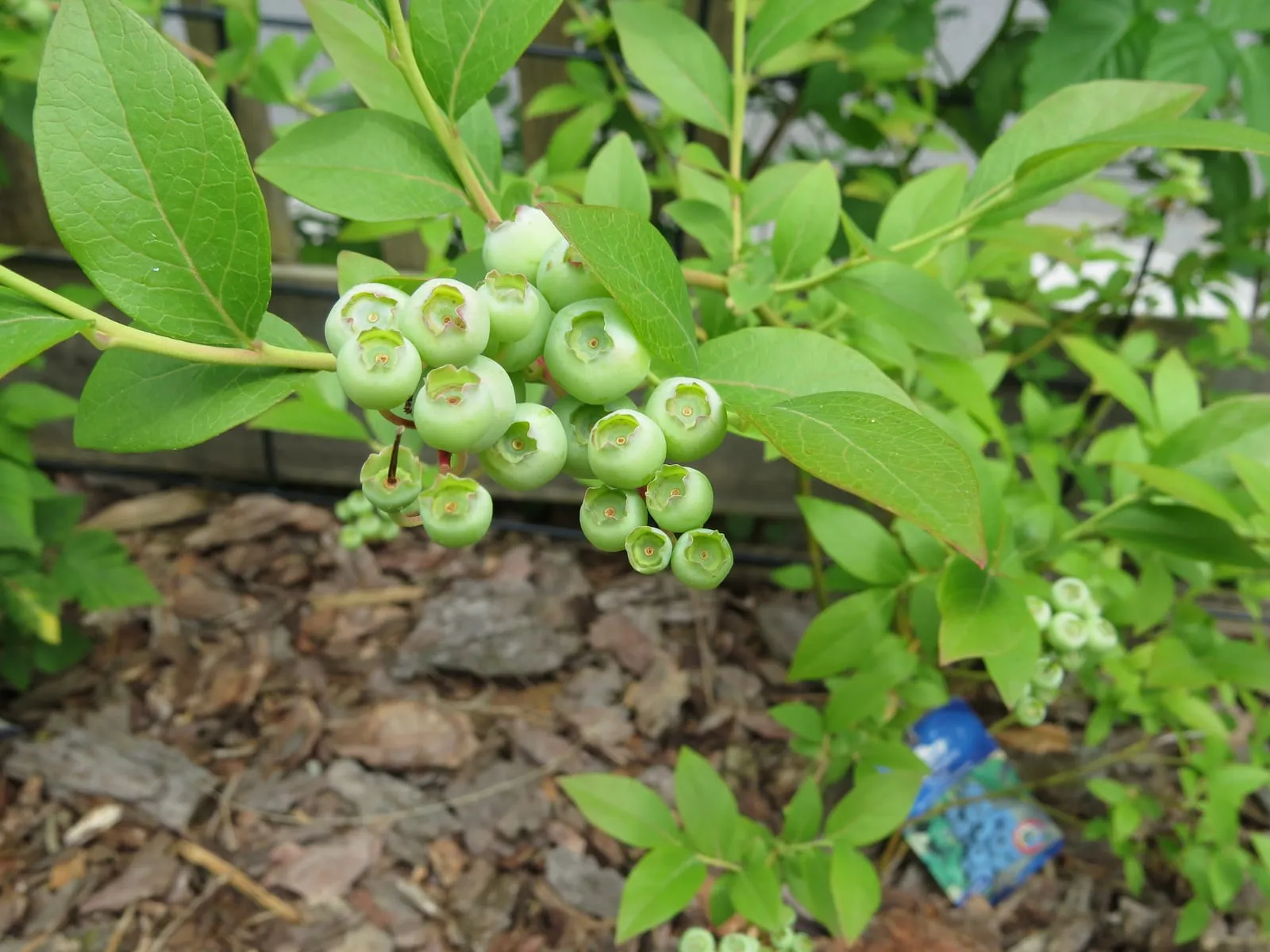
berry in zone 6a
Growing highbush blueberry in zone 6a
Vaccinium corymbosum
- Zone
- 6a -10°F to -5°F
- Growing season
- 180 days
- Chill needed
- 800 to 1000 below 45°F
- Suitable varieties
- 6
- Days to harvest
- 60 to 90
The verdict
Zone 6a, with minimum winter temperatures between -10°F and -5°F, sits in the sweet spot for northern highbush blueberry rather than at the margin. The crop's chill-hour requirement of 800 to 1,000 hours below 45°F is reliably met across zone 6a; most locations accumulate 900 to 1,200 chill hours through a typical winter. Under-chilling is not a concern the way it becomes in zones 8 and above. Established highbush plants handle the cold comfortably, and winter wood damage is uncommon with standard northern varieties.
The 180-day growing season is ample for the full bloom-to-harvest window. Varieties bred for northern climates, including Bluecrop, Duke, Liberty, Patriot, Elliott, and Chandler, perform here without substitution. This is a zone where the full catalog of northern highbush cultivars is available to growers, which is not the case in warmer zones where only low-chill selections work.
Recommended varieties for zone 6a
6 cultivars suited to this zone, with disease-resistance and zone-fit annotations.
| Variety | Notes | Zone fit | Disease resistance |
|---|---|---|---|
| Bluecrop fits zone 6a | Tart-sweet, firm, balanced flavor with classic blueberry tang; the industry standard. Fresh eating, baking, freezing. Heavy producer, mid-season. Reliable backbone of any planting. | | none noted |
| Duke fits zone 6a | Mild-sweet, firm with crisp texture; clean flavor, less complex than Bluecrop but holds quality on the bush. Early-season, machine-harvest favorite. Frost-tolerant bloom. | | none noted |
| Liberty fits zone 6a | Rich, sweet-tart, complex flavor; outstanding fresh-eating quality, premium. Large firm berries store well. Late-season. Excellent home-garden choice. | | none noted |
| Patriot fits zone 6a | Sweet-tart, large berries with rich flavor; fresh eating, baking, jam. Cold-hardiest commercial highbush, reliable in zone 4 sites where Bluecrop fails. | | none noted |
| Elliott fits zone 6a | Tart, firm, classic late-season flavor; the latest-ripening highbush, extends harvest into September. Stores exceptionally well. | | none noted |
| Chandler fits zone 6a | Sweet, mild, very large berries (quarter-sized); fresh eating standout, prized for U-pick. Mid- to late-season, lower yield than Bluecrop but premium quality. | | none noted |
Critical timing for zone 6a
Bloom in zone 6a typically runs from mid-April through early May, varying by variety and site microclimate. Duke and Patriot are among the earliest to open; Elliott blooms late and pushes harvest into August. The zone's last frost date falls between late April and mid-May across most locations, which places early-blooming varieties squarely in frost risk territory during peak bloom. Open blossoms can suffer significant damage at 28°F; a 30-minute exposure at that temperature is enough to destroy most of a year's fruit set.
Harvest begins in late June for the earliest varieties and extends through August for late-season selections. The 180-day season accommodates this full window without the early-autumn frost pressure that curtails late harvests in zones 4 and 5.
Common challenges in zone 6a
- ▸ Brown rot in stone fruit
- ▸ Japanese beetles
- ▸ Spring frost damage to peach buds
Disease pressure to watch for
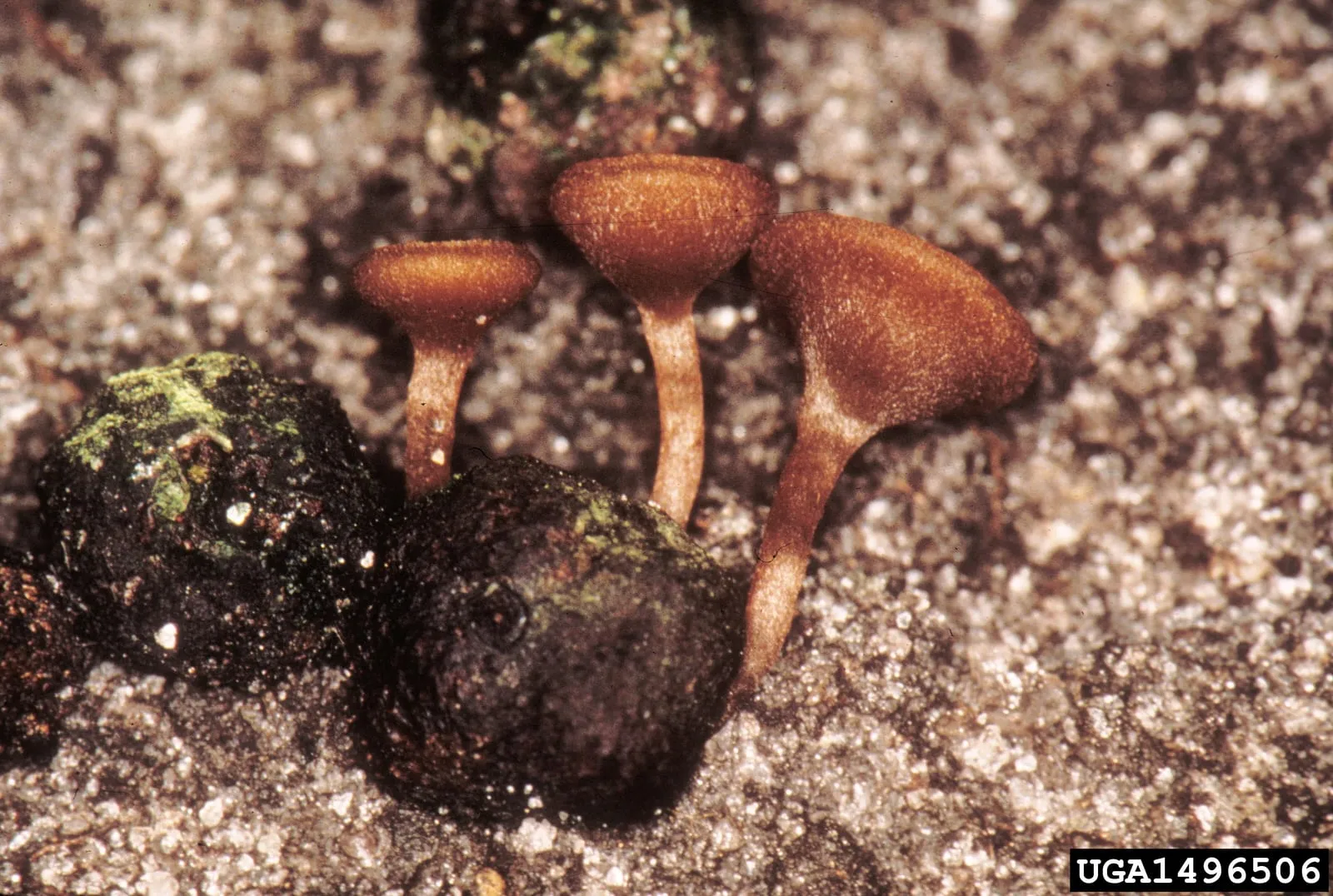
Monilinia vaccinii-corymbosi
The most damaging blueberry disease in the eastern US, killing shoots in spring and mummifying fruit later in the season.
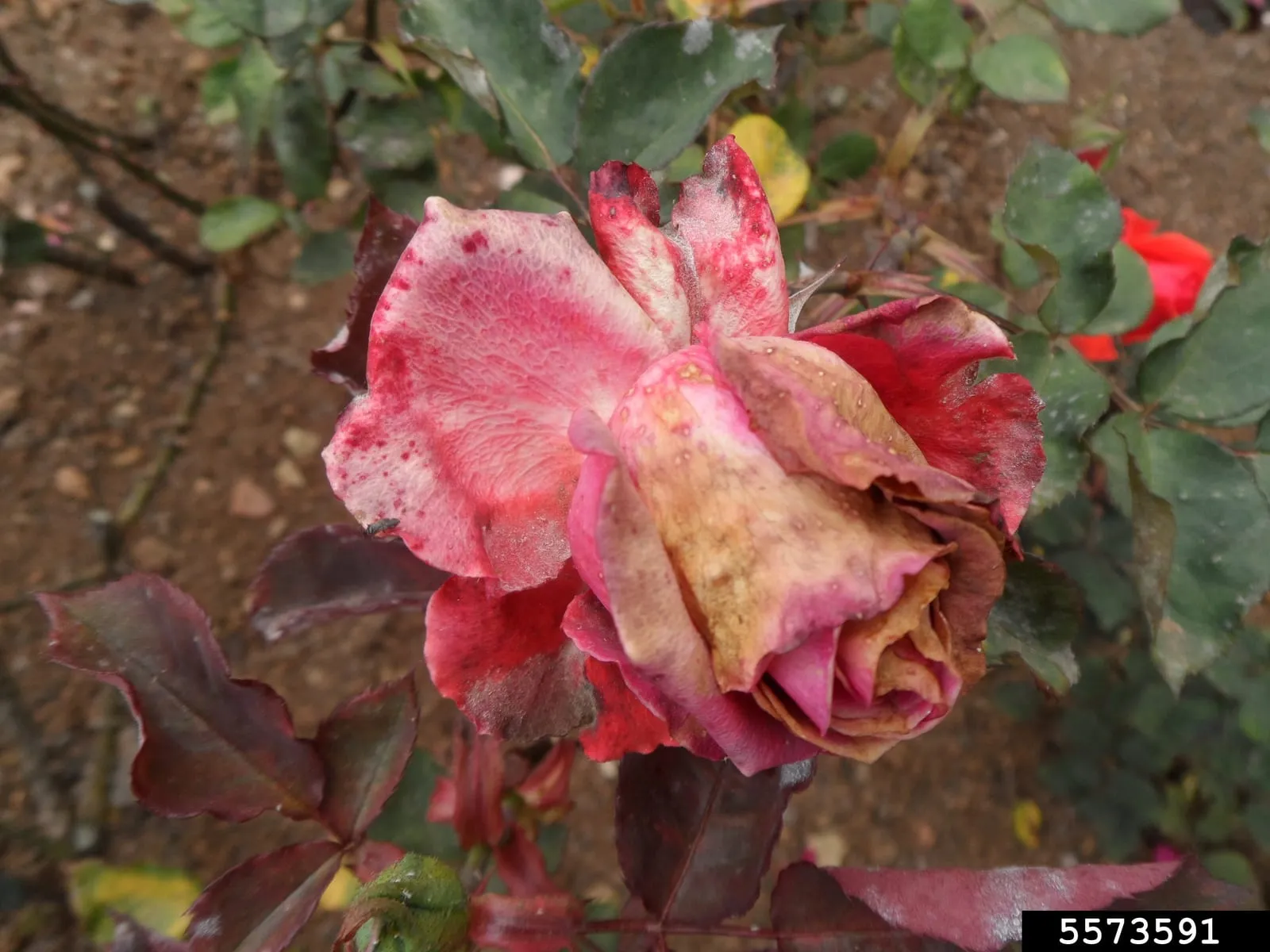
Botrytis cinerea
Ubiquitous fungal disease that causes fruit rot during cool wet weather, often the dominant berry disease in humid regions.
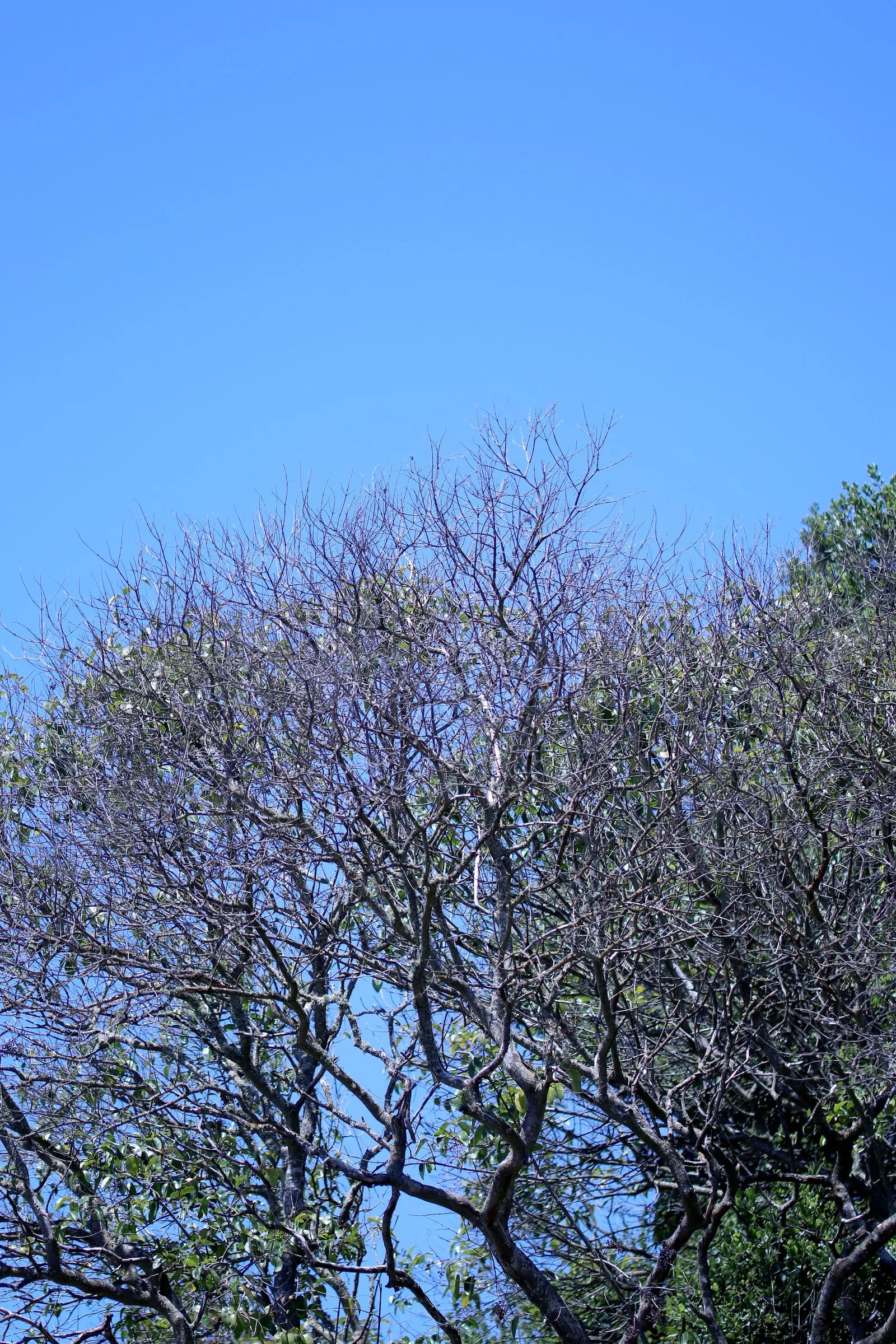
Phytophthora species
Soil-borne water mold that destroys roots in waterlogged soils, the leading cause of blueberry decline in poorly drained sites.
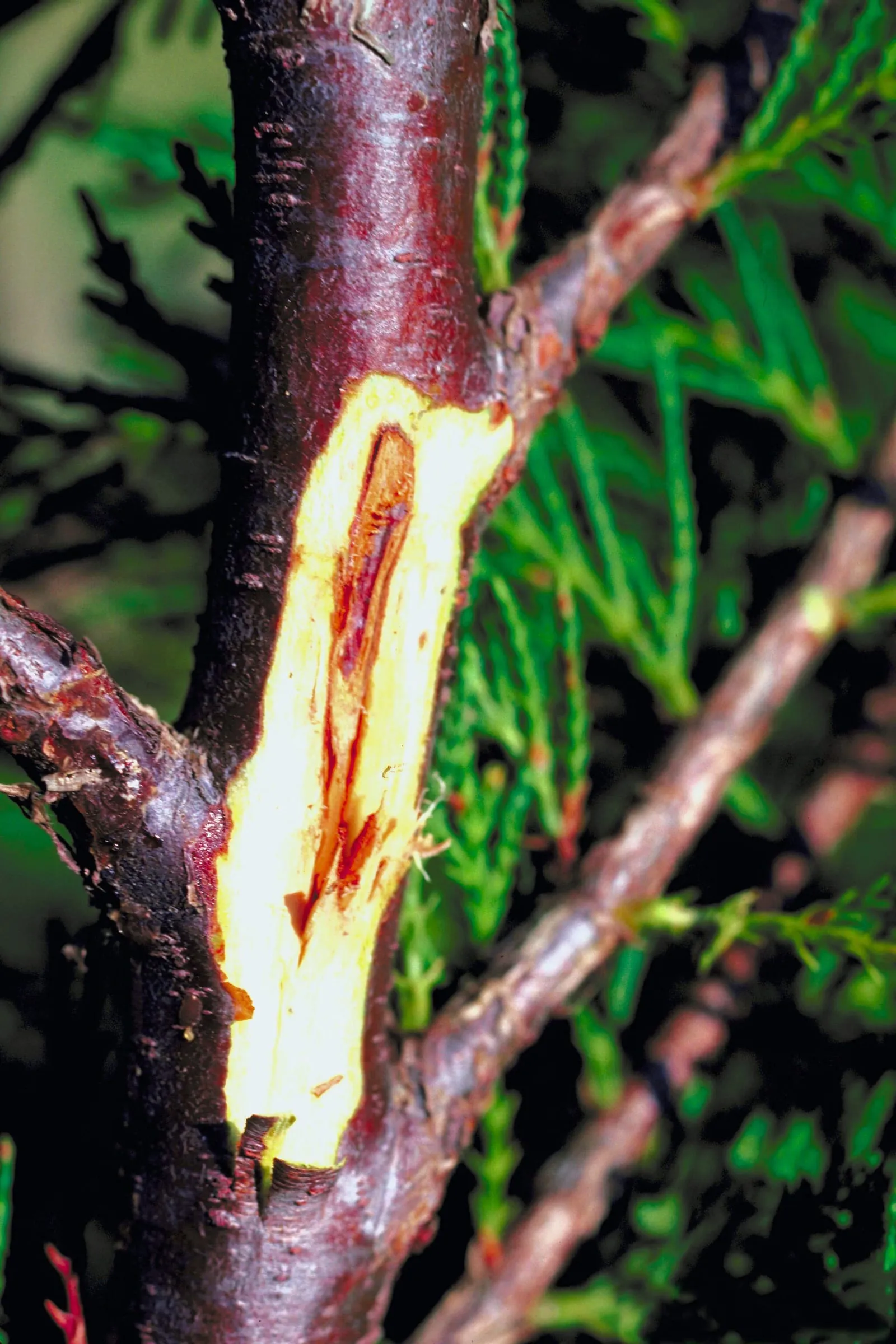
Botryosphaeria dothidea
Fungal disease that enters through wounds and kills entire stems or whole bushes, particularly damaging on young plantings in the southeastern US.
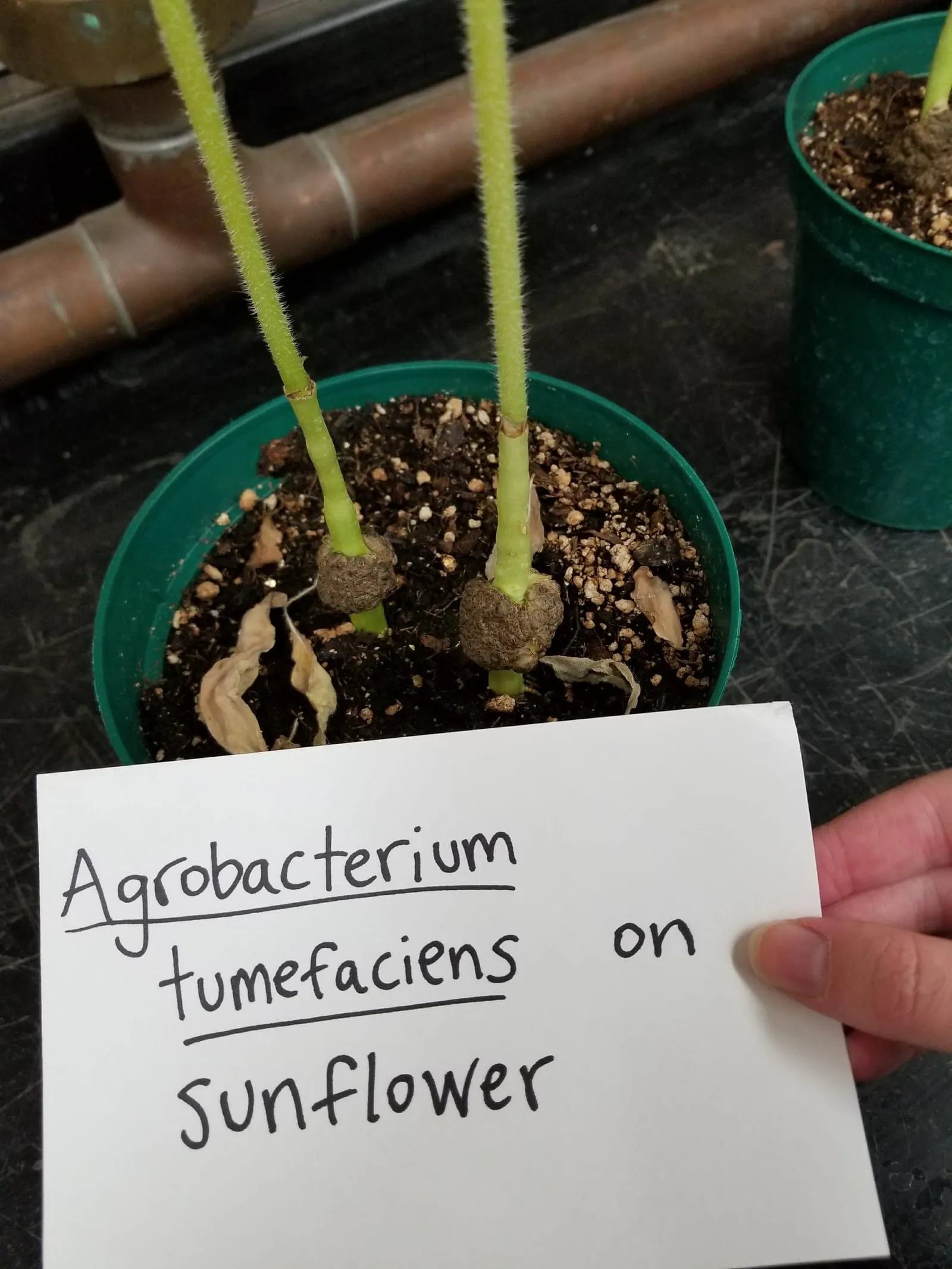
Agrobacterium tumefaciens
Soil-borne bacterium that enters plants through wounds and induces tumor-like galls on roots, crown, and lower stems. Galls reduce vigor and shorten plant lifespan; on Rubus the disease is often fatal.
Modified care for zone 6a
The primary adjustment in zone 6a is managing bloom-period frost risk, not winter protection. Established highbush plants survive the zone's winters without issue, but open blossoms are vulnerable to the late frosts that still occur in late April and early May. Having row covers or a frost-protection plan ready before first bloom is worth the preparation.
Soil pH management is the persistent challenge. Highbush blueberry requires pH 4.5 to 5.5, and zone 6a soils trend neutral to slightly alkaline in many areas. Annual testing and sulfur amendments are standard practice, not optional. Cool, wet zone 6a springs favor Mummy Berry and Gray Mold (Botrytis); removing fallen mummies from the soil surface before bloom and maintaining open canopy structure for airflow are the practical controls. Phytophthora root rot risk rises on heavy soils with poor drainage, so site selection and raised planting beds matter here.
Frequently asked questions
- Are highbush blueberries winter-hardy in zone 6a?
Yes. Established northern highbush varieties tolerate temperatures well below the zone 6a minimum of -10°F. Winter wood damage is uncommon with standard cultivars such as Bluecrop, Duke, and Patriot. The greater risk is late spring frost damaging open blossoms, not cold injuring the dormant plants.
- Do highbush blueberries get enough chill hours in zone 6a?
Zone 6a reliably provides the 800 to 1,000 chill hours highbush blueberry requires. Most zone 6a locations accumulate 900 to 1,200 hours below 45°F through winter, so under-chilling is not a practical concern here.
- What is the biggest disease threat for blueberries in zone 6a?
Mummy Berry and Gray Mold (Botrytis) are the priority concerns, both favored by the cool, wet springs common in zone 6a. Removing overwintered mummies before bloom and keeping the canopy open for airflow are the primary management practices. Phytophthora root rot is an added risk on poorly drained sites.
+−
+−
+−
Highbush Blueberry in adjacent zones
Image: "2018-06-01 (134) Unripe Vaccinium corymbosum (northern highbush blueberry) at Bichlhäusl in Frankenfels, Austria", by GT1976, via Wikimedia Commons, licensed under CC-BY Source.
_Unripe_Vaccinium_corymbosum_(northern_highbush_blueberry)_at_Bichlh%C3%A4usl_in_Frankenfels,_Austria.jpg)
Related