berry in zone 5b
Growing highbush blueberry in zone 5b
Vaccinium corymbosum
- Zone
- 5b -15°F to -10°F
- Growing season
- 165 days
- Chill needed
- 800 to 1000 below 45°F
- Suitable varieties
- 6
- Days to harvest
- 60 to 90
The verdict
Zone 5b sits squarely within the highbush blueberry's preferred range. The crop requires 800 to 1,000 chill hours annually, and zone 5b delivers that reliably across most winters, making chill-hour deficit an unlikely concern here. Winter temperatures of -15 to -10°F are the bigger variable. Most highbush cultivars tolerate down to around -20°F when fully dormant, so established plants in well-drained sites typically come through without significant dieback. Varieties like Patriot and Duke were specifically bred for northern hardiness and handle zone 5b conditions without special protection in normal winters.
The 165-day growing season is sufficient to carry even later-ripening cultivars like Elliott through to harvest. This is not a marginal zone for highbush blueberry. The main limitation is the overlap between late spring frosts and early bloom, which can reduce fruit set in years when warm weather in March or April pulls bloom forward ahead of the frost-free window.
Recommended varieties for zone 5b
6 cultivars suited to this zone, with disease-resistance and zone-fit annotations.
| Variety | Notes | Zone fit | Disease resistance |
|---|---|---|---|
| Bluecrop fits zone 5b | Tart-sweet, firm, balanced flavor with classic blueberry tang; the industry standard. Fresh eating, baking, freezing. Heavy producer, mid-season. Reliable backbone of any planting. | | none noted |
| Duke fits zone 5b | Mild-sweet, firm with crisp texture; clean flavor, less complex than Bluecrop but holds quality on the bush. Early-season, machine-harvest favorite. Frost-tolerant bloom. | | none noted |
| Liberty fits zone 5b | Rich, sweet-tart, complex flavor; outstanding fresh-eating quality, premium. Large firm berries store well. Late-season. Excellent home-garden choice. | | none noted |
| Patriot fits zone 5b | Sweet-tart, large berries with rich flavor; fresh eating, baking, jam. Cold-hardiest commercial highbush, reliable in zone 4 sites where Bluecrop fails. | | none noted |
| Elliott fits zone 5b | Tart, firm, classic late-season flavor; the latest-ripening highbush, extends harvest into September. Stores exceptionally well. | | none noted |
| Chandler fits zone 5b | Sweet, mild, very large berries (quarter-sized); fresh eating standout, prized for U-pick. Mid- to late-season, lower yield than Bluecrop but premium quality. | | none noted |
Critical timing for zone 5b
In zone 5b, highbush blueberry bloom typically runs from late April through mid-May. Earlier varieties such as Duke and Patriot tend to open flowers in the last week of April; late-season varieties like Elliott push into the second week of May. Last frost dates in zone 5b commonly fall between late April and mid-May, which means some years will see a frost event during peak bloom. Even a brief dip to 28°F during open bloom can reduce fruit set noticeably.
Harvest follows variety order closely. Duke typically ripens in early to mid-July. Mid-season varieties like Bluecrop and Liberty run through late July and into August. Elliott and Chandler extend the season into September, well within the frost-free window. Growers who plant a range of early, mid, and late varieties can spread harvest across roughly ten weeks.
Common challenges in zone 5b
- ▸ Plum curculio
- ▸ Codling moth
- ▸ Cedar-apple rust
Disease pressure to watch for
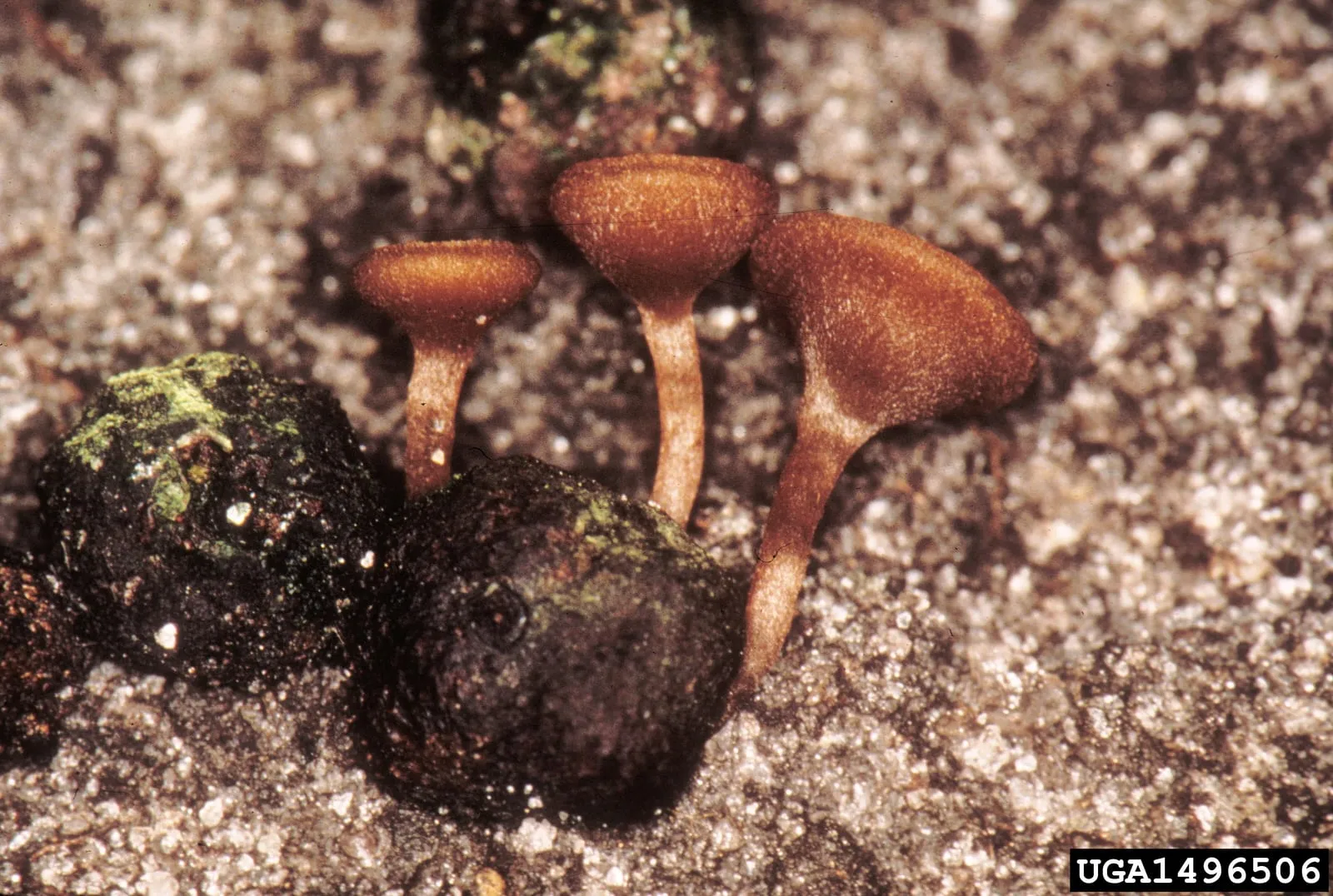
Monilinia vaccinii-corymbosi
The most damaging blueberry disease in the eastern US, killing shoots in spring and mummifying fruit later in the season.
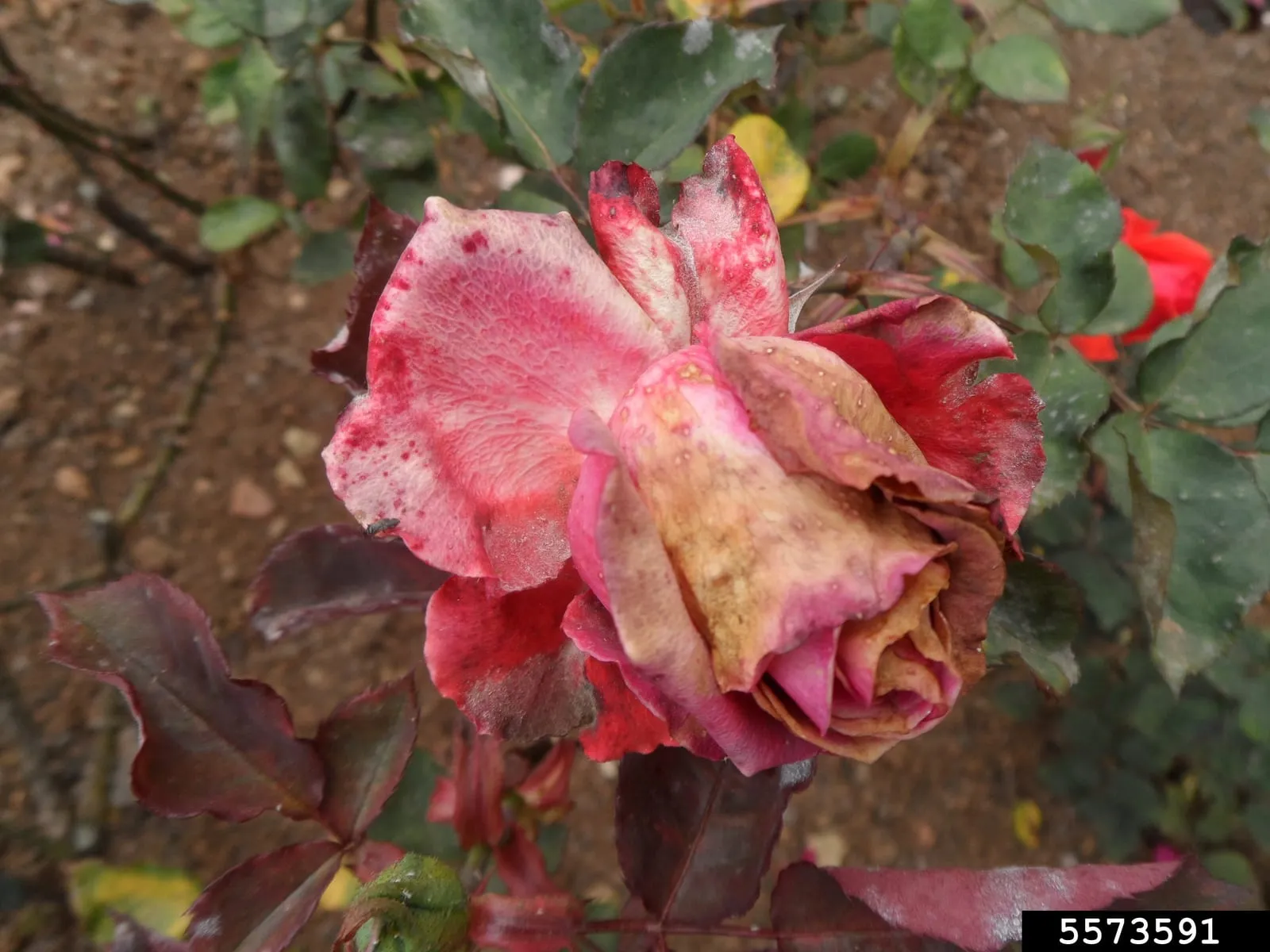
Botrytis cinerea
Ubiquitous fungal disease that causes fruit rot during cool wet weather, often the dominant berry disease in humid regions.
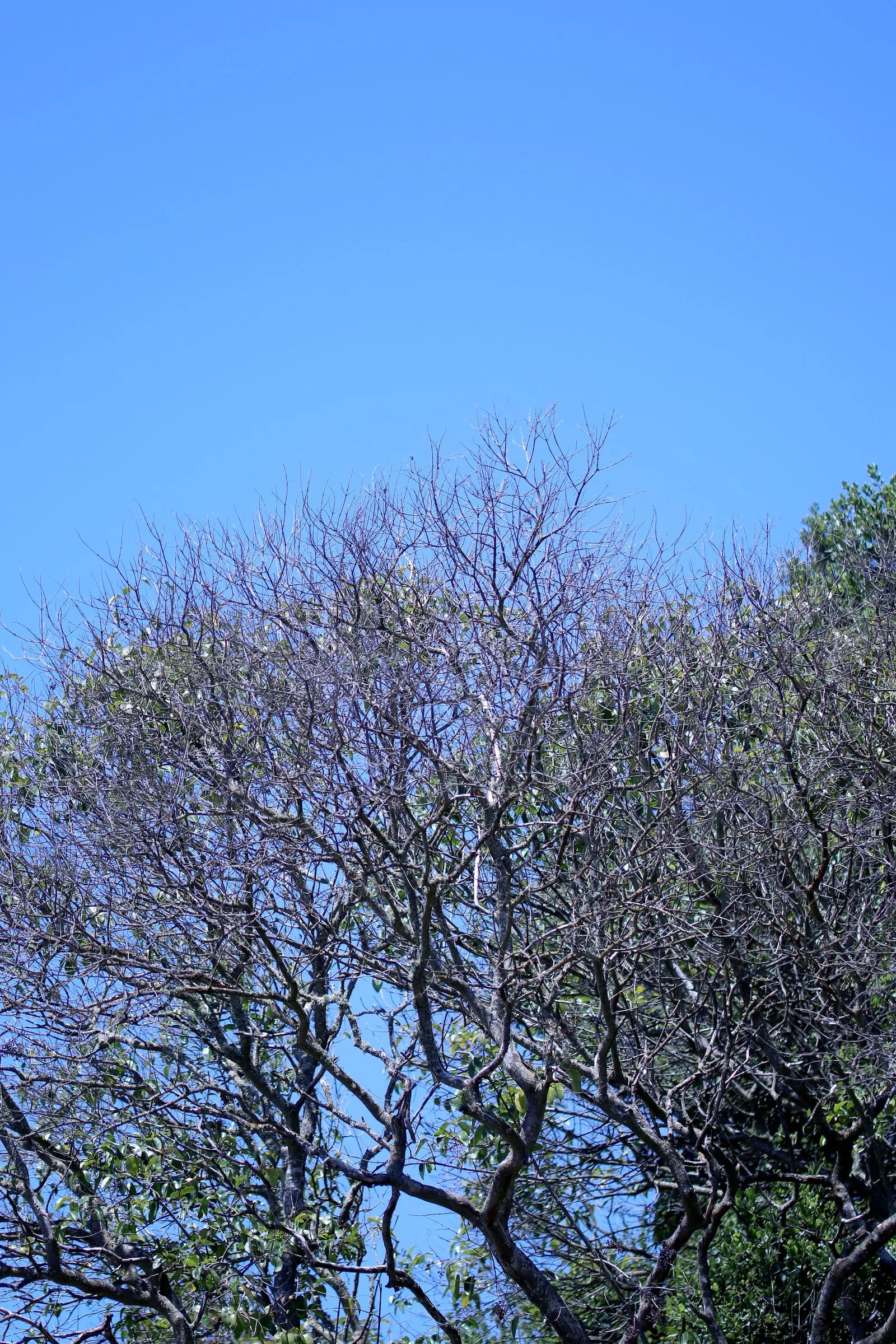
Phytophthora species
Soil-borne water mold that destroys roots in waterlogged soils, the leading cause of blueberry decline in poorly drained sites.
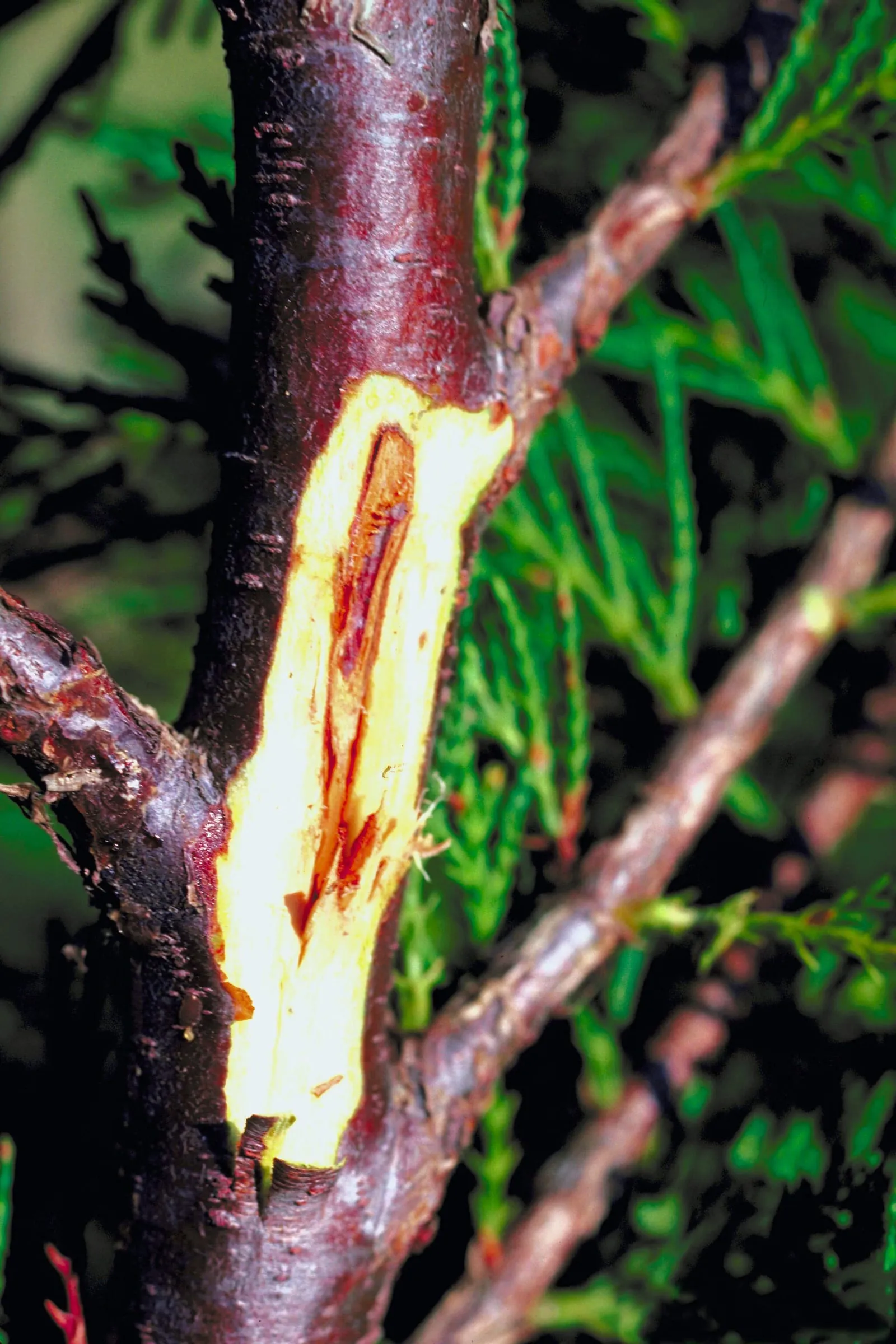
Botryosphaeria dothidea
Fungal disease that enters through wounds and kills entire stems or whole bushes, particularly damaging on young plantings in the southeastern US.
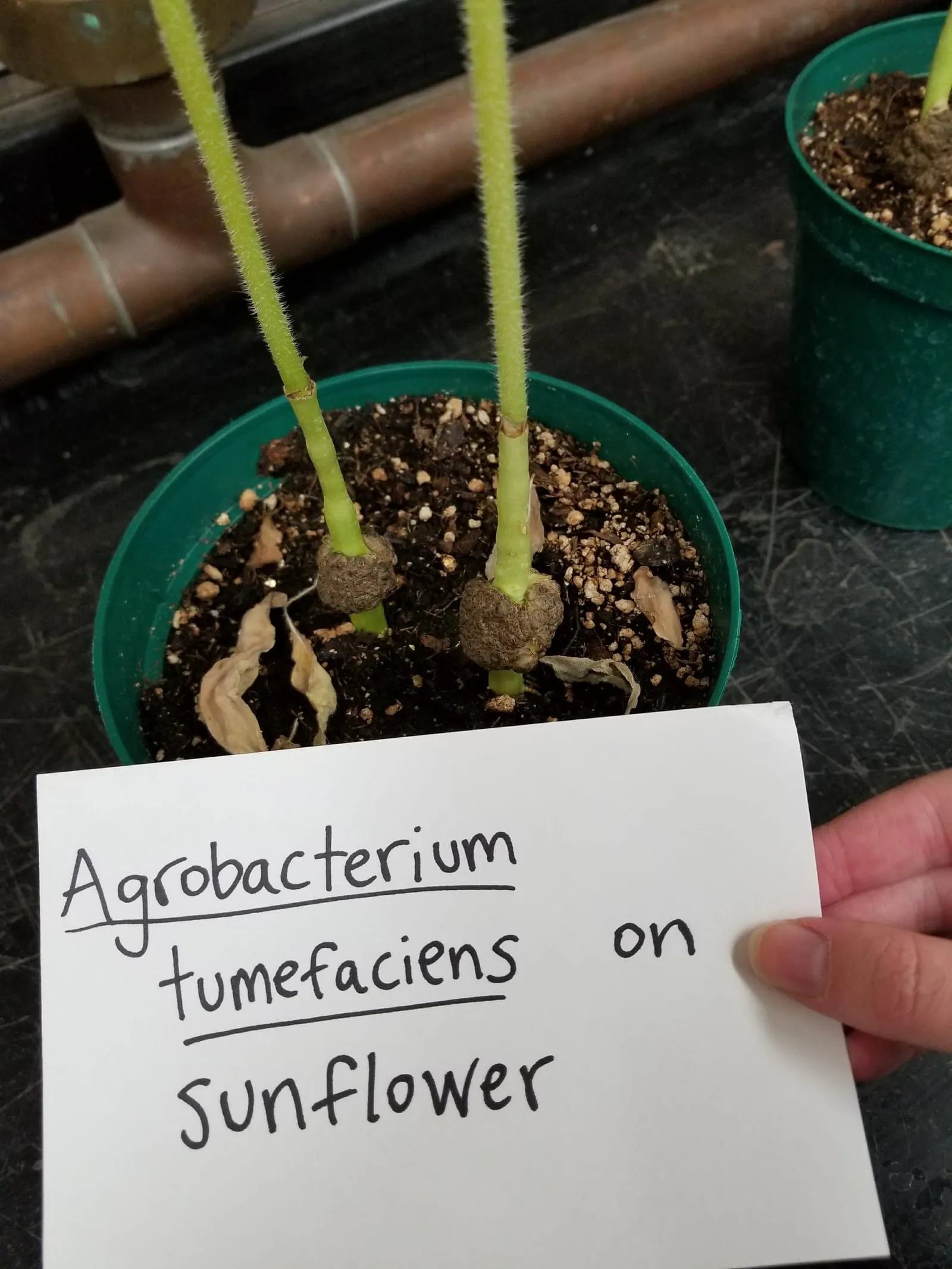
Agrobacterium tumefaciens
Soil-borne bacterium that enters plants through wounds and induces tumor-like galls on roots, crown, and lower stems. Galls reduce vigor and shorten plant lifespan; on Rubus the disease is often fatal.
Modified care for zone 5b
The main adjustment in zone 5b is frost protection during bloom. When a late frost is forecast after buds have broken, row covers or overhead sprinkler irrigation can protect open flowers. Overhead irrigation works by releasing latent heat as water freezes on the plant surface, keeping flower tissue just above the damage threshold.
Apply 4 to 6 inches of acidic mulch, such as pine bark or wood chips, over the root zone each fall. Blueberry roots are shallow and sensitive to freeze-thaw cycles; consistent mulching buffers soil temperature and retains moisture during dry stretches.
Mummy Berry and Blueberry Stem Blight both benefit from wet, cool spring conditions that are common in zone 5b. Rake and remove mummified fruit from beneath plants before bloom each year to break the Mummy Berry cycle. In sites with slow-draining soils, Phytophthora Root Rot is a serious risk; raised or mounded planting rows improve drainage and significantly reduce disease incidence.
Frequently asked questions
- Will highbush blueberries survive zone 5b winters without protection?
Established plants of cold-hardy varieties like Patriot, Duke, and Liberty generally survive zone 5b winters without additional protection. Young plants in their first or second season benefit from mulching the root zone and, in exposed sites, a burlap windbreak. Avoid late-season nitrogen fertilization, which can leave new growth vulnerable to early freeze damage.
- Which highbush blueberry varieties are best for zone 5b?
Patriot and Duke are the most reliably cold-hardy options and are good starting points for zone 5b. Bluecrop is a proven mid-season variety with strong disease tolerance. Liberty and Elliott extend the harvest season into late summer and early fall. Chandler produces large berries but may need a sheltered site in the colder parts of zone 5b.
- What soil pH do highbush blueberries need, and does that matter more in zone 5b?
Highbush blueberries require a soil pH between 4.5 and 5.0. This requirement applies regardless of zone. In zone 5b, many native soils tend toward neutral or slightly acidic, so testing and amending with sulfur before planting is typically necessary. Mulching with pine bark helps maintain acidity over time.
- How do I prevent Mummy Berry in zone 5b?
Mummy Berry overwinters in infected fruit on or near the soil surface. The primary control is sanitation: remove and dispose of any mummified berries from under the plants before bloom each spring. Avoid overhead irrigation during bloom if possible, as wet conditions favor spore release. Fungicide applications at early bloom provide additional protection in sites with a history of the disease.
+−
+−
+−
+−
Highbush Blueberry in adjacent zones
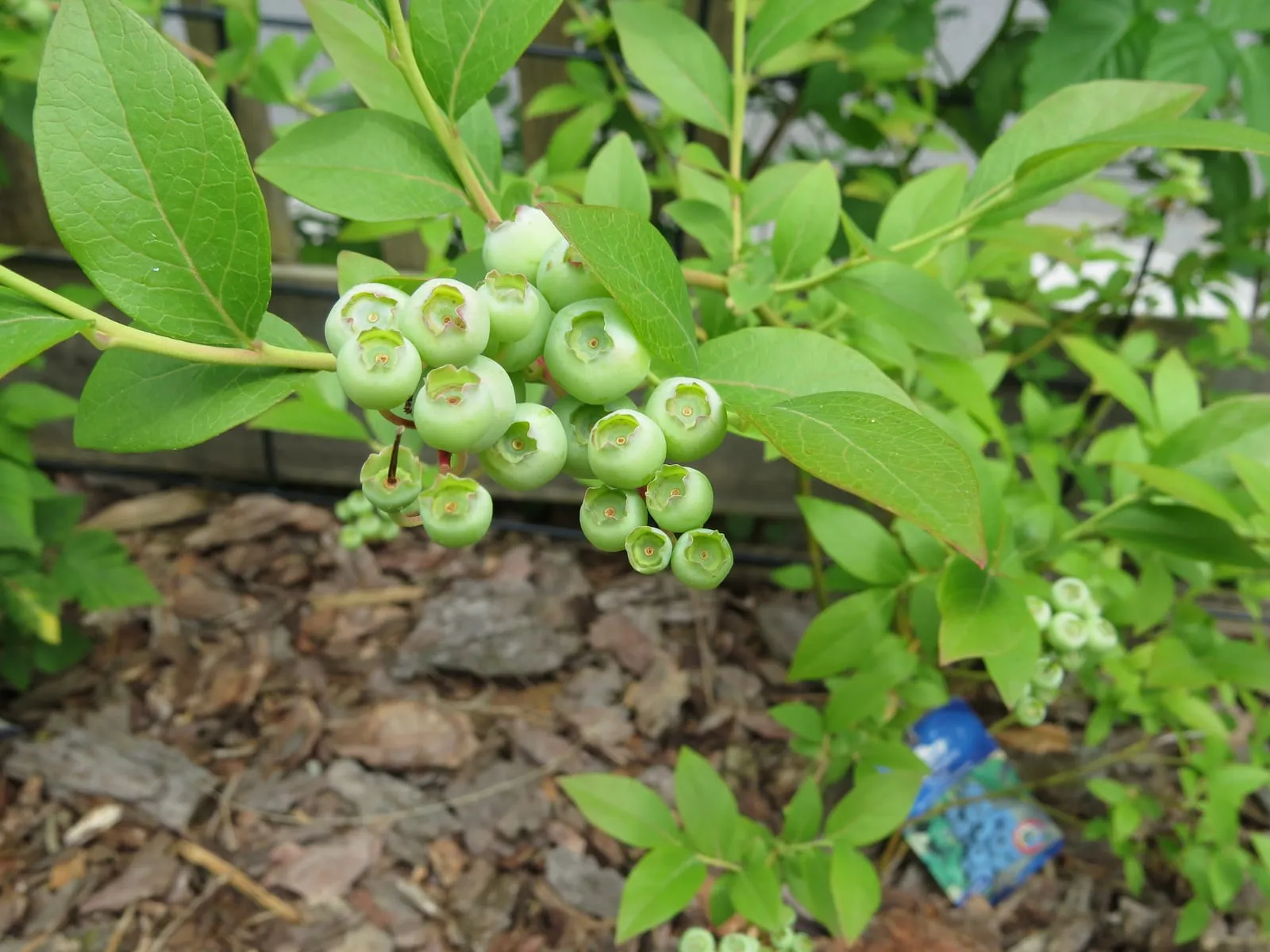
Image: "2018-06-01 (134) Unripe Vaccinium corymbosum (northern highbush blueberry) at Bichlhäusl in Frankenfels, Austria", by GT1976, via Wikimedia Commons, licensed under CC-BY Source.
_Unripe_Vaccinium_corymbosum_(northern_highbush_blueberry)_at_Bichlh%C3%A4usl_in_Frankenfels,_Austria.jpg)
Related