berry in zone 6b
Growing highbush blueberry in zone 6b
Vaccinium corymbosum
- Zone
- 6b -5°F to 0°F
- Growing season
- 190 days
- Chill needed
- 800 to 1000 below 45°F
- Suitable varieties
- 6
- Days to harvest
- 60 to 90
The verdict
Zone 6b (winter lows of -5°F to 0°F) is a solid fit for highbush blueberry, not a marginal one. The crop's chill-hour requirement of 800 to 1,000 hours is reliably met across zone 6b, where most locations accumulate 1,000 to 1,200 hours below 45°F each winter. That surplus reduces the risk of incomplete dormancy break and erratic fruiting that affects growers in warmer zones.
The 190-day growing season provides adequate time from bloom through fruit maturation. Varieties like Bluecrop, Duke, and Patriot were developed specifically for mid-Atlantic and Northeast conditions, making zone 6b well within their target range. The main zone-specific concern is not cold insufficiency but the opposite edge: late-spring freezes during bloom can cause significant crop loss in some years. Soil preparation remains the dominant determinant of long-term success in zone 6b, as highbush blueberry is more sensitive to pH and drainage than to winter cold at this latitude.
Recommended varieties for zone 6b
6 cultivars suited to this zone, with disease-resistance and zone-fit annotations.
| Variety | Notes | Zone fit | Disease resistance |
|---|---|---|---|
| Bluecrop fits zone 6b | Tart-sweet, firm, balanced flavor with classic blueberry tang; the industry standard. Fresh eating, baking, freezing. Heavy producer, mid-season. Reliable backbone of any planting. | | none noted |
| Duke fits zone 6b | Mild-sweet, firm with crisp texture; clean flavor, less complex than Bluecrop but holds quality on the bush. Early-season, machine-harvest favorite. Frost-tolerant bloom. | | none noted |
| Liberty fits zone 6b | Rich, sweet-tart, complex flavor; outstanding fresh-eating quality, premium. Large firm berries store well. Late-season. Excellent home-garden choice. | | none noted |
| Patriot fits zone 6b | Sweet-tart, large berries with rich flavor; fresh eating, baking, jam. Cold-hardiest commercial highbush, reliable in zone 4 sites where Bluecrop fails. | | none noted |
| Elliott fits zone 6b | Tart, firm, classic late-season flavor; the latest-ripening highbush, extends harvest into September. Stores exceptionally well. | | none noted |
| Chandler fits zone 6b | Sweet, mild, very large berries (quarter-sized); fresh eating standout, prized for U-pick. Mid- to late-season, lower yield than Bluecrop but premium quality. | | none noted |
Critical timing for zone 6b
Highbush blueberry bloom in zone 6b typically falls in late April to early May, varying by variety and microclimate. Early-flowering varieties like Duke can open by mid-April, which overlaps with the average last-frost window for much of zone 6b (commonly April 10 to April 25 depending on location). A late frost during open bloom can eliminate a substantial portion of the crop in a given year.
Harvest runs from late June through early August. Duke and Patriot ripen by late June to early July; Bluecrop follows in mid-July; later varieties like Elliott and Chandler extend into early August. The 190-day growing season gives even the latest-ripening varieties sufficient time to reach full maturity before autumn frost becomes a risk.
Common challenges in zone 6b
- ▸ Cedar-apple rust
- ▸ Fire blight
- ▸ Stink bugs
Disease pressure to watch for
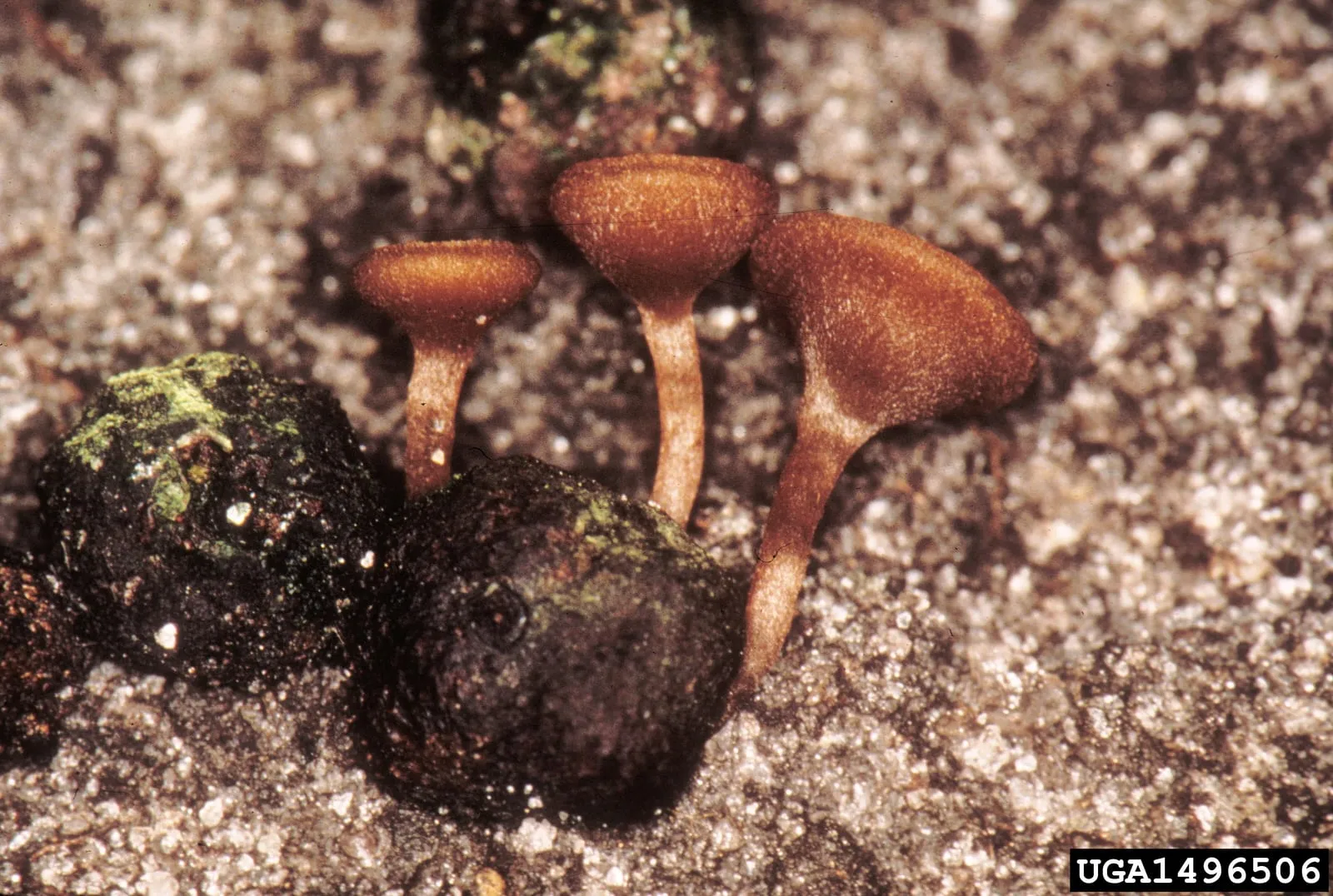
Monilinia vaccinii-corymbosi
The most damaging blueberry disease in the eastern US, killing shoots in spring and mummifying fruit later in the season.
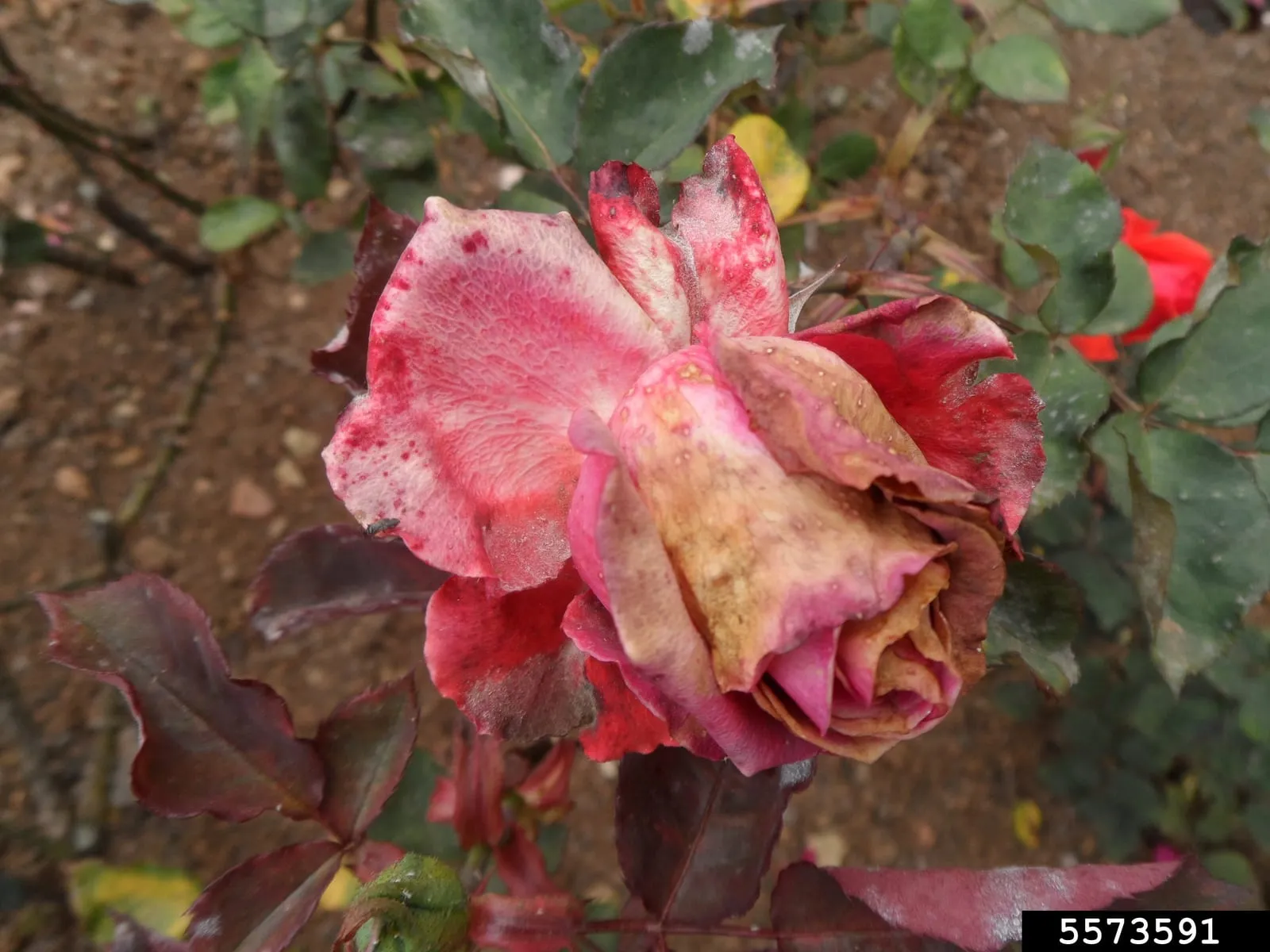
Botrytis cinerea
Ubiquitous fungal disease that causes fruit rot during cool wet weather, often the dominant berry disease in humid regions.
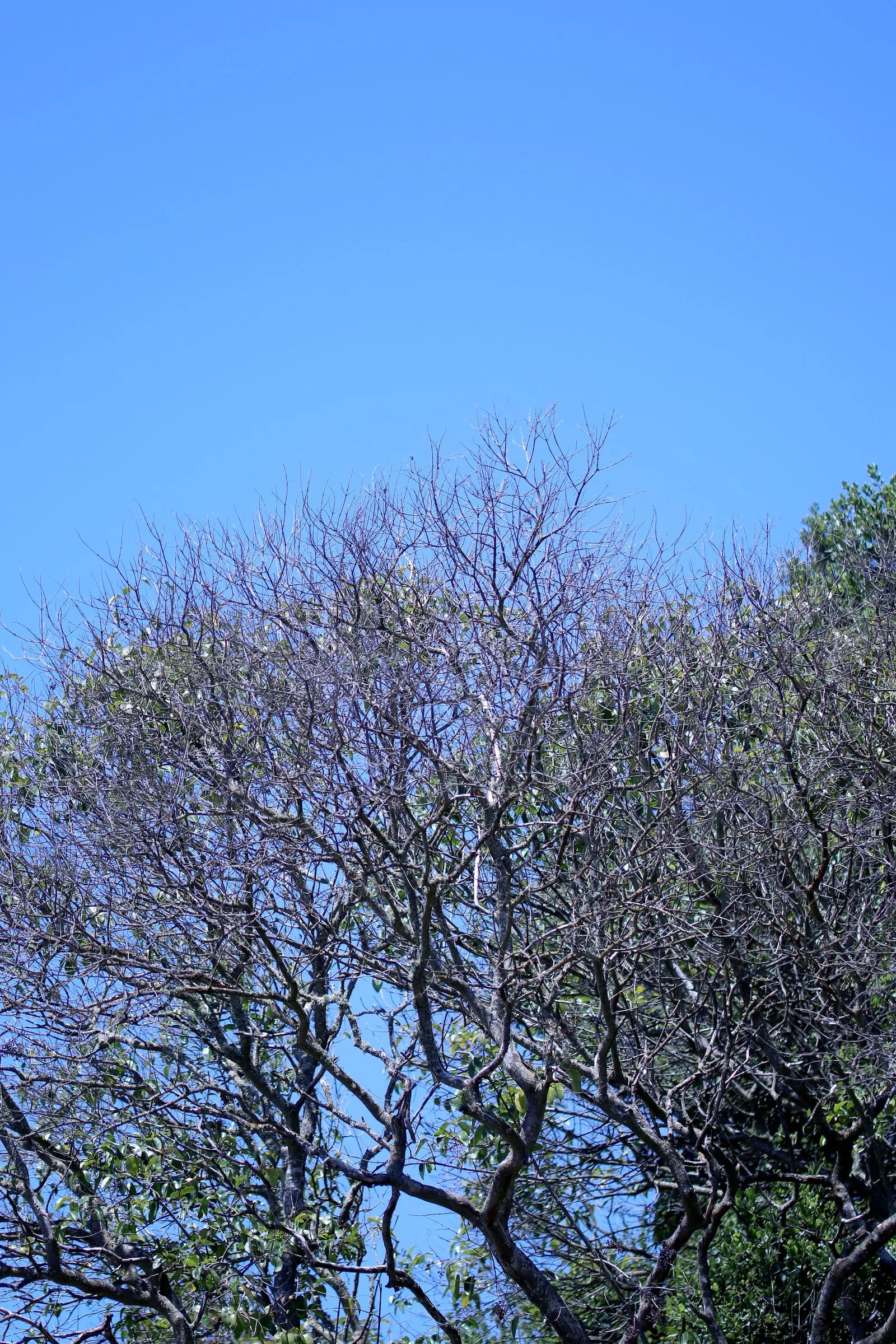
Phytophthora species
Soil-borne water mold that destroys roots in waterlogged soils, the leading cause of blueberry decline in poorly drained sites.
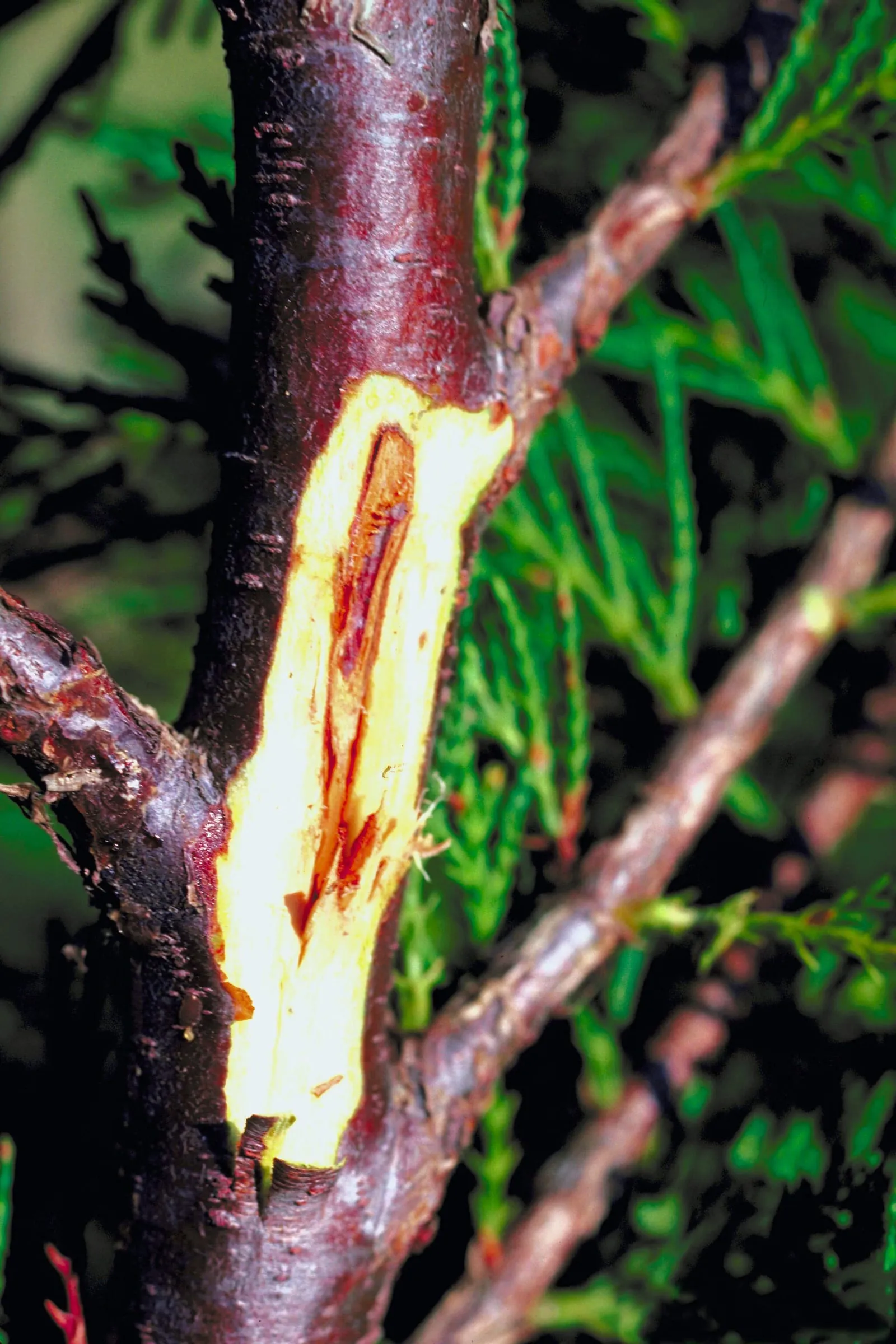
Botryosphaeria dothidea
Fungal disease that enters through wounds and kills entire stems or whole bushes, particularly damaging on young plantings in the southeastern US.
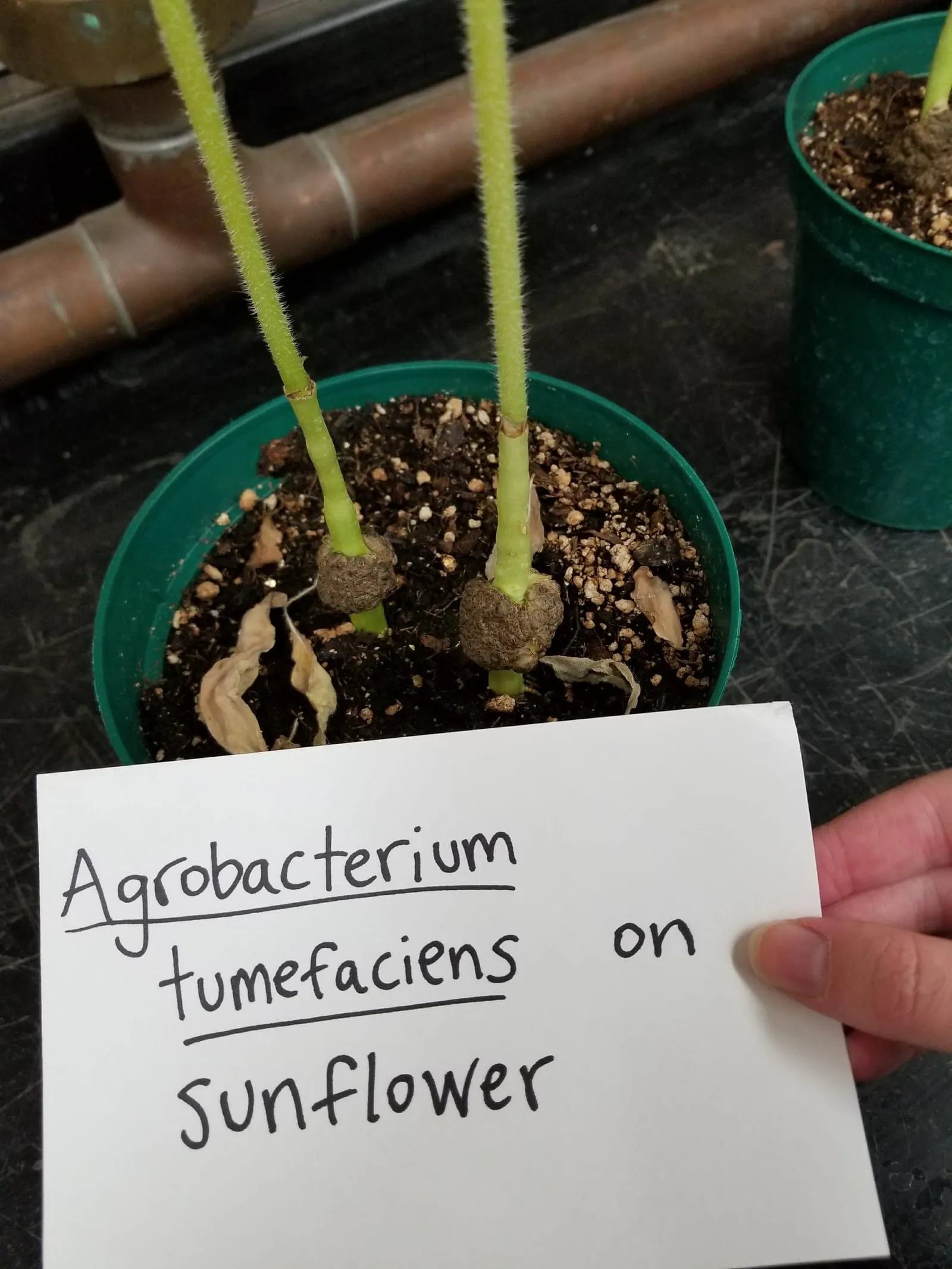
Agrobacterium tumefaciens
Soil-borne bacterium that enters plants through wounds and induces tumor-like galls on roots, crown, and lower stems. Galls reduce vigor and shorten plant lifespan; on Rubus the disease is often fatal.
Modified care for zone 6b
Growers in zone 6b should expect pressure from mummy berry and gray mold (Botrytis), both of which thrive in the cool, wet spring conditions common to the zone. Removing and destroying mummified fruit on the ground before growth resumes each spring is the most effective mummy berry control available without fungicides. Selective pruning to open the canopy reduces gray mold incidence by improving air circulation and drying time after rain.
Stink bugs are a notable zone 6b pest that can cause both cosmetic and structural damage to ripening fruit through July and August. Physical exclusion netting, installed before fruit begins to color, is the most reliable control at home-garden scale.
Soil pH adjustment requires consistent attention. Blueberries need a pH between 4.5 and 5.5; many zone 6b soils run higher. Annual sulfur applications and acidifying mulches (pine bark, pine needles) help maintain the target range, but growers should test soil pH every two to three years rather than assuming amendments are holding.
Highbush Blueberry in adjacent zones
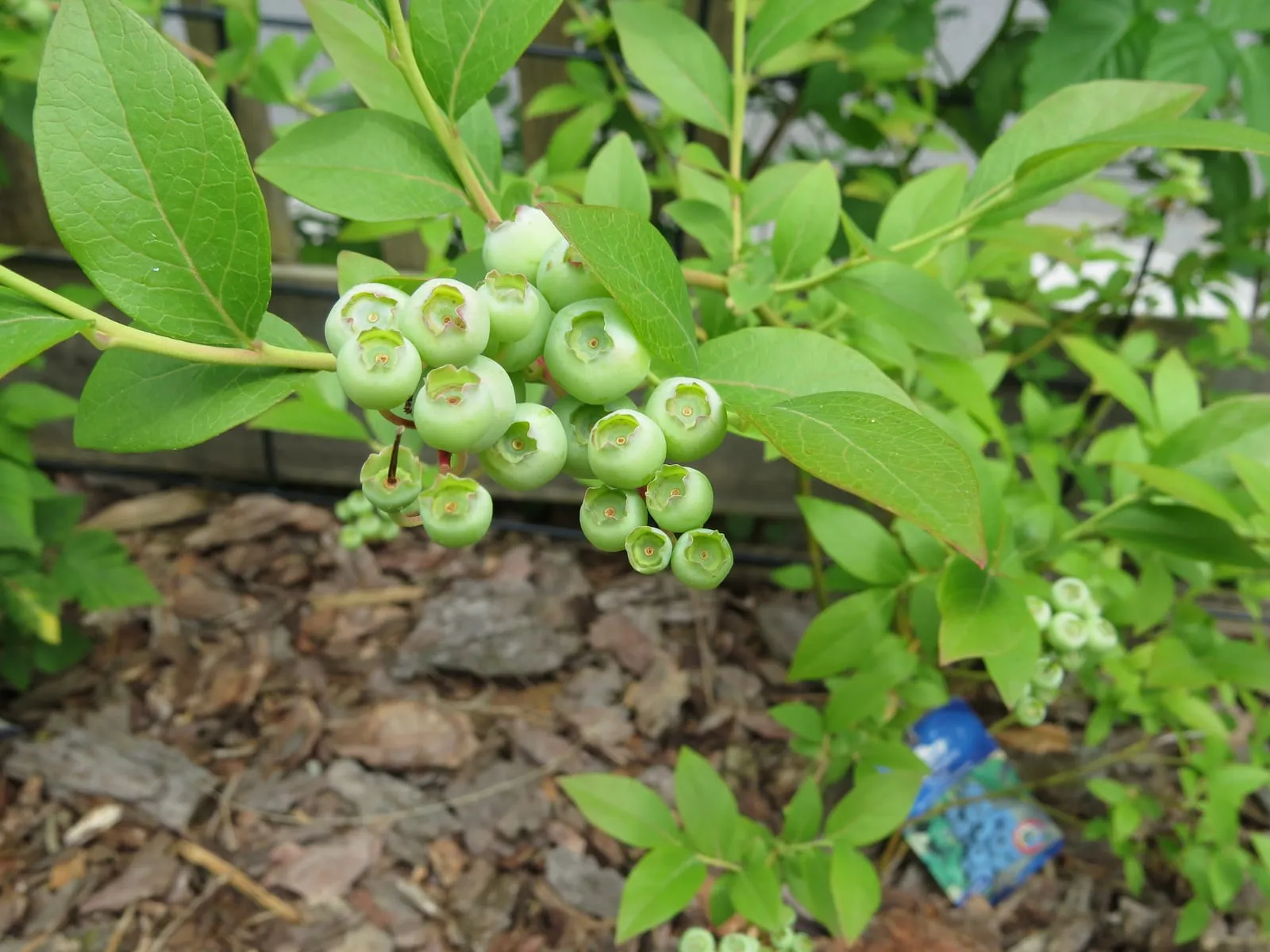
Image: "2018-06-01 (134) Unripe Vaccinium corymbosum (northern highbush blueberry) at Bichlhäusl in Frankenfels, Austria", by GT1976, via Wikimedia Commons, licensed under CC-BY Source.
_Unripe_Vaccinium_corymbosum_(northern_highbush_blueberry)_at_Bichlh%C3%A4usl_in_Frankenfels,_Austria.jpg)
Related