berry in zone 7a
Growing highbush blueberry in zone 7a
Vaccinium corymbosum
- Zone
- 7a 0°F to 5°F
- Growing season
- 210 days
- Chill needed
- 800 to 1000 below 45°F
- Suitable varieties
- 5
- Days to harvest
- 60 to 90
The verdict
Zone 7a sits at the southern edge of highbush blueberry's reliable range, but it is workable rather than marginal for most of the zone. Highbush varieties typically require 800 to 1,000 chill hours (hours at or below 45°F), and most zone 7a locations accumulate enough chilling in a normal winter to satisfy that requirement. The concern is not usually insufficient chill hours but rather erratic late-winter warm spells that push plants into early bloom before the frost risk has passed.
Variety selection matters considerably here. Bluecrop and Duke, both in the 800 to 1,000 chill-hour range, are well-matched to zone 7a. Elliott and Liberty, on the upper end of that window, ripen late and may miss the peak summer heat that can stress fruit quality. Chandler, a large-fruited variety, performs reliably but benefits from well-drained, amended soil to manage root health through wet winters.
Recommended varieties for zone 7a
5 cultivars suited to this zone, with disease-resistance and zone-fit annotations.
| Variety | Notes | Zone fit | Disease resistance |
|---|---|---|---|
| Bluecrop fits zone 7a | Tart-sweet, firm, balanced flavor with classic blueberry tang; the industry standard. Fresh eating, baking, freezing. Heavy producer, mid-season. Reliable backbone of any planting. | | none noted |
| Duke fits zone 7a | Mild-sweet, firm with crisp texture; clean flavor, less complex than Bluecrop but holds quality on the bush. Early-season, machine-harvest favorite. Frost-tolerant bloom. | | none noted |
| Liberty fits zone 7a | Rich, sweet-tart, complex flavor; outstanding fresh-eating quality, premium. Large firm berries store well. Late-season. Excellent home-garden choice. | | none noted |
| Elliott fits zone 7a | Tart, firm, classic late-season flavor; the latest-ripening highbush, extends harvest into September. Stores exceptionally well. | | none noted |
| Chandler fits zone 7a | Sweet, mild, very large berries (quarter-sized); fresh eating standout, prized for U-pick. Mid- to late-season, lower yield than Bluecrop but premium quality. | | none noted |
Critical timing for zone 7a
Highbush blueberry bloom in zone 7a typically begins in late March to early April, with early-ripening varieties like Duke occasionally opening in mid-March during warm springs. Zone 7a's average last spring frost falls between late March and early April depending on elevation and local geography, which means bloom and frost risk overlap in most years. Late frosts at or below 28°F can damage open blossoms and reduce set significantly.
Harvest runs from late June through August. Duke and Bluecrop ripen in late June to mid-July; Chandler and Elliott extend the season into August. The 210-day growing season is more than sufficient for all standard highbush varieties to reach full maturity.
Common challenges in zone 7a
- ▸ Cedar-apple rust
- ▸ Brown rot
- ▸ Fire blight
- ▸ High humidity disease pressure
Disease pressure to watch for
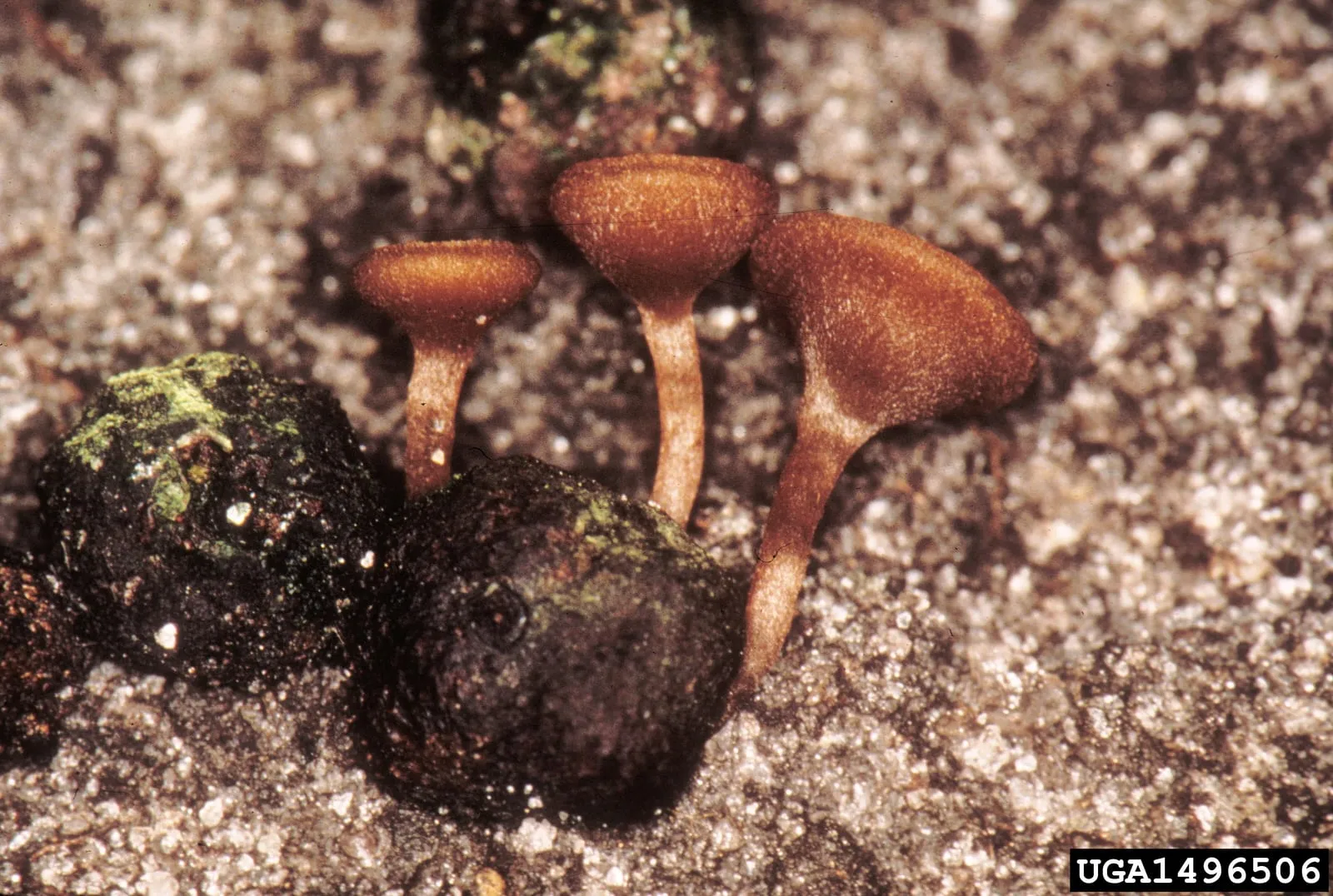
Monilinia vaccinii-corymbosi
The most damaging blueberry disease in the eastern US, killing shoots in spring and mummifying fruit later in the season.
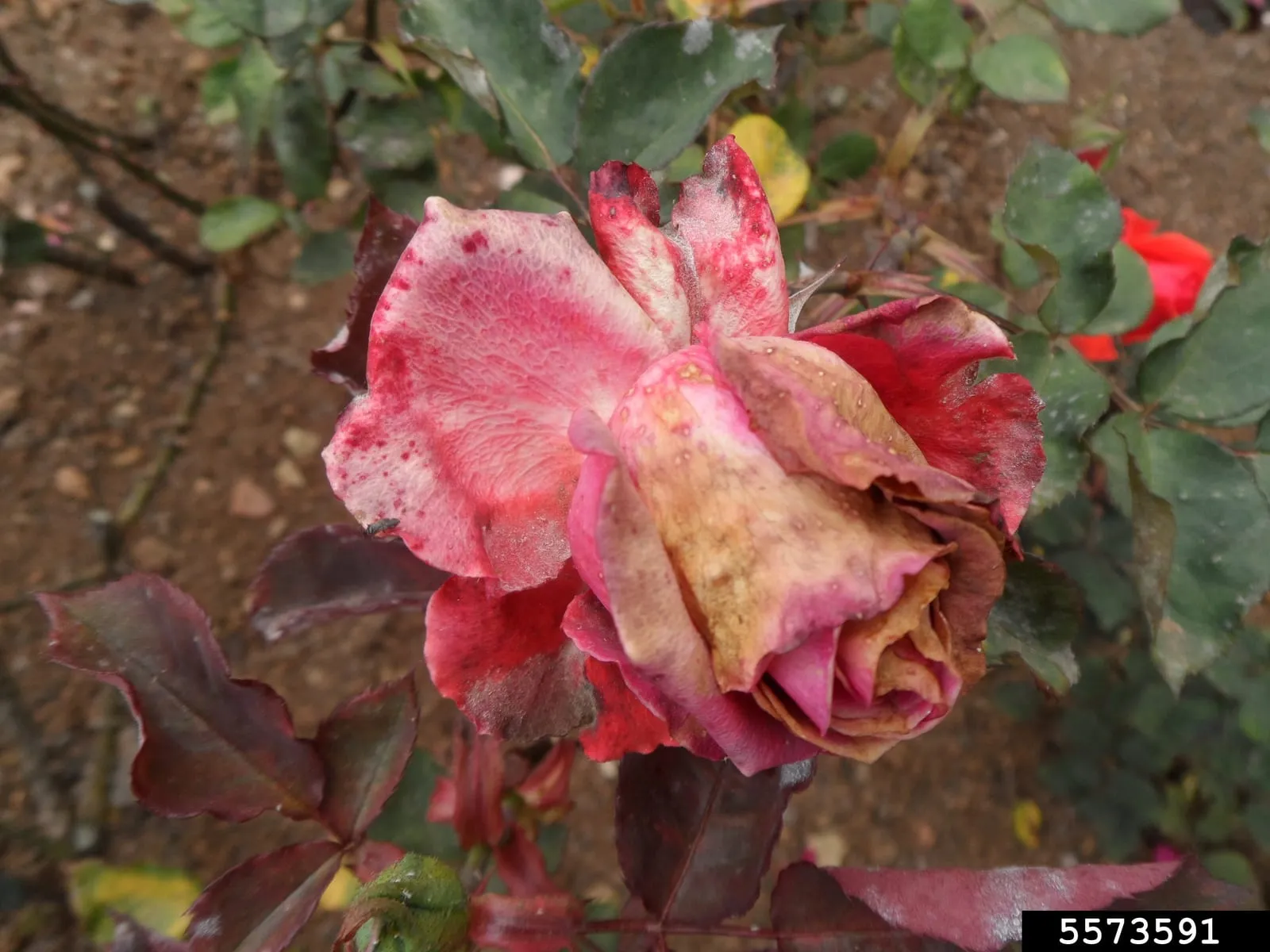
Botrytis cinerea
Ubiquitous fungal disease that causes fruit rot during cool wet weather, often the dominant berry disease in humid regions.
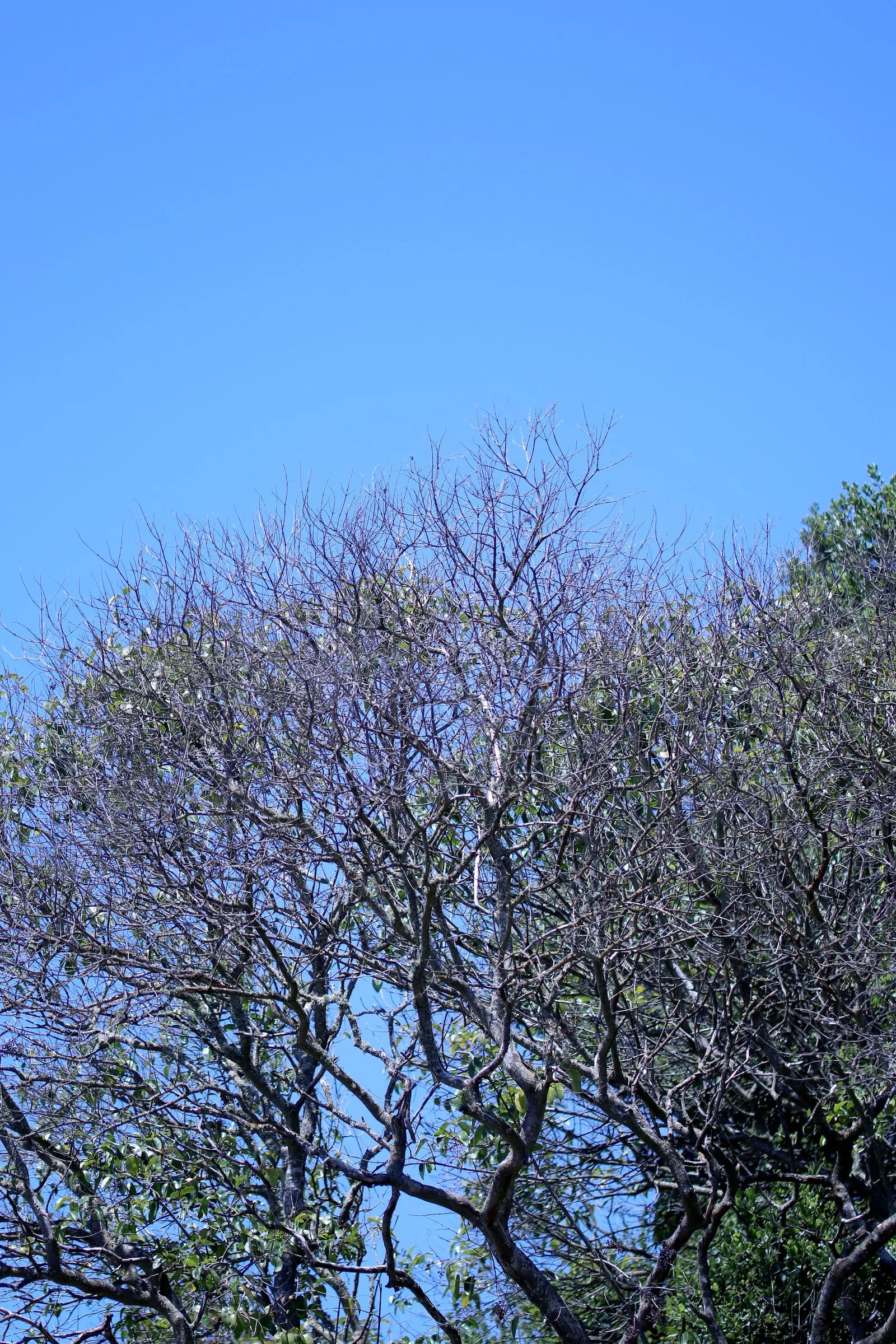
Phytophthora species
Soil-borne water mold that destroys roots in waterlogged soils, the leading cause of blueberry decline in poorly drained sites.
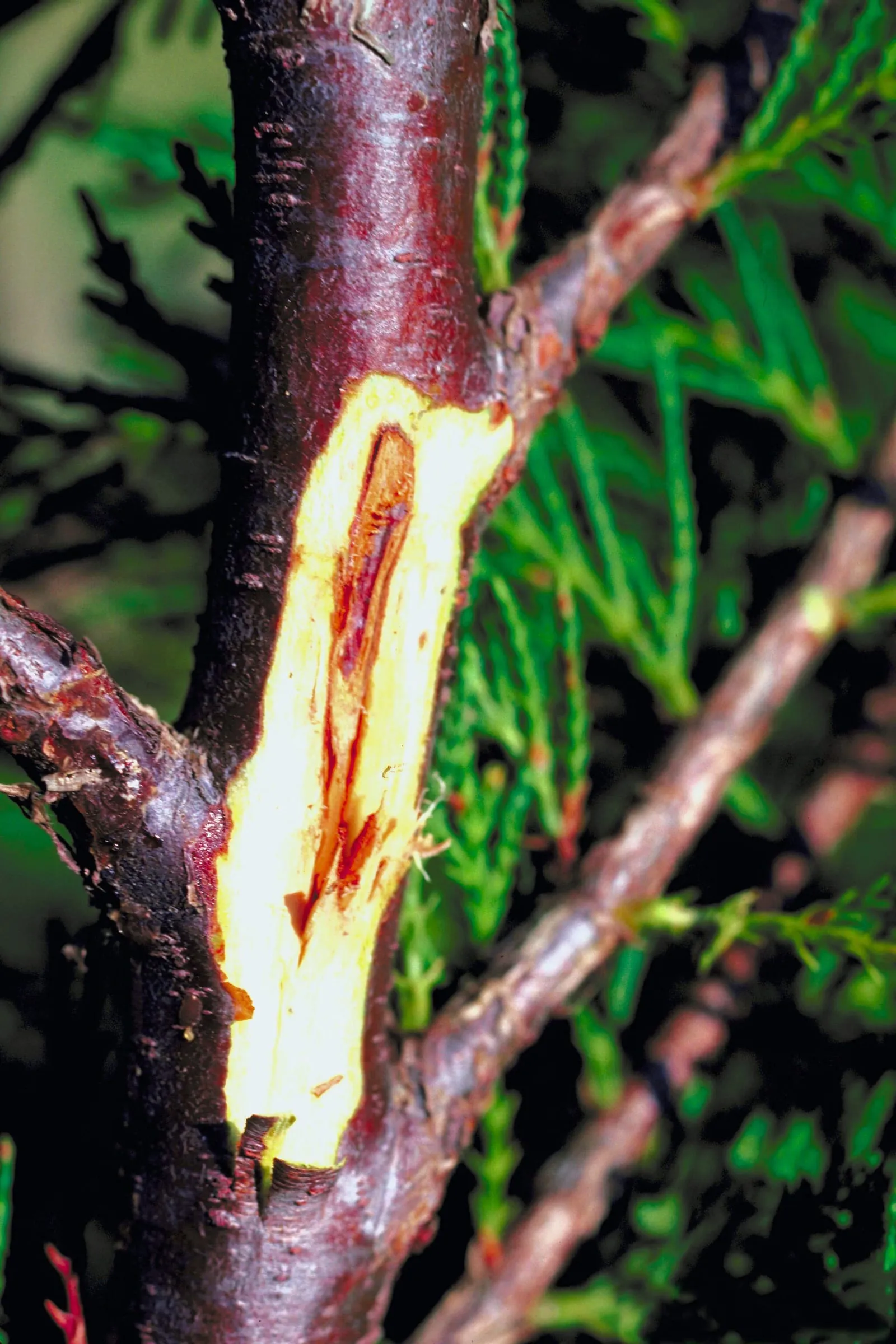
Botryosphaeria dothidea
Fungal disease that enters through wounds and kills entire stems or whole bushes, particularly damaging on young plantings in the southeastern US.
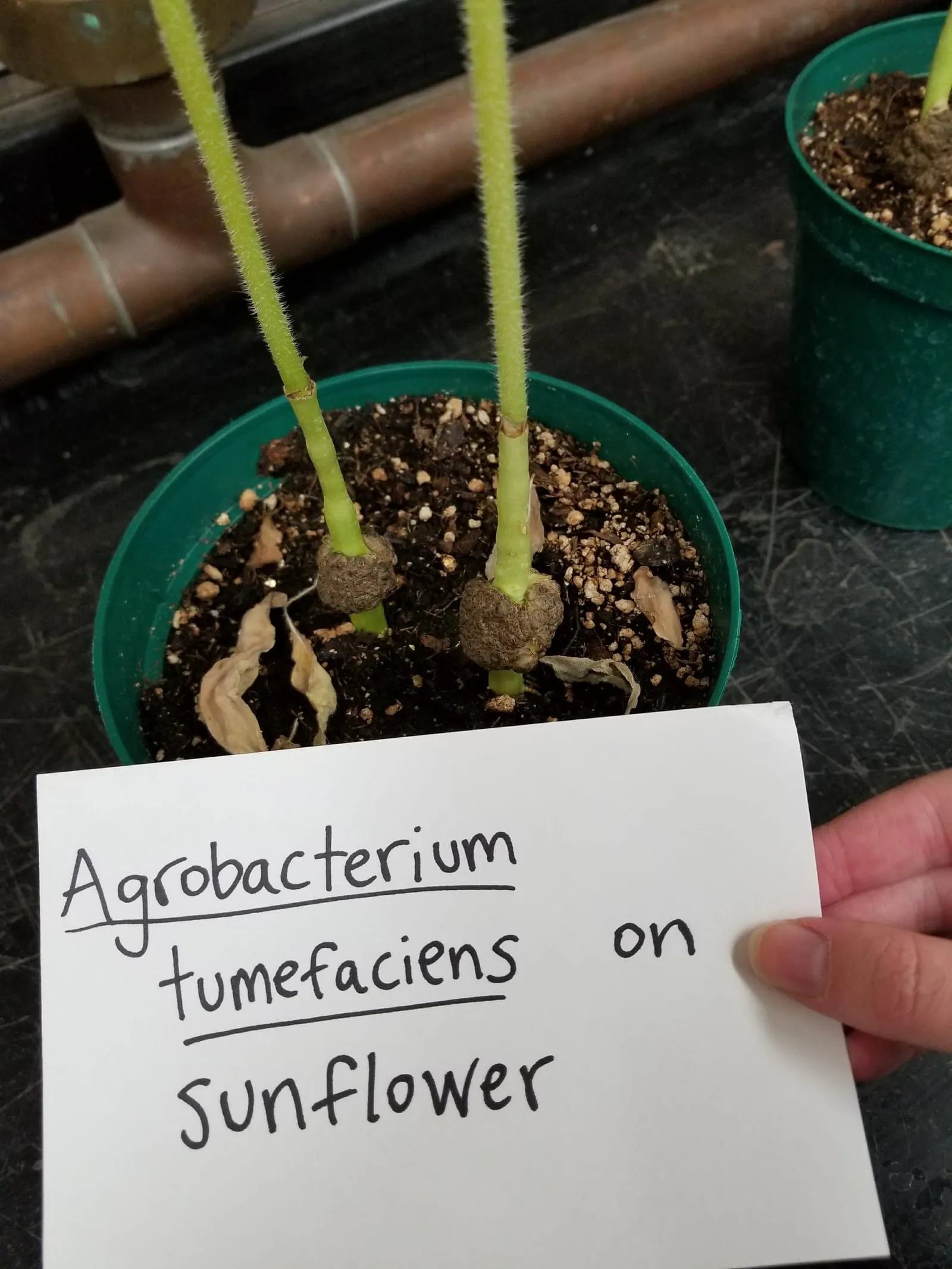
Agrobacterium tumefaciens
Soil-borne bacterium that enters plants through wounds and induces tumor-like galls on roots, crown, and lower stems. Galls reduce vigor and shorten plant lifespan; on Rubus the disease is often fatal.
Modified care for zone 7a
The primary adjustment in zone 7a is disease management. The combination of warm summers and high humidity creates sustained pressure from Mummy Berry, Gray Mold (Botrytis), and Blueberry Stem Blight. Maintaining 18 to 24 inches of spacing between canes and avoiding overhead irrigation reduces the canopy moisture that these pathogens require. Phytophthora root rot is a real concern in heavy or poorly drained soils; raised beds or berms are often the practical solution rather than amending clay in place.
Soil pH is non-negotiable. Highbush blueberry requires pH between 4.5 and 5.5, and most zone 7a native soils run higher. Test before planting and amend with elemental sulfur; retest annually. Summer heat above 90°F, which occurs regularly in zone 7a, can stress fruit set and berry size during the final swell stage. Supplemental irrigation during July and August is often necessary to maintain consistent soil moisture.
Frequently asked questions
- Does zone 7a get enough chill hours for highbush blueberry?
Most zone 7a locations accumulate 800 to 1,100 chill hours in a typical winter, which matches highbush blueberry's 800 to 1,000 hour requirement. The risk is not insufficient chilling overall but warm spells in late winter that break dormancy early and expose open blooms to subsequent frosts.
- Which highbush blueberry varieties do best in zone 7a?
Bluecrop and Duke are the most reliably productive choices in zone 7a. Both match the zone's typical chill-hour accumulation and ripen before peak summer heat. Chandler adds fruit size but requires well-drained soil. Elliott and Liberty can work but ripen late, which compresses the harvest window before fall rains increase disease pressure.
- Why is Phytophthora root rot a concern in zone 7a?
Zone 7a's winter rainfall combined with clay-heavy soils common across much of the Mid-Atlantic and upper South creates waterlogged conditions that favor Phytophthora. The pathogen attacks root systems gradually, often going unnoticed until the plant declines in summer heat. Raised beds and well-draining planting media are the most effective preventive measures.
- When should blueberries be planted in zone 7a?
Fall planting from October through November allows root establishment before winter and reduces transplant stress. Spring planting in late February to March also works but requires consistent irrigation through the first summer. Container-grown plants tolerate spring planting better than bare-root stock.
+−
+−
+−
+−
Highbush Blueberry in adjacent zones
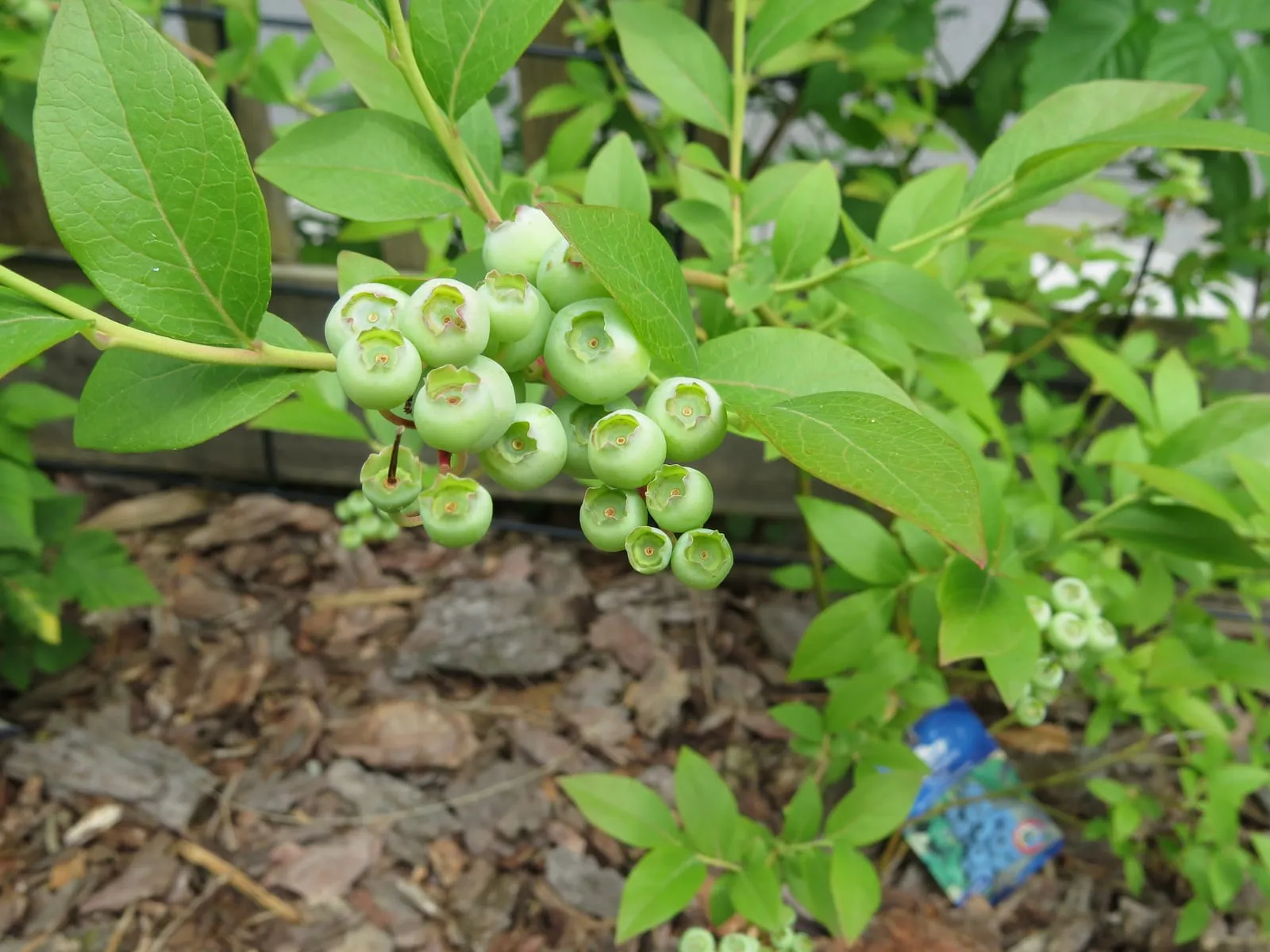
Image: "2018-06-01 (134) Unripe Vaccinium corymbosum (northern highbush blueberry) at Bichlhäusl in Frankenfels, Austria", by GT1976, via Wikimedia Commons, licensed under CC-BY Source.
_Unripe_Vaccinium_corymbosum_(northern_highbush_blueberry)_at_Bichlh%C3%A4usl_in_Frankenfels,_Austria.jpg)
Related