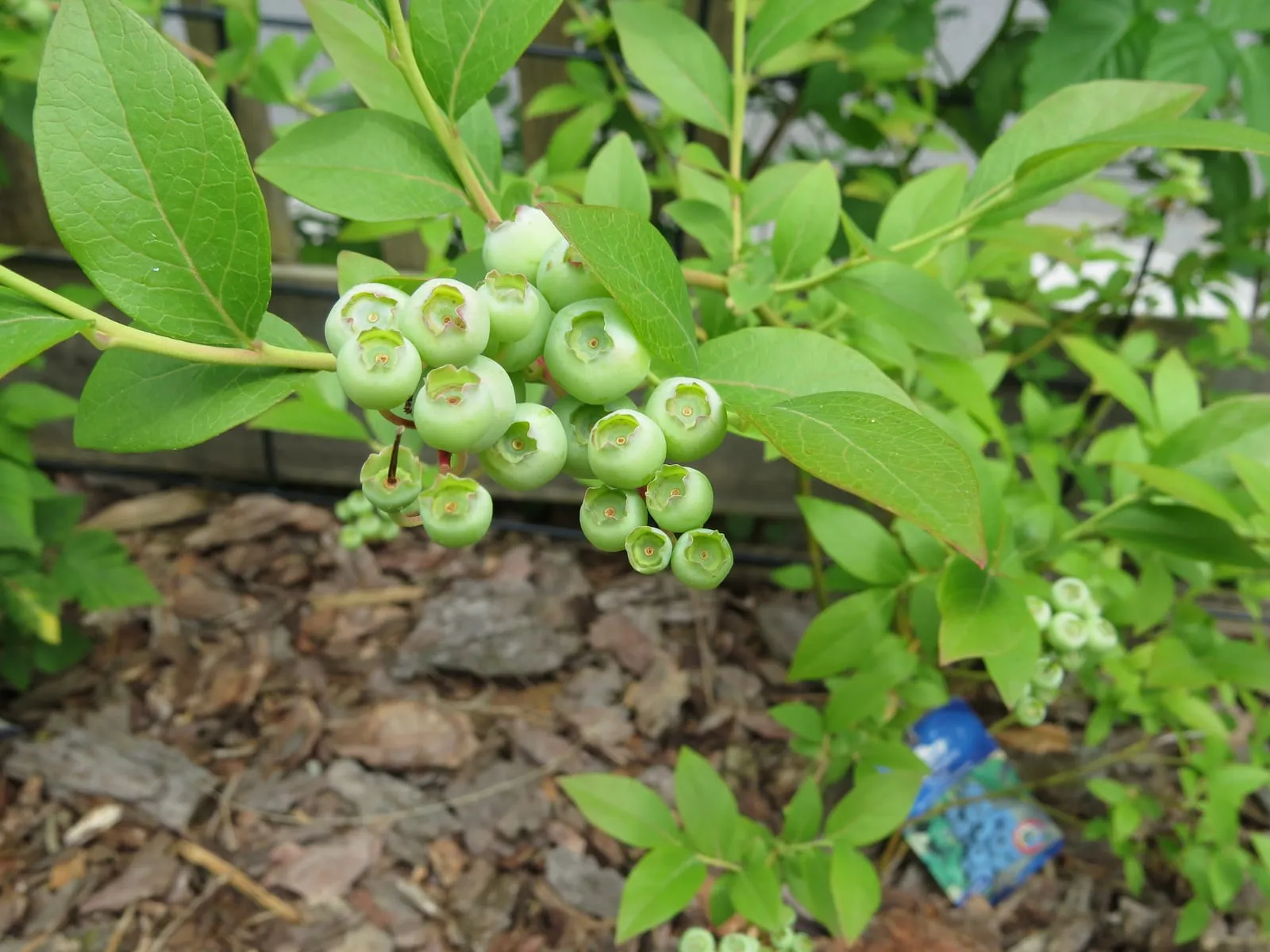
berry in zone 7b
Growing highbush blueberry in zone 7b
Vaccinium corymbosum
- Zone
- 7b 5°F to 10°F
- Growing season
- 220 days
- Chill needed
- 800 to 1000 below 45°F
- Suitable varieties
- 1
- Days to harvest
- 60 to 90
The verdict
Zone 7b sits at the warm edge of the standard highbush blueberry range. The crop's 800 to 1,000 chill-hour requirement is workable here: most of zone 7b accumulates between 800 and 1,100 hours below 45°F over a typical winter, but the margin is thin. In warmer pockets of the zone, particularly in low-elevation piedmont sites that see mild January and February temperatures, chill hours can fall short in a warm winter, reducing fruit set noticeably.
This is not a sweet spot for highbush blueberry, but it is not an outright mismatch either. Liberty is a reasonable variety choice for the zone: it performs acceptably at the lower end of the chill-hour window and carries useful disease resistance. The long 220-day growing season means the fruit has time to develop fully once bloom breaks, but summer heat stresses the shallow root system and compounds disease pressure. Growers who are thoughtful about site selection and soil management can get reliable crops; those expecting low-effort production will be disappointed.
Recommended varieties for zone 7b
1 cultivar suited to this zone, with disease-resistance and zone-fit annotations.
| Variety | Notes | Zone fit | Disease resistance |
|---|---|---|---|
| Liberty fits zone 7b | Rich, sweet-tart, complex flavor; outstanding fresh-eating quality, premium. Large firm berries store well. Late-season. Excellent home-garden choice. | | none noted |
Critical timing for zone 7b
In zone 7b, highbush blueberry typically blooms in late March to mid-April. The last average frost in most of the zone falls between late March and early April, which means open flowers are at real risk in years when cold returns after early warm spells. The 2023 USDA zone map reflects warming trends, but late-season hard freezes below 28°F remain common enough to warrant attention at bloom time.
Harvest runs from mid-June through late July for most varieties, though timing shifts by a week or two depending on elevation and aspect. The 220-day season gives ample runway after harvest for the plant to set next year's buds before the first fall frost, which typically arrives in mid to late November.
Common challenges in zone 7b
- ▸ Cedar-apple rust pressure heavy in piedmont
- ▸ Japanese beetles
- ▸ Brown marmorated stink bug
- ▸ Late summer disease pressure
Disease pressure to watch for
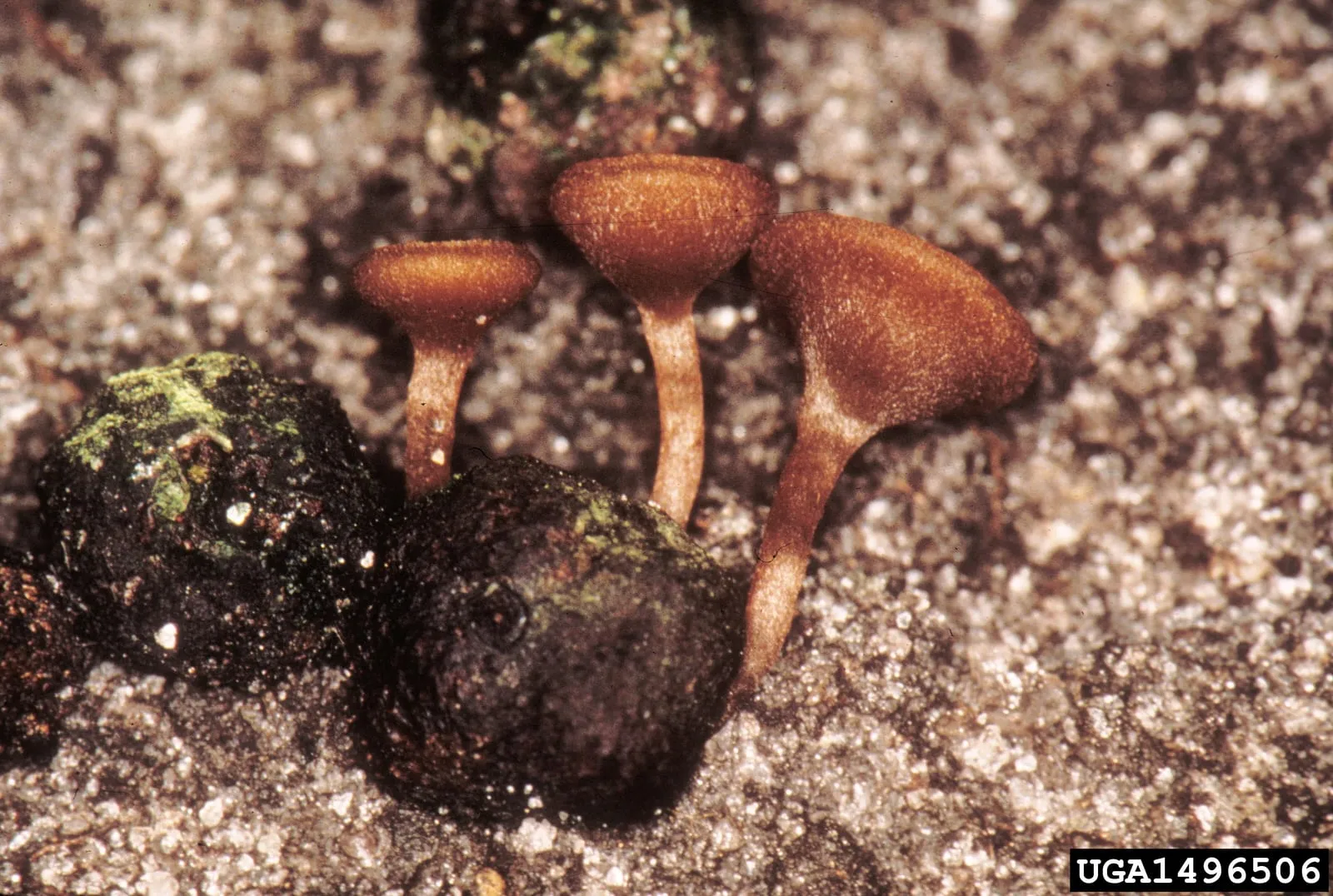
Monilinia vaccinii-corymbosi
The most damaging blueberry disease in the eastern US, killing shoots in spring and mummifying fruit later in the season.
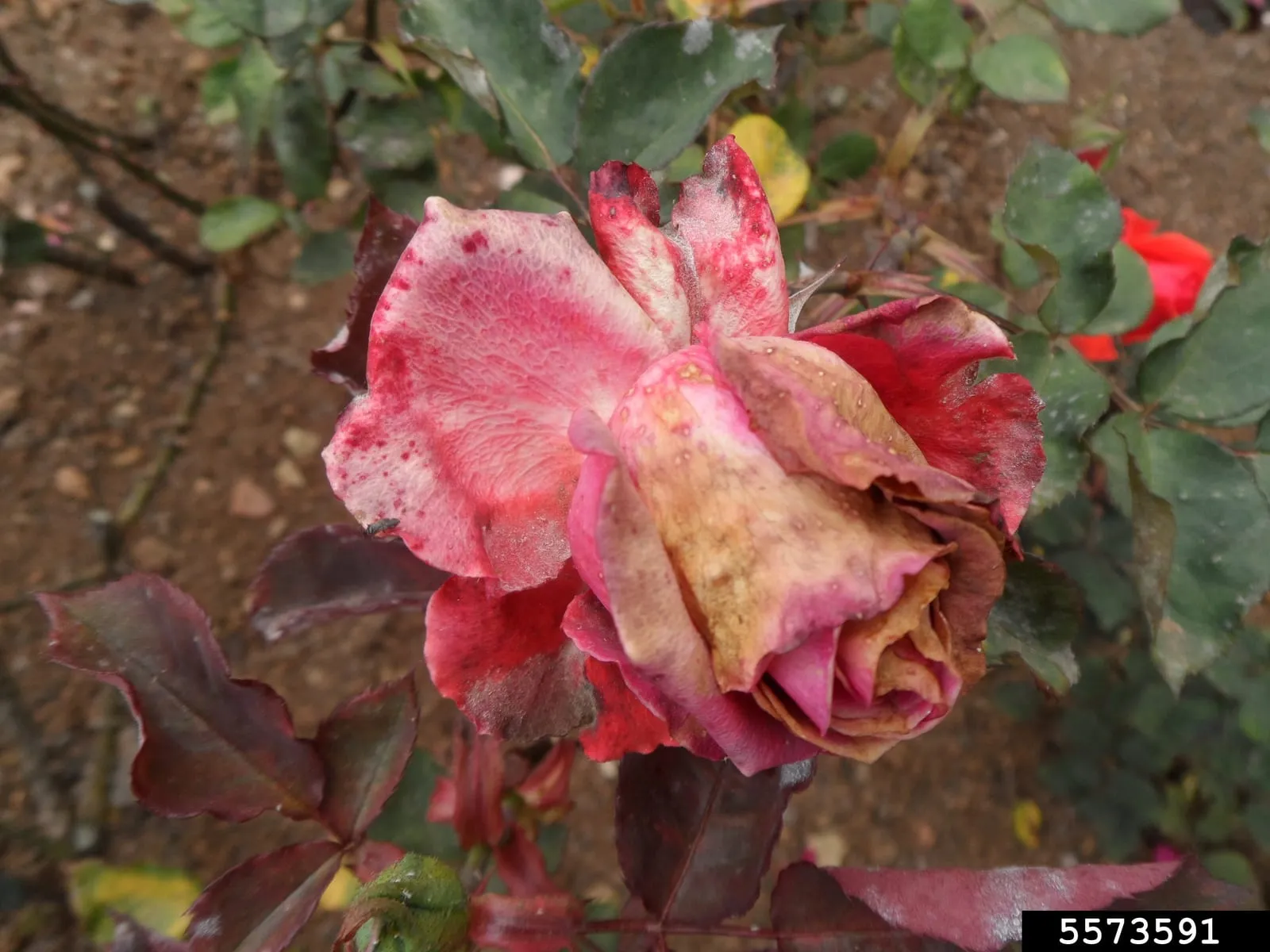
Botrytis cinerea
Ubiquitous fungal disease that causes fruit rot during cool wet weather, often the dominant berry disease in humid regions.
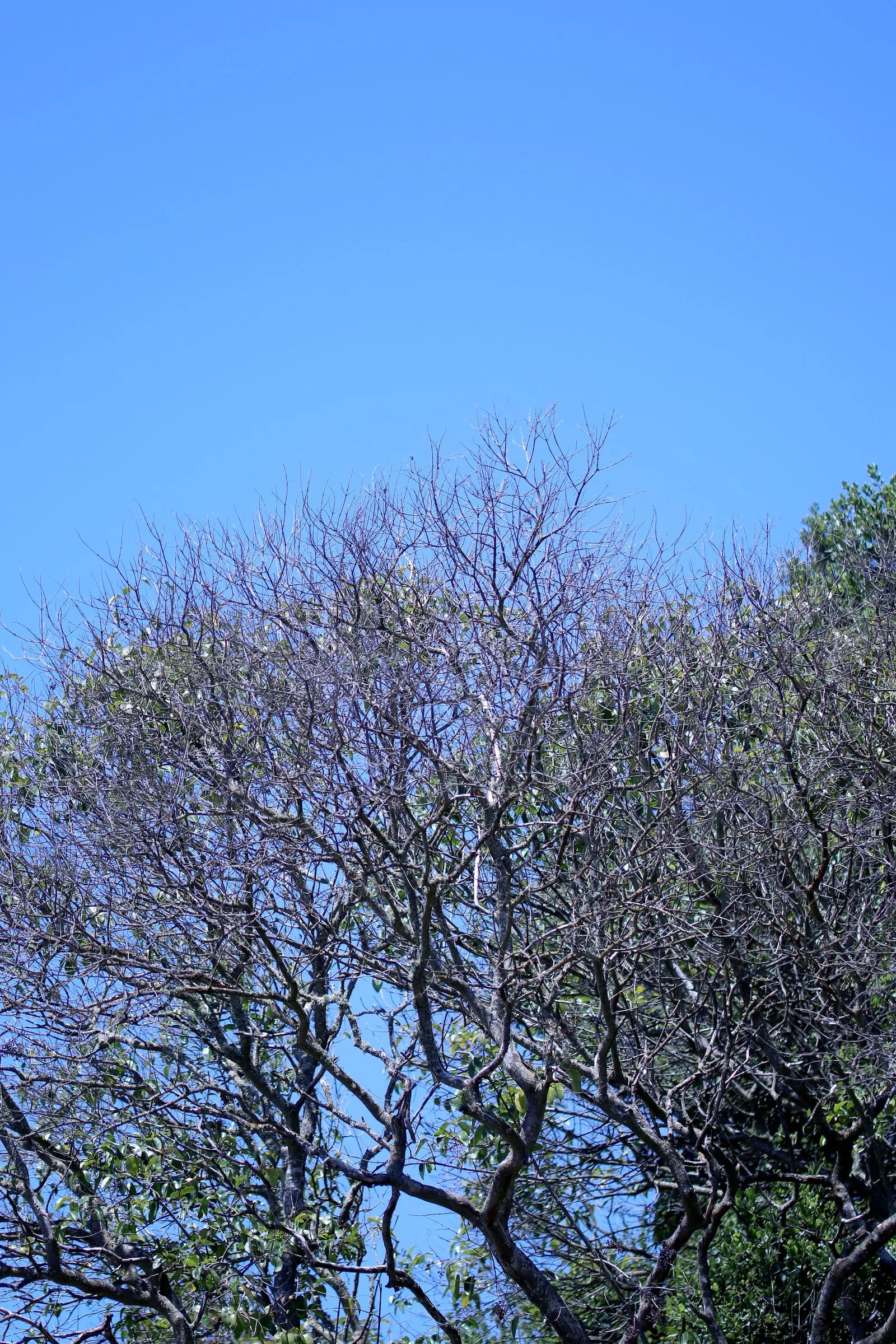
Phytophthora species
Soil-borne water mold that destroys roots in waterlogged soils, the leading cause of blueberry decline in poorly drained sites.
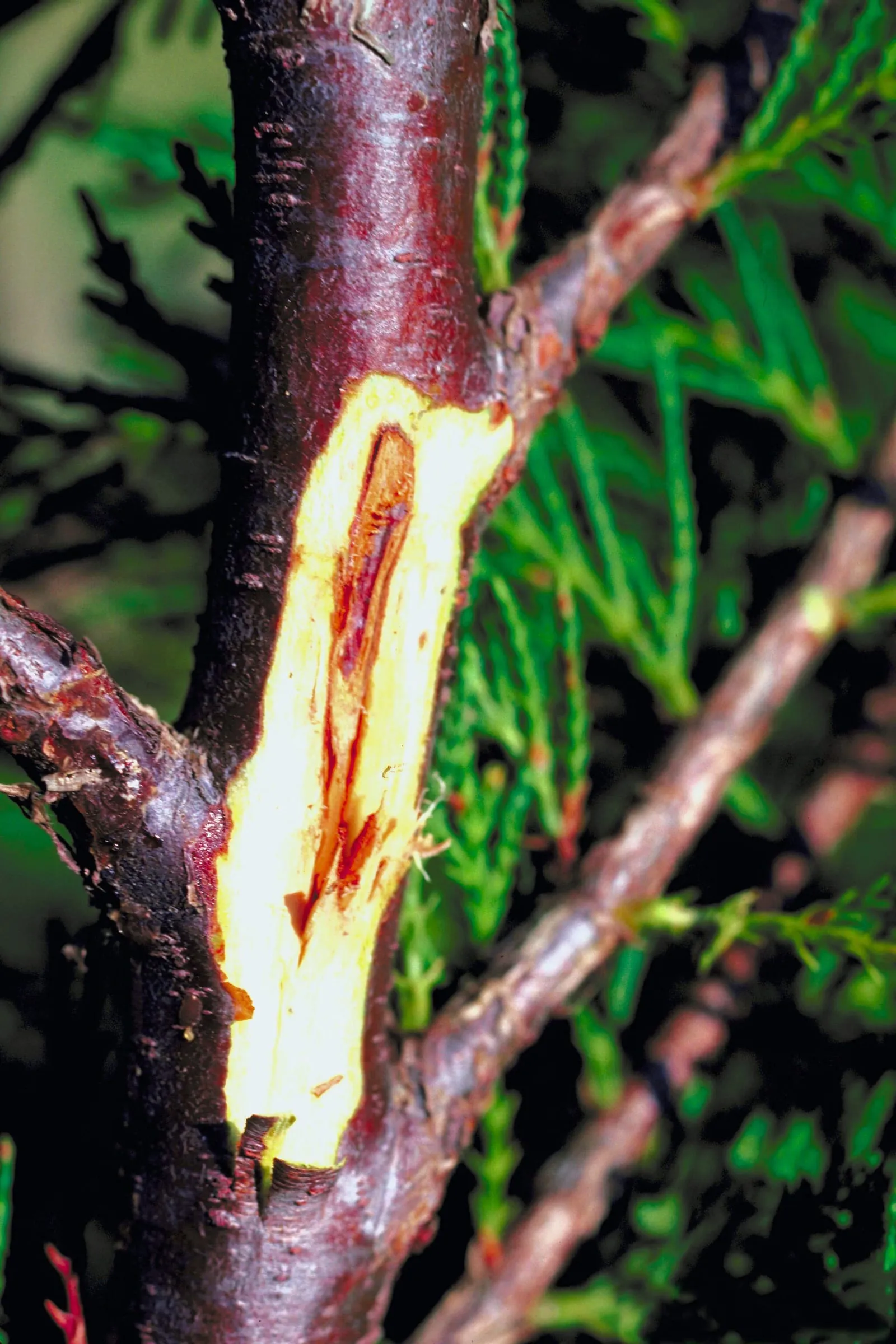
Botryosphaeria dothidea
Fungal disease that enters through wounds and kills entire stems or whole bushes, particularly damaging on young plantings in the southeastern US.
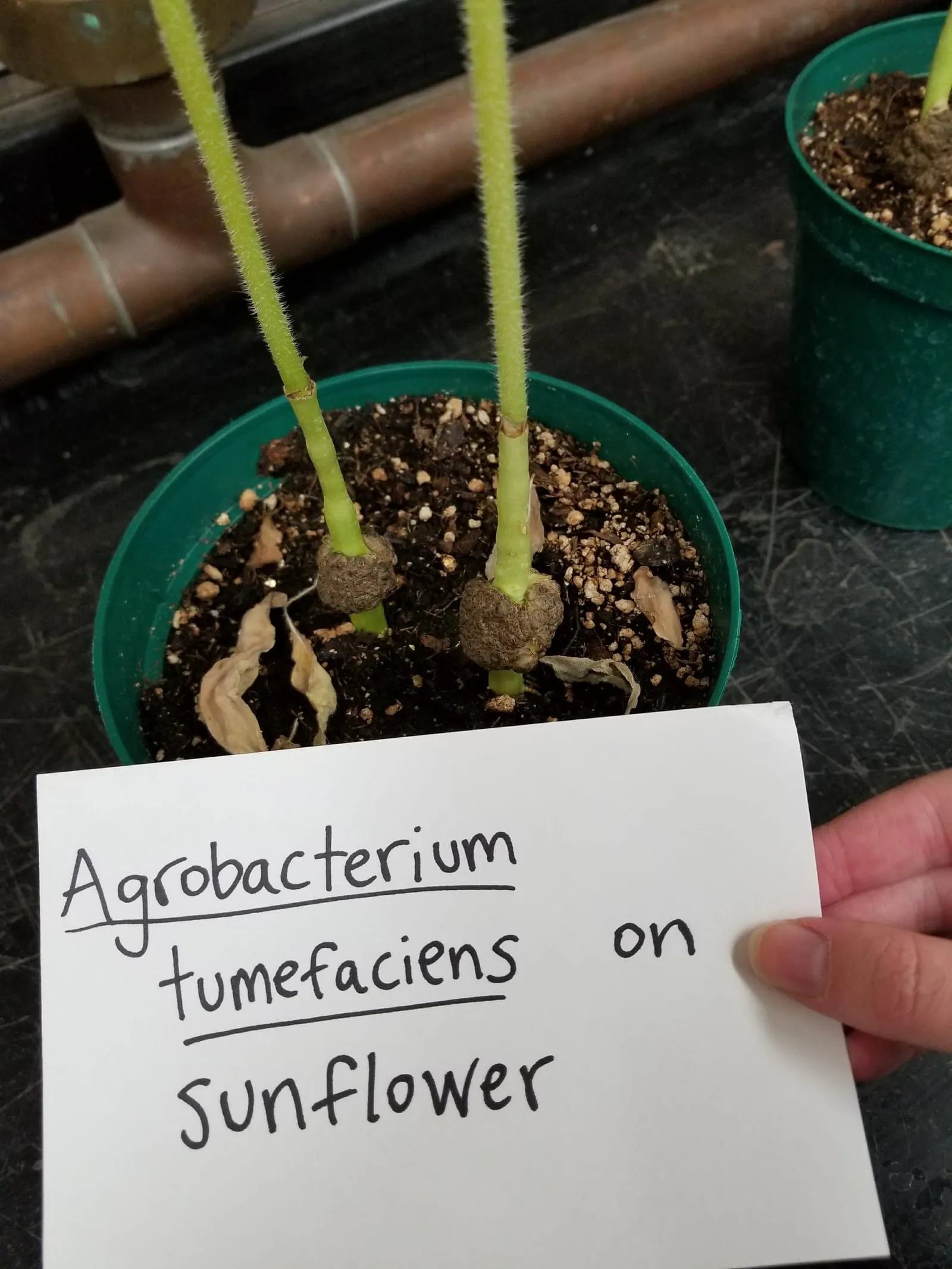
Agrobacterium tumefaciens
Soil-borne bacterium that enters plants through wounds and induces tumor-like galls on roots, crown, and lower stems. Galls reduce vigor and shorten plant lifespan; on Rubus the disease is often fatal.
Modified care for zone 7b
The two most important adjustments in zone 7b are soil management and disease scouting. Highbush blueberry demands a soil pH of 4.5 to 5.0; piedmont soils often run higher and require amendment with sulfur well in advance of planting. Phytophthora root rot is a significant risk on heavier clay soils that drain poorly, so raised beds or well-drained sandy loam is preferred.
Mummy berry is the disease that catches growers off guard most often: spores emerge in early spring and infect flowers during bloom. Sanitation around the base of established plants and a timely fungicide application at petal fall are the main defenses. Japanese beetles arrive in mid-June and will defoliate plants quickly without intervention. Mulching with 3 to 4 inches of pine bark or wood chips moderates soil temperature and moisture, which matters more in zone 7b summers than in cooler parts of the highbush range.
Frequently asked questions
- Does highbush blueberry get enough chill hours in zone 7b?
Usually, but not by a large margin. Most of zone 7b accumulates 800 to 1,100 chill hours in a typical winter, which overlaps with the 800 to 1,000 hours highbush varieties require. Warm winters in the piedmont can push totals below threshold, reducing fruit set. Choosing a lower-chill variety like Liberty provides some insurance.
- When should highbush blueberry be planted in zone 7b?
Bare-root plants go in during late winter dormancy, typically late January through early March, before buds break. Container-grown plants can be established in early fall (September to October) so roots settle before the following spring's bloom cycle.
- What soil pH do blueberries need in the piedmont?
Highbush blueberry requires pH 4.5 to 5.0. Piedmont soils commonly run pH 5.5 to 6.5. Amend with elemental sulfur at least one full growing season before planting; acidification is slow and cannot be rushed reliably in the months before establishment.
- How serious is Mummy Berry in zone 7b?
It is the most common fungal disease on blueberries in the mid-Atlantic and Southeast. Infected berries mummify on the plant and drop to the soil, where spores overwinter. Removing and destroying fallen fruit, raking mulch away from the crown in early spring, and applying a labeled fungicide at early bloom are the standard management steps.
+−
+−
+−
+−
Highbush Blueberry in adjacent zones
Image: "2018-06-01 (134) Unripe Vaccinium corymbosum (northern highbush blueberry) at Bichlhäusl in Frankenfels, Austria", by GT1976, via Wikimedia Commons, licensed under CC-BY Source.
_Unripe_Vaccinium_corymbosum_(northern_highbush_blueberry)_at_Bichlh%C3%A4usl_in_Frankenfels,_Austria.jpg)
Related