berry in zone 4b
Growing highbush blueberry in zone 4b
Vaccinium corymbosum
- Zone
- 4b -25°F to -20°F
- Growing season
- 130 days
- Chill needed
- 800 to 1000 below 45°F
- Suitable varieties
- 3
- Days to harvest
- 60 to 90
The verdict
Zone 4b, with winter lows reaching -25 to -20°F and a growing season of roughly 130 days, sits at the northern edge of reliable highbush blueberry production. The crop's chill-hour requirement of 800 to 1,000 hours is easily satisfied here, often met before February in most winters, so dormancy completion is not the limiting factor. The real constraint is winter hardiness: standard highbush varieties are generally rated hardy to zone 4 or 5, meaning wood damage and cane dieback are genuine risks after severe cold snaps. Patriot and Duke were bred with cold-climate performance in mind and hold up better at these temperatures than older releases. Bluecrop, while widely planted, is borderline in zone 4b and may show tip dieback after hard freezes. Zone 4b is workable for highbush blueberry, but it is not a sweet spot; variety selection is the primary management lever here, not a secondary consideration.
Recommended varieties for zone 4b
3 cultivars suited to this zone, with disease-resistance and zone-fit annotations.
| Variety | Notes | Zone fit | Disease resistance |
|---|---|---|---|
| Bluecrop fits zone 4b | Tart-sweet, firm, balanced flavor with classic blueberry tang; the industry standard. Fresh eating, baking, freezing. Heavy producer, mid-season. Reliable backbone of any planting. | | none noted |
| Duke fits zone 4b | Mild-sweet, firm with crisp texture; clean flavor, less complex than Bluecrop but holds quality on the bush. Early-season, machine-harvest favorite. Frost-tolerant bloom. | | none noted |
| Patriot fits zone 4b | Sweet-tart, large berries with rich flavor; fresh eating, baking, jam. Cold-hardiest commercial highbush, reliable in zone 4 sites where Bluecrop fails. | | none noted |
Critical timing for zone 4b
In zone 4b, highbush blueberry typically breaks dormancy in late April to early May, with bloom following in mid to late May. The zone's last spring frost commonly falls within that same window, meaning bloom and frost risk overlap directly. Late frosts during open bloom can damage or eliminate the fruit set for a season; in zone 4b the probability is high enough that frost protection at bloom is a reasonable precaution rather than an edge case. Harvest falls in mid-July through mid-August depending on variety, with early selections like Duke completing before the 130-day growing season creates meaningful pressure. Late varieties generally finish ripening well before the first fall frost arrives, so the back end of the harvest window is less of a concern than the spring timing.
Common challenges in zone 4b
- ▸ Spring frost timing
- ▸ Apple scab pressure
- ▸ Cane berry winter dieback
Disease pressure to watch for
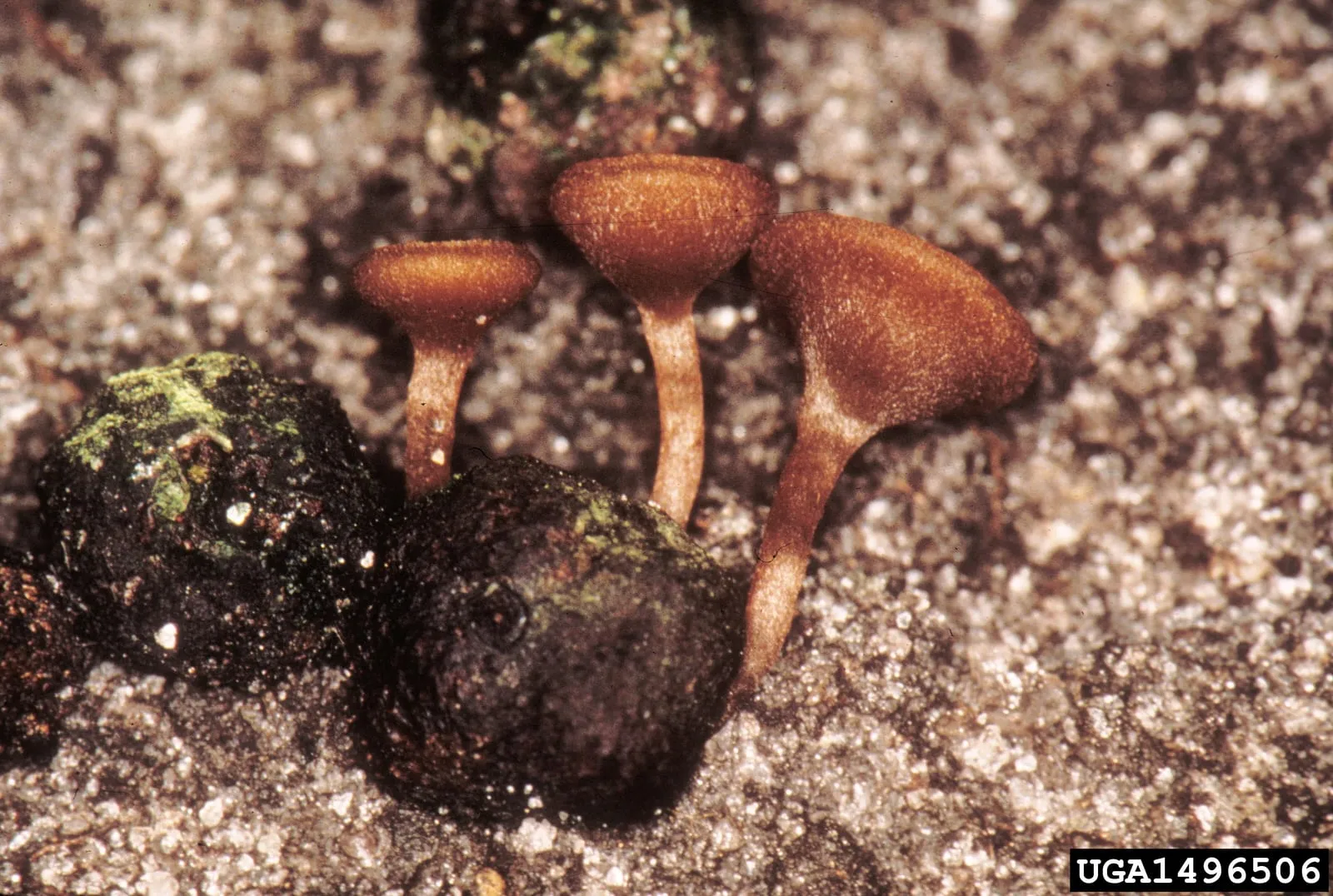
Monilinia vaccinii-corymbosi
The most damaging blueberry disease in the eastern US, killing shoots in spring and mummifying fruit later in the season.
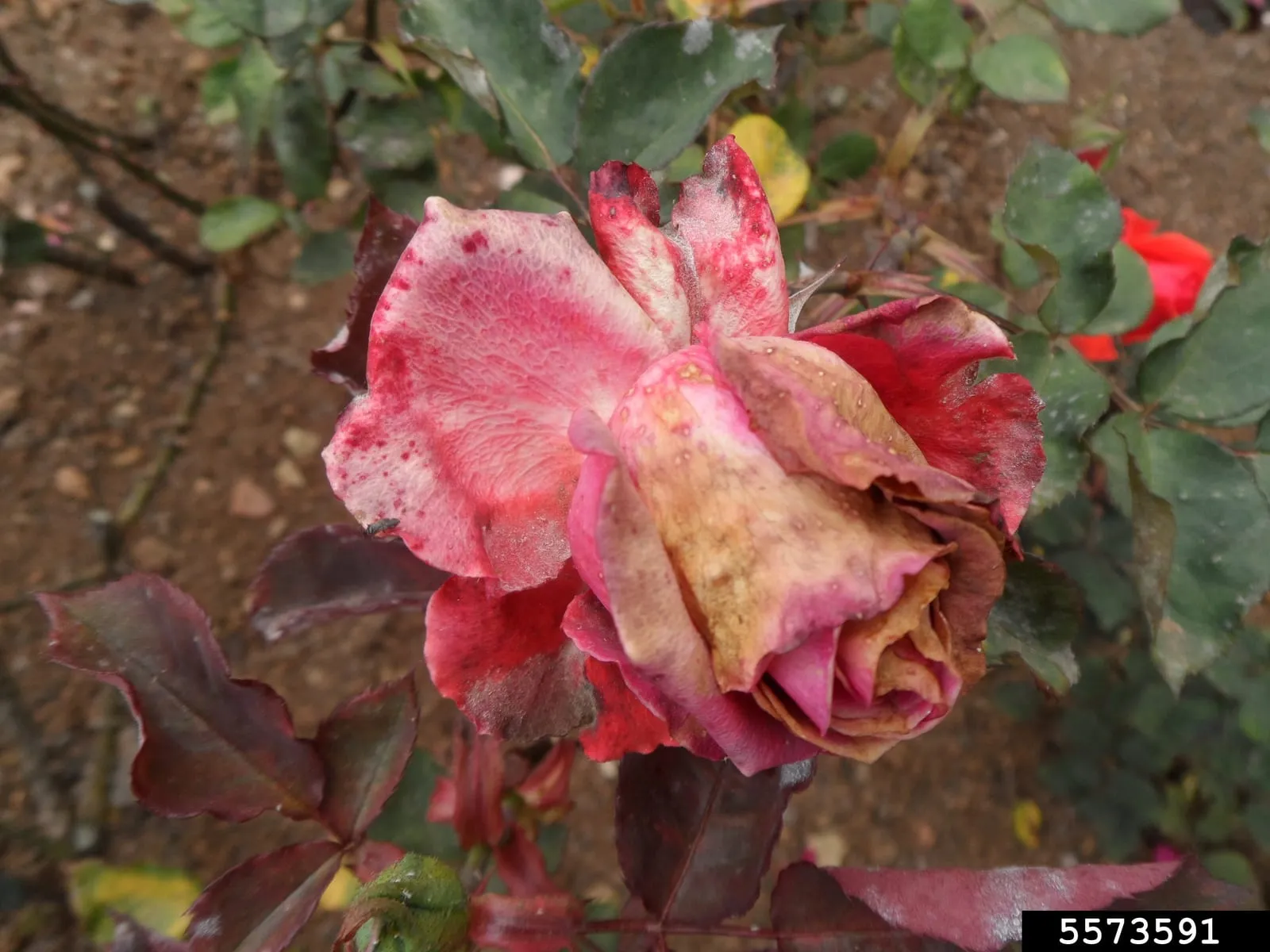
Botrytis cinerea
Ubiquitous fungal disease that causes fruit rot during cool wet weather, often the dominant berry disease in humid regions.
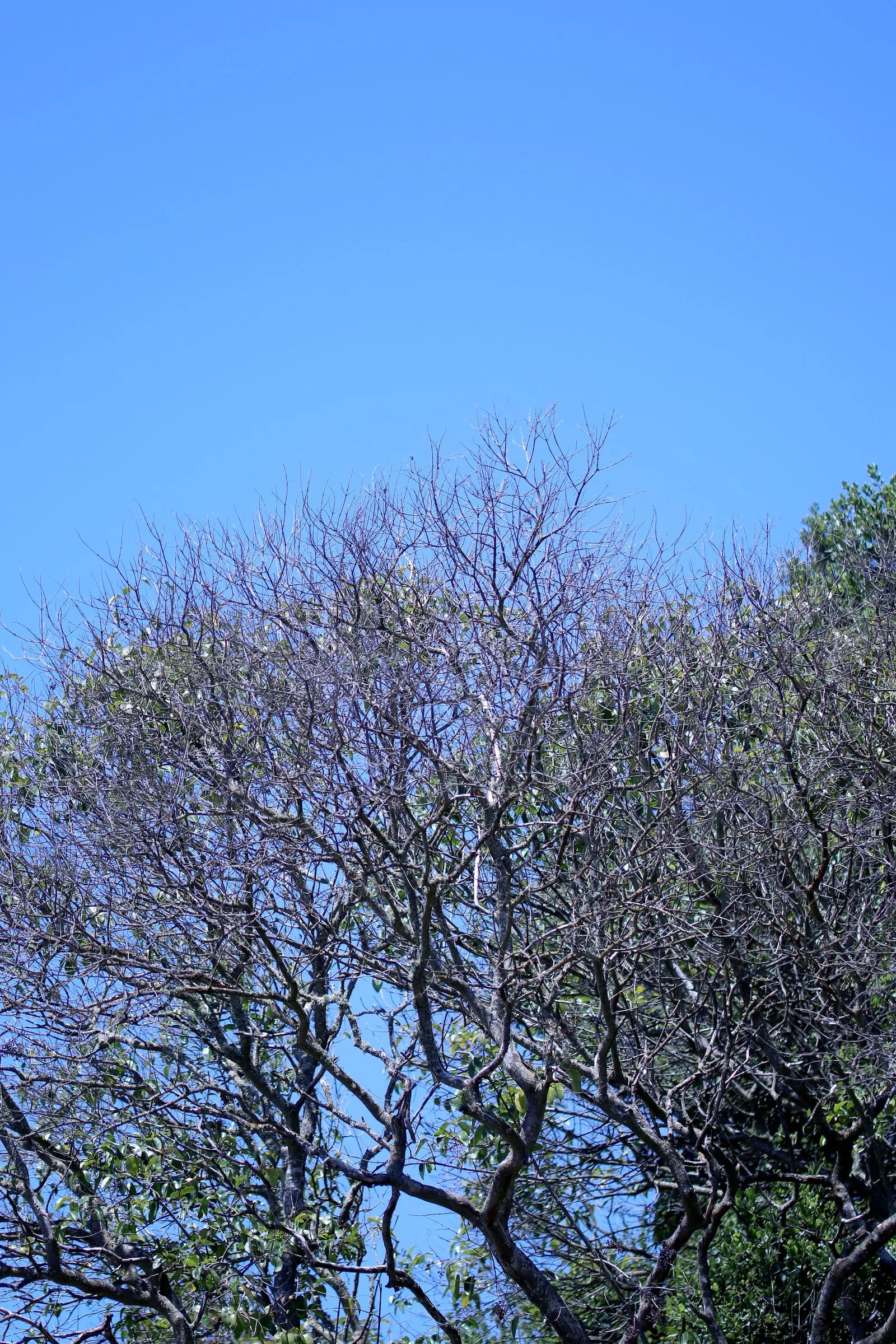
Phytophthora species
Soil-borne water mold that destroys roots in waterlogged soils, the leading cause of blueberry decline in poorly drained sites.
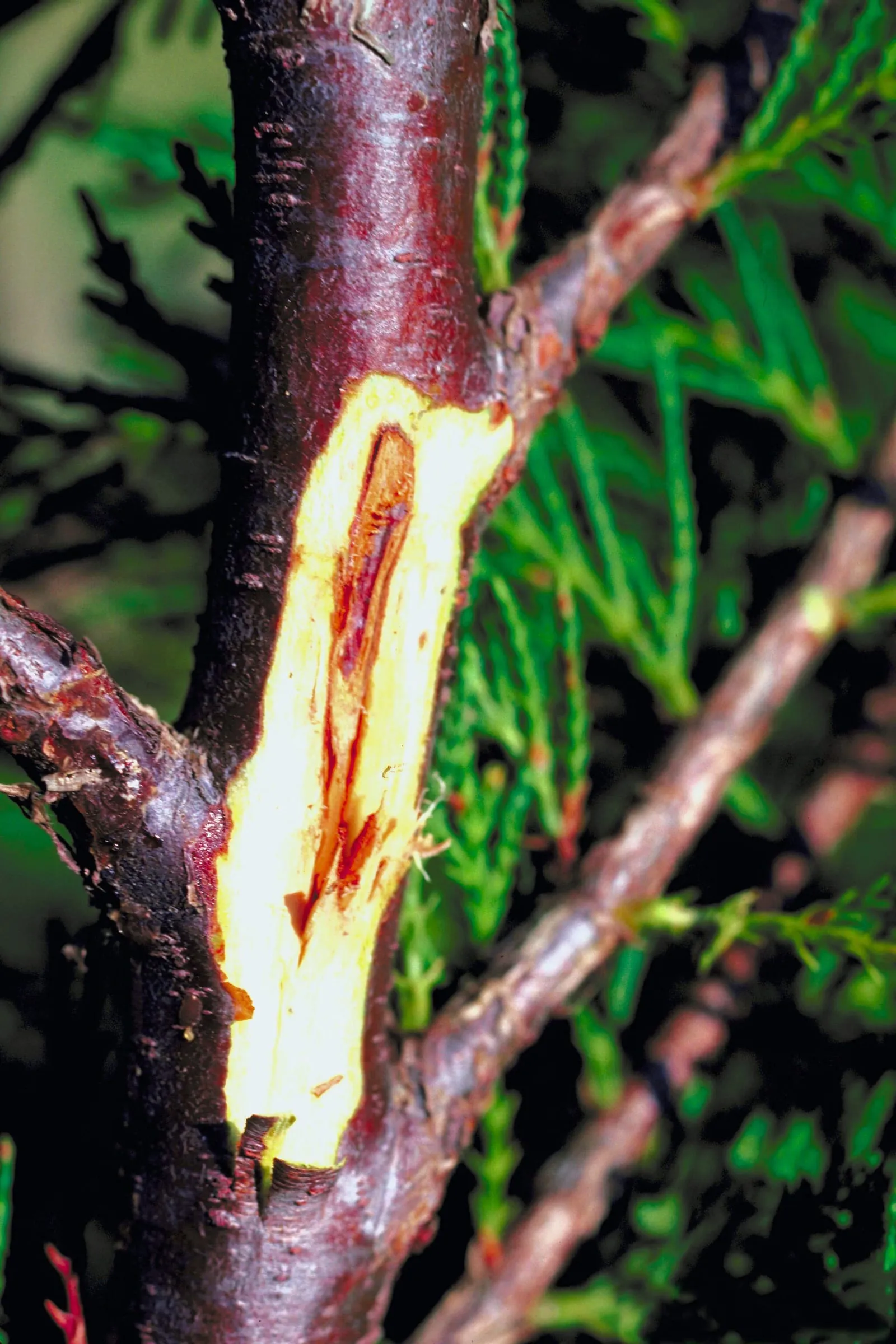
Botryosphaeria dothidea
Fungal disease that enters through wounds and kills entire stems or whole bushes, particularly damaging on young plantings in the southeastern US.
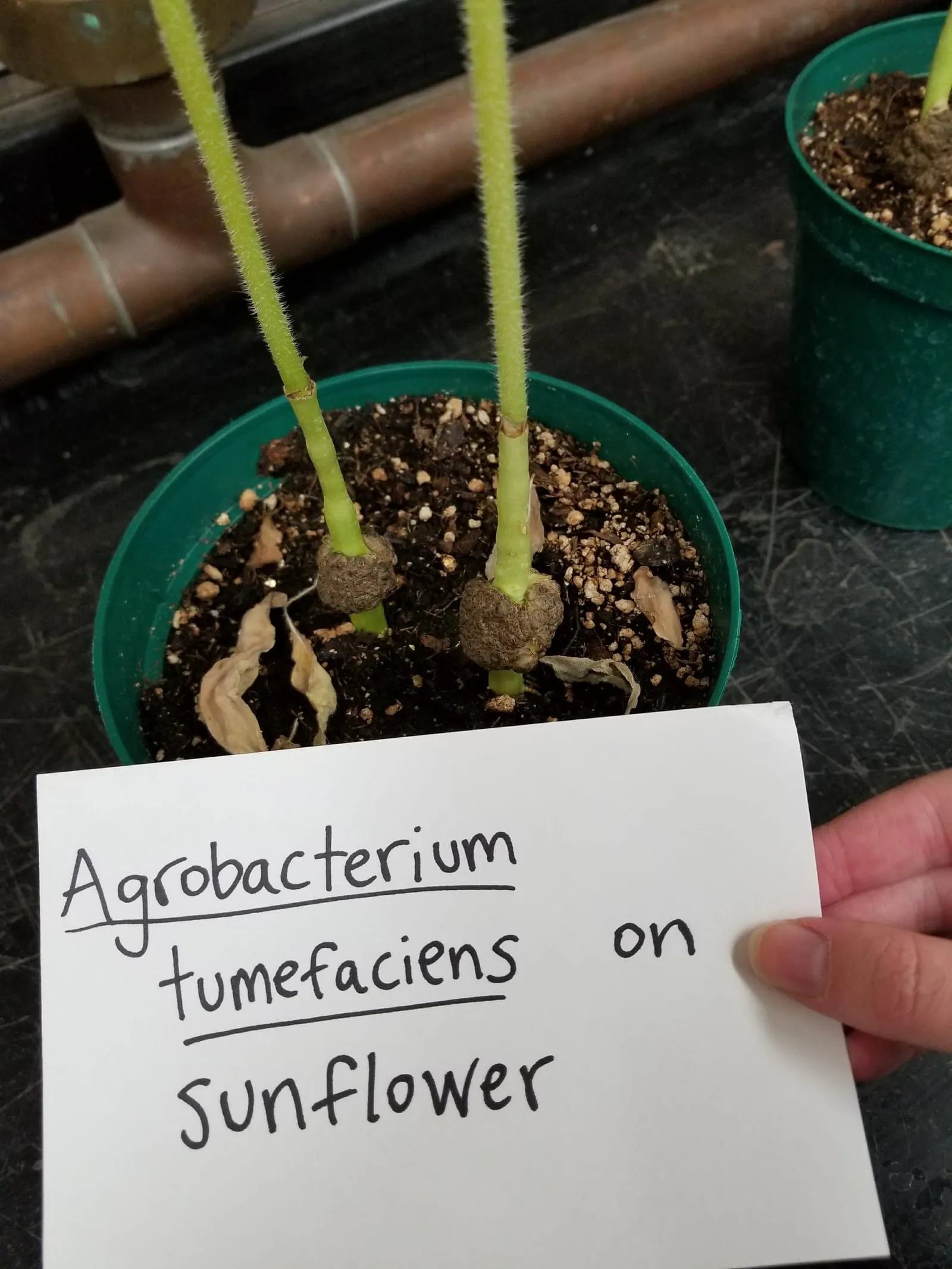
Agrobacterium tumefaciens
Soil-borne bacterium that enters plants through wounds and induces tumor-like galls on roots, crown, and lower stems. Galls reduce vigor and shorten plant lifespan; on Rubus the disease is often fatal.
Modified care for zone 4b
The primary adjustments in zone 4b center on winter protection and managing the early-season frost window. A 4- to 6-inch layer of woodchip or pine bark mulch over the root zone reduces freeze-thaw cycling near the crown and buffers soil temperature swings that can heave shallow roots. Young canes benefit from burlap wraps or snow fencing to reduce wind desiccation, which can cause as much damage as temperature alone in open sites. At bloom time, floating row cover provides meaningful protection against late frosts; it should be removed promptly after the frost window closes to prevent heat buildup. On the disease side, the cool, wet springs typical of zone 4b elevate mummy berry and gray mold pressure. Removing infected cane debris after pruning and maintaining open canopy structure reduces inoculum load heading into the season.
Highbush Blueberry in adjacent zones
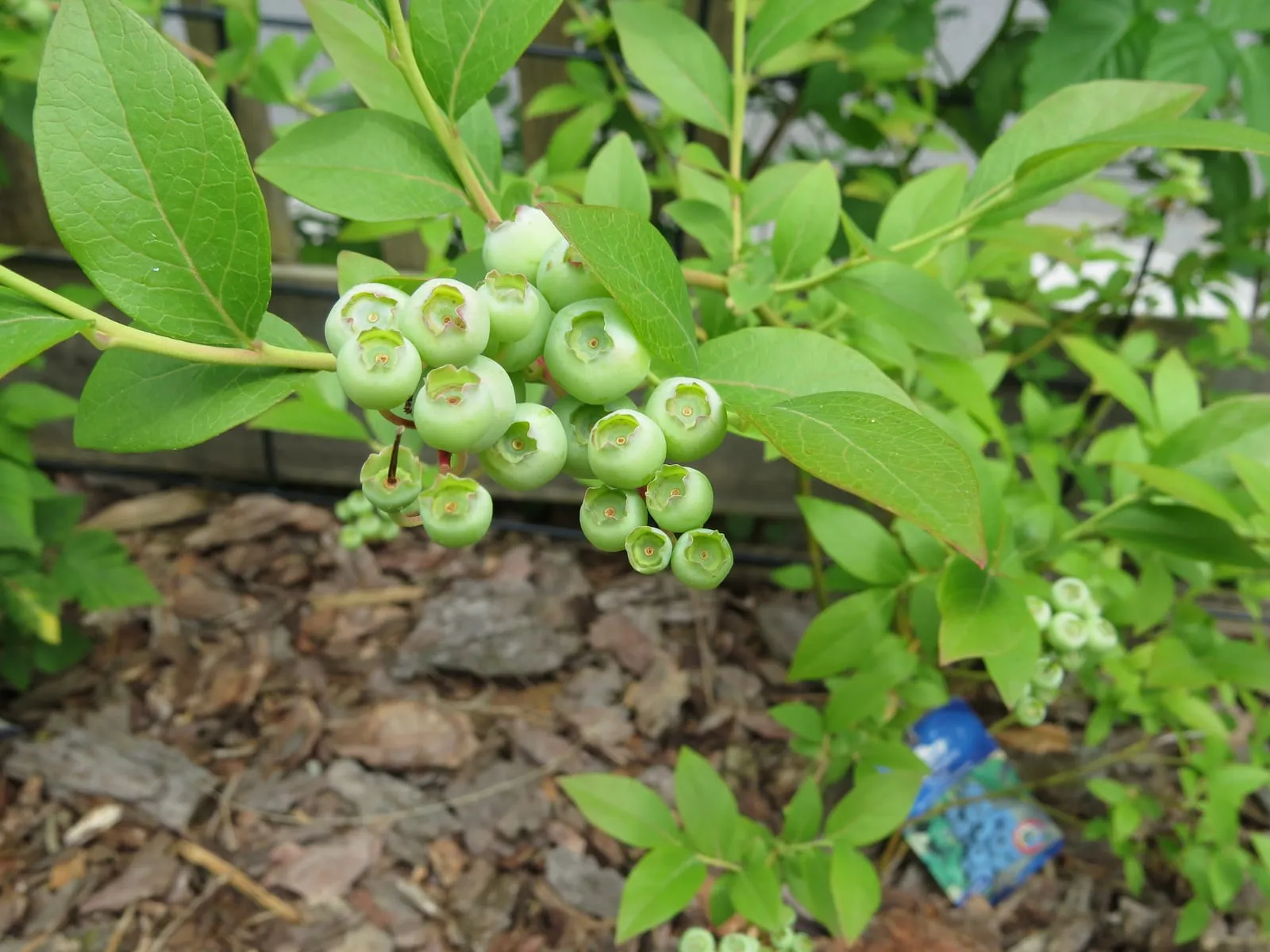
Image: "2018-06-01 (134) Unripe Vaccinium corymbosum (northern highbush blueberry) at Bichlhäusl in Frankenfels, Austria", by GT1976, via Wikimedia Commons, licensed under CC-BY Source.
_Unripe_Vaccinium_corymbosum_(northern_highbush_blueberry)_at_Bichlh%C3%A4usl_in_Frankenfels,_Austria.jpg)
Related