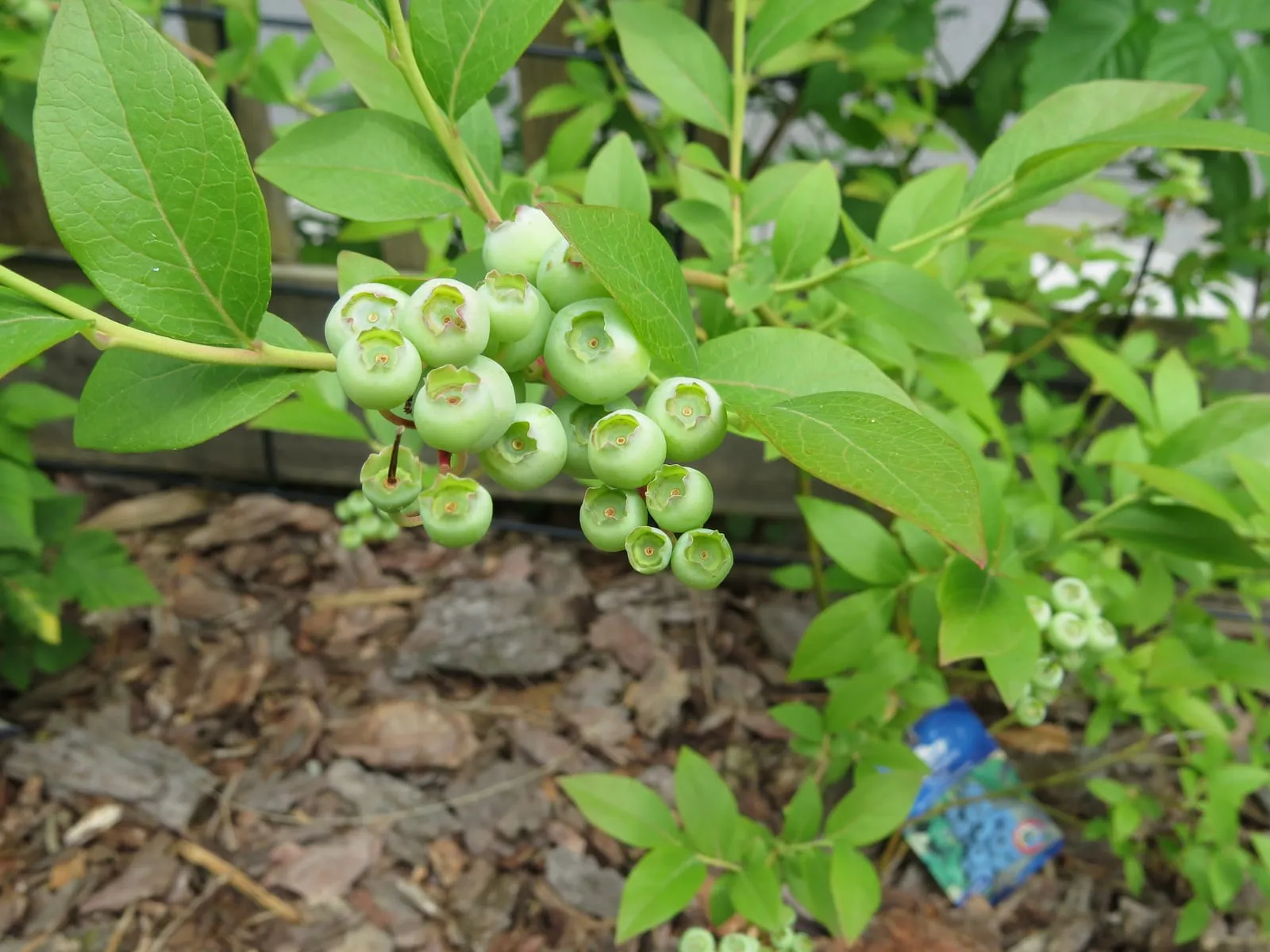
berry in zone 4a
Growing highbush blueberry in zone 4a
Vaccinium corymbosum
- Zone
- 4a -30°F to -25°F
- Growing season
- 120 days
- Chill needed
- 800 to 1000 below 45°F
- Suitable varieties
- 1
- Days to harvest
- 60 to 90
The verdict
Highbush blueberry is workable in zone 4a, but it sits at the cold edge of the crop's viable range. The chill-hour requirement of 800 to 1,000 hours is reliably met in zone 4a winters, so dormancy and fruiting potential are not the concern. The concern is cold injury. Winter lows reaching -30 to -25°F can kill flower buds and damage canes on standard highbush varieties even when those varieties are nominally rated for zone 4. Patriot is the standout exception: bred specifically for cold hardiness, it survives zone 4 winters with markedly lower bud kill than most highbush cultivars. The 120-day growing season is adequate for Patriot's early ripening window. Growers willing to work with a short variety list and accept some year-to-year bud loss will find zone 4a viable. Those expecting the productivity of zones 5 or 6 will likely be disappointed.
Recommended varieties for zone 4a
1 cultivar suited to this zone, with disease-resistance and zone-fit annotations.
| Variety | Notes | Zone fit | Disease resistance |
|---|---|---|---|
| Patriot fits zone 4a | Sweet-tart, large berries with rich flavor; fresh eating, baking, jam. Cold-hardiest commercial highbush, reliable in zone 4 sites where Bluecrop fails. | | none noted |
Critical timing for zone 4a
In zone 4a, highbush blueberry bloom typically opens in late May to early June, depending on spring warmth and snow cover duration. This timing creates a real collision with late frosts: the zone's last frost can fall within the bloom window, and a single hard freeze at or below 28°F during open bloom kills developing flowers. Harvest on early varieties like Patriot runs from mid-July through early August, fitting within the 120-day frost-free season. Growers should track bloom dates each spring rather than relying on calendar rules, since temperatures in zone 4a vary considerably year to year and the margin between safe and damaged bloom is narrow.
Common challenges in zone 4a
- ▸ Late frosts damage early bloomers
- ▸ Limited peach varieties
Disease pressure to watch for
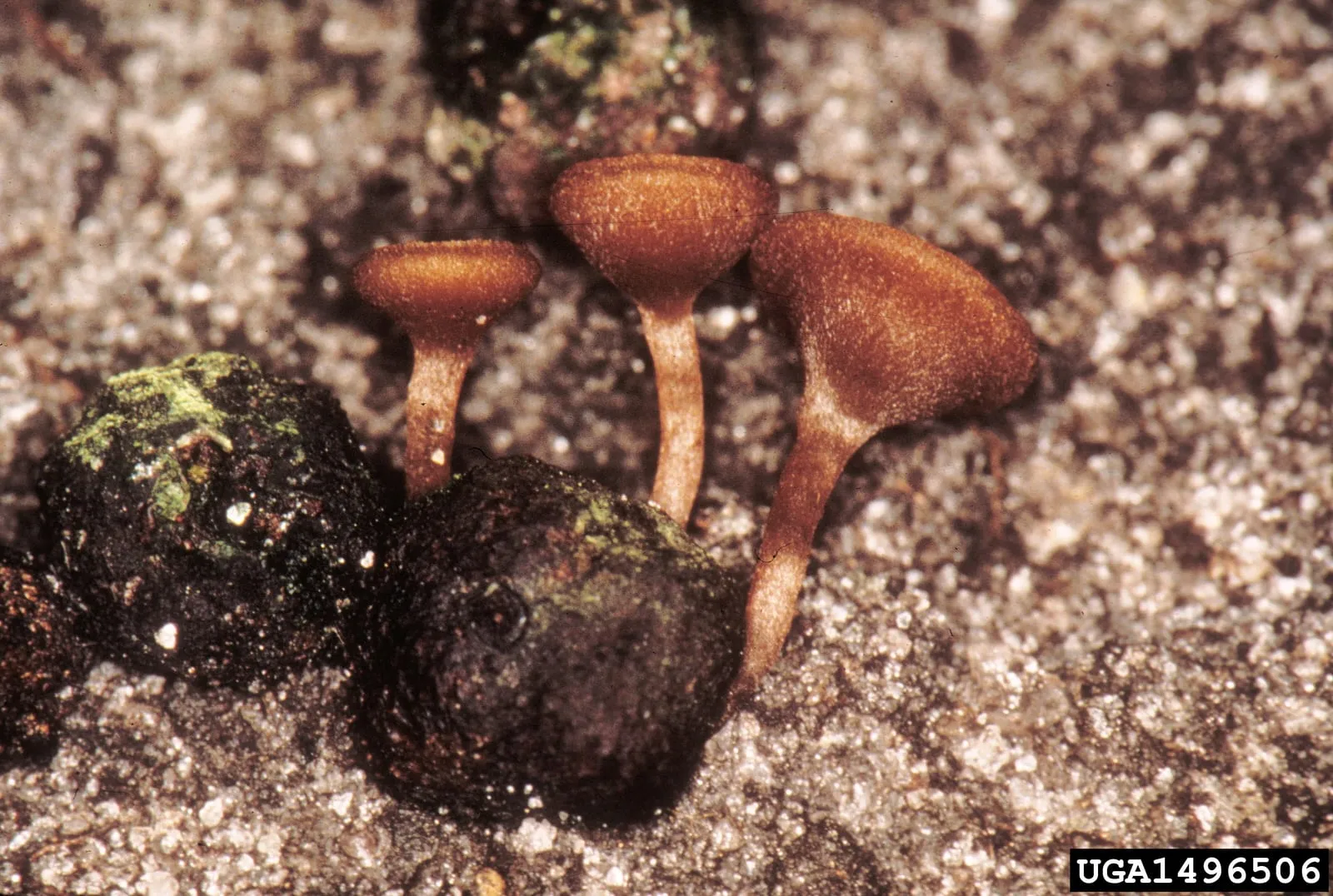
Monilinia vaccinii-corymbosi
The most damaging blueberry disease in the eastern US, killing shoots in spring and mummifying fruit later in the season.
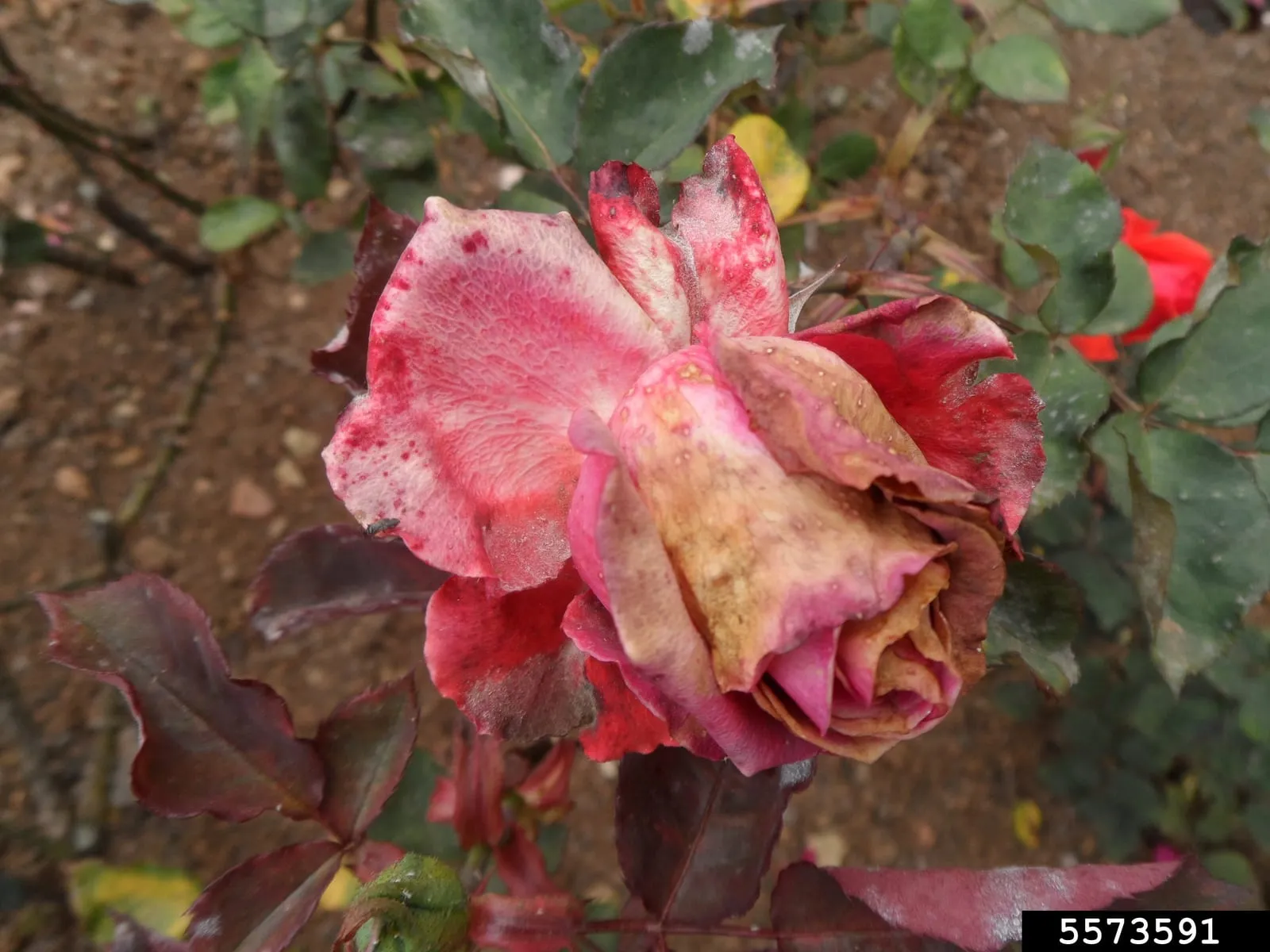
Botrytis cinerea
Ubiquitous fungal disease that causes fruit rot during cool wet weather, often the dominant berry disease in humid regions.
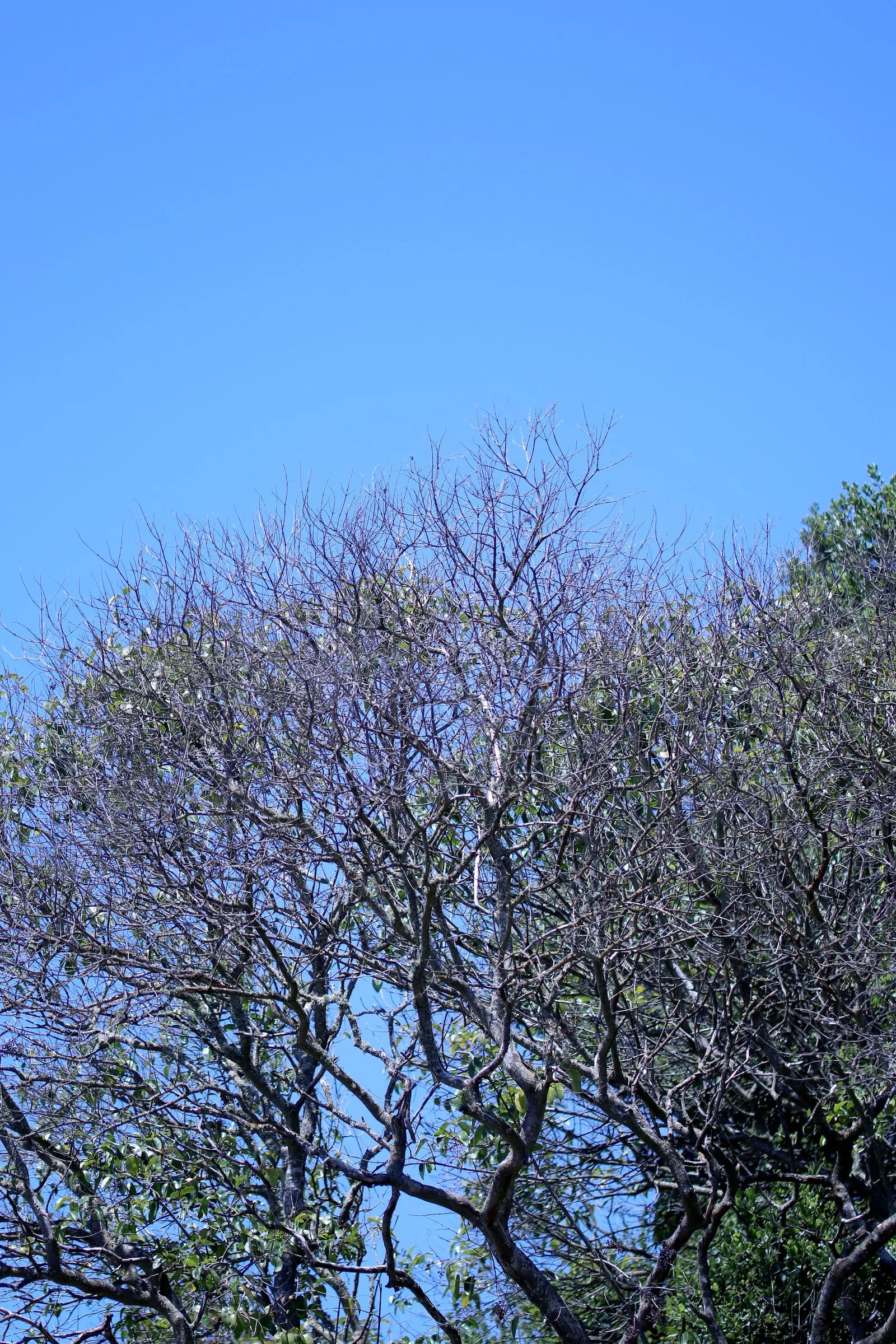
Phytophthora species
Soil-borne water mold that destroys roots in waterlogged soils, the leading cause of blueberry decline in poorly drained sites.
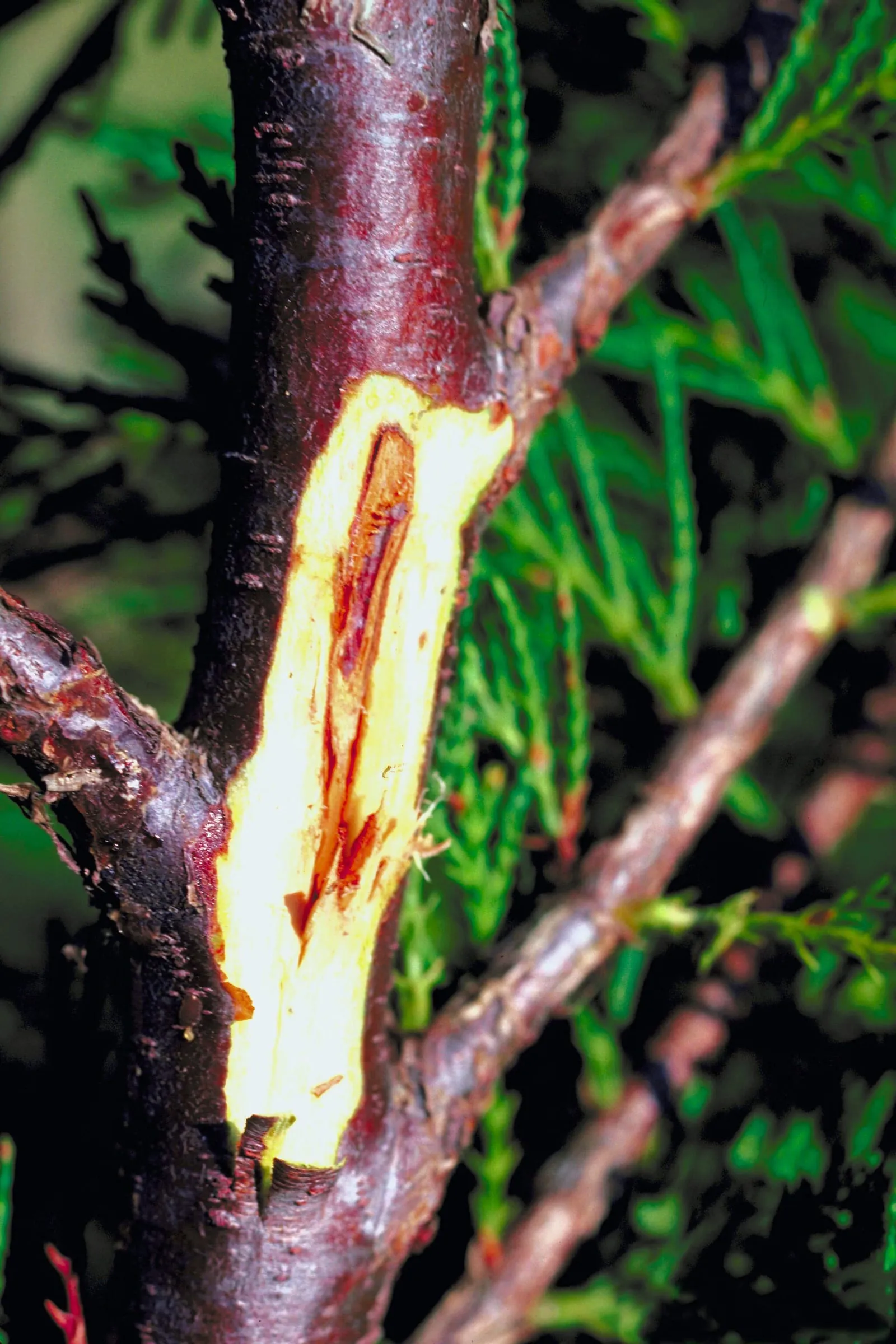
Botryosphaeria dothidea
Fungal disease that enters through wounds and kills entire stems or whole bushes, particularly damaging on young plantings in the southeastern US.
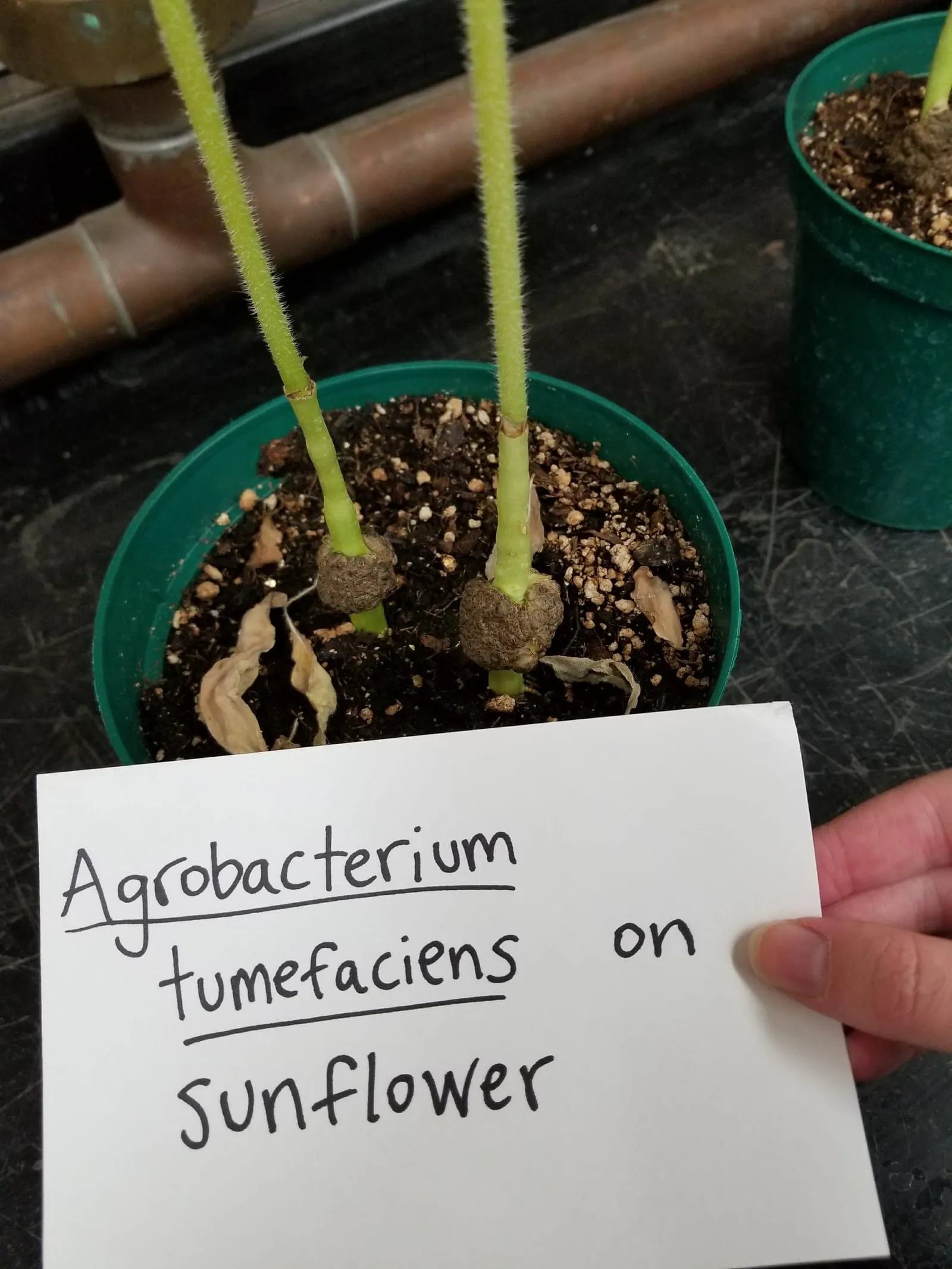
Agrobacterium tumefaciens
Soil-borne bacterium that enters plants through wounds and induces tumor-like galls on roots, crown, and lower stems. Galls reduce vigor and shorten plant lifespan; on Rubus the disease is often fatal.
Modified care for zone 4a
The primary adaptation in zone 4a is variety discipline: stick to cold-hardy highbush cultivars and avoid standard varieties rated only to zone 5. Patriot tolerates the cold reliably; most others do not. Mulching crowns with 4 to 6 inches of wood chips in late fall helps moderate soil temperature swings and reduces frost heave, which can be severe in zone 4. Soil pH management is the same as any highbush planting (4.5 to 5.2) but drainage matters more here because winter-saturated soils compound Phytophthora root rot risk. Gray mold and mummy berry both thrive in cool, wet springs, exactly the conditions zone 4a reliably delivers. Removing old mummified fruit before bloom and maintaining good air circulation through annual pruning are the practical controls.
Frequently asked questions
- Can highbush blueberry survive zone 4a winters?
Cold-hardy cultivars like Patriot can survive zone 4a, but standard highbush varieties often suffer significant flower bud kill at -30 to -25°F. Variety selection is the single most important decision for zone 4a growers.
- Does zone 4a provide enough chill hours for highbush blueberry?
Yes. Zone 4a winters deliver well over 1,000 chill hours in most years, which fully satisfies the highbush blueberry requirement of 800 to 1,000 hours. Chill accumulation is not a limiting factor in this zone.
- What is the harvest window for highbush blueberry in zone 4a?
On early-ripening varieties like Patriot, expect harvest from mid-July through early August. The 120-day growing season is sufficient for varieties in that ripening window, but late-season highbush cultivars will not ripen reliably before first fall frost.
+−
+−
+−
Highbush Blueberry in adjacent zones
Image: "2018-06-01 (134) Unripe Vaccinium corymbosum (northern highbush blueberry) at Bichlhäusl in Frankenfels, Austria", by GT1976, via Wikimedia Commons, licensed under CC-BY Source.
_Unripe_Vaccinium_corymbosum_(northern_highbush_blueberry)_at_Bichlh%C3%A4usl_in_Frankenfels,_Austria.jpg)
Related