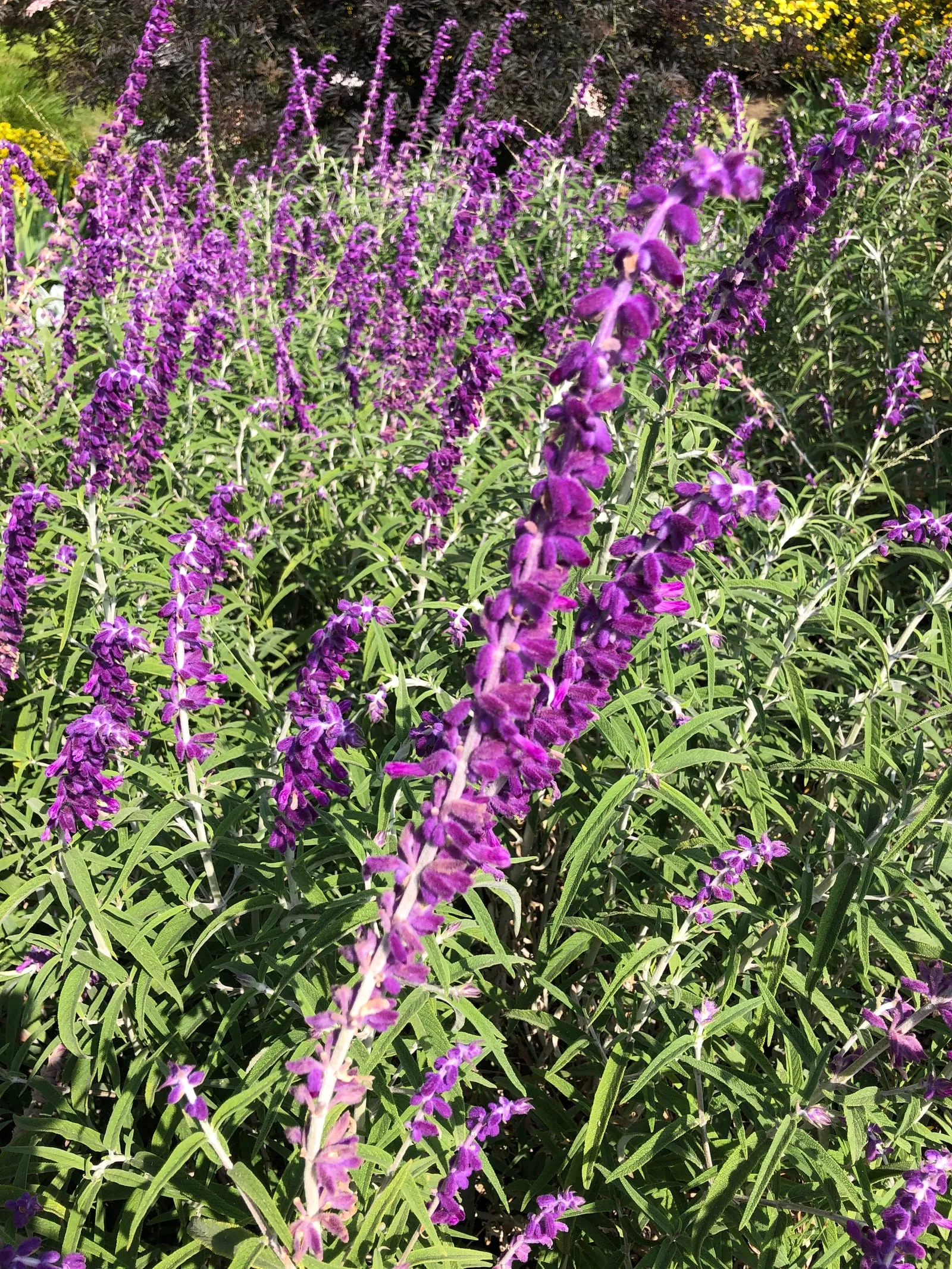
herb in zone 9a
Growing sage in zone 9a
Salvia officinalis
- Zone
- 9a 20°F to 25°F
- Growing season
- 290 days
- Suitable varieties
- 0
- Days to harvest
- 75 to 90
The verdict
Sage is cold-hardy well beyond what zone 9a demands. It tolerates minimum temperatures near -10°F, so the 20-25°F floor typical of zone 9a presents no overwintering threat to established plants. Unlike stone fruits or chill-dependent berries, sage carries no meaningful chill-hour requirement; the plant does not need a dormancy trigger to produce well the following season.
Zone 9a is generally reliable for sage, though the picture splits sharply by climate type within the zone. In Mediterranean-climate zone 9a (inland California, parts of the Southwest), sage behaves as a long-lived, woody perennial that often improves with age and can persist for a decade or more with minimal care. In humid subtropical zone 9a (Gulf Coast, the Florida panhandle), persistent summer moisture combined with heat creates conditions that sage handles poorly. Root rot and crown fungal pressure are the main threats, not cold. Growers in that setting should expect a shorter plant lifespan and plan to replant every two to three years rather than assuming indefinite persistence.
Critical timing for zone 9a
Zone 9a's 290-day growing season means sage rarely goes fully dormant. New vegetative growth typically emerges in late February or early March as day length increases, even if the plant never shed all its leaves over winter. Bloom follows in April through May, with flower spikes appearing on second-year and older wood.
For culinary harvest, timing relative to bloom matters. Essential oil concentration peaks in the weeks just before flowering, so harvesting leaf tips in March and April captures the strongest flavor. After bloom, cutting the plant back by roughly one-third encourages a fall flush. In zone 9a, that fall recovery period, September through November, is often the stronger harvesting window: heat moderates, the plant rebounds, and cooler nights improve leaf quality before growth slows again in December.
Common challenges in zone 9a
- ▸ Limited stone fruit options due to insufficient chill
- ▸ Hurricane and tropical storm exposure
- ▸ Citrus disease pressure
Modified care for zone 9a
In Mediterranean-climate zone 9a, sage requires little adjustment from standard guidance: full sun, infrequent deep watering, and well-drained soil. In humid subtropical zone 9a, the approach needs to shift toward managing moisture at every level.
Raised beds or containers filled with a fast-draining mix that incorporates coarse perlite or horticultural grit at 30 to 40 percent by volume reduce root rot risk considerably. Drip or soaker-line irrigation at soil level is strongly preferred over overhead watering; wet foliage in warm, humid conditions accelerates fungal issues. After each harvest flush, pruning out crowded interior stems improves airflow through the crown, which matters more here than in drier climates. Where summer afternoons routinely exceed 100°F, a shade cloth providing 30 percent light reduction during June through August can extend plant longevity. Avoid fertilizing heavily; sage in this zone already grows aggressively and excess nitrogen produces soft, rot-prone growth.
Frequently asked questions
- Is zone 9a too hot for sage?
In dry zone 9a climates (Mediterranean-type), sage thrives without special protection. In humid subtropical zone 9a, the challenge is not the heat alone but the combination of heat and moisture, which promotes root and crown rot. Excellent drainage and careful irrigation management make sage viable, though plant lifespan is shorter than in drier regions.
- Can sage survive year-round in zone 9a?
Yes. Zone 9a winters are well within sage's cold tolerance, and the plant typically stays semi-evergreen rather than dying back to the ground. In humid climates within the zone, the limiting factor is summer moisture stress rather than winter cold.
- When should sage be harvested in zone 9a?
The two best windows are late March through early May (just before or during bloom) and September through November (the fall recovery flush). Midsummer harvest is possible but leaf quality and essential oil concentration tend to decline during peak heat.
+−
+−
+−
Sage in adjacent zones
Image: "Salvia leucantha (Mexican Bush Sage)", by Netherzone, via Wikimedia Commons, licensed under CC-BY Source.
.jpg)
Related