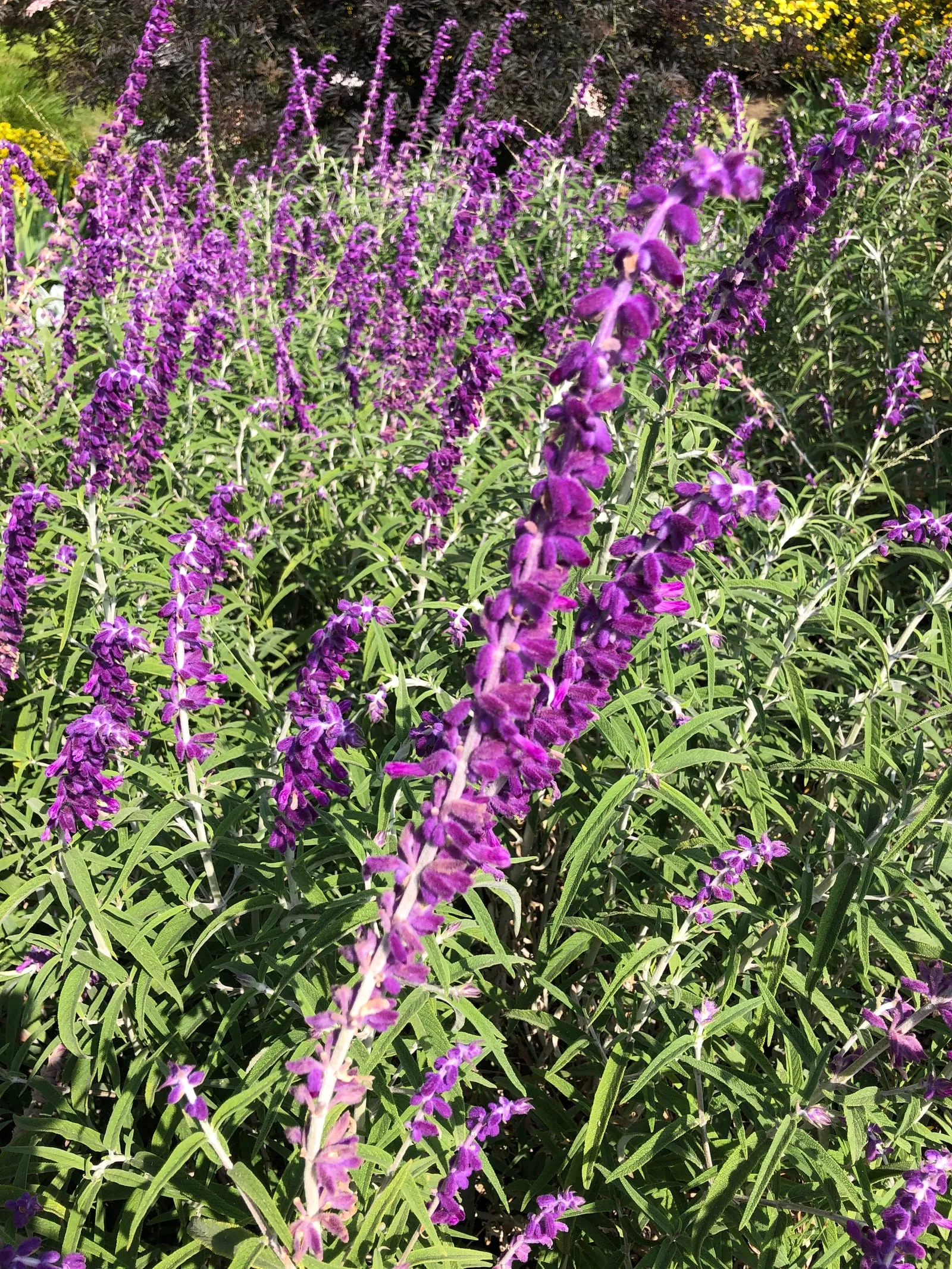
herb in zone 8b
Growing sage in zone 8b
Salvia officinalis
- Zone
- 8b 15°F to 20°F
- Growing season
- 260 days
- Suitable varieties
- 2
- Days to harvest
- 75 to 90
The verdict
Sage is well-suited to zone 8b, where winters are mild enough to keep established plants alive year-round without protection. Unlike fruit trees, sage has no meaningful chill-hour requirement, so the zone's characteristically low chill accumulation is not a limiting factor here. The minimum winter temperatures of 15 to 20°F are cold enough to trigger the brief dormancy that keeps sage productive and aromatic, yet rarely cold enough to kill a healthy established plant.
Zone 8b's 260-day growing season gives sage ample time to establish, flush new growth, bloom, and harden off before the next frost. The two varieties best suited here, Common Garden Sage and Purple Sage, both handle the zone's summer heat reasonably well, though they perform best where soils drain freely and air circulation is good. This is closer to a sweet spot than a marginal zone for sage, provided humidity and drainage are managed.
Recommended varieties for zone 8b
2 cultivars suited to this zone, with disease-resistance and zone-fit annotations.
| Variety | Notes | Zone fit | Disease resistance |
|---|---|---|---|
| Common Garden Sage fits zone 8b | Strong, slightly camphorous, classic Thanksgiving sage flavor; gray-green pebbled leaves. Stuffing, sausages, pork, brown butter. The cook's sage, productive perennial. | | none noted |
| Purple fits zone 8b | Mild sage flavor; deep purple-tinged foliage. Culinary and ornamental, especially striking in mixed beds. Slightly less hardy than green types. | | none noted |
Critical timing for zone 8b
In zone 8b, sage typically begins blooming in late April through May, when soil temperatures are consistently above 60°F and days are lengthening. The relatively mild spring means bloom timing arrives a few weeks earlier than in cooler zones. Frost risk is largely gone by late February or early March in most of zone 8b, so late-winter growth flushes are common.
Harvest is not a single seasonal event for sage. Leaves can be cut from early spring through late fall, with the highest oil concentration in the foliage just before and during bloom. Light harvests in winter are possible in zone 8b during mild stretches, though the plant benefits from reduced cutting between December and February. The long season allows two to three substantial harvests per year.
Common challenges in zone 8b
- ▸ Low chill hours limit apple variety selection
- ▸ Citrus greening risk
- ▸ Nematodes in sandy soils
Modified care for zone 8b
The primary adaptation in zone 8b is managing summer humidity and drainage rather than cold. Sage is native to dry Mediterranean slopes, and the humid summers common across much of zone 8b, particularly in the Gulf Coast and Southeast regions, create conditions where root rot and fungal stem problems become realistic threats. Raised beds or bermed planting areas with coarse, well-drained soil reduce this risk considerably.
Nematodes in sandy soils are a documented challenge in zone 8b and can stunt sage roots without obvious above-ground symptoms. Where nematode pressure is suspected, amending with compost and rotating planting sites every few years helps. No extra winter protection is needed for Common Garden Sage or Purple Sage in this zone under normal conditions. During rare cold snaps below 15°F, a light mulch over the crown is sufficient.
Frequently asked questions
- Does sage need chill hours to produce well in zone 8b?
No. Unlike fruit trees, sage has no chill-hour requirement. Zone 8b's mild winters are not a limiting factor. The brief cool season is enough to maintain the plant's natural growth cycle without the accumulated cold hours that stone fruits or apples require.
- Can sage survive winter outdoors in zone 8b?
Yes. Common Garden Sage and Purple Sage are both reliably winter-hardy in zone 8b. Minimum temperatures of 15 to 20°F are within both varieties' tolerance. Established plants rarely need protection except during unusual cold snaps, and even then a light mulch over the crown is sufficient.
- What is the biggest growing challenge for sage in zone 8b?
Summer humidity and poorly drained soils are the main threats. Sage is adapted to dry, well-aerated conditions, and the humid summers in much of zone 8b create conditions favorable to root rot and fungal stem problems. Sandy soils also carry nematode pressure in this zone, which can reduce root health and vigor over time.
- When is the best time to harvest sage in zone 8b?
The best harvest window is late spring through early summer, just before or during bloom, when foliar oil concentration peaks. Zone 8b's long season allows additional harvests in late summer and fall. Reduce cutting in December and January to let the plant rest, though light harvests are possible during mild winter stretches.
+−
+−
+−
+−
Sage in adjacent zones
Image: "Salvia leucantha (Mexican Bush Sage)", by Netherzone, via Wikimedia Commons, licensed under CC-BY Source.
.jpg)
Related