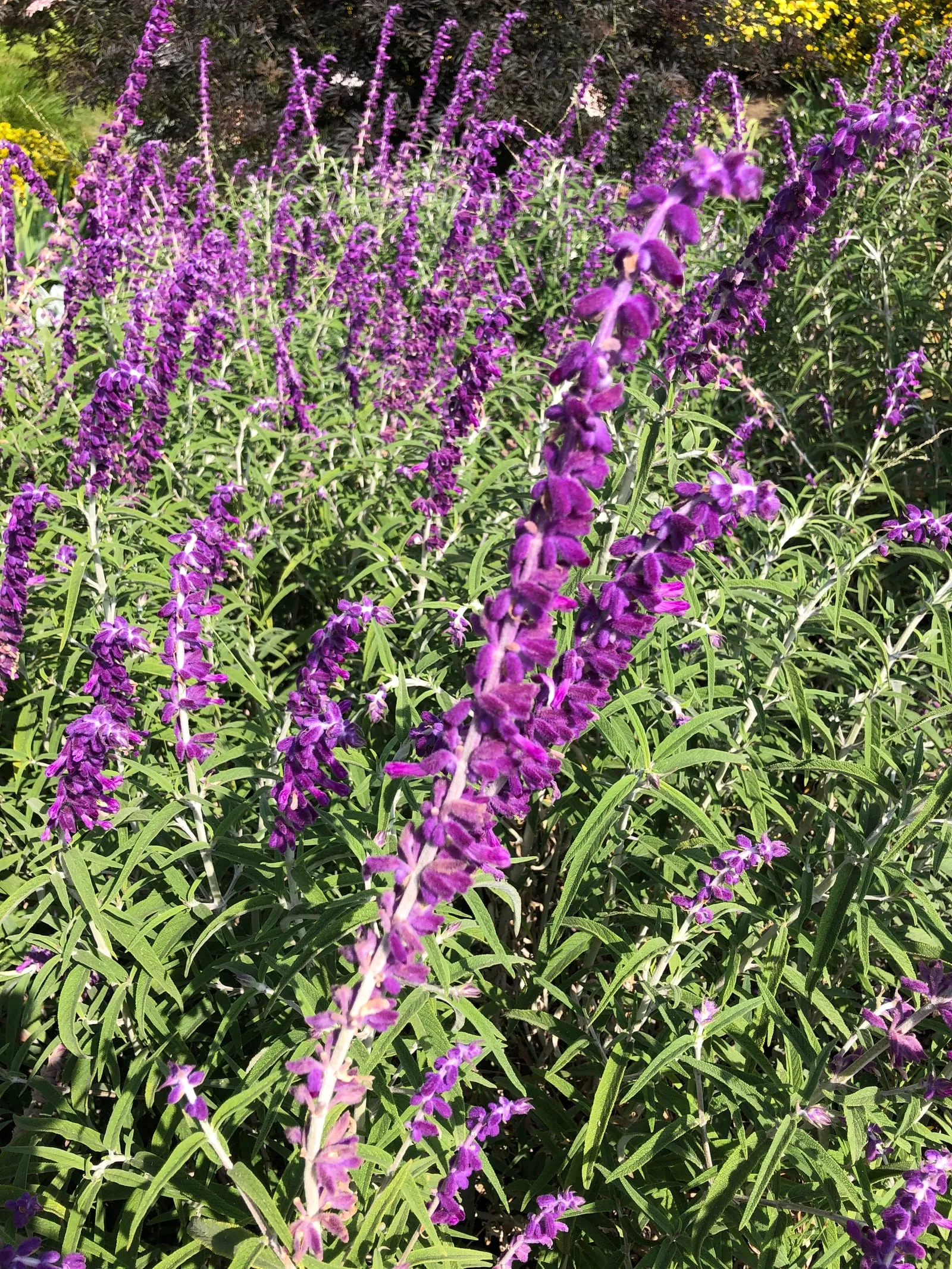
herb
Sage
Salvia officinalis
USDA hardiness range
- Zones
- 4a–9a
- Days to harvest
- 75 to 90
- Sun
- Full
- Water
- Low
- Lifespan
- perennial
Growing sage
Sage (Salvia officinalis) is a Mediterranean perennial that performs reliably in zones 4a through 9a, making it one of the more adaptable culinary herbs for temperate gardens. Its low water needs and tolerance for lean soils mean a well-sited plant often outlasts neighboring herbs by years. The non-negotiable requirement is drainage: sage roots rot in wet conditions well before winter sets in.
In zones 4 and 5, sage survives winter but may die back to the crown; mulching after hard frost extends productive life. In zones 7 through 9, established plants are effectively evergreen and can be harvested year-round during mild stretches. Zone 9a sits at the warm edge of reliable performance; summer heat there pushes plants toward early dormancy and accelerated woody decline compared to cooler zones.
The practical ceiling on sage longevity is not cold hardiness but woodiness. Without annual trimming, plants become a tangle of woody stems producing few harvestable leaves within three to four seasons. Gardeners who treat sage as a plant-and-forget perennial routinely end up with unproductive specimens. Cutting back by roughly one-third each spring, before new growth hardens, keeps plants leafy and productive across zones. Leaves picked before flowering carry the strongest flavor.
For culinary use, Common Garden Sage is the standard choice. Berggarten offers comparable flavor with a longer leafy season before bolting. Purple Sage adds ornamental value, though it is slightly less cold-hardy than the green-leafed types.
Recommended varieties
See all 3 →3 cultivars for home growers, with notes on flavor, ripening, and disease resistance.
| Variety | Notes | Zone fit | Disease resistance |
|---|---|---|---|
| Common Garden Sage | Strong, slightly camphorous, classic Thanksgiving sage flavor; gray-green pebbled leaves. Stuffing, sausages, pork, brown butter. The cook's sage, productive perennial. | | none noted |
| Berggarten | Classic sage flavor with rounded leaf shape; broader gray-green leaves than common sage. Same culinary use, more ornamental in beds. Slow to flower, longer leafy season. | | none noted |
| Purple | Mild sage flavor; deep purple-tinged foliage. Culinary and ornamental, especially striking in mixed beds. Slightly less hardy than green types. | | none noted |
Soil and site requirements
Sage needs full sun (at least 6 to 8 hours daily) and fast-draining soil above all else. It tolerates low fertility and rocky or gravelly substrate, conditions that mirror its native Mediterranean habitat. Target soil pH is 6.0 to 7.0; slightly alkaline conditions are tolerable, but pH below 5.5 reduces vigor noticeably.
Standing water is the fastest path to a dead plant. Raised beds, sloped ground, or mounded planting rows address drainage problems in heavy clay. Adding coarse sand or perlite to clay improves short-term drainage, but this does not substitute for inherently well-drained ground; in persistently wet sites, container planting is more reliable than amending in place.
Space plants 18 to 24 inches apart. At maturity, Common Garden Sage spreads 24 to 30 inches wide; crowding limits air circulation and raises the risk of fungal problems in humid climates. Berggarten is similarly wide and benefits from the same generous spacing despite its more ornamental growth habit.
In zones 7 through 9, positioning plants on the south or west side of a structure extends the harvest window slightly into shoulder months. In zones 4 and 5, a south-facing wall provides thermal buffering that can determine whether a borderline planting overwinters successfully. Avoid low-lying frost pockets in any zone, since cold air pools there and wet soil amplifies cold damage to crowns.
Common pests
Common challenges
Overwatering and drainage failure. Sage is more drought-tolerant than most kitchen garden herbs, and growers who irrigate it on the same schedule as basil or parsley see yellowing leaves followed by crown rot. Once roots begin rotting, the plant rarely recovers. Established sage in zones 6 and warmer often needs no supplemental irrigation except during extended dry spells in summer.
Woody dieback from skipped pruning. Without annual cutting, sage becomes increasingly woody and leaf production drops sharply. The common mistake is leaving the prior year's stems intact season after season. Cut plants back by about one-third in early spring before new growth hardens. Avoid cutting into old, gray woody tissue; that material rarely generates new growth, and hard cuts into it typically leave dead stubs.
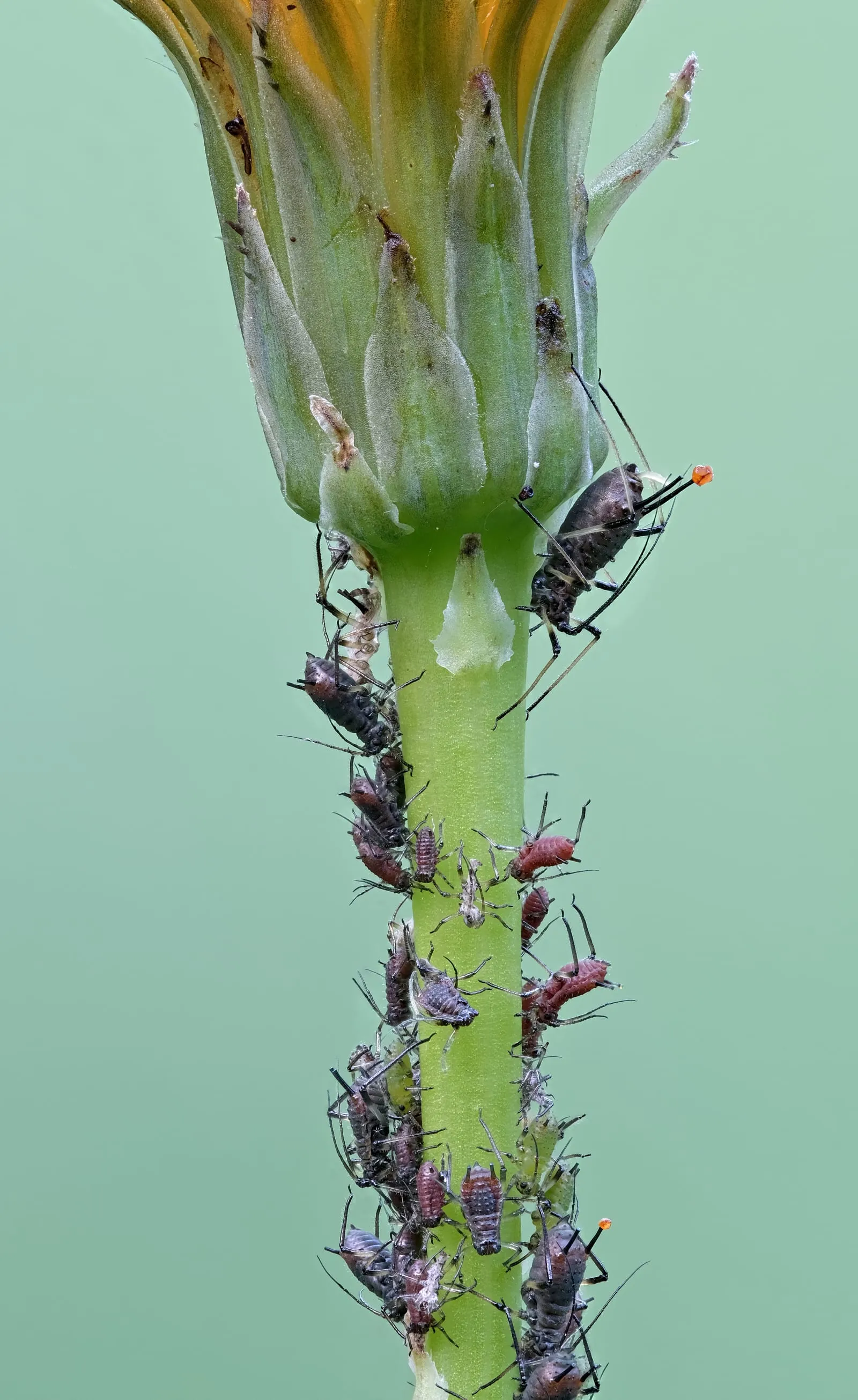
Crown loss at the cold margin. In zones 4a and 4b, sage is technically hardy but sits near the edge of its reliable range. Heavy wet snow combined with a hard freeze in waterlogged soil kills more sage plants than cold air alone. Applying a loose mulch layer after the first hard frost protects the crown without trapping moisture; remove it promptly in spring to avoid fungal issues underneath. Aphid pressure on new growth is an additional concern in humid climates across all zones, though a strong water spray dislodges most colonies before they establish.
Frequently asked questions
- Does sage require chill hours?
No. Sage is a perennial herb harvested for its leaves, not a fruit crop that requires a defined chilling period to break dormancy or set a harvest. Cold winter dormancy resets the plant naturally, but no minimum chill-hour accumulation is needed to produce harvestable foliage.
- How many days does sage take from transplant to first harvest?
75 to 90 days from transplant to first usable harvest. Starting from seed adds 14 to 21 days of germination time on top of that. In practice, most growers start with transplants and take a light first harvest late in the first season, with heavier harvests beginning the second year as the plant establishes.
- What USDA hardiness zones support sage as a perennial?
Sage grows as a perennial in zones 4a through 9a. Below zone 4, winter cold can kill plants outright and it is typically grown as an annual. Above zone 9a, summer heat and humidity accelerate woody decline and plants rarely persist more than a season or two.
- Does sage need pollinators to produce a harvest?
No. The culinary harvest is leaves, so pollination has no bearing on yield. Allowing sage to flower can attract beneficial insects to the garden, but flowering also redirects energy away from leaf production and reduces flavor concentration in the foliage. Most growers clip flower stalks to extend the leafy season.
- What pests most commonly affect sage?
Aphids are the primary pest concern, clustering on new growth and tender stems, particularly in humid conditions. A strong water spray removes most colonies before they establish. Heavy infestations can distort new growth but rarely threaten an established plant.
- What causes sage plants to suddenly collapse or die mid-season?
Crown rot from poor drainage is the most common cause of sudden collapse, far more so than any named fungal pathogen. Plants that look healthy through spring can fail quickly if summer irrigation keeps the root zone consistently wet. Confirm drainage before replanting in the same spot.
- How long does a sage plant remain productive?
With annual spring pruning, sage plants stay productive for 4 to 6 years. Without pruning, most become unproductive within 3 to 4 seasons as woody stems crowd out new growth. In zones 4 and 5, a harsh winter can kill a plant that had persisted several years, so keeping rooted divisions as backup is worthwhile.
+−
+−
+−
+−
+−
+−
+−
Sources
Image: "Salvia leucantha (Mexican Bush Sage)", by Netherzone, via Wikimedia Commons, licensed under CC-BY. Source.
.jpg)
Sage by zone
Related