herb in zone 7b
Growing sage in zone 7b
Salvia officinalis
- Zone
- 7b 5°F to 10°F
- Growing season
- 220 days
- Suitable varieties
- 3
- Days to harvest
- 75 to 90
The verdict
Zone 7b is well within sage's comfortable perennial range, not a marginal fit. Common garden sage (Salvia officinalis) is reliably hardy through zone 5, where minimum temperatures approach -20°F, so zone 7b's winter lows of 5 to 10°F pose no meaningful cold risk in most years. Unlike fruit trees, sage carries no chill-hour requirement; cold exposure improves dormancy but is not a threshold condition for performance.
The real limiting factor in zone 7b is summer humidity rather than winter cold. The 220-day growing season is more than adequate for multiple harvests, but humid piedmont summers create conditions that favor crown rot and fungal stress on a plant bred for dry Mediterranean slopes. All three compatible varieties, Common Garden Sage, Berggarten, and Purple, perform as perennials in this zone without winter protection. Berggarten and Purple show slightly better tolerance of heat and humidity than some heirloom strains, which is worth noting for growers in lower-elevation, wetter sites.
Recommended varieties for zone 7b
3 cultivars suited to this zone, with disease-resistance and zone-fit annotations.
| Variety | Notes | Zone fit | Disease resistance |
|---|---|---|---|
| Common Garden Sage fits zone 7b | Strong, slightly camphorous, classic Thanksgiving sage flavor; gray-green pebbled leaves. Stuffing, sausages, pork, brown butter. The cook's sage, productive perennial. | | none noted |
| Berggarten fits zone 7b | Classic sage flavor with rounded leaf shape; broader gray-green leaves than common sage. Same culinary use, more ornamental in beds. Slow to flower, longer leafy season. | | none noted |
| Purple fits zone 7b | Mild sage flavor; deep purple-tinged foliage. Culinary and ornamental, especially striking in mixed beds. Slightly less hardy than green types. | | none noted |
Critical timing for zone 7b
In zone 7b, sage typically sends up flower stalks in May, with peak bloom running through early June. Last frost in the piedmont generally falls between late March and mid-April, so bloom timing clears frost risk by several weeks in most years. An unusually late frost can damage emerging flower spikes but rarely kills established plants.
For culinary harvest, the optimal windows are just before bloom, when leaf oil concentration is highest, and again in late summer after a post-bloom cutback encourages a fresh flush of growth. Foliage is harvestable from when new growth emerges in early March through October, giving a roughly seven-month harvest window. Plants go semi-dormant in winter but remain evergreen through zone 7b's typical cold spells, making light harvest possible year-round during mild stretches.
Common challenges in zone 7b
- ▸ Cedar-apple rust pressure heavy in piedmont
- ▸ Japanese beetles
- ▸ Brown marmorated stink bug
- ▸ Late summer disease pressure
Modified care for zone 7b
The primary adjustment in zone 7b is managing soil drainage. Sage performs poorly in the clay-heavy soils common across the piedmont; a site that holds standing water after rain is a liability. Raise beds or amend planting areas with coarse sand and compost before planting to ensure rapid drainage.
Japanese beetles can defoliate plants quickly during peak emergence, typically late June through July. Hand-picking is effective on small plantings; row cover provides protection during the worst weeks. Brown marmorated stink bug causes cosmetic feeding damage but rarely threatens established plants. In humid summers, cutting plants back by one-third in August improves air circulation and reduces crown rot risk heading into fall. Avoid overhead irrigation during warm months, and remove any dead or woody interior growth in early spring to keep the crown open.
Frequently asked questions
- Does sage die back completely in zone 7b winters?
No. Sage remains semi-evergreen through most zone 7b winters, retaining foliage during mild cold spells and dying back only to the woody base during hard freezes. Plants reliably rebound in early March.
- Which sage variety holds up best in a humid zone 7b summer?
Berggarten and Purple both show better tolerance of heat and humidity than standard common sage. Both are worth trying on heavier soils or in lower-elevation sites with limited air movement.
- When should sage be cut back in zone 7b?
A light cutback after bloom in June keeps plants compact. A second cutback of roughly one-third in August reduces disease pressure going into fall. Avoid hard pruning into woody stems in autumn; save that for early spring just before new growth emerges.
+−
+−
+−
Sage in adjacent zones
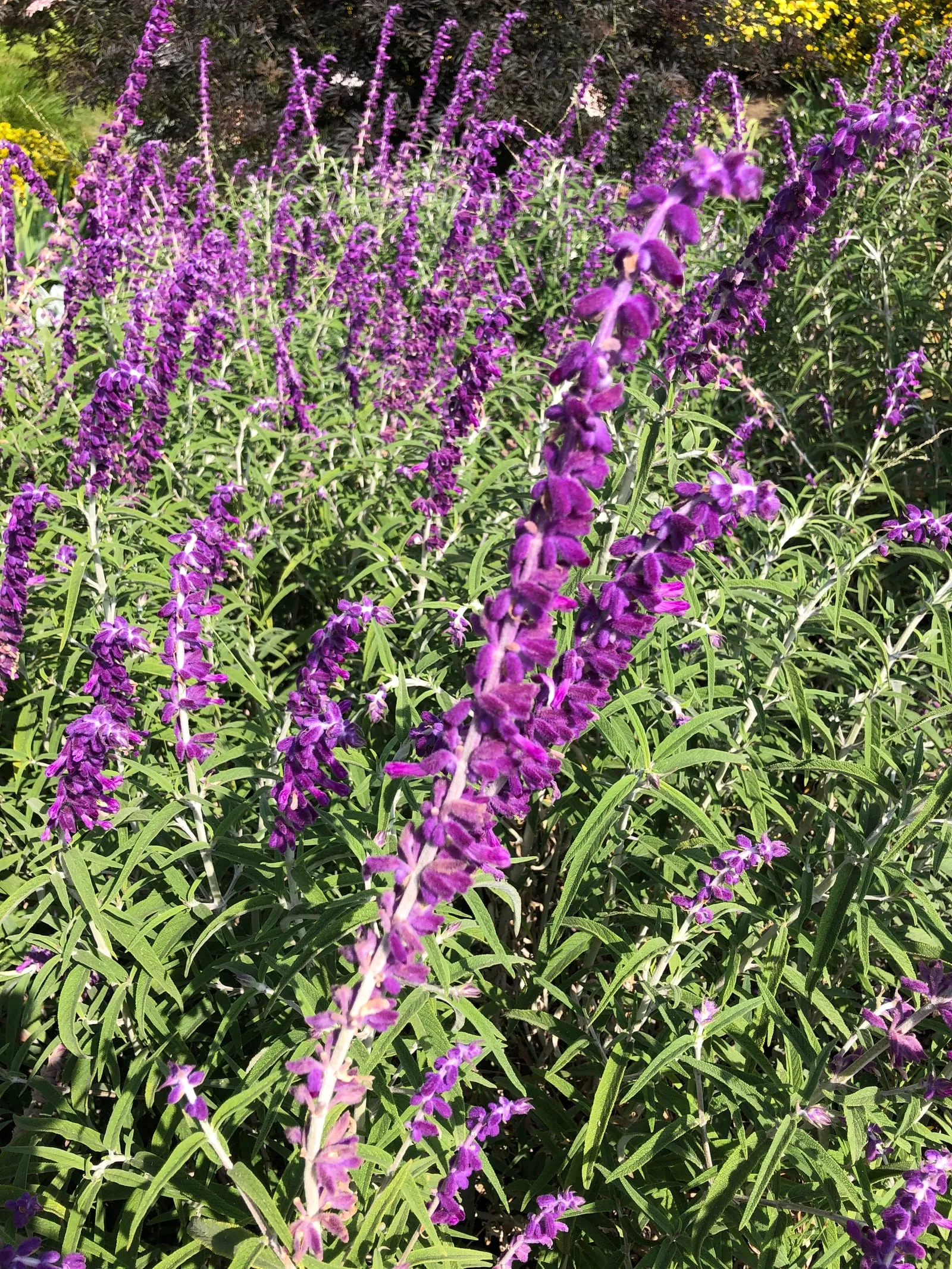
Image: "Salvia leucantha (Mexican Bush Sage)", by Netherzone, via Wikimedia Commons, licensed under CC-BY Source.
.jpg)
Related