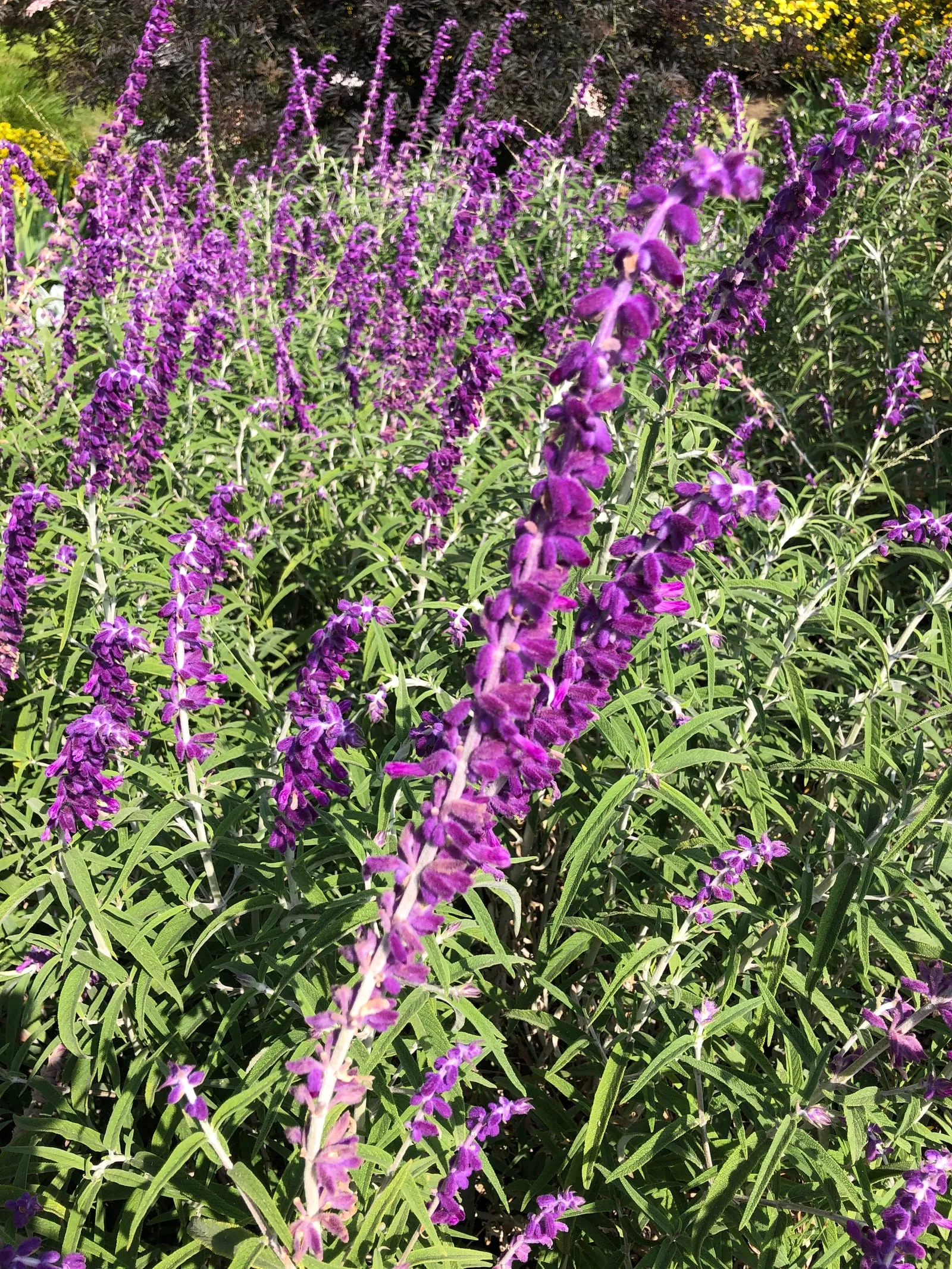
herb in zone 7a
Growing sage in zone 7a
Salvia officinalis
- Zone
- 7a 0°F to 5°F
- Growing season
- 210 days
- Suitable varieties
- 3
- Days to harvest
- 75 to 90
The verdict
Zone 7a sits comfortably within sage's preferred hardiness range. Common Garden Sage and its close relatives are typically rated to zone 4 or 5, making zone 7a the warm end of a sweet spot rather than a marginal edge. Chill hours are not a meaningful constraint for sage the way they are for fruit trees; the plant does not require a specific dormancy period to flower or produce well the following year.
The 210-day growing season gives ample time for multiple harvests and full establishment before winter. All three varieties suited to this page (Common Garden Sage, Berggarten, and Purple) perform reliably in zone 7a conditions. Berggarten, with its broad silvery leaves and compact form, handles heat somewhat better than standard garden sage.
The real challenge in zone 7a is not cold hardiness but summer humidity. Sage originates from the dry Mediterranean basin and tolerates heat readily when drainage is good; where soils stay wet in summer, root rot and foliar fungal problems become common regardless of variety.
Recommended varieties for zone 7a
3 cultivars suited to this zone, with disease-resistance and zone-fit annotations.
| Variety | Notes | Zone fit | Disease resistance |
|---|---|---|---|
| Common Garden Sage fits zone 7a | Strong, slightly camphorous, classic Thanksgiving sage flavor; gray-green pebbled leaves. Stuffing, sausages, pork, brown butter. The cook's sage, productive perennial. | | none noted |
| Berggarten fits zone 7a | Classic sage flavor with rounded leaf shape; broader gray-green leaves than common sage. Same culinary use, more ornamental in beds. Slow to flower, longer leafy season. | | none noted |
| Purple fits zone 7a | Mild sage flavor; deep purple-tinged foliage. Culinary and ornamental, especially striking in mixed beds. Slightly less hardy than green types. | | none noted |
Critical timing for zone 7a
In zone 7a, sage breaks dormancy early, with new basal growth often visible in late February or early March during mild stretches. Last frost typically falls between late March and mid-April at most zone 7a locations, but established sage handles light frost without damage, so spring activity is not delayed waiting for frost-free conditions.
Flowering occurs in late spring to early summer, generally May into June, when the plant sends up upright spikes of small violet-blue blooms. Leaf harvest is best timed just before and during bloom, when essential oil concentration peaks. A second flush of vegetative growth in September and October provides a secondary harvest window before consistent freezing temperatures arrive in late November or December.
Common challenges in zone 7a
- ▸ Cedar-apple rust
- ▸ Brown rot
- ▸ Fire blight
- ▸ High humidity disease pressure
Modified care for zone 7a
Zone 7a's combination of summer heat and humidity is the primary management pressure for sage. Sharp drainage is the single most important site factor: raised beds, berms, or sloped ground consistently outperform flat, clay-heavy soils. Mulch applied close to the crown can trap moisture against the stem and invite crown rot, so keeping mulch pulled back several inches from the base reduces that risk.
Sage enters a semi-dormant phase during peak summer heat in July and August; hard pruning or heavy fertilization during this window stresses plants without proportional benefit. Timing major cutbacks to early spring rather than fall leaves residual foliage as passive insulation through winter freeze-thaw cycles. Established plants in zone 7a rarely need added winter protection, though first-year transplants benefit from a light straw mulch.
The zone challenges listed for this area (cedar-apple rust, brown rot, fire blight) are fruit-tree diseases and do not directly affect sage. The broader high-humidity disease pressure noted for zone 7a does reinforce the value of good air circulation: avoid dense planting and trim interior growth periodically to keep air moving through the canopy.
Sage in adjacent zones
Image: "Salvia leucantha (Mexican Bush Sage)", by Netherzone, via Wikimedia Commons, licensed under CC-BY Source.
.jpg)
Related