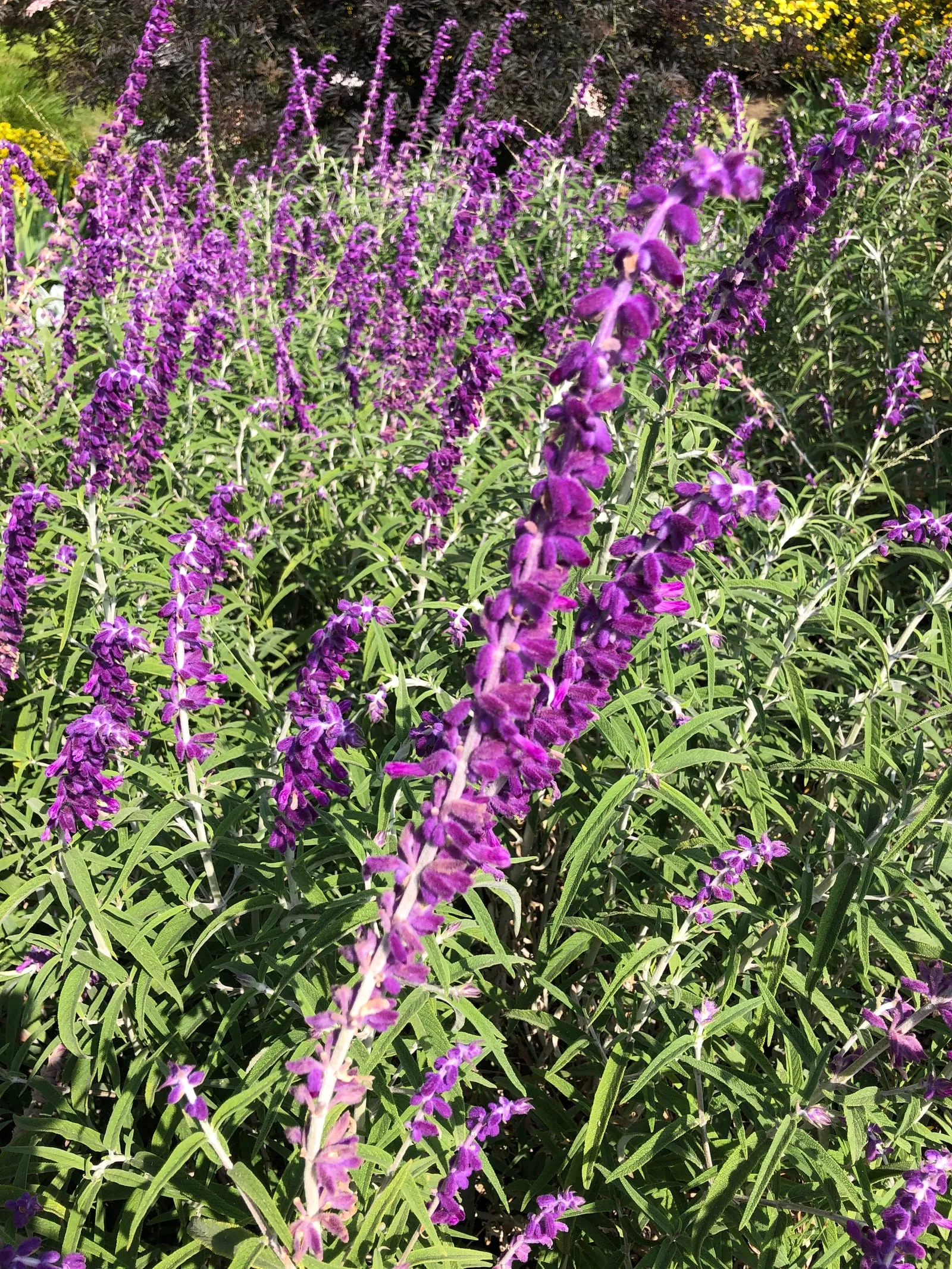
herb in zone 6b
Growing sage in zone 6b
Salvia officinalis
- Zone
- 6b -5°F to 0°F
- Growing season
- 190 days
- Suitable varieties
- 3
- Days to harvest
- 75 to 90
The verdict
Zone 6b is a comfortable fit for sage, not a marginal one. Common garden sage (Salvia officinalis) is cold-hardy to USDA zone 4, meaning the -5 to 0°F winter minimum temperatures in zone 6b pose no meaningful threat to established plants. Sage does not have chill-hour requirements the way fruit trees do; it is a woody perennial that goes dormant in winter and resumes growth as soil temperatures rise in spring.
The 190-day growing season in zone 6b provides ample time for spring establishment, a full harvest window, and proper hardening off before fall frosts arrive. All three varieties listed for this zone, Common Garden Sage, Berggarten, and Purple, are reliably perennial here. The primary limitation in zone 6b is not cold tolerance but winter soil moisture: sage is Mediterranean in origin and more vulnerable to waterlogged roots during dormancy than to low temperatures.
Recommended varieties for zone 6b
3 cultivars suited to this zone, with disease-resistance and zone-fit annotations.
| Variety | Notes | Zone fit | Disease resistance |
|---|---|---|---|
| Common Garden Sage fits zone 6b | Strong, slightly camphorous, classic Thanksgiving sage flavor; gray-green pebbled leaves. Stuffing, sausages, pork, brown butter. The cook's sage, productive perennial. | | none noted |
| Berggarten fits zone 6b | Classic sage flavor with rounded leaf shape; broader gray-green leaves than common sage. Same culinary use, more ornamental in beds. Slow to flower, longer leafy season. | | none noted |
| Purple fits zone 6b | Mild sage flavor; deep purple-tinged foliage. Culinary and ornamental, especially striking in mixed beds. Slightly less hardy than green types. | | none noted |
Critical timing for zone 6b
In zone 6b, sage breaks dormancy and resumes visible growth in late March through early April, once soil temperatures consistently reach 40°F or above. Plants started from transplants in mid-spring can provide light leaf harvests by midsummer of the first year. Established plants are ready for harvest from the moment new growth is robust in spring through early fall.
Bloom typically occurs in May and June, with upright purple flower spikes attractive to pollinators. Regular harvest delays or reduces flowering, which is desirable for culinary production since leaf quality declines after the plant flowers. Harvests should taper off at least four to six weeks before the average first fall frost, which falls around mid-October in most of zone 6b, allowing new growth to harden before dormancy.
Common challenges in zone 6b
- ▸ Cedar-apple rust
- ▸ Fire blight
- ▸ Stink bugs
Modified care for zone 6b
The most important adaptation in zone 6b is drainage management during the winter dormant period. Sage tolerates the zone's cold reliably but is prone to crown rot when roots sit in wet, heavy soil through winter. Growers on clay-dominant soils should amend beds with coarse grit or build raised beds with a sandy loam mix before planting.
Spring pruning timing matters in zone 6b. Cutting back woody stems by roughly one-third should wait until new basal growth is clearly visible, typically late March to early April, rather than cutting in fall. Premature fall pruning removes insulating stem mass before the plant has fully hardened.
During zone 6b's humid summer months, the dense interior of established sage plants can trap moisture and invite powdery mildew. Thinning the center of multi-year plants in early summer improves airflow and extends the productive life of the planting. Dividing congested plants every three to four years maintains vigor.
Frequently asked questions
- Is sage a perennial in zone 6b or does it need to be replanted each year?
Sage is reliably perennial in zone 6b. Common garden sage, Berggarten, and Purple sage all survive zone 6b winters without protection, returning each spring from established root systems. Plants typically remain productive for four to six years before becoming too woody and benefiting from division or replacement.
- Can sage be harvested in the first year after planting?
Light harvests are possible in the first year if transplants are established by late spring and the plant has time to develop a strong root system. Avoid heavy harvests the first season; taking more than one-third of the foliage before the plant is well-established can set back root development and reduce winter hardiness.
- Does sage need winter mulching in zone 6b?
Generally not. Established sage plants are cold-hardy well below zone 6b's minimum temperatures. If anything, mulching too heavily around the crown traps moisture and increases rot risk. A light layer of loose straw can protect young first-year plants through their first winter, but it should be pulled back in early spring.
+−
+−
+−
Sage in adjacent zones
Image: "Salvia leucantha (Mexican Bush Sage)", by Netherzone, via Wikimedia Commons, licensed under CC-BY Source.
.jpg)
Related