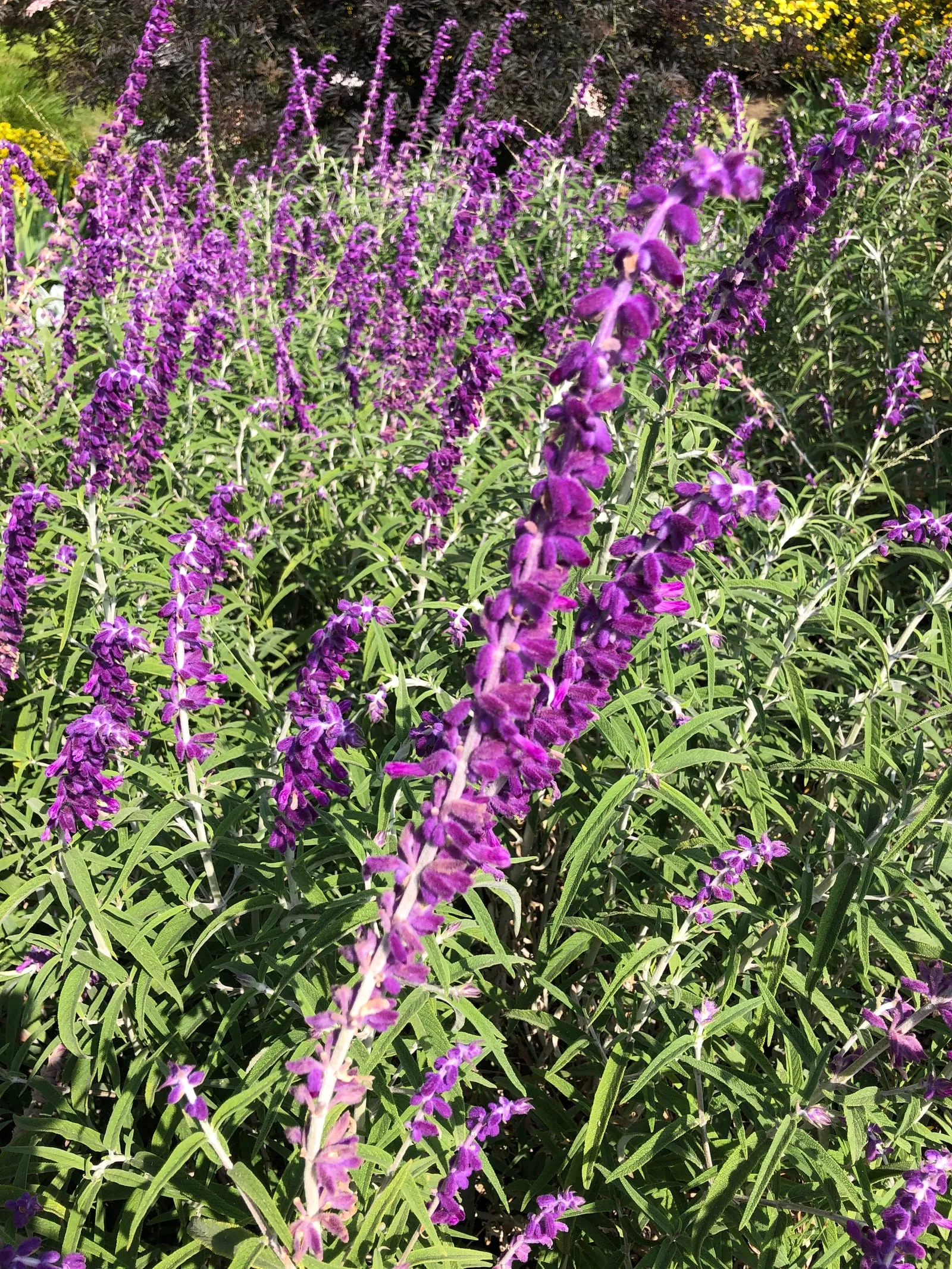
herb in zone 6a
Growing sage in zone 6a
Salvia officinalis
- Zone
- 6a -10°F to -5°F
- Growing season
- 180 days
- Suitable varieties
- 3
- Days to harvest
- 75 to 90
The verdict
Sage (Salvia officinalis) is a Mediterranean perennial with a broad cold tolerance, and zone 6a falls within its workable range. Minimum temperatures of -10 to -5°F represent the lower edge of what established sage can handle, not a comfortable midpoint. Well-sited, well-drained plants typically survive; young plants or those in heavy clay soils are more vulnerable to winter loss.
Unlike fruit trees, sage has no chill-hour requirement. What matters is drainage during dormancy and the quality of site selection. Zone 6a's 180-day growing season gives sage ample time to establish and support multiple harvests before winter. Among the compatible varieties, Berggarten is the most reliably cold-hardy and is the better choice for exposed or wind-prone sites. Common Garden Sage and Purple sage perform well but may need modest protection in colder microclimates within the zone. Zone 6a is not a sweet spot for sage, but it is not marginal either, provided drainage is adequate.
Recommended varieties for zone 6a
3 cultivars suited to this zone, with disease-resistance and zone-fit annotations.
| Variety | Notes | Zone fit | Disease resistance |
|---|---|---|---|
| Common Garden Sage fits zone 6a | Strong, slightly camphorous, classic Thanksgiving sage flavor; gray-green pebbled leaves. Stuffing, sausages, pork, brown butter. The cook's sage, productive perennial. | | none noted |
| Berggarten fits zone 6a | Classic sage flavor with rounded leaf shape; broader gray-green leaves than common sage. Same culinary use, more ornamental in beds. Slow to flower, longer leafy season. | | none noted |
| Purple fits zone 6a | Mild sage flavor; deep purple-tinged foliage. Culinary and ornamental, especially striking in mixed beds. Slightly less hardy than green types. | | none noted |
Critical timing for zone 6a
In zone 6a, sage breaks dormancy in mid-April as soil temperatures approach 50°F. Bloom typically runs from late May into June, and flowering marks a shift in leaf character: foliage becomes coarser and slightly more bitter during and after bloom. For culinary harvest, the primary window runs from early spring growth through the onset of flowering.
Cutting plants back by one-third immediately after bloom encourages a second flush of tender growth, which can be harvested through late summer. Fall production continues until the first hard frost, generally mid-October to early November in zone 6a. Timing winter mulch application after the ground begins to freeze, rather than at first frost, allows plants to harden off properly before insulation traps residual warmth.
Common challenges in zone 6a
- ▸ Brown rot in stone fruit
- ▸ Japanese beetles
- ▸ Spring frost damage to peach buds
Modified care for zone 6a
The most significant zone 6a adjustment for sage is soil drainage, not temperature management. Saturated roots during dormancy kill sage more reliably than cold does, and zone 6a winters often bring prolonged wet periods alongside the cold. Raised beds or sloped, well-drained sites are strongly preferred; heavy clay soil without amendment is a consistent failure point.
Apply a dry mulch of straw or gravel around the crown after the ground begins to freeze in late November. Avoid mulching during the early cool-down period, as this delays hardening and can increase winter damage. Remove mulch promptly in spring once temperatures stabilize above freezing.
Japanese beetles, listed among zone 6a's pressures, will occasionally target sage foliage but rarely cause damage significant enough to affect harvest. Hand removal is sufficient for most seasons. No additional fungal disease adjustments are necessary for sage in this zone.
Frequently asked questions
- Will sage survive zone 6a winters without protection?
Established plants in well-drained soil generally survive zone 6a winters without heavy intervention. The main risk is wet soil during dormancy, not temperature alone. A light mulch applied after the ground freezes reduces heaving and improves survival rates in colder parts of the zone.
- Which sage variety is most reliable in zone 6a?
Berggarten is the most cold-hardy of the common culinary varieties and holds up better in exposed zone 6a sites. Common Garden Sage and Purple sage are also viable but benefit from a protected location or a bit of winter mulching in colder microclimates.
- When is the best time to harvest sage in zone 6a?
The primary harvest window runs from early spring through the beginning of bloom in late May or early June. A second flush follows if plants are cut back after flowering. Fall harvest continues productively until the first hard frost, typically mid-October to early November.
- Can sage be grown in containers in zone 6a?
Container-grown sage in zone 6a needs winter shelter, as pots freeze through and offer none of the ground insulation that in-ground roots benefit from. Moving containers to an unheated garage or shed once temperatures drop consistently below 25°F is the practical approach.
+−
+−
+−
+−
Sage in adjacent zones
Image: "Salvia leucantha (Mexican Bush Sage)", by Netherzone, via Wikimedia Commons, licensed under CC-BY Source.
.jpg)
Related