herb in zone 5b
Growing sage in zone 5b
Salvia officinalis
- Zone
- 5b -15°F to -10°F
- Growing season
- 165 days
- Suitable varieties
- 3
- Days to harvest
- 75 to 90
The verdict
Sage (Salvia officinalis) is reliably perennial in zone 5b. Winter lows of -15 to -10°F fall within the hardiness range of common garden sage without qualification, and all three listed varieties, Common Garden Sage, Berggarten, and Purple, overwinter successfully in this zone when sited with good drainage.
Unlike fruit crops, sage carries no chill-hour requirement. The relevant winter question is crown survival, and zone 5b's cold is well within what these selections tolerate. The 165-day growing season gives sage ample time to put on substantial vegetative growth before hard frost returns.
Zone 5b sits in the sweet spot for culinary sage: cold enough to produce the dense, aromatic foliage the herb is known for, and long enough for two to three meaningful harvests per season. Purple sage is the most cold-sensitive of the three varieties listed and benefits from a sheltered microclimate or consistent snow cover as insulation, but does not require extraordinary protection beyond attentive drainage management.
Recommended varieties for zone 5b
3 cultivars suited to this zone, with disease-resistance and zone-fit annotations.
| Variety | Notes | Zone fit | Disease resistance |
|---|---|---|---|
| Common Garden Sage fits zone 5b | Strong, slightly camphorous, classic Thanksgiving sage flavor; gray-green pebbled leaves. Stuffing, sausages, pork, brown butter. The cook's sage, productive perennial. | | none noted |
| Berggarten fits zone 5b | Classic sage flavor with rounded leaf shape; broader gray-green leaves than common sage. Same culinary use, more ornamental in beds. Slow to flower, longer leafy season. | | none noted |
| Purple fits zone 5b | Mild sage flavor; deep purple-tinged foliage. Culinary and ornamental, especially striking in mixed beds. Slightly less hardy than green types. | | none noted |
Critical timing for zone 5b
In zone 5b, sage breaks dormancy as soil temperatures climb above 40°F, typically in late March to early April. Flowering occurs in late May through June, roughly two to four weeks after the average last frost date for this zone. The lavender-to-purple flower spikes are edible but pinching them redirects energy toward leaf production.
Leaf harvest can begin as soon as established plants have enough foliage to spare, often by mid-May in the second year and beyond. Fresh harvest continues until hard frost, which typically arrives mid-October in zone 5b. First-year plants benefit from a restrained harvest to allow root establishment before winter. The 165-day season is sufficient for multiple cuts on mature plants, with the most flavorful foliage produced just before and after bloom.
Common challenges in zone 5b
- ▸ Plum curculio
- ▸ Codling moth
- ▸ Cedar-apple rust
Modified care for zone 5b
The primary adaptation in zone 5b is managing winter moisture. Sage tolerates hard cold readily but is susceptible to crown rot when plants sit in wet soil through repeated freeze-thaw cycles. Raised beds, gravel mulch around the crown, or sloped sites with fast drainage reduce this risk considerably.
Fall pruning should be minimal. Cutting back hard in September or October removes foliage that insulates the crown and can trigger tender new growth vulnerable to early frost. Pruning in spring, once new growth is clearly visible at the base, is the safer approach in this zone.
A 2 to 3 inch layer of coarse mulch applied after the ground freezes, typically November in zone 5b, extends root protection without trapping moisture against the crown. Remove it in early spring before growth resumes. Purple sage benefits from a south-facing or sheltered exposure in the colder parts of this zone, particularly in sites without reliable snow cover.
Sage in adjacent zones
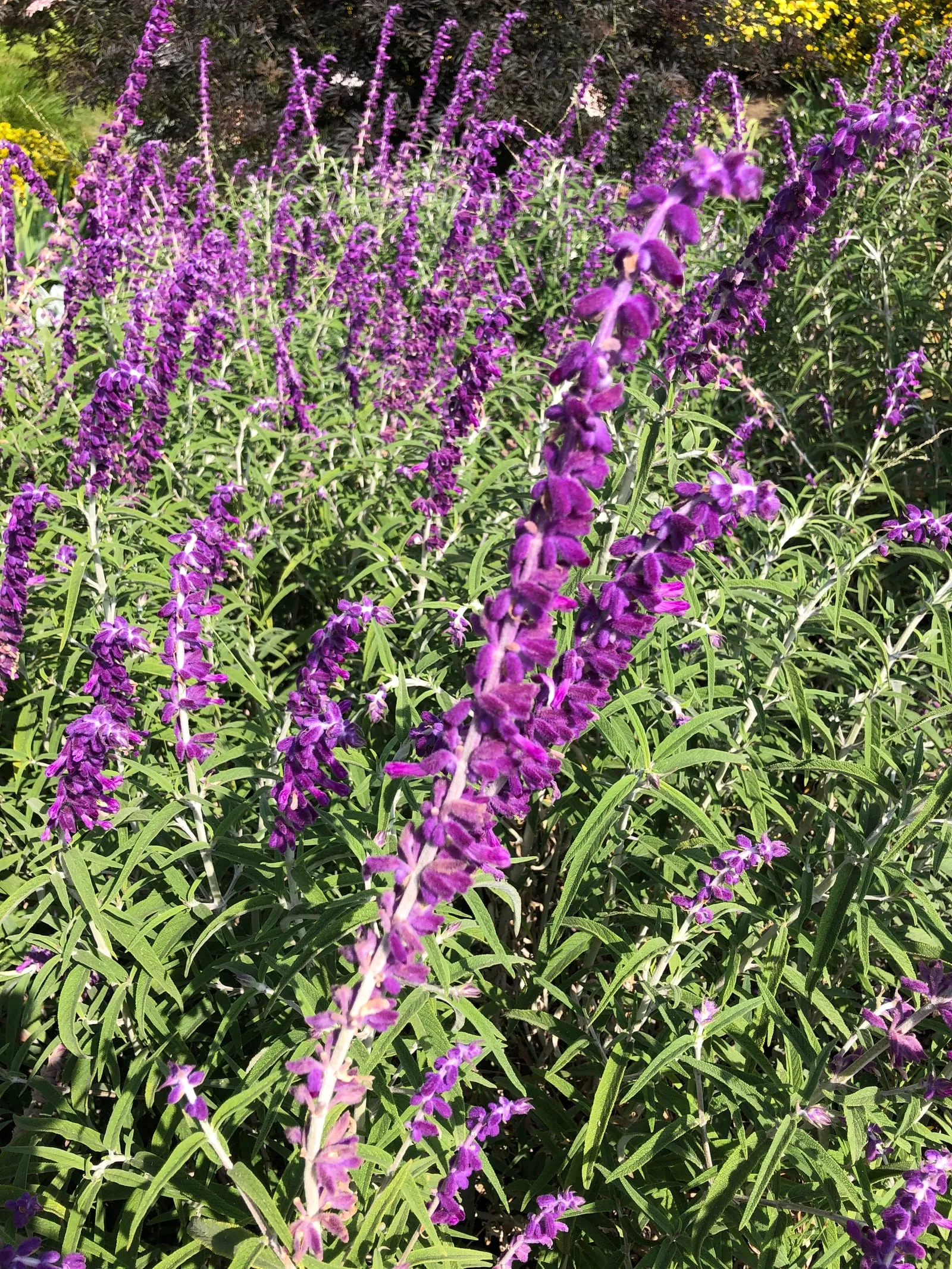
Image: "Salvia leucantha (Mexican Bush Sage)", by Netherzone, via Wikimedia Commons, licensed under CC-BY Source.
.jpg)
Related