herb in zone 5a
Growing sage in zone 5a
Salvia officinalis
- Zone
- 5a -20°F to -15°F
- Growing season
- 150 days
- Suitable varieties
- 3
- Days to harvest
- 75 to 90
The verdict
Sage (Salvia officinalis) is a hardy perennial rated for zones 4 through 8, which places zone 5a well within its reliable range rather than at any edge. The minimum temperatures of -20 to -15°F that define zone 5a can stress young or poorly established plants, but mature sage with adequate drainage handles these lows routinely.
Unlike fruit crops, sage carries no chill-hour requirement; winter dormancy is simply part of its growth cycle, not a calibration problem. Zone 5a's 150-day growing season comfortably exceeds the minimum needed for full leaf production and normal bloom. The zone challenges listed for this area (fire blight, cedar-apple rust, late spring frosts) are primarily fruit-tree concerns; sage is not a host for either pathogen. Late spring frosts are the one relevant overlap, but established sage tolerates light frost without significant damage. For most zone 5a gardeners, sage is a low-risk, long-lived perennial that rewards minimal attention once established.
Recommended varieties for zone 5a
3 cultivars suited to this zone, with disease-resistance and zone-fit annotations.
| Variety | Notes | Zone fit | Disease resistance |
|---|---|---|---|
| Common Garden Sage fits zone 5a | Strong, slightly camphorous, classic Thanksgiving sage flavor; gray-green pebbled leaves. Stuffing, sausages, pork, brown butter. The cook's sage, productive perennial. | | none noted |
| Berggarten fits zone 5a | Classic sage flavor with rounded leaf shape; broader gray-green leaves than common sage. Same culinary use, more ornamental in beds. Slow to flower, longer leafy season. | | none noted |
| Purple fits zone 5a | Mild sage flavor; deep purple-tinged foliage. Culinary and ornamental, especially striking in mixed beds. Slightly less hardy than green types. | | none noted |
Critical timing for zone 5a
In zone 5a, sage typically breaks dormancy in mid to late April as soil temperatures climb above 40°F. Bloom occurs from late May through June, with purple-blue flower spikes emerging at the tips of mature stems. The average last frost in zone 5a falls in late April to early May, overlapping with early regrowth but generally clearing before peak bloom.
Harvest for culinary use can begin once new growth reaches several inches in length, often by early to mid-May. A second flush of harvestable foliage typically follows if flower stalks are cut back promptly after bloom. The growing season closes with first fall frosts in early to mid-October; leaves remain usable through early fall and can be harvested until a hard freeze sets in.
Common challenges in zone 5a
- ▸ Fire blight in pears
- ▸ Cedar-apple rust
- ▸ Late spring frosts
Modified care for zone 5a
The main adjustment in zone 5a is protecting young plants through their first winter. First-year sage planted in spring benefits from 3 to 4 inches of straw or shredded-leaf mulch applied after the ground freezes in late fall; this moderates the freeze-thaw cycles that can heave shallow roots.
Soil drainage matters more in zone 5a than in warmer parts of the range. Saturated soil combined with repeated freezing is the leading cause of sage loss over winter, not cold alone. Raised beds or amended heavy clay soils improve survival markedly. Established plants in their second year and beyond generally need no special winter treatment beyond removing dead wood in early spring. The Berggarten and Common Garden Sage varieties listed for this zone are both proven performers in cold climates; Purple sage is slightly less cold-hardy and benefits most from the mulching precaution in its first season.
Frequently asked questions
- Is sage a perennial in zone 5a?
Yes. Common Garden Sage, Berggarten, and Purple sage are all hardy to at least zone 4, so they overwinter reliably in zone 5a. Young plants benefit from mulching in their first winter; established plants return year after year with minimal intervention.
- When should sage be planted outdoors in zone 5a?
Transplants can go out after the last average frost, typically mid-May in zone 5a. Starting from seed indoors 6 to 8 weeks earlier (early March) gives plants enough size to establish before summer heat.
- Why does sage sometimes die over winter in cold climates?
The usual culprit is wet soil, not cold alone. Sage roots sitting in saturated ground through repeated freeze-thaw cycles rot before spring. Well-drained soil or a raised bed resolves most winter losses in zone 5a.
- Should sage be cut back in fall in zone 5a?
A light trim to remove spent flower stalks in early fall is fine, but hard pruning into woody stems should wait until early spring. Leaving some top growth through winter provides mild insulation and marks where the plant is.
+−
+−
+−
+−
Sage in adjacent zones
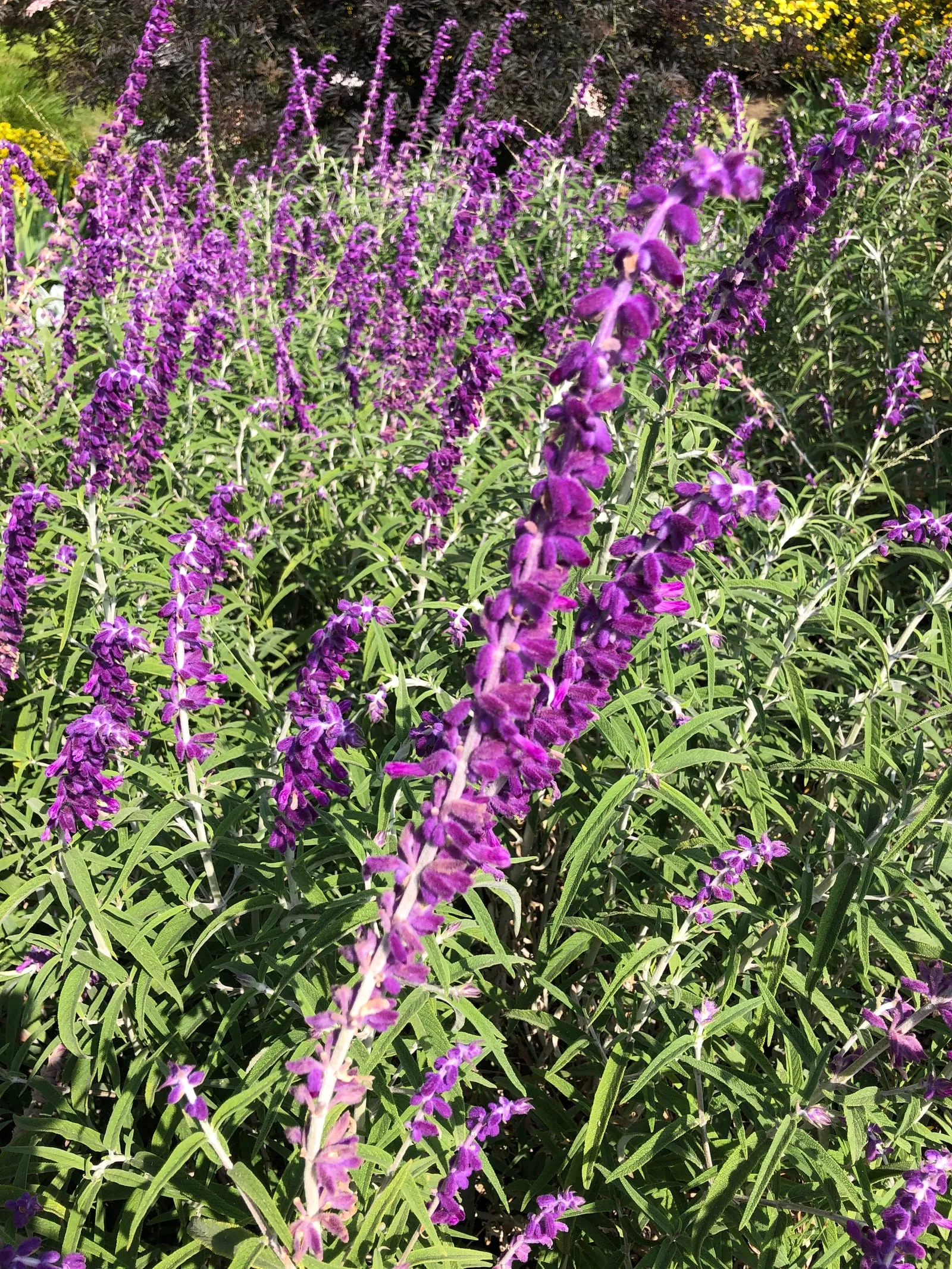
Image: "Salvia leucantha (Mexican Bush Sage)", by Netherzone, via Wikimedia Commons, licensed under CC-BY Source.
.jpg)
Related