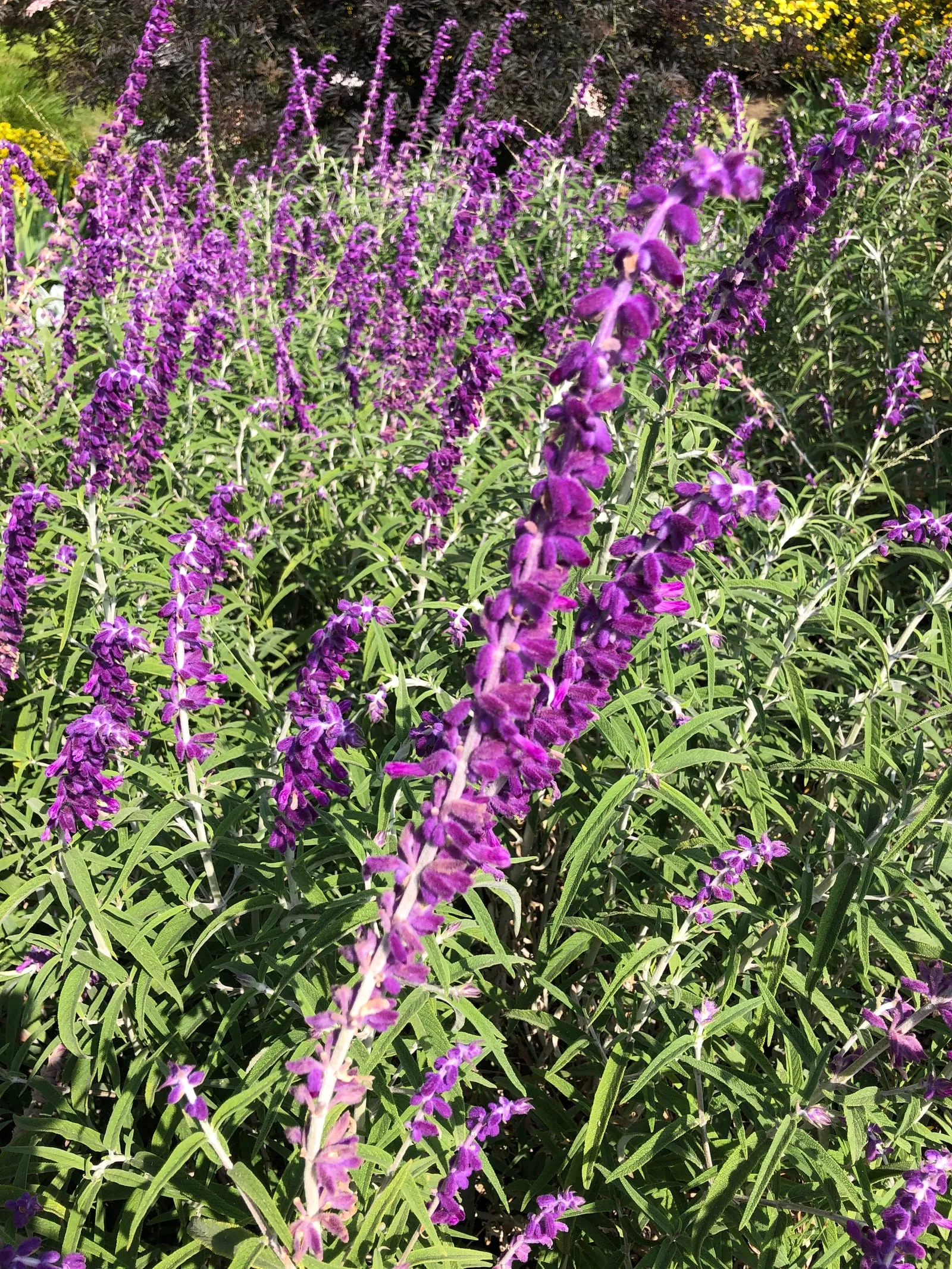
herb in zone 8a
Growing sage in zone 8a
Salvia officinalis
- Zone
- 8a 10°F to 15°F
- Growing season
- 240 days
- Suitable varieties
- 3
- Days to harvest
- 75 to 90
The verdict
Zone 8a is a reliable growing zone for sage, sitting comfortably within the perennial range for Common Garden Sage, Berggarten, and Purple sage. Unlike fruit crops, sage carries no chill-hour requirement, so the zone's relatively mild winters pose no dormancy risk. The 240-day growing season gives established plants ample time to put on woody growth, flower, and recover from harvest cuts before cold sets in.
The more relevant question for zone 8a is summer heat combined with humidity. Sage is native to the Mediterranean basin and tolerates dry heat well, but persistent summer humidity, especially in the Southeast, increases the risk of root rot and foliar fungal issues. This is the zone where drainage matters more than cold hardiness. On the Pacific side of zone 8a (parts of Oregon and Washington), cooler, wetter summers present a different set of conditions but similarly require attention to soil drainage. Overall, zone 8a is a functional sweet spot for sage, not a marginal one, provided site selection favors good air circulation and fast-draining soil.
Recommended varieties for zone 8a
3 cultivars suited to this zone, with disease-resistance and zone-fit annotations.
| Variety | Notes | Zone fit | Disease resistance |
|---|---|---|---|
| Common Garden Sage fits zone 8a | Strong, slightly camphorous, classic Thanksgiving sage flavor; gray-green pebbled leaves. Stuffing, sausages, pork, brown butter. The cook's sage, productive perennial. | | none noted |
| Berggarten fits zone 8a | Classic sage flavor with rounded leaf shape; broader gray-green leaves than common sage. Same culinary use, more ornamental in beds. Slow to flower, longer leafy season. | | none noted |
| Purple fits zone 8a | Mild sage flavor; deep purple-tinged foliage. Culinary and ornamental, especially striking in mixed beds. Slightly less hardy than green types. | | none noted |
Critical timing for zone 8a
In zone 8a, sage blooms in late spring, typically late April through early June depending on local conditions and the preceding winter. The bloom period is brief, four to six weeks, and cutting stems back after flowering encourages a second flush of foliar growth useful for late-summer harvest.
The last frost in zone 8a averages mid-March in most locations, meaning spring growth resumes early. Established plants often show new leaf growth in February during mild winters. The first fall frost typically arrives in mid-to-late November, leaving a long harvest window. Leaves can be cut throughout the growing season; flavor concentration peaks just before bloom. In zone 8a, sage rarely goes fully dormant, making it possible to harvest lightly even in December and January during mild spells.
Common challenges in zone 8a
- ▸ Insufficient chill hours for some apple varieties
- ▸ Pierce's disease in grapes
- ▸ Heat stress on cool-season crops
Modified care for zone 8a
The primary adjustment in zone 8a is managing drainage and airflow rather than cold protection. Sage planted in clay-heavy or compacted soil in a humid climate will struggle regardless of winter temperatures. Raised beds or bermed planting sites with amended, gritty soil address the root rot risk that summer humidity creates.
Pruning is more important in zone 8a than in cooler zones because the extended growing season accelerates woodiness. A hard cutback in early spring, before new growth flushes, keeps plants productive and delays the decline that untended sage shows after three to four years. Cutting back by one-third to one-half in late summer, after the heat peak, encourages a second round of tender growth before fall.
In the hottest inland pockets of zone 8a where afternoon temperatures regularly exceed 95F, partial afternoon shade extends leaf quality through summer. Berggarten handles heat slightly better than standard Common Sage due to its thicker leaf structure and is a practical first choice for those sites.
Frequently asked questions
- Is sage perennial in zone 8a?
Yes. Common Garden Sage, Berggarten, and Purple sage are all winter-hardy through zone 8a and will overwinter without protection in most years. Plants may die back partially after a hard freeze but typically recover from the root crown in spring.
- Why does my sage rot in summer rather than winter in zone 8a?
Sage is native to dry Mediterranean climates and has limited tolerance for saturated soil. In humid zone 8a summers, poor drainage or overhead irrigation creates conditions for Pythium and Rhizoctonia root rots. Improving drainage and switching to drip irrigation resolves most cases.
- When should sage be pruned in zone 8a?
The main pruning window is early spring, just as new growth begins, usually late February to mid-March in zone 8a. A secondary light cutback in August, after the hottest stretch, encourages fresh growth for fall harvest. Avoid heavy pruning in late fall.
- Which sage variety performs best in zone 8a heat?
Berggarten is often the most resilient choice in hot, humid zone 8a conditions. Its broader, thicker leaves tolerate heat stress better than standard Common Sage, and it tends to stay compact longer before going woody.
+−
+−
+−
+−
Sage in adjacent zones
Image: "Salvia leucantha (Mexican Bush Sage)", by Netherzone, via Wikimedia Commons, licensed under CC-BY Source.
.jpg)
Related