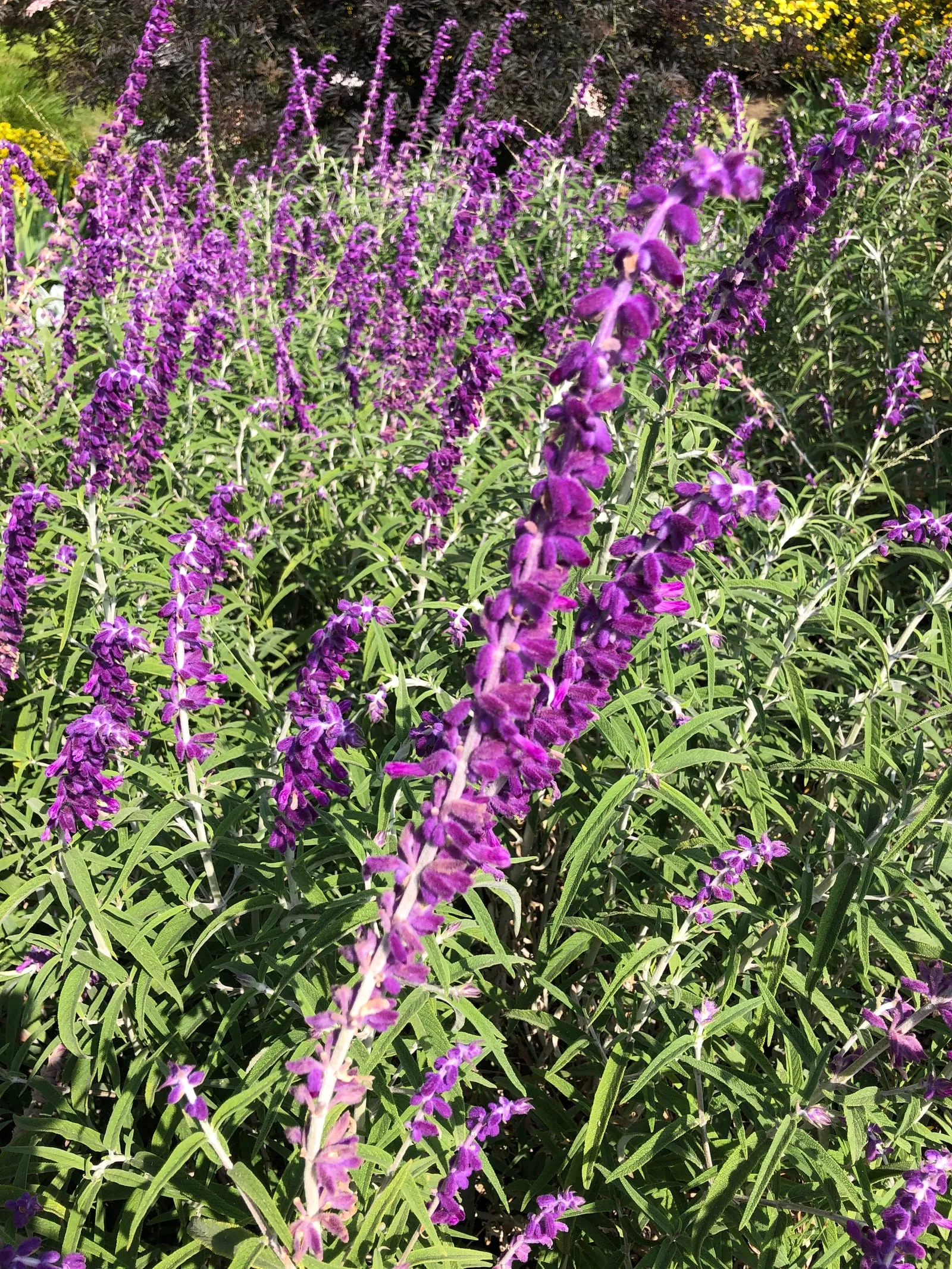
herb in zone 4a
Growing sage in zone 4a
Salvia officinalis
- Zone
- 4a -30°F to -25°F
- Growing season
- 120 days
- Suitable varieties
- 2
- Days to harvest
- 75 to 90
The verdict
Sage is viable in zone 4a, but it sits at the colder edge of the crop's reliable range. Minimum winter temperatures of -30 to -25°F can kill established plants outright without protection, particularly in exposed sites or where snow cover is inconsistent. The 120-day growing season is sufficient for herb production but leaves little margin for slow establishment after a hard winter.
Common Garden Sage is rated to roughly zone 4, meaning zone 4a represents a marginal condition rather than a sweet spot. Berggarten, a compact variety with broader leaves, shows somewhat better cold-hardiness and is the stronger choice for this zone. Both will perform well in terms of flavor production during the growing season; the real variable is whether plants survive winter intact year to year rather than dying back to roots or dying entirely.
Sage does not require a chill period the way tree fruits do, so chill-hour accumulation is not a limiting factor here. Cold survival, not dormancy requirements, is the relevant constraint.
Recommended varieties for zone 4a
2 cultivars suited to this zone, with disease-resistance and zone-fit annotations.
| Variety | Notes | Zone fit | Disease resistance |
|---|---|---|---|
| Common Garden Sage fits zone 4a | Strong, slightly camphorous, classic Thanksgiving sage flavor; gray-green pebbled leaves. Stuffing, sausages, pork, brown butter. The cook's sage, productive perennial. | | none noted |
| Berggarten fits zone 4a | Classic sage flavor with rounded leaf shape; broader gray-green leaves than common sage. Same culinary use, more ornamental in beds. Slow to flower, longer leafy season. | | none noted |
Critical timing for zone 4a
In zone 4a, the last spring frost typically falls in late May, and the first fall frost arrives in early to mid-September, compressing the active growing season to roughly 120 days. Sage planted outdoors should go in after the last frost date, once soil temperatures have climbed above 60°F.
Flowering typically occurs in late June through July in this zone, later than in warmer regions. Harvest for culinary use begins once the plant establishes and puts on substantial leaf growth, usually mid-June onward. Leaf quality peaks before and just after bloom; cutting back flower stalks can extend the harvest window into August. A light harvest in early fall, well before the first frost, allows plants to harden off rather than pushing tender new growth into cold conditions.
Common challenges in zone 4a
- ▸ Late frosts damage early bloomers
- ▸ Limited peach varieties
Modified care for zone 4a
Winter protection is the primary management difference in zone 4a. After the first hard frost, a 3 to 4 inch layer of straw or shredded leaves mounded around the crown reduces the risk of lethal freeze injury at the root zone. Remove mulch gradually in spring once overnight temperatures stabilize above freezing.
Avoid heavy pruning in late summer or early fall. Cutting sage back late in the season stimulates new growth that lacks the hardening needed to survive zone 4a winters. Pruning is better timed for spring, after new growth confirms which stems survived.
Siting matters more in this zone than in milder climates. A south-facing bed with good drainage and some wind protection from structures or hedges improves overwinter survival measurably. Wet, poorly drained soils are particularly damaging in cold climates because saturated roots are more vulnerable to freeze injury than dry roots. Raised beds or sloped sites are worth prioritizing.
Frequently asked questions
- Can sage survive zone 4a winters without protection?
It depends on the site and the winter. Established plants in well-drained, sheltered beds sometimes come through unprotected, but zone 4a minimum temperatures of -30 to -25°F are at or beyond the cold limit for Common Garden Sage. Mulching the crown after the first frost significantly improves the odds.
- Which sage variety handles zone 4a cold best?
Berggarten is generally considered more cold-tolerant than standard Common Garden Sage and is the better choice for zone 4a. Both are rated near the zone 4 threshold, so neither is a guaranteed perennial in the coldest winters without some protection.
- When should sage be planted outdoors in zone 4a?
After the last frost date, typically late May in zone 4a, once soil has warmed above 60°F. Starting transplants indoors 6 to 8 weeks before the last frost gives plants more of the short growing season to establish before fall.
+−
+−
+−
Sage in adjacent zones
Image: "Salvia leucantha (Mexican Bush Sage)", by Netherzone, via Wikimedia Commons, licensed under CC-BY Source.
.jpg)
Related