vegetable in zone 9a
Growing garlic in zone 9a
Allium sativum
- Zone
- 9a 20°F to 25°F
- Growing season
- 290 days
- Suitable varieties
- 1
- Days to harvest
- 240 to 270
The verdict
Zone 9a sits at the warm edge of reliable garlic production. The limiting factor is not the growing season length, which at 290 days is more than adequate, but the winter cold pattern. Garlic requires sustained exposure to temperatures below 40°F to trigger proper bulb development, and hardneck types, which need more accumulated chilling than softneck, rarely perform well here. California Early Softneck is the practical choice for this zone: it was bred specifically for low-chill conditions and consistently forms usable bulbs in climates where hardnecks fail.
Expect somewhat smaller bulbs and fewer cloves per head compared to production in zones 5 through 7. This is a workable zone for garlic, not a sweet spot. Coastal locations within zone 9a often see more reliable chilling than inland sites, where winter nights can warm rapidly after cold fronts pass. Within this zone, microsite selection matters more than in cooler climates where adequate chilling is essentially guaranteed.
Recommended varieties for zone 9a
1 cultivar suited to this zone, with disease-resistance and zone-fit annotations.
| Variety | Notes | Zone fit | Disease resistance |
|---|---|---|---|
| California Early Softneck fits zone 9a | Mild, classic softneck flavor; the typical grocery-store garlic. Long-storing softneck, productive, easy to braid. Adapted to mild Western climates. | | none noted |
Critical timing for zone 9a
Garlic in zone 9a is planted in fall, typically from mid-October through November, after soil temperatures begin dropping below 60°F. Planting too early pushes excessive top growth before the cool period, which can compete with energy available for bulb development later. Bulbing is driven by the combination of lengthening spring days and prior chilling, so the sequence of cool nights followed by warming temperatures is what moves the crop forward.
Harvest falls earlier here than in cooler regions, typically late April to late May. Leaving bulbs in the ground after foliage begins yellowing and falling over is a particular risk in zone 9a, where warming soil and residual moisture accelerate decay. Softneck types like California Early do not produce scapes, so the primary harvest cue is foliage collapse rather than the scape emergence that signals timing for hardneck growers.
Common challenges in zone 9a
- ▸ Limited stone fruit options due to insufficient chill
- ▸ Hurricane and tropical storm exposure
- ▸ Citrus disease pressure
Disease pressure to watch for
Modified care for zone 9a
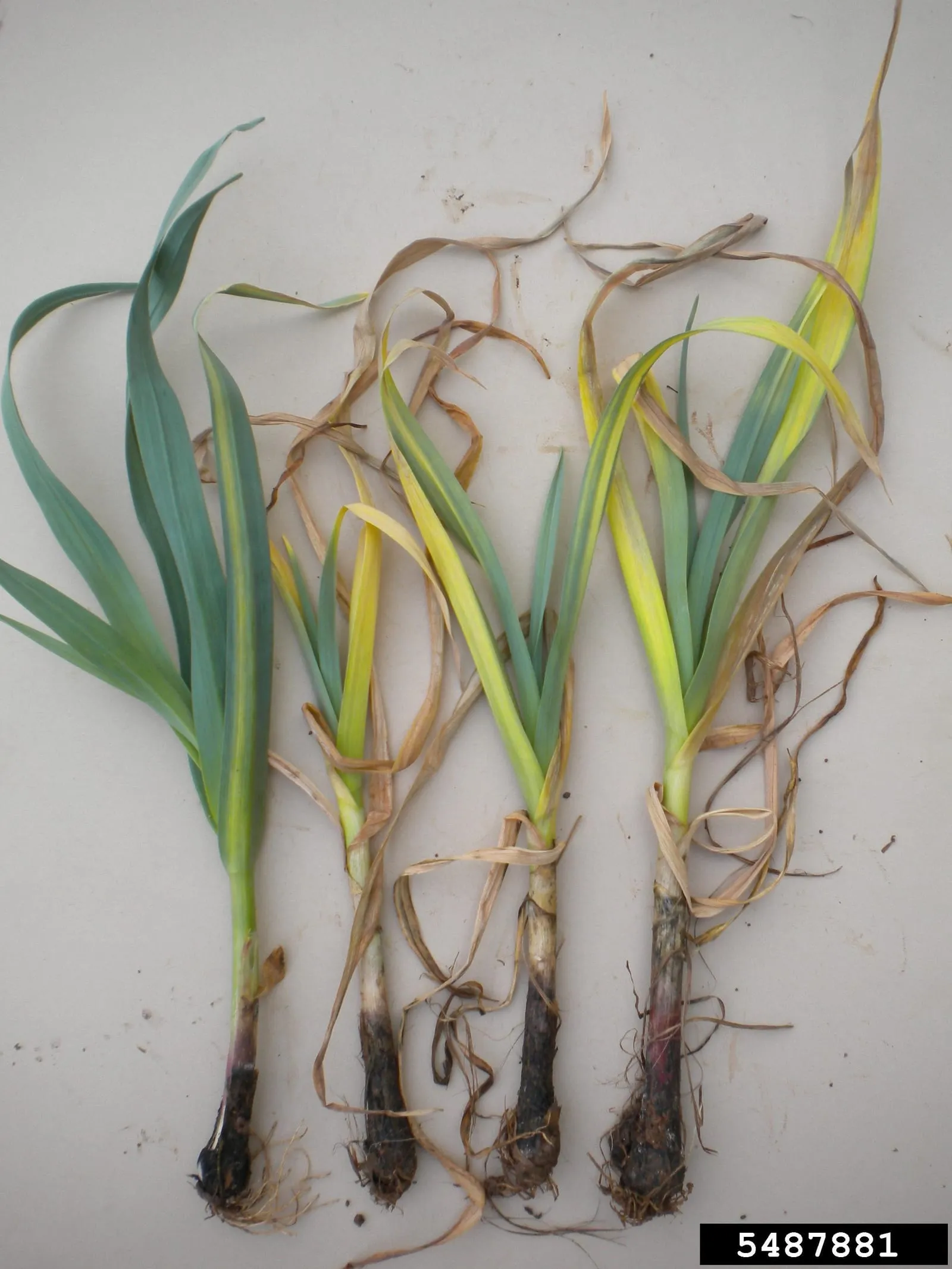
Onion White Rot, caused by Stromatinia cepivorum, is the primary disease threat in zone 9a. The pathogen produces sclerotia that remain viable in soil for 20 or more years, and the warm, moist conditions common in fall and early spring in this zone encourage germination. Avoid replanting alliums in the same bed more frequently than once every four to five years. Raised beds with sharp drainage reduce exposure.
Fertilizing with nitrogen should stop by late February or early March. Pushing lush top growth into the warming period diverts resources from bulb fill and can increase disease susceptibility. A straw mulch applied through January helps moderate soil temperature swings without blocking the cold exposure that softneck types still need to form proper heads. In years with unusually warm winters, growers have had some success pre-chilling seed cloves in the refrigerator for four to six weeks before planting, though results are inconsistent and not a substitute for appropriate variety selection.
Frequently asked questions
- Can hardneck garlic varieties grow in zone 9a?
Hardneck types generally underperform in zone 9a due to insufficient winter chilling. They may form small, poorly differentiated bulbs or fail to bulb at all. Softneck varieties such as California Early Softneck are a more reliable choice for this climate.
- When should garlic be planted in zone 9a?
Plant in mid-October through November, once soil temperatures drop below 60°F. Earlier planting encourages excessive leafy growth before the cold period begins, which can reduce bulb quality.
- How serious is Onion White Rot in zone 9a garlic beds?
Onion White Rot is a significant concern. The causal fungus produces sclerotia that persist in soil for decades, and warm, moist conditions accelerate disease spread. A four-to-five year rotation away from alliums is the most reliable management strategy; no chemical treatment eliminates established soil populations.
+−
+−
+−
Garlic in adjacent zones
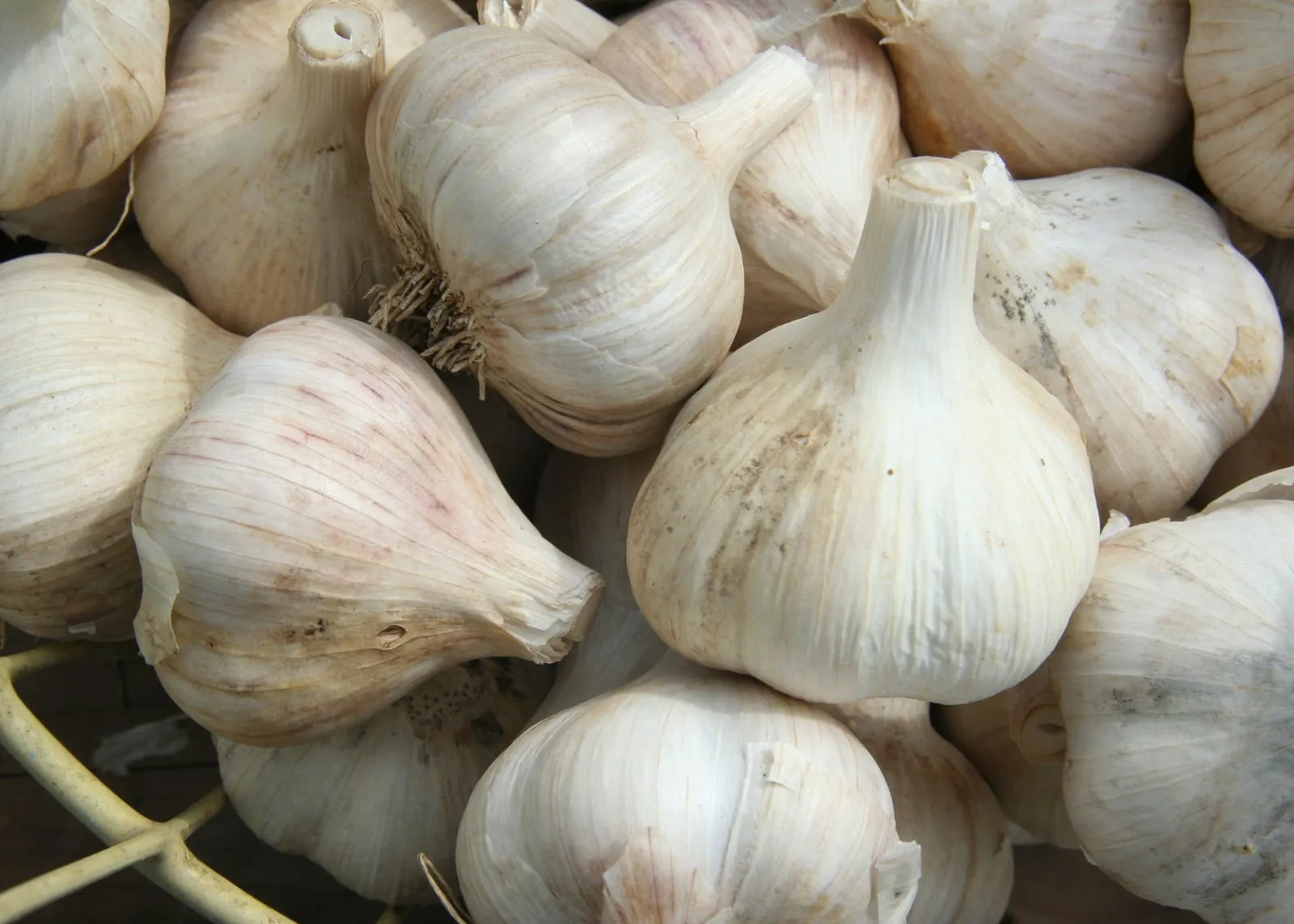
Image: "GarlicBasket", by Jonathunder, via Wikimedia Commons, licensed under CC-BY Source.

Related