vegetable in zone 8b
Growing garlic in zone 8b
Allium sativum
- Zone
- 8b 15°F to 20°F
- Growing season
- 260 days
- Suitable varieties
- 1
- Days to harvest
- 240 to 270
The verdict
Zone 8b is workable for garlic, but the crop's performance depends heavily on variety selection. Garlic requires a cold period (vernalization) to initiate bulb formation. In zone 8b, winters are mild enough to provide some vernalization, but the relatively short duration of cold limits success with hardneck types, which typically need prolonged exposure to temperatures below 40°F. Softneck varieties, particularly California Early Softneck, are better adapted to these conditions and reliably produce usable bulbs without deep cold.
This is not a marginal zone in the way that subtropical climates are. The 15 to 20°F winter minimum is sufficient to vernalize softneck garlic adequately. The 260-day growing season also works in the grower's favor: garlic planted in fall has a long, unhurried path to a late-spring harvest. The main risks are nematodes in sandy soils, which can damage allium root systems, and Onion White Rot, a persistent soilborne disease that worsens with repeated planting in the same beds.
Recommended varieties for zone 8b
1 cultivar suited to this zone, with disease-resistance and zone-fit annotations.
| Variety | Notes | Zone fit | Disease resistance |
|---|---|---|---|
| California Early Softneck fits zone 8b | Mild, classic softneck flavor; the typical grocery-store garlic. Long-storing softneck, productive, easy to braid. Adapted to mild Western climates. | | none noted |
Critical timing for zone 8b
In zone 8b, garlic is planted in fall, typically from mid-October through November. Planting later than mid-November risks insufficient root establishment before the brief dormancy period ends and spring growth resumes. Early planting in warm soil can also cause excessive top growth before winter, which is less of a problem in zone 8b than in northern zones but still worth avoiding.
Harvest falls in late April to late May, several weeks ahead of zone 6 or 7 plantings. Softneck varieties do not produce scapes; growers watch for the lower leaves to begin yellowing and the tops to start flopping as harvest signals. Zone 8b's warm spring accelerates the final bulbing phase, so monitoring closely from early April prevents over-mature bulbs with split wrappers.
Common challenges in zone 8b
- ▸ Low chill hours limit apple variety selection
- ▸ Citrus greening risk
- ▸ Nematodes in sandy soils
Disease pressure to watch for
Modified care for zone 8b
Growers in zone 8b should limit their variety selection to softneck types. Hardneck varieties are unlikely to produce well-formed bulbs here and are not worth planting given the available softneck options.
Nematodes in sandy soils are a meaningful risk for alliums in this zone. Rotating garlic to beds not used for alliums in the prior two seasons is the most practical mitigation. Where sandy soil nematode pressure is known, raised beds with amended soil reduce exposure.
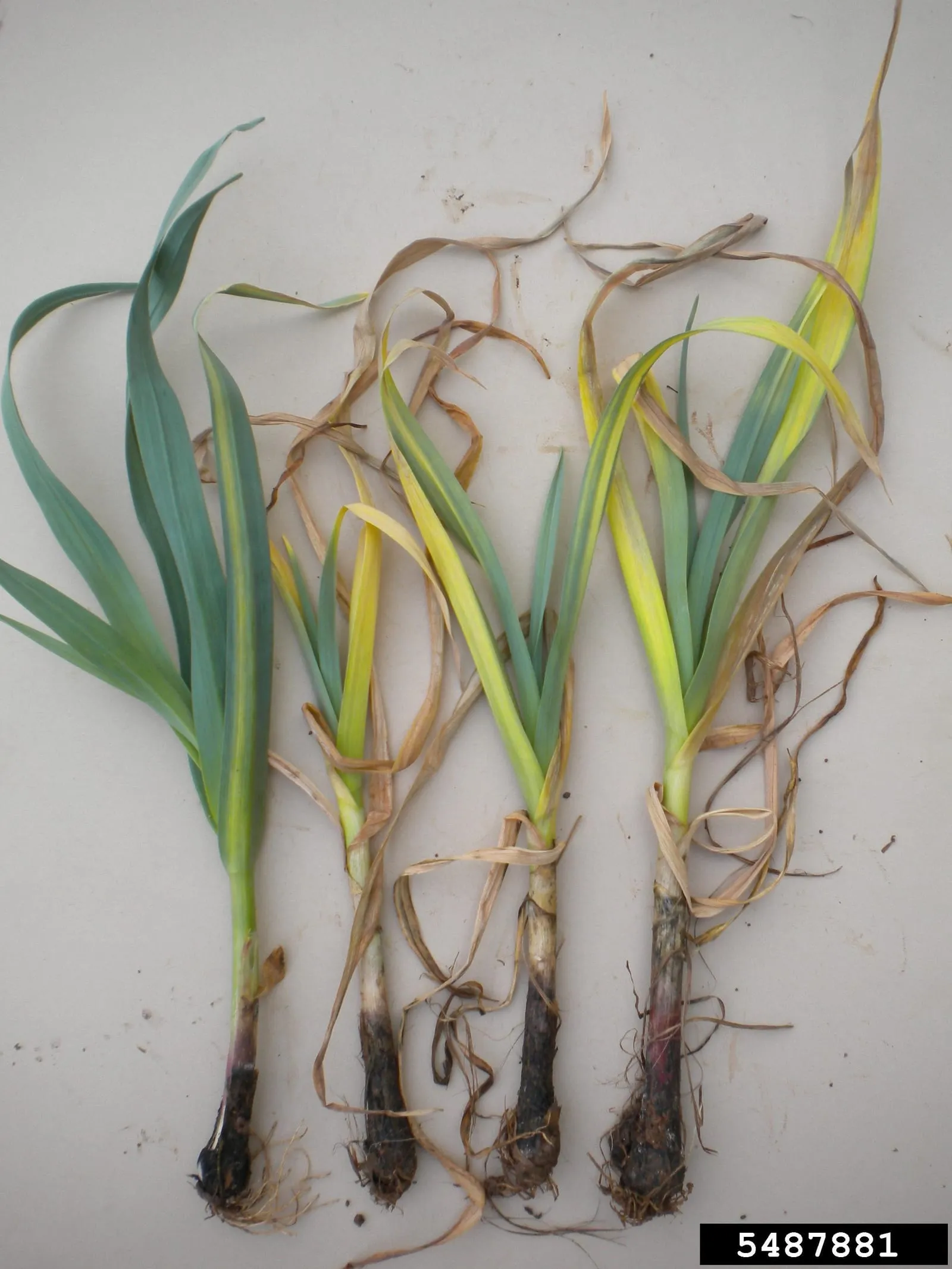
Onion White Rot (caused by Sclerotium cepivorum) is a serious concern. The sclerotia persist in soil for decades, so any bed where white rot appears should be rested from all alliums for several seasons. There is no curative treatment once infection is active. Avoiding overhead irrigation during the bulbing phase and ensuring good drainage reduces conditions favorable to the disease. Mulching lightly after planting helps buffer soil temperature swings without creating excess moisture at the bulb level.
Frequently asked questions
- Can hardneck garlic be grown in zone 8b?
Hardneck varieties are generally not well-suited to zone 8b. They need extended cold periods below 40°F to form distinct cloves and scapes. Zone 8b winters are typically too short and too mild for reliable hardneck performance. Softneck varieties like California Early Softneck are a more dependable choice.
- When should garlic be planted in zone 8b?
Mid-October through November is the standard planting window in zone 8b. Planting earlier in warm soil risks excessive top growth before dormancy. Planting after mid-November leaves less time for root development before spring growth resumes.
- What is Onion White Rot and how serious is it for garlic?
Onion White Rot is a soilborne fungal disease caused by Sclerotium cepivorum that attacks the roots and bulb base of alliums, including garlic. The sclerotia it produces can survive in soil for 20 or more years. There is no cure once a bed is infected. Strict crop rotation away from all alliums is the primary management strategy.
- How do nematodes affect garlic in zone 8b?
Root-knot nematodes are common in the sandy soils of many zone 8b regions and can damage garlic root systems, reducing bulb size and yield. Rotating garlic to beds with no prior allium history and amending sandy soils with organic matter are the main preventive approaches. Raised beds with imported soil sidestep the problem where nematode pressure is severe.
+−
+−
+−
+−
Garlic in adjacent zones
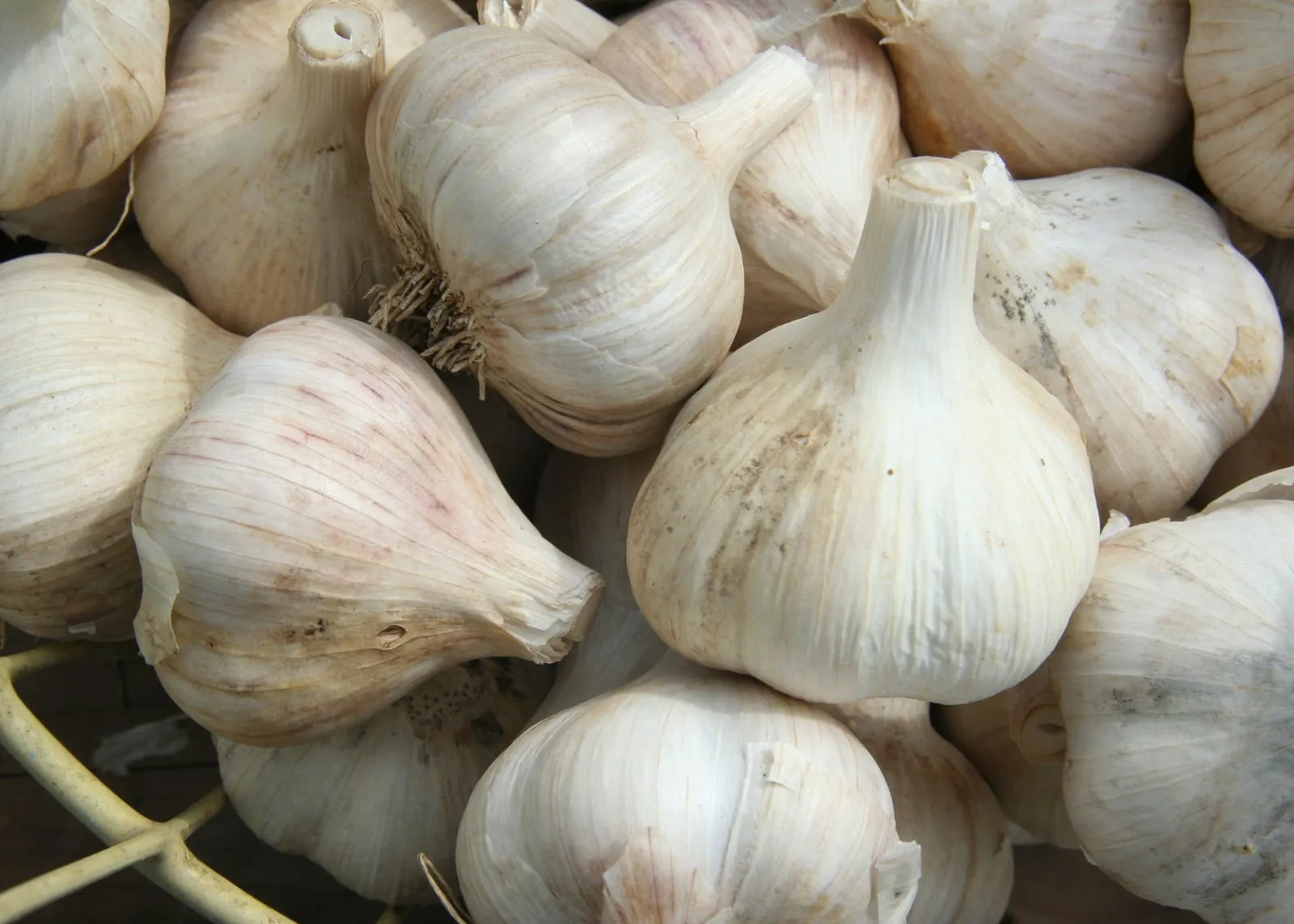
Image: "GarlicBasket", by Jonathunder, via Wikimedia Commons, licensed under CC-BY Source.

Related