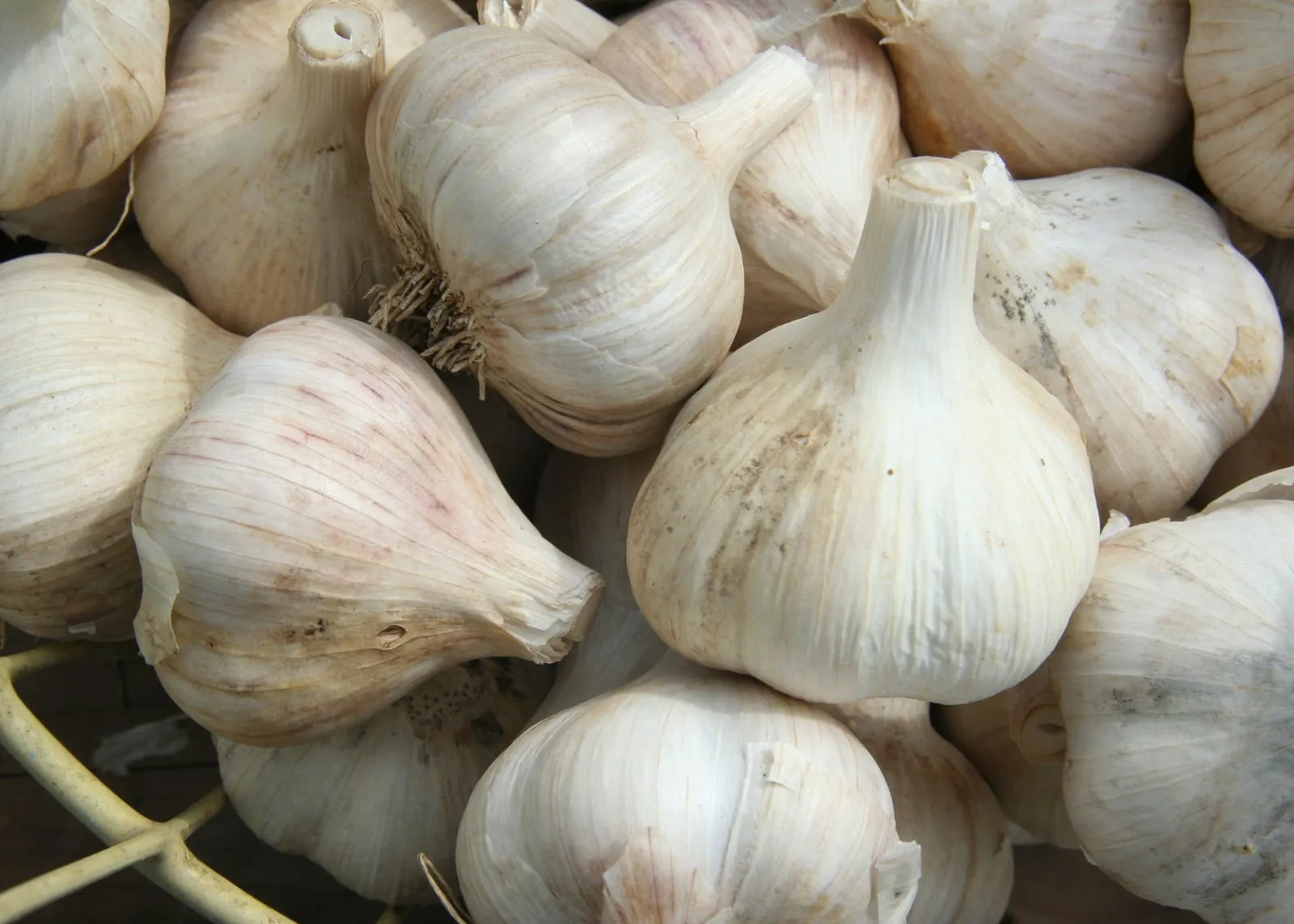
vegetable in zone 8a
Growing garlic in zone 8a
Allium sativum
- Zone
- 8a 10°F to 15°F
- Growing season
- 240 days
- Suitable varieties
- 2
- Days to harvest
- 240 to 270
The verdict
Zone 8a sits in the comfortable middle of garlic's viable range. The minimum winter temperatures of 10 to 15°F are cold enough to vernalize most softneck varieties reliably, and the 240-day growing season provides ample time from fall planting through late-spring harvest. Hardneck types, which need 6 to 8 weeks of sustained temperatures below 40°F to differentiate cloves properly, can be marginal in the warmer pockets of zone 8a, particularly where winters run mild and brief. Softneck varieties are the stronger choice here: Inchelium Red and California Early Softneck both handle the reduced-chill conditions well and store reliably after cure. The primary limitation is not cold but heat. Zone 8a springs warm up fast, which can push garlic toward premature senescence before bulbs have fully sized. Selecting these adapted varieties and timing planting correctly mitigates most of that risk.
Recommended varieties for zone 8a
2 cultivars suited to this zone, with disease-resistance and zone-fit annotations.
| Variety | Notes | Zone fit | Disease resistance |
|---|---|---|---|
| Inchelium Red fits zone 8a | Mild, complex, slightly sweet softneck; many small cloves per bulb. All-purpose cooking, fresh, braiding for storage. Stores 8-10 months. Cold-tolerant softneck rare for the type. | | none noted |
| California Early Softneck fits zone 8a | Mild, classic softneck flavor; the typical grocery-store garlic. Long-storing softneck, productive, easy to braid. Adapted to mild Western climates. | | none noted |
Critical timing for zone 8a
In zone 8a, garlic is typically planted from mid-October through late November, after soil temperatures drop below 60°F. Earlier planting risks excessive top growth before winter; later planting cuts into root establishment time. Scapes appear on hardneck types in April to early May, signaling that harvest is 3 to 4 weeks out. Softneck types do not produce scapes and are judged ready when the lower leaves have dried and roughly 5 to 6 green leaves remain on the stalk. Harvest generally falls in late May to mid-June, before summer heat sets in. Zone 8a's last frost typically occurs in late February to mid-March, which means garlic is actively bulbing during the warmest part of its season.
Common challenges in zone 8a
- ▸ Insufficient chill hours for some apple varieties
- ▸ Pierce's disease in grapes
- ▸ Heat stress on cool-season crops
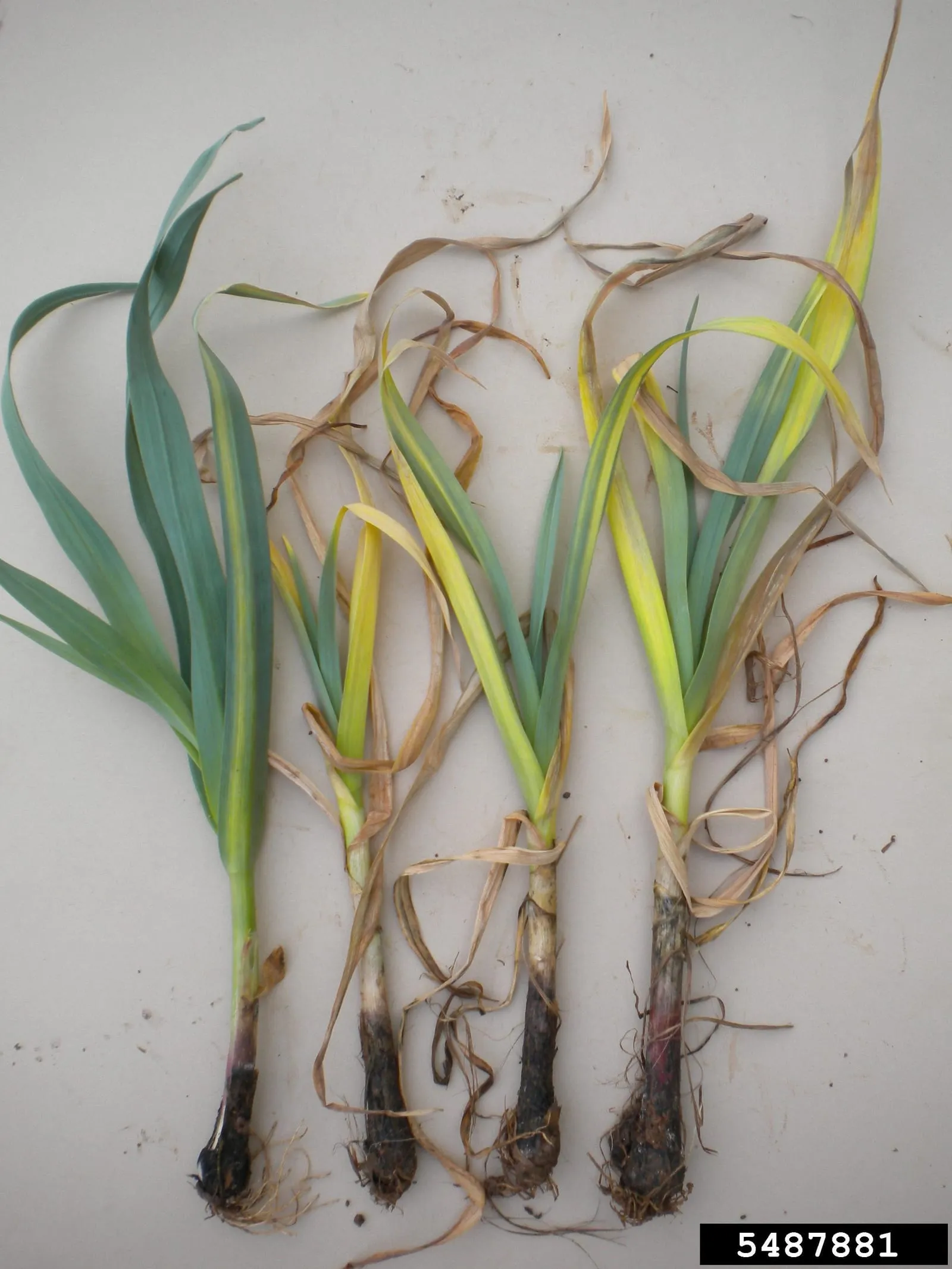
Disease pressure to watch for
Modified care for zone 8a
The main adaptation in zone 8a is managing the shortened cool window between spring green-up and summer heat. Mulching with 3 to 4 inches of straw after planting conserves soil moisture and moderates soil temperature swings. If a warm spell arrives in late winter and triggers aggressive leaf growth, do not remove mulch prematurely. Onion White Rot (Stromatinia cepivora) is the disease most likely to cause losses; the fungus persists in soil for decades and activates in cool, moist conditions typical of zone 8a winters. Avoid replanting alliums in any bed where white rot has appeared, and inspect cured bulbs carefully before storage. Because zone 8a springs shorten the bulbing window, irrigation is more critical here than in cooler zones. Stop watering about 2 weeks before expected harvest to encourage proper curing and reduce rot risk in storage.
Garlic in adjacent zones
Image: "GarlicBasket", by Jonathunder, via Wikimedia Commons, licensed under CC-BY Source.

Related