vegetable in zone 7b
Growing garlic in zone 7b
Allium sativum
- Zone
- 7b 5°F to 10°F
- Growing season
- 220 days
- Suitable varieties
- 2
- Days to harvest
- 240 to 270
The verdict
Zone 7b sits comfortably within garlic's productive range rather than at its margins. Garlic requires a cold vernalization period, sustained temperatures below 40°F, to trigger bulb differentiation, and zone 7b winters reliably deliver that window without the prolonged hard freezes that can damage overwintering cloves in zones 5 and colder. The 5-to-10°F minimum temperature range poses little risk to established cloves planted before the ground freezes in autumn. A 220-day growing season gives garlic ample time to complete its full arc from fall planting through late-spring harvest without the compressed windows growers face in zones 8 and warmer, where insufficient chilling becomes the limiting factor. Softneck types, including Inchelium Red and California Early, are particularly well-matched here: they tolerate the moderate winters and do not require the extended cold that some porcelain hardnecks demand. Zone 7b conditions parallel the mid-Atlantic and upper South growing regions where softneck garlic production is well-established and reliable.
Recommended varieties for zone 7b
2 cultivars suited to this zone, with disease-resistance and zone-fit annotations.
| Variety | Notes | Zone fit | Disease resistance |
|---|---|---|---|
| Inchelium Red fits zone 7b | Mild, complex, slightly sweet softneck; many small cloves per bulb. All-purpose cooking, fresh, braiding for storage. Stores 8-10 months. Cold-tolerant softneck rare for the type. | | none noted |
| California Early Softneck fits zone 7b | Mild, classic softneck flavor; the typical grocery-store garlic. Long-storing softneck, productive, easy to braid. Adapted to mild Western climates. | | none noted |
Critical timing for zone 7b
In zone 7b, garlic goes in the ground from mid-October through late November, several weeks before hard frost, to allow root establishment without significant top growth above the soil line. Foliage resumes active growth by late February or early March as temperatures rise through the vernalization threshold. Any hardneck varieties planted in the zone will produce scapes in late April to mid-May; removing scapes promptly redirects energy to bulb development. Harvest falls in late May to mid-June, keyed to foliage: when the lower three or four leaves have fully browned, bulb wrappers have finished forming. The zone 7b last frost, typically mid-March to early April, poses no meaningful risk to overwintered garlic foliage at that point; cold-hardened plants tolerate brief late-season freezes without damage.
Common challenges in zone 7b
- ▸ Cedar-apple rust pressure heavy in piedmont
- ▸ Japanese beetles
- ▸ Brown marmorated stink bug
- ▸ Late summer disease pressure
Disease pressure to watch for
Modified care for zone 7b
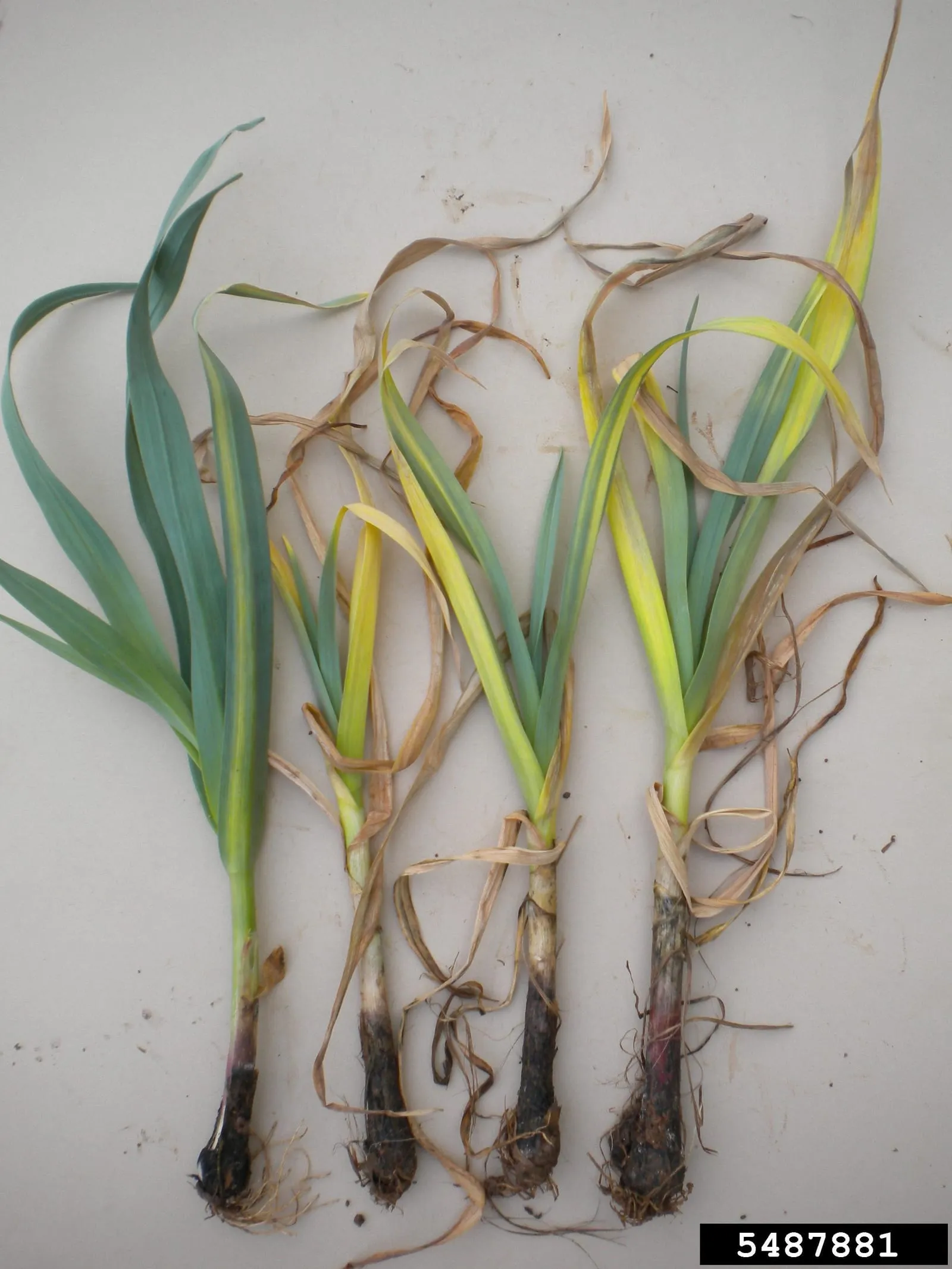
The main adjustment for zone 7b is managing the humid late-spring and early-summer conditions that accelerate disease development around harvest. Onion white rot, caused by Sclerotium cepivorum, is the primary soil-borne threat; it persists in soil for decades and has no chemical cure once established. Avoid planting in any bed with a white rot history, and rotate garlic out of allium plantings for at least four years. A 3-to-4-inch straw mulch applied in late November moderates soil temperature swings through winter, but pull it back in spring once consistent foliage growth resumes to reduce moisture retention at the base of the plants. Harvest promptly when foliage signals are met; leaving bulbs in zone 7b's late-spring humidity past their peak invites wrapper deterioration and fungal entry. Cure harvested bulbs in a shaded, well-ventilated space for three to four weeks before storage or braiding.
Garlic in adjacent zones
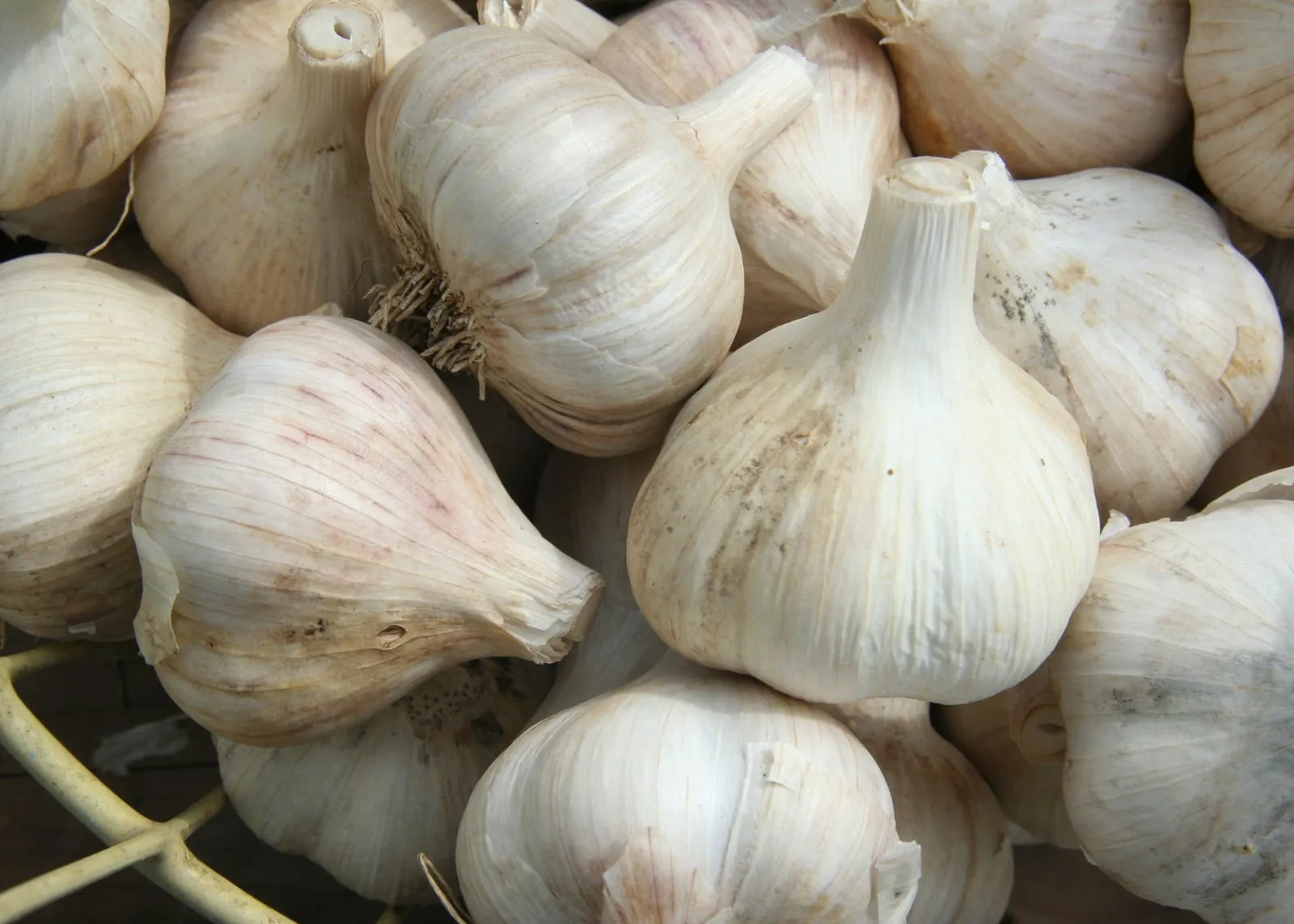
Image: "GarlicBasket", by Jonathunder, via Wikimedia Commons, licensed under CC-BY Source.

Related