vegetable in zone 7a
Growing garlic in zone 7a
Allium sativum
- Zone
- 7a 0°F to 5°F
- Growing season
- 210 days
- Suitable varieties
- 3
- Days to harvest
- 240 to 270
The verdict
Zone 7a sits in a reliable sweet spot for garlic production. Winter minimums of 0 to 5°F deliver the sustained cold that hardneck types require for proper bulb differentiation, and the 210-day growing season is more than long enough to carry plants from fall planting through June or July harvest without rushing.
Music, a hardneck rocambole-type, performs particularly well here because it benefits from the consistent vernalization zone 7a winters provide. Softneck types like Inchelium Red and California Early Softneck are also well-suited, though they can tolerate somewhat milder conditions. Neither group is marginal in this zone. The primary constraint is not temperature but soil drainage and disease management: Onion White Rot thrives in the high-humidity conditions that characterize much of zone 7a in late spring, so site selection matters as much as variety selection.
Recommended varieties for zone 7a
3 cultivars suited to this zone, with disease-resistance and zone-fit annotations.
| Variety | Notes | Zone fit | Disease resistance |
|---|---|---|---|
| Music fits zone 7a | Pungent-sweet, balanced, bright flavor; large white-skinned hardneck cloves (4-6 per bulb). Roasting, fresh, all-purpose cooking. Cold-hardy hardneck, stores 6-8 months. The home-grower's hardneck standard. | | none noted |
| Inchelium Red fits zone 7a | Mild, complex, slightly sweet softneck; many small cloves per bulb. All-purpose cooking, fresh, braiding for storage. Stores 8-10 months. Cold-tolerant softneck rare for the type. | | none noted |
| California Early Softneck fits zone 7a | Mild, classic softneck flavor; the typical grocery-store garlic. Long-storing softneck, productive, easy to braid. Adapted to mild Western climates. | | none noted |
Critical timing for zone 7a
Garlic in zone 7a goes in the ground in October or November, after the first hard frost has begun to cool the soil but while it remains workable. Planting too early, while soil temperatures are still above 60°F, encourages excessive top growth before winter and increases disease risk.
Hardneck varieties send up their characteristic curled scapes in late May to early June. Scapes are typically removed at this stage to redirect energy into bulb development. Harvest follows roughly three to four weeks later, usually between late June and mid-July, when the lower leaves have dried and six to eight green leaves remain above. Softneck types harvested at the same time generally cure faster and store longer than hardnecks.
Common challenges in zone 7a
- ▸ Cedar-apple rust
- ▸ Brown rot
- ▸ Fire blight
- ▸ High humidity disease pressure
Disease pressure to watch for
Modified care for zone 7a
Zone 7a growers should apply a 3 to 4 inch layer of straw mulch over beds immediately after planting to moderate soil temperature swings through winter. This mulch can remain in place through late March and should be pulled back as foliage emerges to allow soil to warm and to reduce surface moisture that favors fungal pathogens.
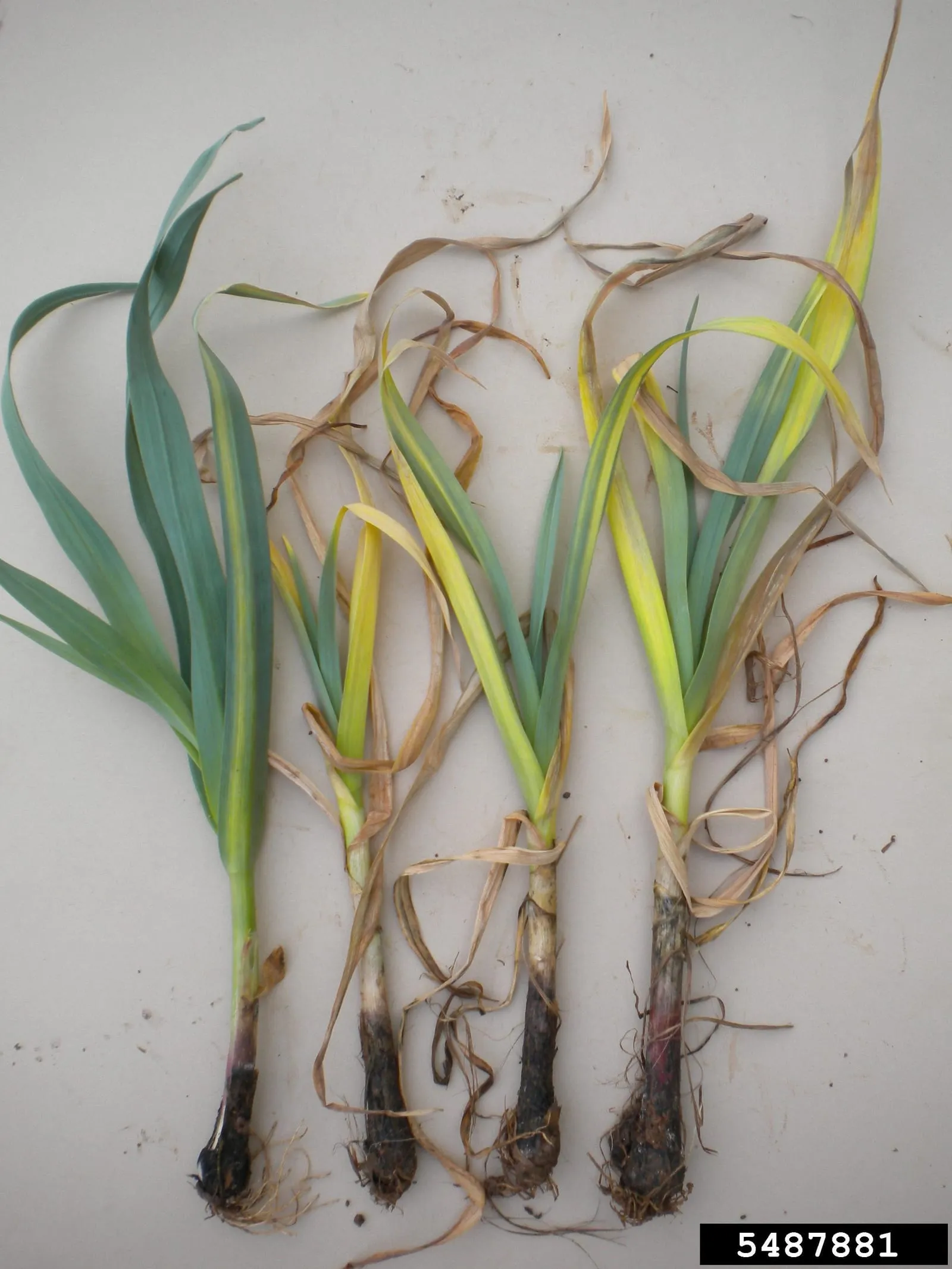
Onion White Rot (Stromatinia cepivora) is the disease concern most specific to garlic in this zone. The pathogen persists in soil for decades and becomes active when soil temperatures are between 50 and 65°F, which corresponds closely to the spring shoulder season in zone 7a. Raised beds or well-drained slopes help significantly. Crop rotation with a minimum four-year gap between allium plantings in any given bed is the primary management tool. There are no effective rescue treatments once the pathogen is established.
Garlic in adjacent zones
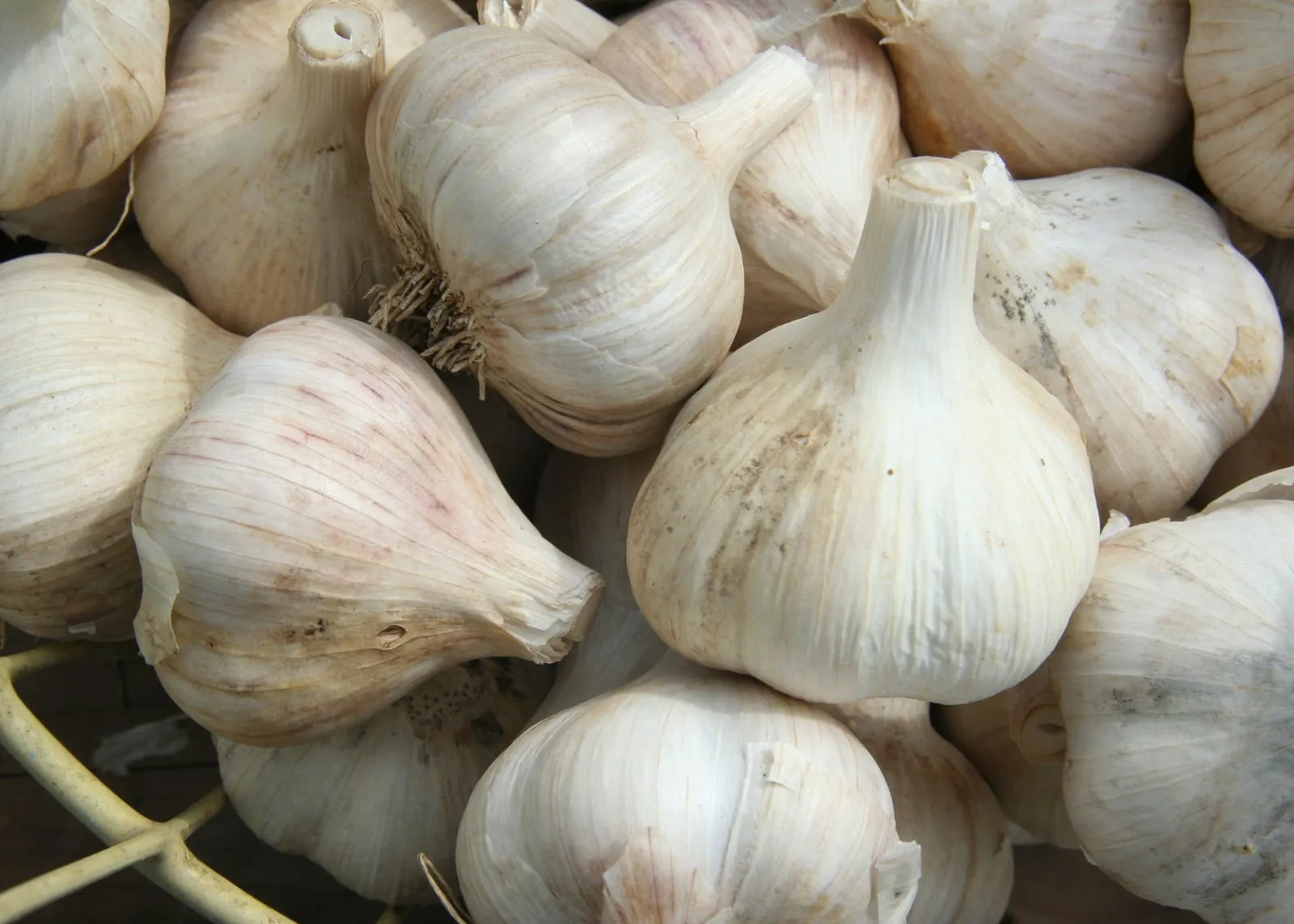
Image: "GarlicBasket", by Jonathunder, via Wikimedia Commons, licensed under CC-BY Source.

Related