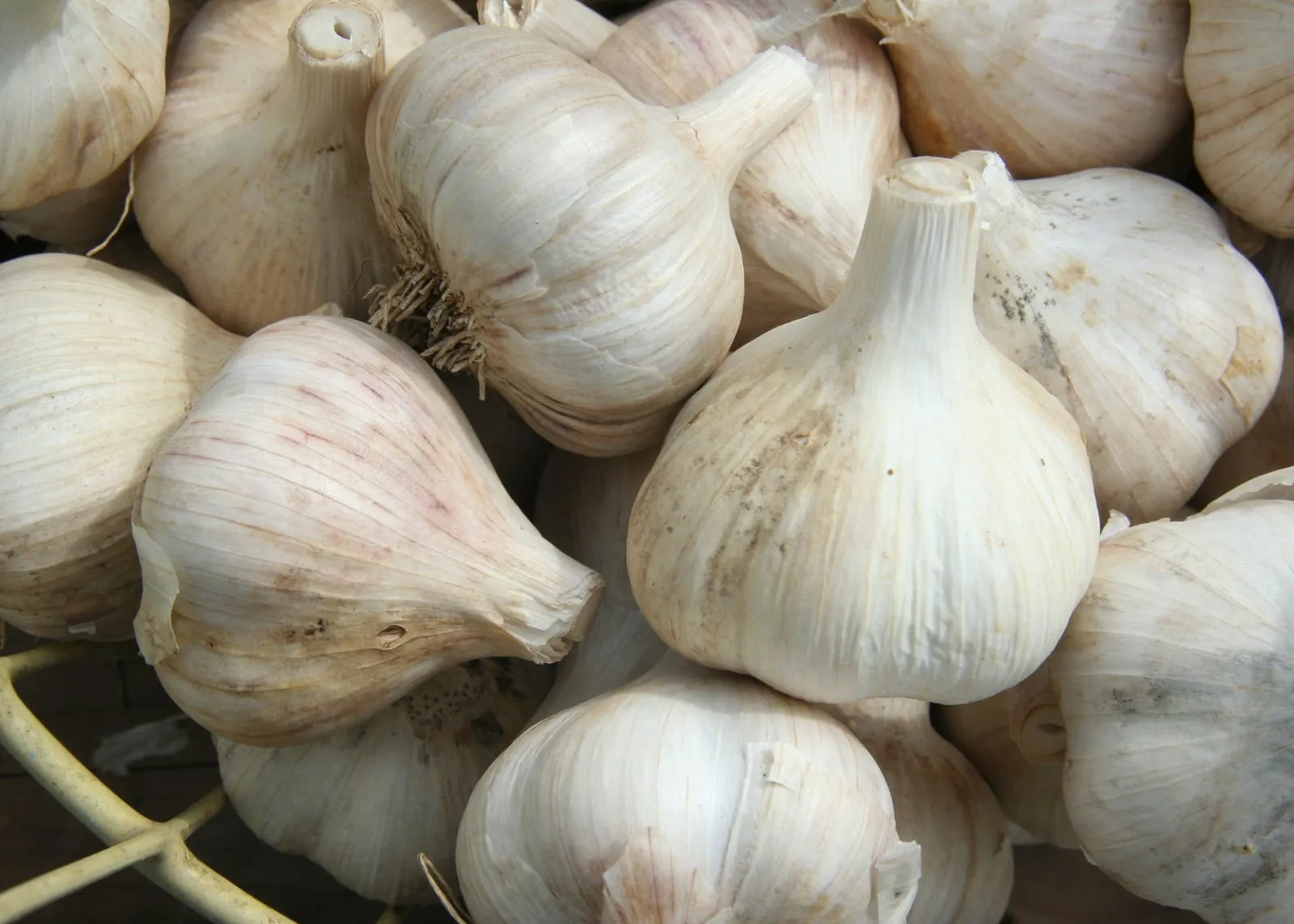
vegetable in zone 6b
Growing garlic in zone 6b
Allium sativum
- Zone
- 6b -5°F to 0°F
- Growing season
- 190 days
- Suitable varieties
- 4
- Days to harvest
- 240 to 270
The verdict
Zone 6b, with winter lows ranging from -5°F to 0°F, sits squarely in the sweet spot for hardneck garlic. These varieties depend on a cold vernalization period (sustained temperatures below 40°F for at least six weeks) to differentiate cloves into full bulbs, and zone 6b winters reliably deliver that. Music, German Extra Hardy, and similar Porcelain and Rocambole types are well-adapted here and show no meaningful cold-hardiness stress at typical zone 6b lows.
Softneck types like Inchelium Red and California Early Softneck grow fine in zone 6b as well, though they are somewhat overqualified for the cold on offer. Growers who want larger bulbs with longer storage shelf life tend to favor the hardnecks here. Zone 6b is not marginal for garlic in any direction; the 190-day growing season far exceeds what garlic requires, and the winters are cold enough without being so severe that overwintering cloves are at serious risk.
Recommended varieties for zone 6b
4 cultivars suited to this zone, with disease-resistance and zone-fit annotations.
| Variety | Notes | Zone fit | Disease resistance |
|---|---|---|---|
| Music fits zone 6b | Pungent-sweet, balanced, bright flavor; large white-skinned hardneck cloves (4-6 per bulb). Roasting, fresh, all-purpose cooking. Cold-hardy hardneck, stores 6-8 months. The home-grower's hardneck standard. | | none noted |
| German Extra Hardy fits zone 6b | Strong, robust, traditional garlic punch; tan-skinned porcelain hardneck. Roasting, fresh, raw applications. Very cold-hardy, stores 8-10 months, large cloves easy to peel. | | none noted |
| Inchelium Red fits zone 6b | Mild, complex, slightly sweet softneck; many small cloves per bulb. All-purpose cooking, fresh, braiding for storage. Stores 8-10 months. Cold-tolerant softneck rare for the type. | | none noted |
| California Early Softneck fits zone 6b | Mild, classic softneck flavor; the typical grocery-store garlic. Long-storing softneck, productive, easy to braid. Adapted to mild Western climates. | | none noted |
Critical timing for zone 6b
Garlic is planted in fall in zone 6b, typically mid-October through early November, once soil temperatures drop below 60°F but before the ground freezes hard. Cloves establish roots before winter dormancy and resume growth in early spring.
Hardneck varieties send up scapes (the curling flower stalks) in late May to early June. These are cut promptly to redirect the plant's energy into bulb development. Bulb harvest follows roughly three to four weeks after scape removal, landing in late June to mid-July for most zone 6b locations. The signal to harvest is when the lower three to four leaves have yellowed and died back. Leaving bulbs in ground past that point risks splitting and degraded storage quality.
Common challenges in zone 6b
- ▸ Cedar-apple rust
- ▸ Fire blight
- ▸ Stink bugs
Disease pressure to watch for
Modified care for zone 6b
The primary winter management task in zone 6b is mulching after the ground begins to freeze, typically in November. A four-inch layer of straw suppresses freeze-thaw heaving, which can push shallow-planted cloves out of the ground before they are well rooted. Mulch is pulled back in early spring once shoots are actively emerging.
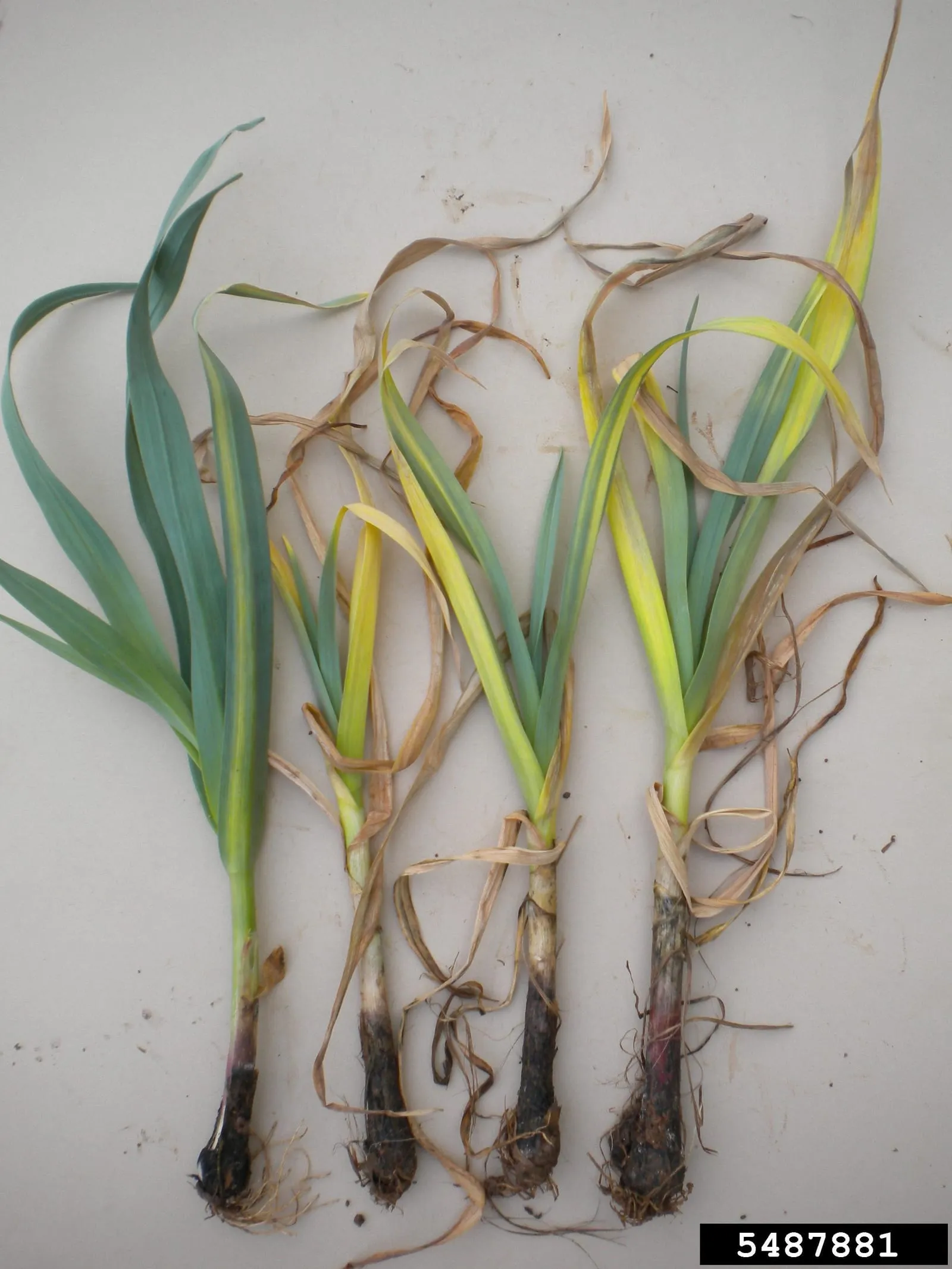
Onion White Rot (Sclerotium cepivorum) is the disease most likely to cause persistent trouble. The pathogen forms sclerotia that survive in soil for 20 or more years, so any bed with confirmed White Rot should be removed from allium production indefinitely. Strict crop rotation (three to four years minimum between allium plantings in any given bed) is the primary management lever.
The zone-level challenges listed for zone 6b (Cedar-apple rust, Fire blight) are fruit-tree diseases with no bearing on garlic. Stink bugs are present across zone 6b but are a minor concern for garlic compared to their impact on fruiting crops.
Garlic in adjacent zones
Image: "GarlicBasket", by Jonathunder, via Wikimedia Commons, licensed under CC-BY Source.

Related