vegetable in zone 6a
Growing garlic in zone 6a
Allium sativum
- Zone
- 6a -10°F to -5°F
- Growing season
- 180 days
- Suitable varieties
- 4
- Days to harvest
- 240 to 270
The verdict
Zone 6a, with winter lows between -10°F and -5°F and a 180-day growing season, sits squarely in the sweet spot for fall-planted garlic. Unlike stone fruit, garlic does not have a chill-hour requirement measured in hours above a threshold temperature, but hardneck varieties do require cold vernalization (sustained temperatures at or below 40°F for roughly 6 to 8 weeks) to develop properly segmented, multi-cloved bulbs. Zone 6a delivers that cold period reliably every winter, with no risk of the vernalization failure that can occur in zones 7 and warmer during mild winters.
Hardneck varieties bred for cold-winter climates, such as Music and German Extra Hardy, perform especially well here. Softneck types like Inchelium Red and California Early Softneck are also viable and will produce reasonable yields, though in zone 6a conditions they tend to offer less flavor complexity than the hardnecks and are better suited to storage than to fresh use. For most growers in this zone, hardnecks are the better choice.
Recommended varieties for zone 6a
4 cultivars suited to this zone, with disease-resistance and zone-fit annotations.
| Variety | Notes | Zone fit | Disease resistance |
|---|---|---|---|
| Music fits zone 6a | Pungent-sweet, balanced, bright flavor; large white-skinned hardneck cloves (4-6 per bulb). Roasting, fresh, all-purpose cooking. Cold-hardy hardneck, stores 6-8 months. The home-grower's hardneck standard. | | none noted |
| German Extra Hardy fits zone 6a | Strong, robust, traditional garlic punch; tan-skinned porcelain hardneck. Roasting, fresh, raw applications. Very cold-hardy, stores 8-10 months, large cloves easy to peel. | | none noted |
| Inchelium Red fits zone 6a | Mild, complex, slightly sweet softneck; many small cloves per bulb. All-purpose cooking, fresh, braiding for storage. Stores 8-10 months. Cold-tolerant softneck rare for the type. | | none noted |
| California Early Softneck fits zone 6a | Mild, classic softneck flavor; the typical grocery-store garlic. Long-storing softneck, productive, easy to braid. Adapted to mild Western climates. | | none noted |
Critical timing for zone 6a
In zone 6a, garlic cloves go into the ground in mid-October to early November, after the first light frosts have cooled the soil but before the ground freezes hard. Planting too early (while soil is still warm) encourages excessive top growth that winter can damage; planting too late risks inadequate root establishment before freeze-up.
Shoots emerge in early spring as soil temperatures climb back above 40°F, typically March in zone 6a. Hardneck varieties send up scapes, the curling flower stalks, in late May to early June. Removing scapes promptly at that point redirects energy to bulb development. Final harvest follows approximately 2 to 3 weeks after scape removal, putting dig dates in late June to mid-July. The zone's last spring frost (typically mid-April) arrives before garlic enters active bulb-building, so frost damage to emerging shoots is rarely a significant concern.
Common challenges in zone 6a
- ▸ Brown rot in stone fruit
- ▸ Japanese beetles
- ▸ Spring frost damage to peach buds
Disease pressure to watch for
Modified care for zone 6a
The most important cold-season task in zone 6a is mulching the planting bed after the soil has cooled in late November. A 4- to 6-inch layer of straw or shredded leaves reduces freeze-thaw heaving, which can push cloves partially out of the ground and interrupt root development. The mulch should go on before sustained hard freezes arrive but after the soil has cooled enough that it won't trap excess warmth and encourage premature top growth.
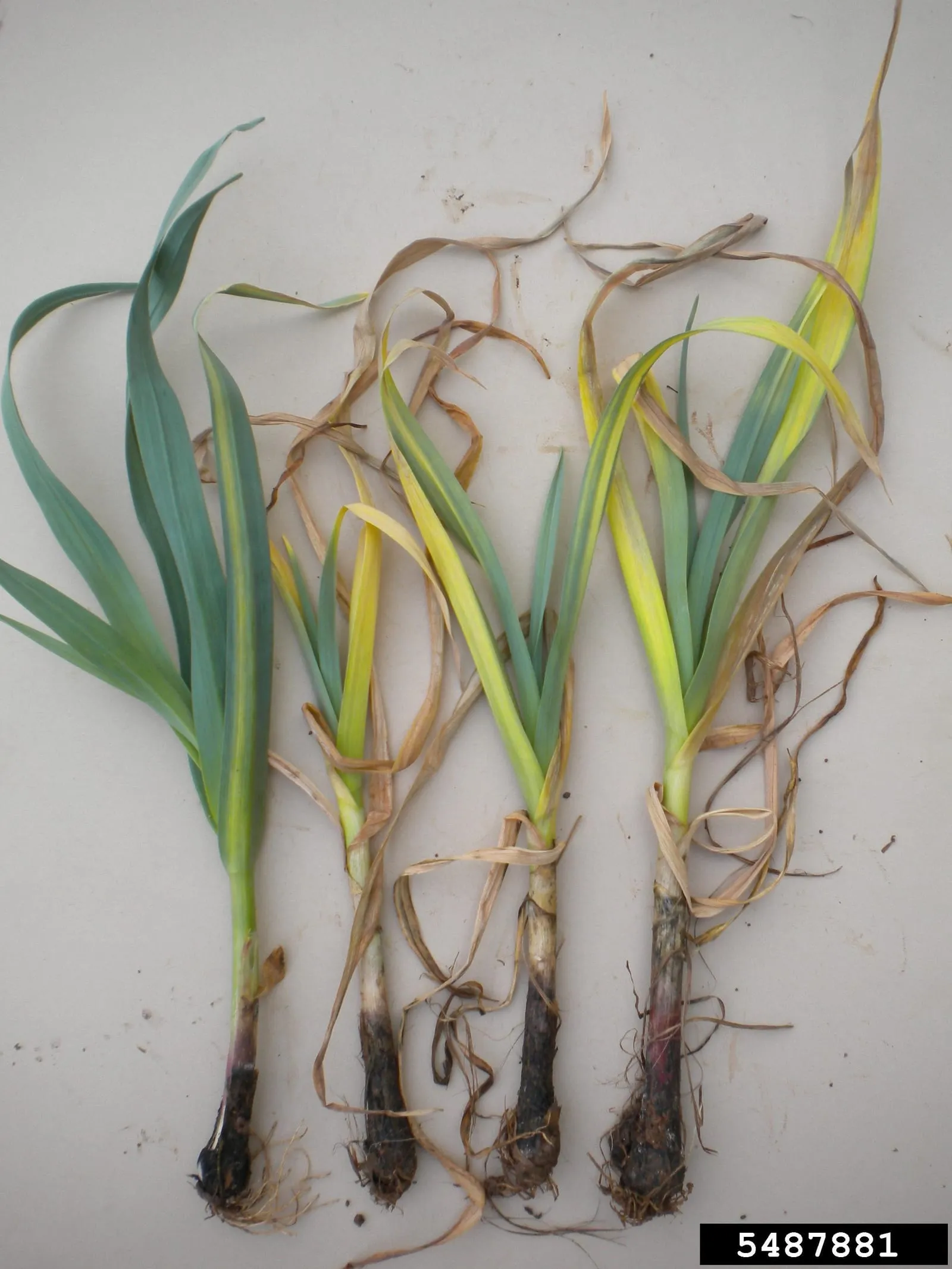
Onion white rot (Stromatinia cepivorum) is the primary soilborne threat for garlic in this climate. The pathogen produces sclerotia that survive in soil for 20 or more years, making rotation essential: avoid planting garlic or any allium in the same bed more than once every 4 to 5 years. Once the fungus establishes in a bed, mid-season intervention is largely ineffective. Prevention through strict rotation and clean, disease-free planting stock is the reliable approach.
Garlic in adjacent zones
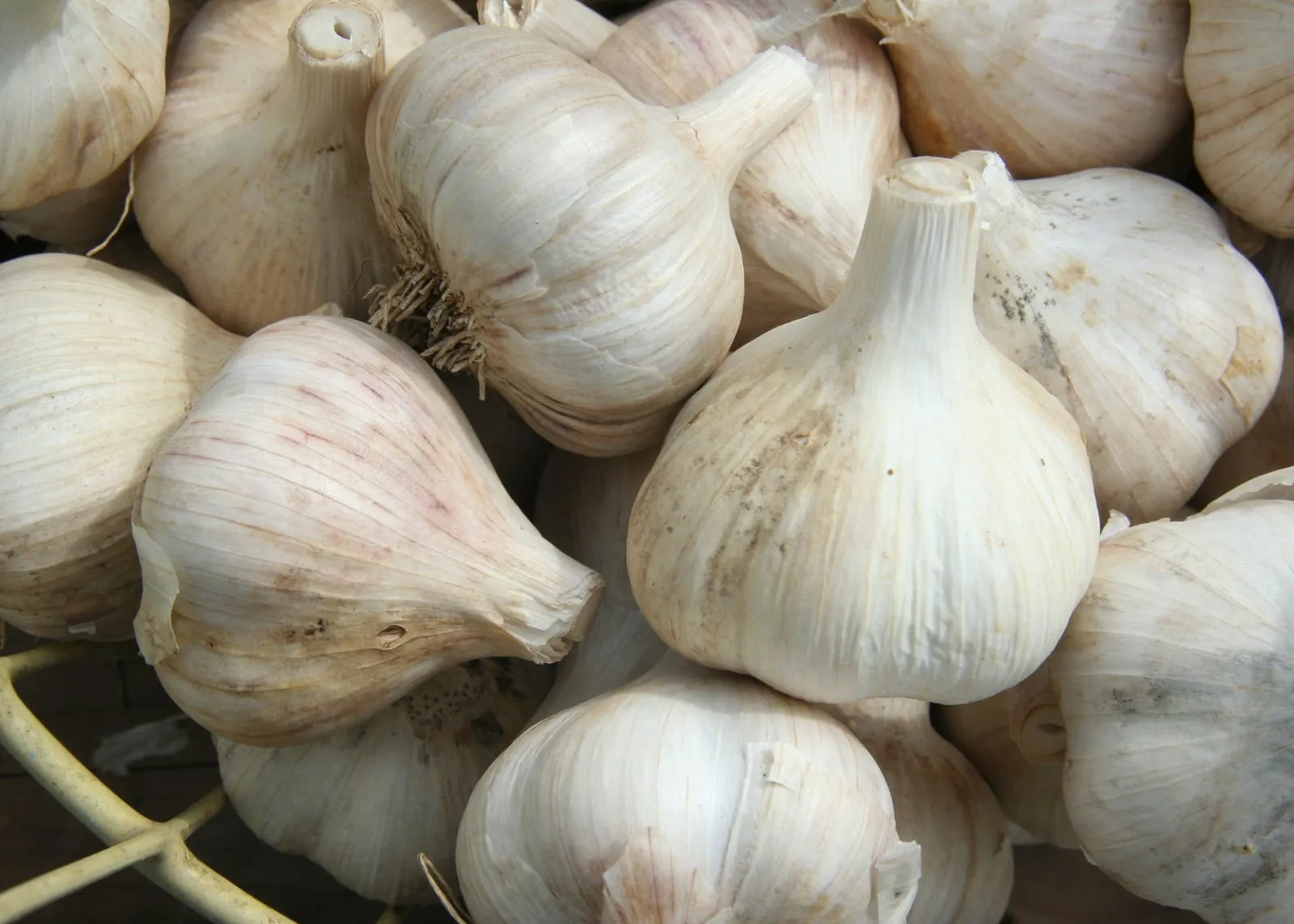
Image: "GarlicBasket", by Jonathunder, via Wikimedia Commons, licensed under CC-BY Source.

Related