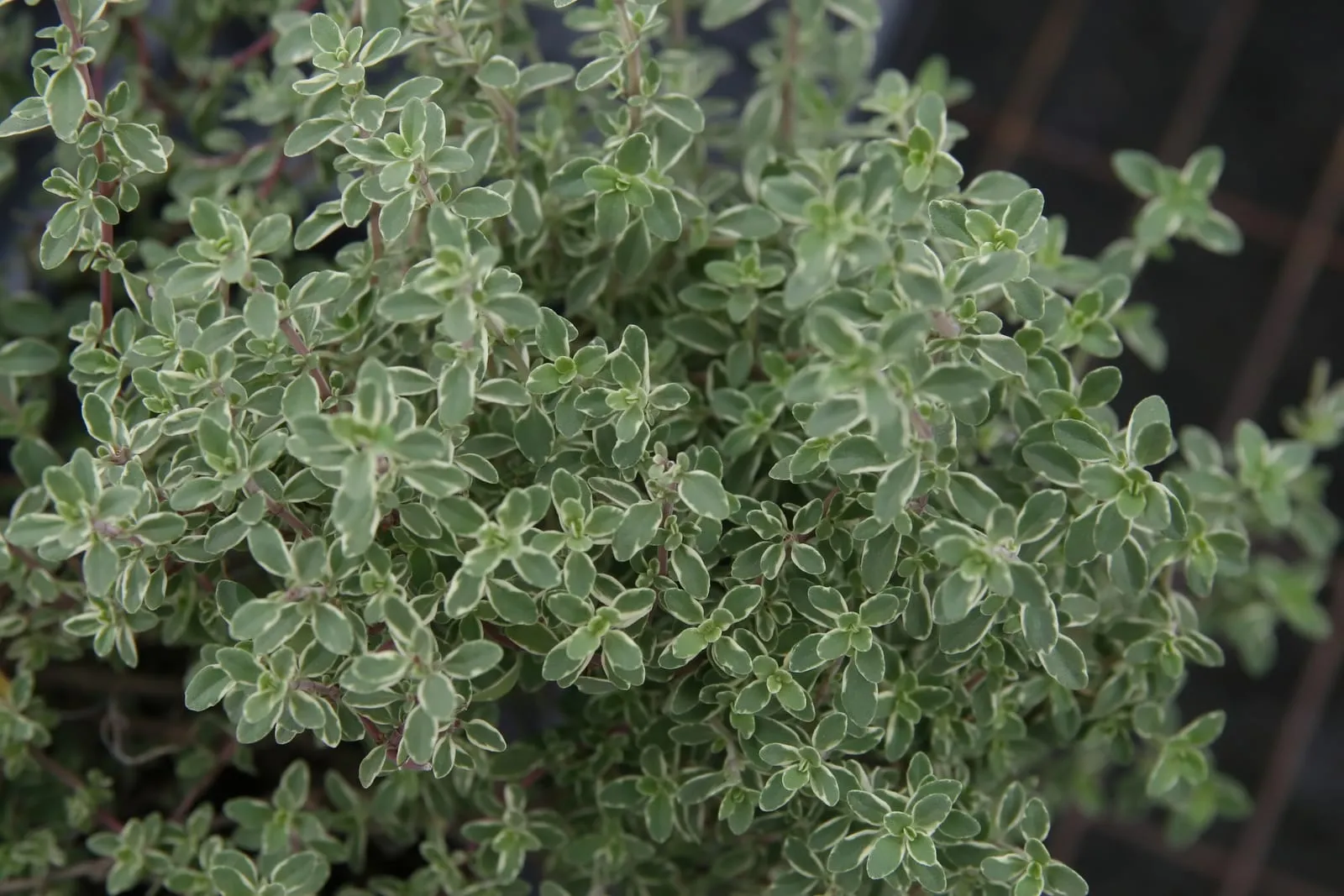
herb in zone 9a
Growing thyme in zone 9a
Thymus vulgaris
- Zone
- 9a 20°F to 25°F
- Growing season
- 290 days
- Suitable varieties
- 1
- Days to harvest
- 75 to 95
The verdict
Zone 9a sits at the warm edge of thyme's perennial range, and for most of the zone it is a workable, often productive, environment for the herb. Thyme is native to the Mediterranean basin and tolerates the warm winters and long growing seasons characteristic of zone 9a better than many other culinary herbs. Minimum temperatures of 20 to 25°F fall within the cold tolerance of established plants, so winter kill is rarely a concern. The 290-day growing season supports nearly year-round harvest.
The complication in zone 9a is not cold but heat and humidity. In Gulf Coast and humid subtropical portions of the zone, summer moisture promotes crown rot and fungal dieback, which are the primary causes of thyme loss in the region. Lemon thyme tolerates these conditions somewhat better than common thyme and is the recommended starting point. In drier inland areas of zone 9a, such as parts of central California or far west Texas, thyme performs closer to its Mediterranean ideal.
Recommended varieties for zone 9a
1 cultivar suited to this zone, with disease-resistance and zone-fit annotations.
| Variety | Notes | Zone fit | Disease resistance |
|---|---|---|---|
| Lemon fits zone 9a | Bright lemon-citrus notes with thyme base; small green leaves with subtle yellow variegation. Fresh on fish, chicken, summer cocktails, fruit dishes. Productive, fragrant. | | none noted |
Critical timing for zone 9a
In zone 9a, fall planting (September through November) gives thyme time to establish roots before summer heat arrives, and it is generally preferred over spring planting. Plants established in fall reach harvestable size by late winter or early spring.
Bloom typically occurs from late March through May, earlier than in cooler zones. Harvesting leaves before the flower buds open produces the most concentrated flavor; a light shearing at this point also delays bolting and extends the productive flush. A second flush of growth follows in fall as temperatures moderate. Hard freezes reaching the zone minimum of 20 to 25°F can occur, but they are brief and rarely damage well-established plants beyond minor tip burn on new growth.
Common challenges in zone 9a
- ▸ Limited stone fruit options due to insufficient chill
- ▸ Hurricane and tropical storm exposure
- ▸ Citrus disease pressure
Modified care for zone 9a
The single most important adaptation in zone 9a is drainage. Thyme roots are intolerant of standing moisture, and the combination of summer humidity and frequent irrigation common in warm-zone gardens creates conditions for Phytophthora and Rhizoctonia crown rots. Raised beds or mounded planting rows improve drainage significantly. Avoid overhead irrigation; drip at the base of plants keeps foliage dry.
In the hottest interior portions of zone 9a, afternoon shade during July and August reduces heat stress and slows the woody dieback that shortens thyme's productive life. Mulching lightly around the base conserves soil moisture without smothering the crown. Prune back to green wood in late winter to remove any cold- or heat-damaged growth and stimulate fresh shoots. Replacing plants every three to four years is common in humid zone 9a climates, where perennial thyme tends to decline faster than in drier regions.
Frequently asked questions
- Can thyme survive zone 9a winters outdoors?
Yes. Established thyme handles the brief dips to 20 to 25°F typical of zone 9a winters without significant damage. The greater risk is summer crown rot from heat and humidity, not cold injury.
- Why does thyme die back in summer in zone 9a?
High humidity combined with warm nights creates ideal conditions for crown and root rot fungi. Poor drainage amplifies the problem. Raised planting beds, drip irrigation, and avoiding overhead watering reduce summer dieback substantially.
- Which thyme variety does best in zone 9a?
Lemon thyme shows better tolerance of warm, humid conditions than common thyme and is the recommended choice for zone 9a, particularly in Gulf Coast and coastal areas where summer moisture is highest.
- When should thyme be harvested in zone 9a?
Harvest is possible year-round given zone 9a's mild winters, but peak flavor concentration occurs just before bloom in spring (March to May) and again during the fall flush as temperatures drop below 80°F.
+−
+−
+−
+−
Thyme in adjacent zones
Image: "Thymus vulgaris Argenteus 1zz", by Photo by David J. Stang, via Wikimedia Commons, licensed under CC-BY Source.

Related