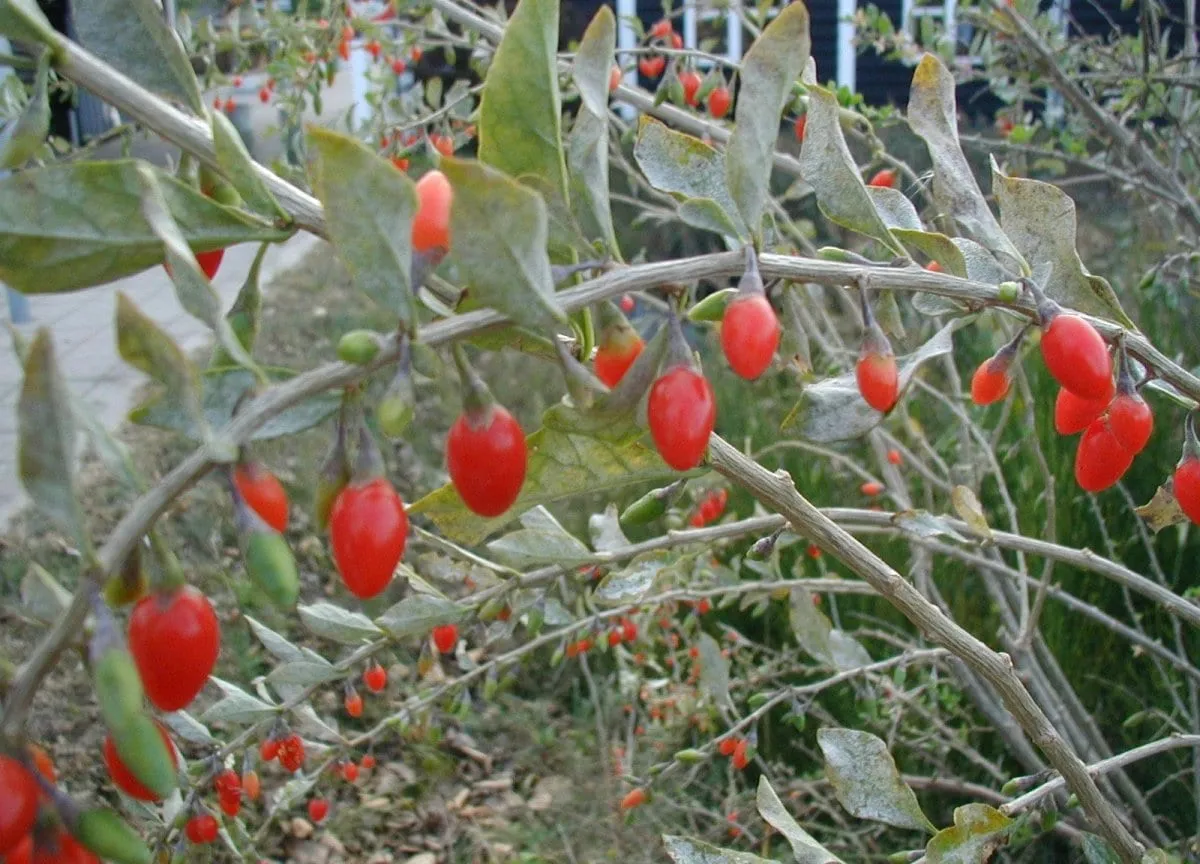
berry in zone 9a
Growing goji berry in zone 9a
Lycium barbarum
- Zone
- 9a 20°F to 25°F
- Growing season
- 290 days
- Suitable varieties
- 1
- Days to harvest
- 60 to 90
The verdict
Goji berry sits comfortably within zone 9a, though the warm edge of its range introduces some caveats. The crop's chill-hour requirement is low, generally cited at 100 hours or fewer, and zone 9a reliably delivers that in most winters. The 290-day growing season is more than sufficient, and the minimum temperature floor of 20 to 25°F poses no meaningful cold risk to established plants.
The real constraint in 9a is not cold, but summer heat and humidity. Goji berry tolerates high heat when air circulation is adequate, but sustained warmth combined with moisture elevates disease pressure significantly. Gray mold and powdery mildew, both listed as concerns for this crop, are more aggressive in the warm, humid conditions common across much of zone 9a. Growers in drier inland parts of the zone will have a notably easier experience than those near the coast or in regions with high summer rainfall. Sweet Lifeberry is the recommended variety for this zone.
Recommended varieties for zone 9a
1 cultivar suited to this zone, with disease-resistance and zone-fit annotations.
| Variety | Notes | Zone fit | Disease resistance |
|---|---|---|---|
| Sweet Lifeberry fits zone 9a | Mildly sweet, less herbal than wild stock; fresh and dried. Heat- and drought-tolerant, productive cultivar good for southern and western gardens. | | none noted |
Critical timing for zone 9a
In zone 9a, goji berry typically begins flowering in March or April, sometimes as early as late February in warmer inland locations. The frost window in 9a is short and early, with last frost dates often falling in late January to mid-February, so spring bloom is rarely threatened by cold.
Harvest extends across a long window, often from June through October or even into November. Goji berry is not a single-flush crop; it produces successive flushes of fruit on new growth throughout the warm season. The generous growing season in zone 9a, at roughly 290 days, supports multiple productive cycles in a single year. The main timing risk is not frost but summer heat during bloom, which can cause flower drop if temperatures exceed 95°F for extended periods.
Common challenges in zone 9a
- ▸ Limited stone fruit options due to insufficient chill
- ▸ Hurricane and tropical storm exposure
- ▸ Citrus disease pressure
Disease pressure to watch for
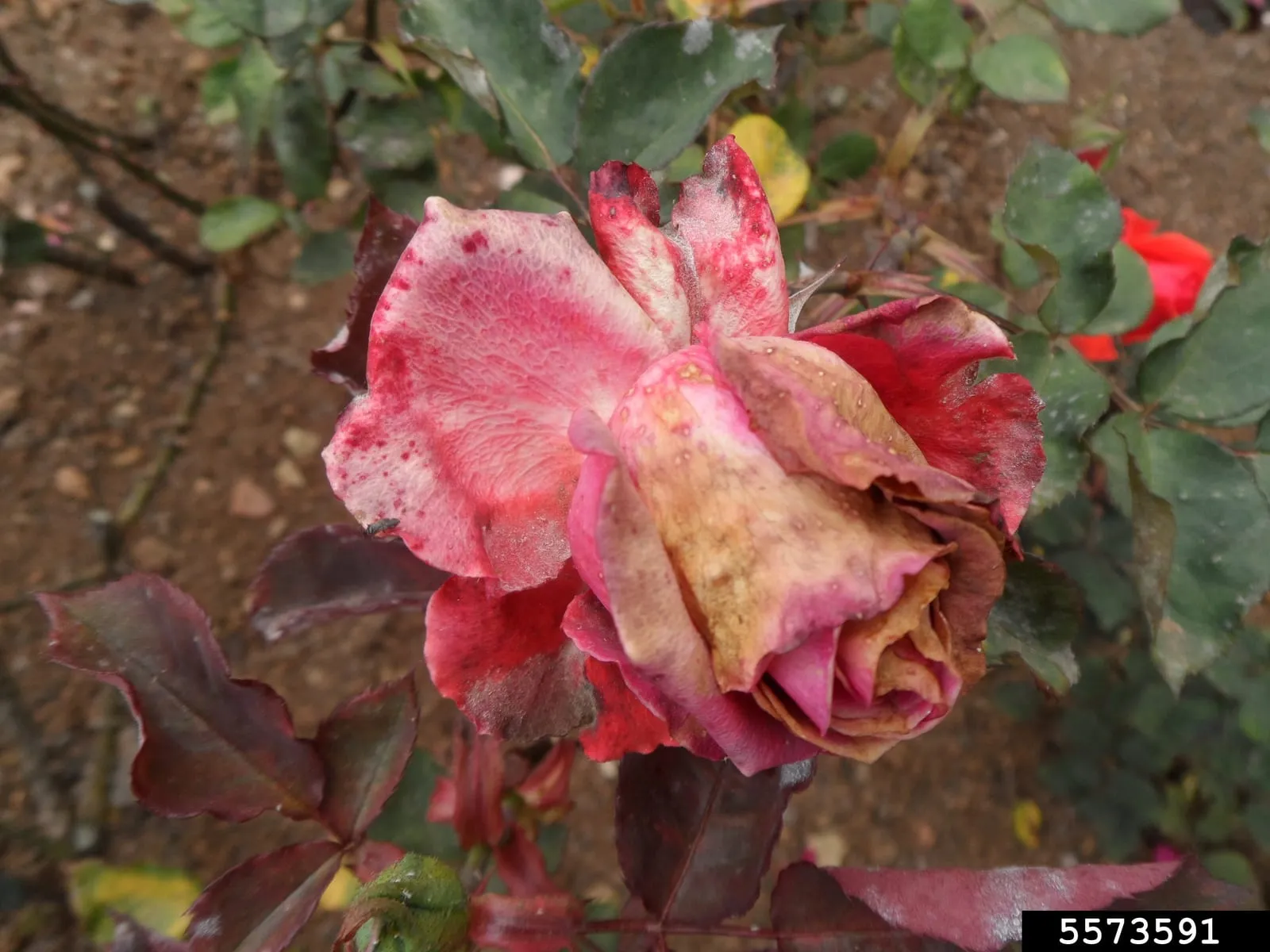
Botrytis cinerea
Ubiquitous fungal disease that causes fruit rot during cool wet weather, often the dominant berry disease in humid regions.
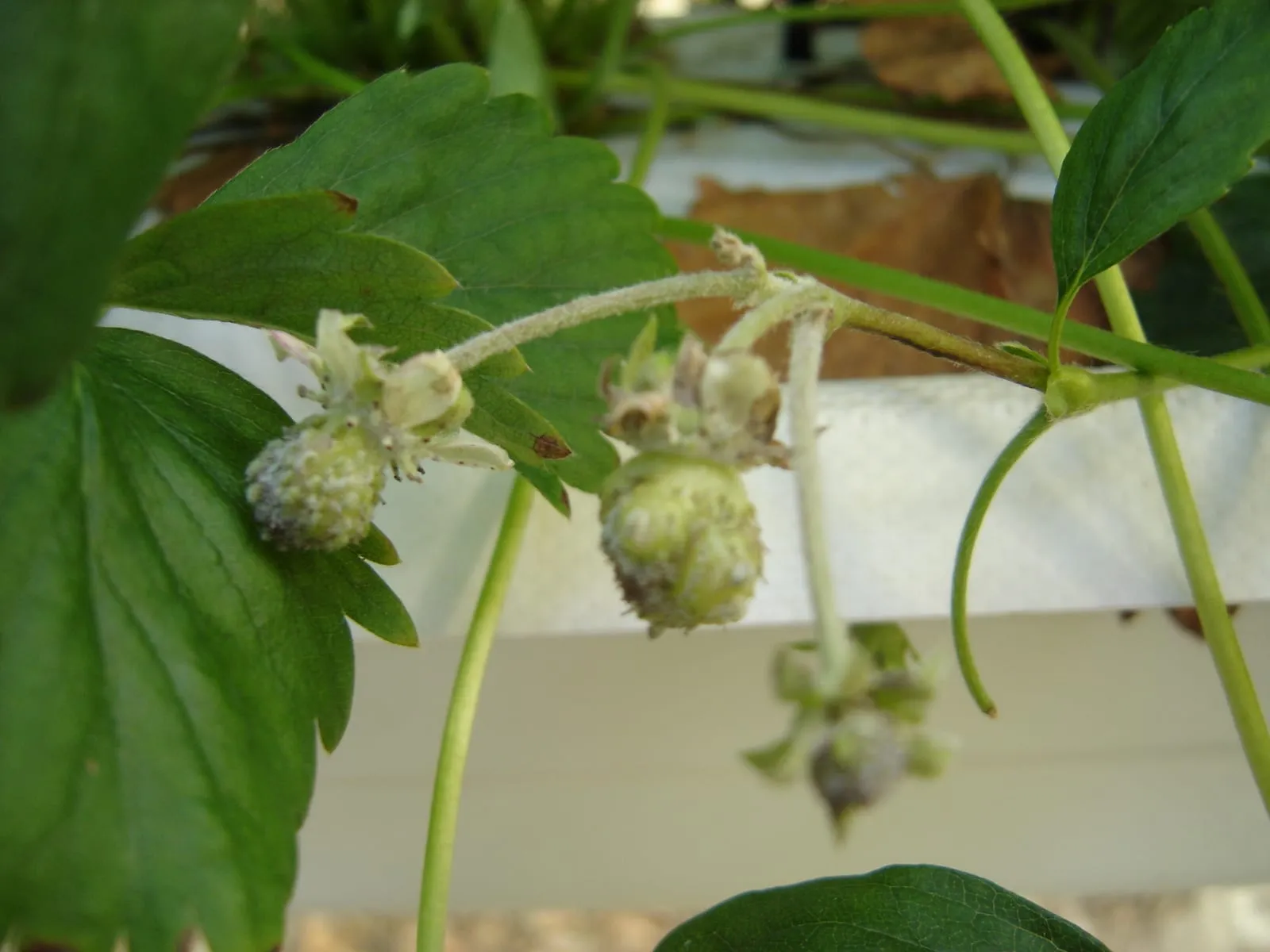
Podosphaera and Sphaerotheca species
Surface-feeding fungal disease producing white powdery growth on leaves and fruit, particularly damaging on gooseberries.
Modified care for zone 9a
Pruning for open canopy structure is more important in zone 9a than in cooler parts of the crop's range. Dense growth traps humidity and accelerates botrytis and powdery mildew. Aim for well-spaced lateral branches with good airflow throughout the canopy.
In the hottest inland locations, afternoon shade during July and August reduces flower drop and stress. A layer of mulch conserves soil moisture and moderates root-zone temperature during peak heat.
Disease management should be proactive rather than reactive. Applying a preventive sulfur or copper fungicide at the start of humid periods, and removing spent plant material promptly, significantly reduces gray mold pressure. Overhead irrigation should be avoided in favor of drip or ground-level watering, which keeps foliage dry. Winter protection is generally unnecessary in established zone 9a plantings, as the temperature range presents no cold injury risk.
Frequently asked questions
- Does goji berry need a lot of chill hours to fruit well in zone 9a?
No. Goji berry's chill-hour requirement is low, typically under 100 hours, and zone 9a winters meet that threshold without difficulty. Insufficient chill is not a limiting factor in this zone.
- Why is Sweet Lifeberry recommended for zone 9a over other varieties?
Sweet Lifeberry was selected in part for adaptability to warmer growing conditions. Many goji cultivars are developed for temperate climates with cooler summers; Sweet Lifeberry performs more reliably in zones 8 through 10 where summer heat is sustained.
- How do I manage powdery mildew on goji berry in a warm, humid climate?
Prune for open structure, avoid overhead irrigation, and apply preventive sulfur fungicide at the start of humid weather. Powdery mildew spreads rapidly on crowded growth during warm nights with moderate humidity, which are common across much of zone 9a.
+−
+−
+−
Goji Berry in adjacent zones
Image: "Lycium-barbarum-fruits", by Sten Porse, via Wikimedia Commons, licensed under CC-BY Source.

Related