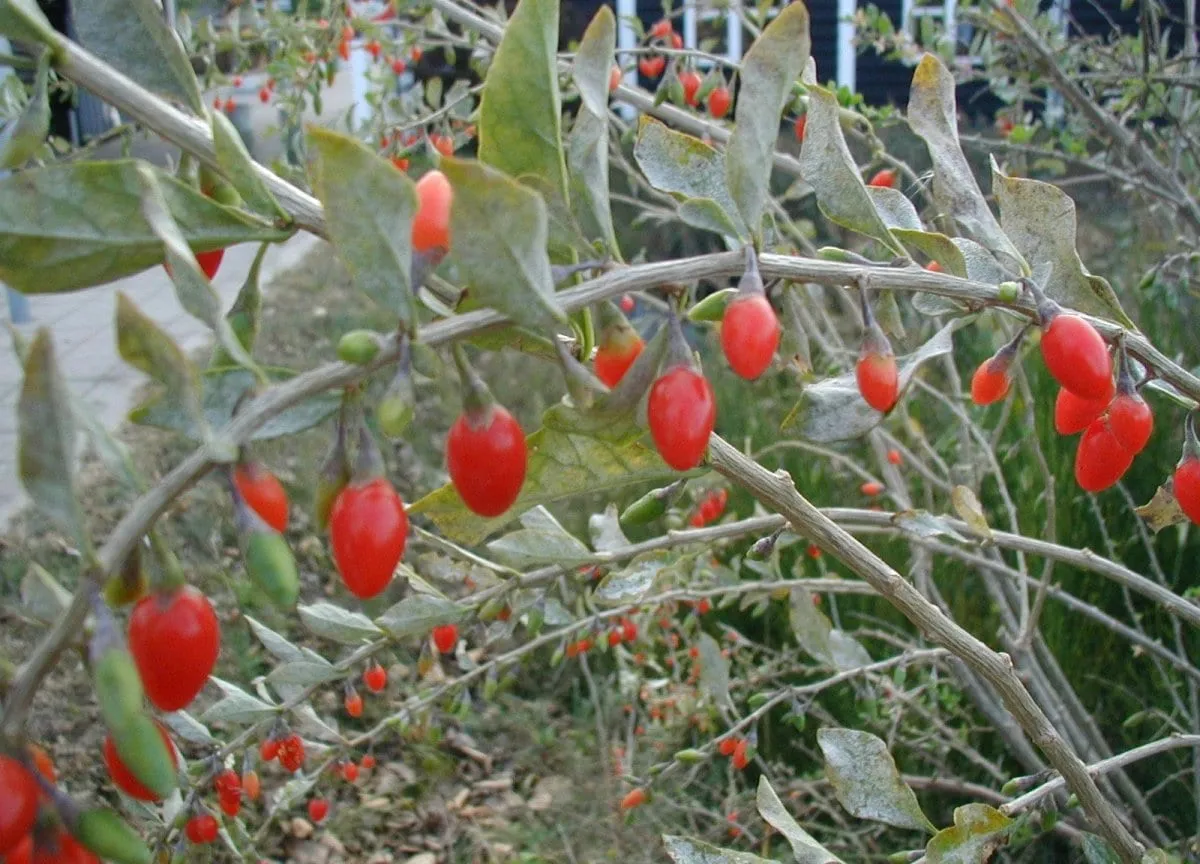
berry in zone 8b
Growing goji berry in zone 8b
Lycium barbarum
- Zone
- 8b 15°F to 20°F
- Growing season
- 260 days
- Suitable varieties
- 2
- Days to harvest
- 60 to 90
The verdict
Zone 8b is a genuine sweet spot for goji berry, not a marginal case. Most cultivars, including Phoenix Tears and Sweet Lifeberry, carry chill-hour requirements in the 100 to 200 hour range, well within what zone 8b winters reliably deliver. The 15 to 20°F minimum temperature range poses no meaningful threat to established plants, which tolerate temperatures into the single digits once fully dormant. The 260-day growing season covers the full bloom-to-harvest arc with room to spare.
The zone challenge that most constrains other fruit crops in this region, low chill accumulation, is simply not a limiting factor for goji. Heat and humidity present more practical constraints than cold. Sandy soils with nematode pressure, common in parts of zone 8b, warrant attention at planting time, but well-drained loam or amended beds sidestep most of that risk. Overall, growers in zone 8b are working with the climate rather than against it.
Recommended varieties for zone 8b
2 cultivars suited to this zone, with disease-resistance and zone-fit annotations.
| Variety | Notes | Zone fit | Disease resistance |
|---|---|---|---|
| Phoenix Tears fits zone 8b | Sweet, mildly tart, complex herbal-tomato flavor; fresh (small handful), dried, tea, smoothies. Selected for high yields and large bright-red fruit. Productive in second year. | | none noted |
| Sweet Lifeberry fits zone 8b | Mildly sweet, less herbal than wild stock; fresh and dried. Heat- and drought-tolerant, productive cultivar good for southern and western gardens. | | none noted |
Critical timing for zone 8b
In zone 8b, goji berry typically opens its first flowers in late April, with bloom extending through June as the plant continues setting new growth. The staggered bloom window is characteristic of the species and means harvest is drawn out rather than concentrated in a single flush. First ripe berries appear in July; a productive plant continues fruiting into October or November before going dormant.
Zone 8b's last frost typically falls in mid-February, well before the late-April bloom onset, so spring cold is not a timing concern. The first fall frost, arriving around late November in most of the zone, lands after the bulk of the harvest season is complete. Late-season fruiting in October and November proceeds without interference in most years.
Common challenges in zone 8b
- ▸ Low chill hours limit apple variety selection
- ▸ Citrus greening risk
- ▸ Nematodes in sandy soils
Disease pressure to watch for
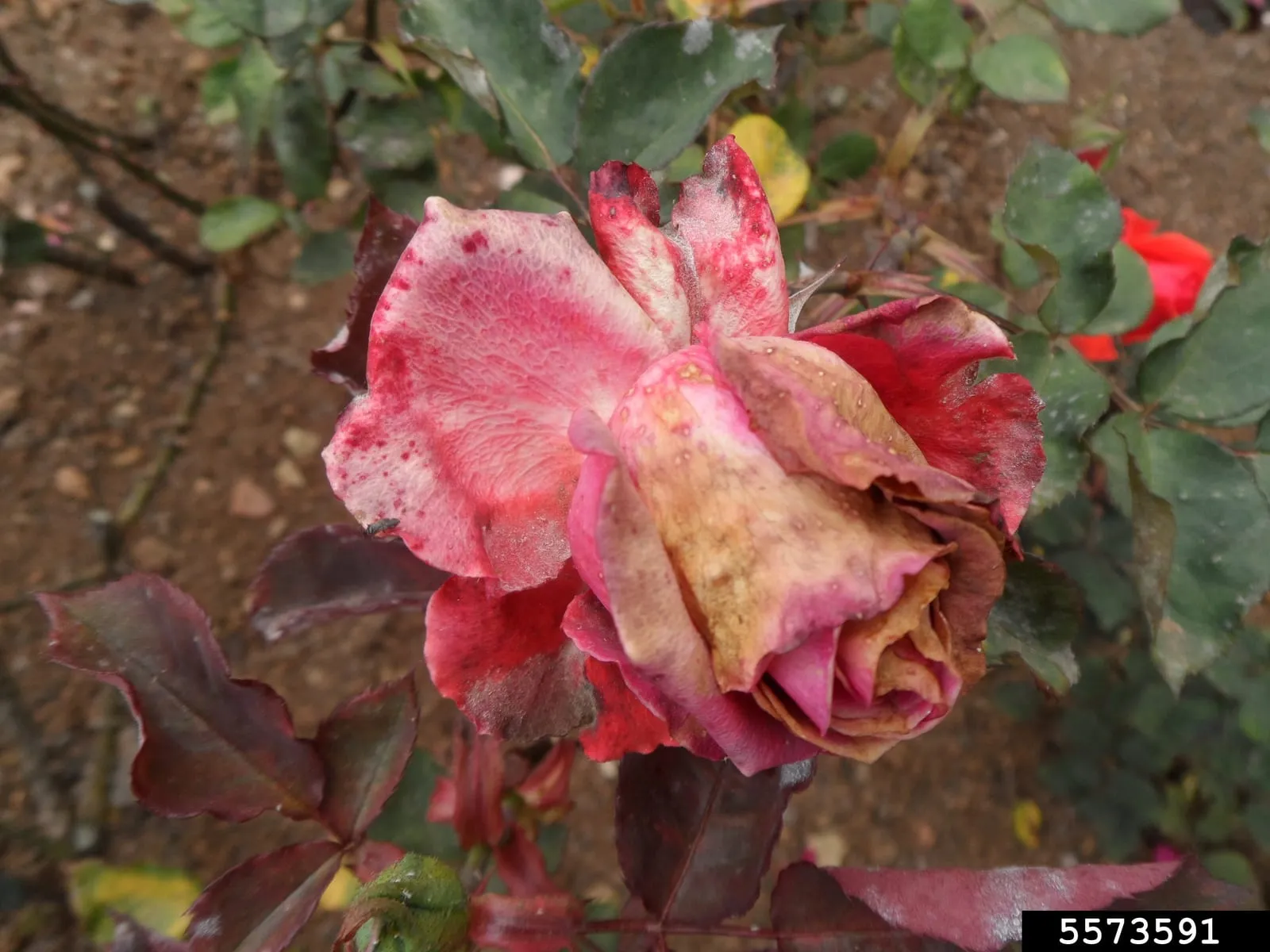
Botrytis cinerea
Ubiquitous fungal disease that causes fruit rot during cool wet weather, often the dominant berry disease in humid regions.
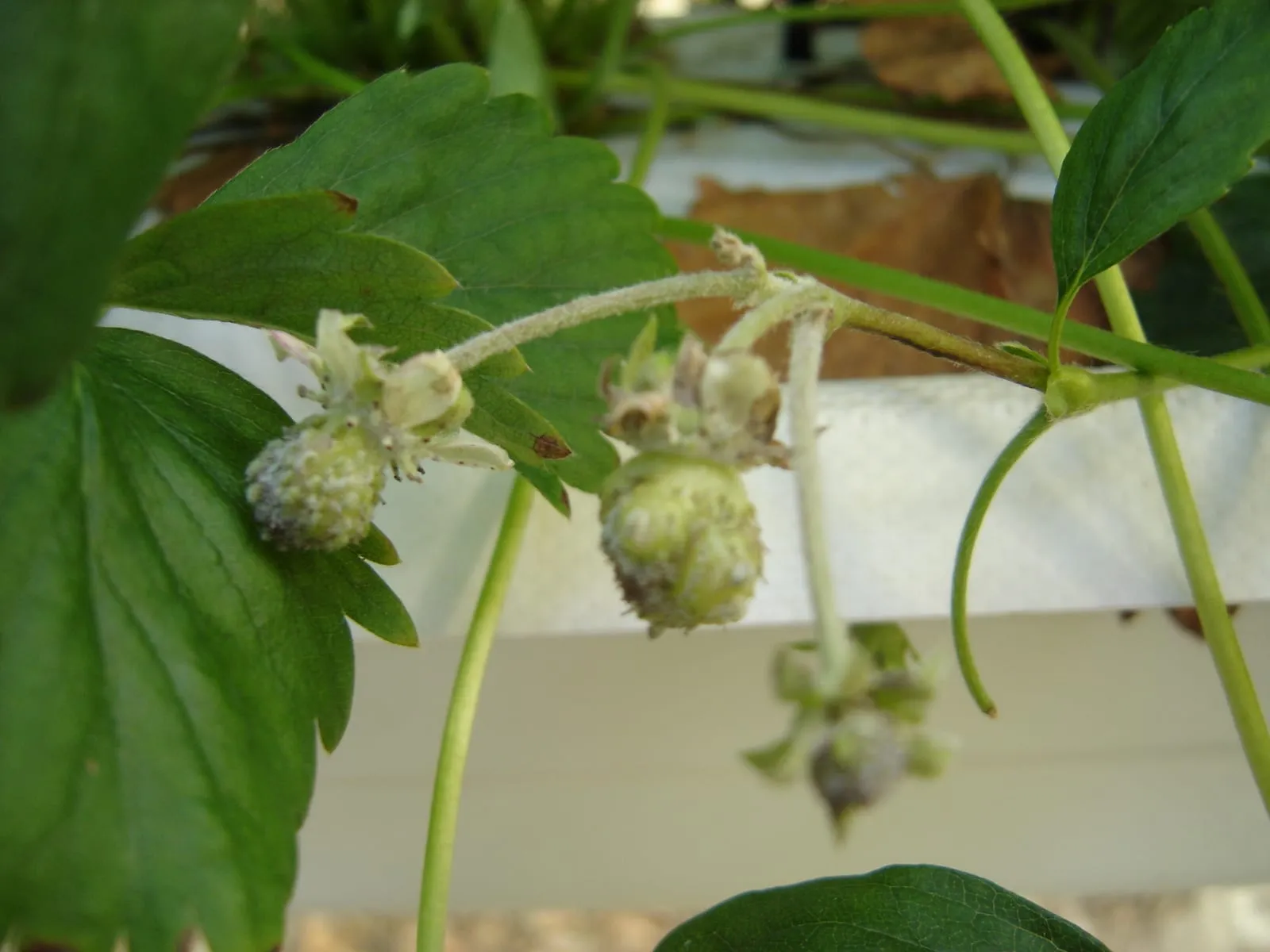
Podosphaera and Sphaerotheca species
Surface-feeding fungal disease producing white powdery growth on leaves and fruit, particularly damaging on gooseberries.
Modified care for zone 8b
The main adjustments in zone 8b center on humidity management rather than cold protection. Gray Mold (Botrytis) and Berry Powdery Mildew both thrive when wet conditions combine with warm temperatures, a pattern common across zone 8b summers. Pruning for an open canopy and maintaining spacing between plants reduces the stagnant air that favors both pathogens. Overhead irrigation is worth avoiding during flowering and fruiting; drip or soaker lines keep foliage dry through the hottest months.
Nematodes in sandy soils are a real constraint in parts of zone 8b. Planting in raised beds or amending with compost improves soil biology and reduces pressure over time. Winter protection is generally unnecessary for established plants, though first-year transplants set out in fall may benefit from a light mulch layer during the coldest nights of the season.
Frequently asked questions
- Do goji berries need a lot of chill hours in zone 8b?
No. Most goji cultivars require only 100 to 200 chill hours, which zone 8b winters exceed without difficulty. Chill accumulation is not a limiting factor here, unlike many other fruiting plants grown in the same zone.
- Which goji varieties perform best in zone 8b?
Phoenix Tears and Sweet Lifeberry are both well-suited to zone 8b conditions. Both tolerate the zone's heat and deliver reliable fruiting across the long growing season. Variety selection matters less here than soil preparation and disease management.
- What diseases should zone 8b goji growers watch for?
Gray Mold (Botrytis) and Berry Powdery Mildew are the primary concerns. Both are encouraged by warm, humid conditions. Good pruning for airflow and avoiding overhead watering reduce risk significantly.
- When is goji harvest season in zone 8b?
Harvest typically runs from July through October, with the most productive flush in August and September. The staggered bloom means berries ripen progressively rather than all at once, extending the picking window across several months.
+−
+−
+−
+−
Goji Berry in adjacent zones
Image: "Lycium-barbarum-fruits", by Sten Porse, via Wikimedia Commons, licensed under CC-BY Source.

Related