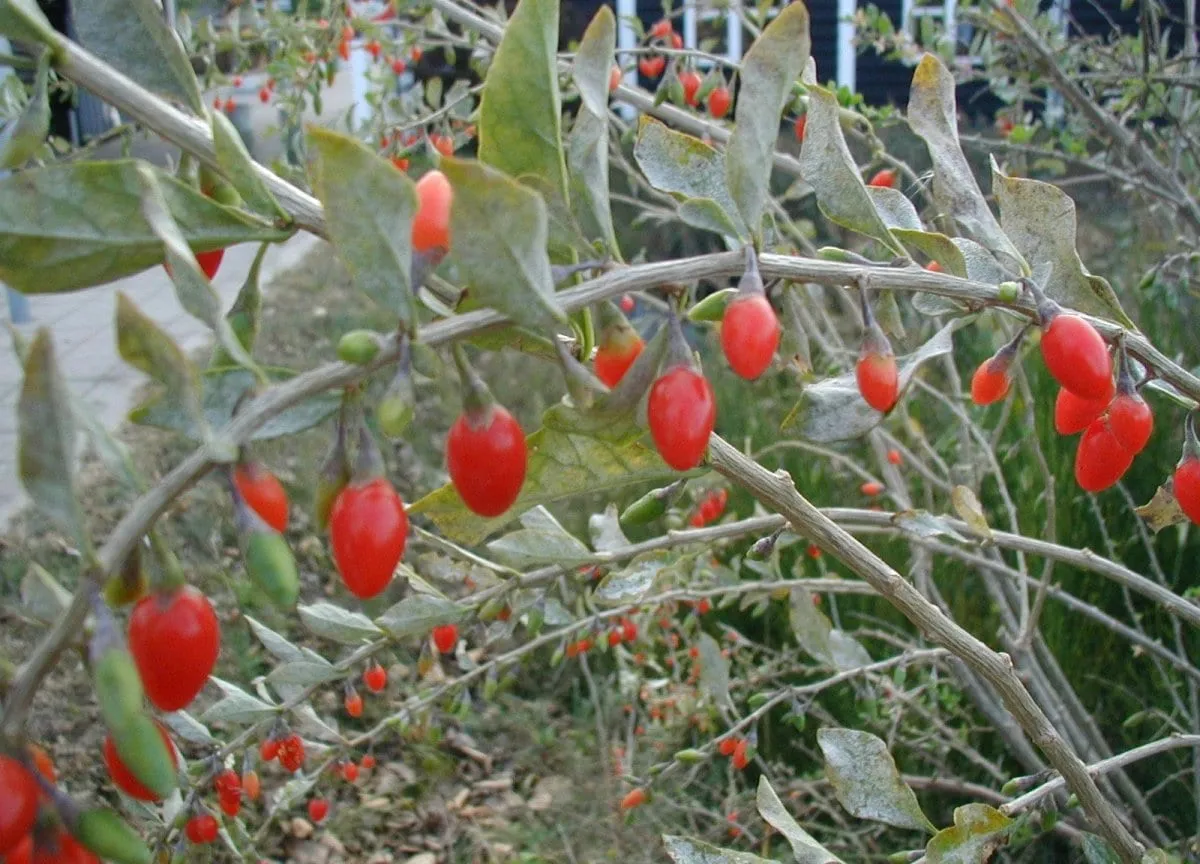
berry
Goji Berry
Lycium barbarum
USDA hardiness range
- Zones
- 3b–10a
- Days to harvest
- 60 to 90
- Sun
- Full
- Water
- Low
- Lifespan
- 15 to 30 years
Growing goji berry
Goji berry (Lycium barbarum) covers more USDA zone ground than almost any other small fruit, rated for zones 3b through 10a. That breadth reflects genuine cold hardiness rather than marketing optimism -- established plants have survived well below -20°F in northern trials. Heat tolerance at the southern end is equally real; cultivars like Sweet Lifeberry handle prolonged dry summers without the irrigation demands that stone fruits or blueberries require.
The crop earns its low-maintenance reputation once established, but first-year performance often disappoints growers expecting it to behave like a raspberry. Canes can look minimal or even dormant through much of the first growing season while root systems develop. That patience through year one is rewarded with vigorous growth and heavy yields starting in year two for well-selected varieties such as Phoenix Tears.
What separates productive plantings from failed ones is almost always drainage and sun. Goji tolerates drought readily but not wet feet; a site with slow drainage leads to root stress that no cultivar reliably overcomes. Full sun is non-negotiable for good fruit set -- plants receiving fewer than six hours develop sparse flowers and drop fruit before ripening. Growers who match site to these two requirements and accept slow establishment consistently report the yields the crop is known for. Those who don't frequently conclude the plant does not work in their climate when the real problem was site selection.
Recommended varieties
See all 3 →3 cultivars for home growers, with notes on flavor, ripening, and disease resistance.
| Variety | Notes | Zone fit | Disease resistance |
|---|---|---|---|
| Phoenix Tears | Sweet, mildly tart, complex herbal-tomato flavor; fresh (small handful), dried, tea, smoothies. Selected for high yields and large bright-red fruit. Productive in second year. | | none noted |
| Crimson Star | Sweet, slightly herbal, juicy; fresh and dried. Larger fruit than seedling stock, productive selection adapted for North American conditions. | | none noted |
| Sweet Lifeberry | Mildly sweet, less herbal than wild stock; fresh and dried. Heat- and drought-tolerant, productive cultivar good for southern and western gardens. | | none noted |
Soil and site requirements
Goji berry is more tolerant of soil variation than most small fruits, performing well in sandy loam, loam, and even gravelly soils that would exclude blueberry or asparagus. The critical requirement is drainage: standing water for more than a few hours after heavy rain is a site disqualifier. Raised beds or low berms are practical solutions on clay-heavy soils.
Soil pH tolerance is notably broad, spanning roughly 6.5 to 8.0 based on extension trial data from USU Goji Production Notes. This makes goji berry one of the few fruit crops that succeed in alkaline western soils where blueberry cultivation is impractical without significant amendment.
Full sun means at minimum six hours of direct light daily, with eight or more for consistent, productive crops. South-facing slopes improve ripening in zones 4 through 6, where the growing season is compressed. Spacing recommendations from published trials suggest 5 to 6 feet in-row with 8 to 10 feet between rows for trellised plantings. Plants spread by suckers, and crowding accelerates moisture-related disease pressure. A site with good air movement, away from dense windbreaks or building corners, noticeably reduces gray mold incidence in humid climates.
Common diseases
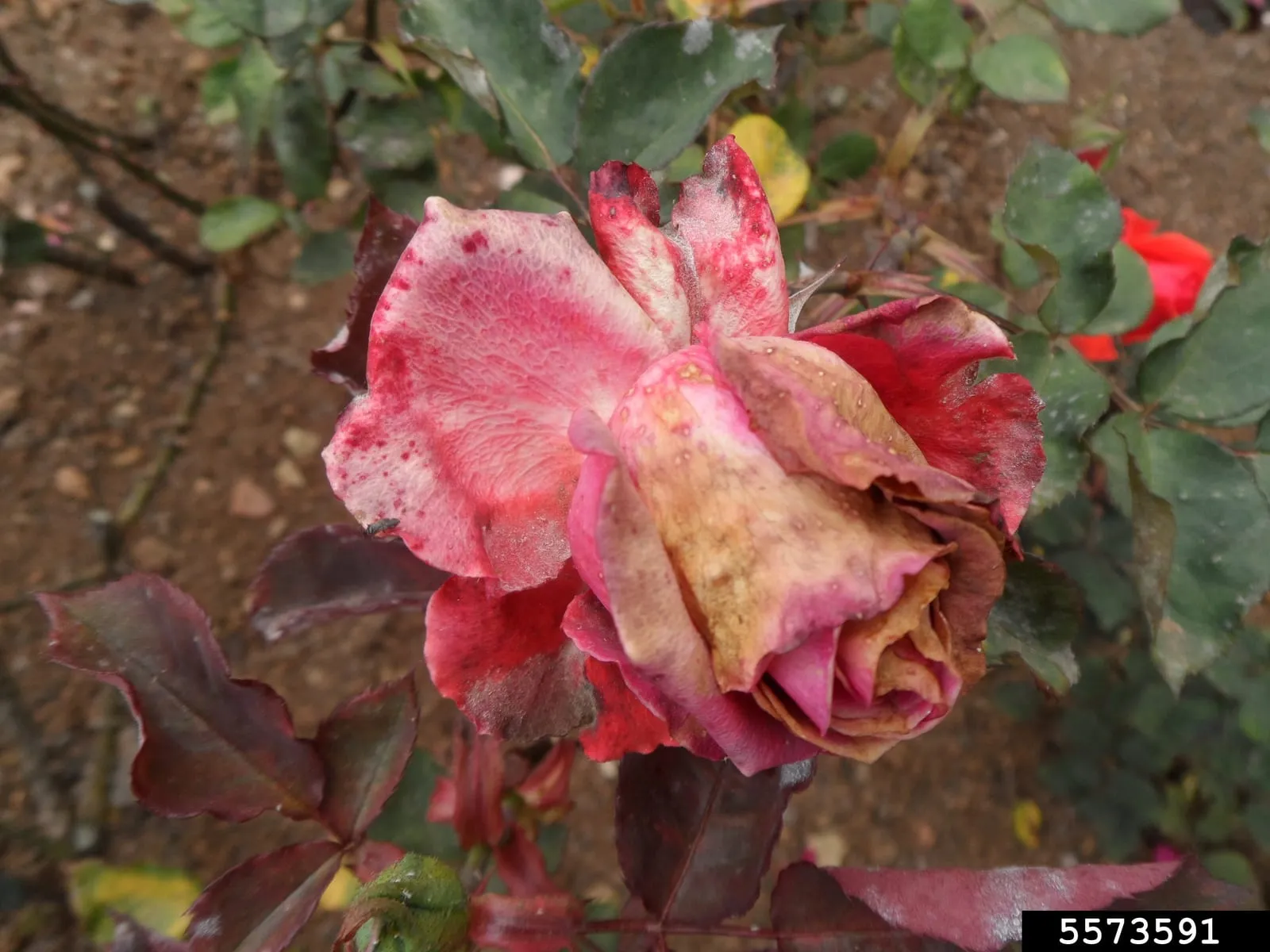
Botrytis cinerea
Ubiquitous fungal disease that causes fruit rot during cool wet weather, often the dominant berry disease in humid regions.
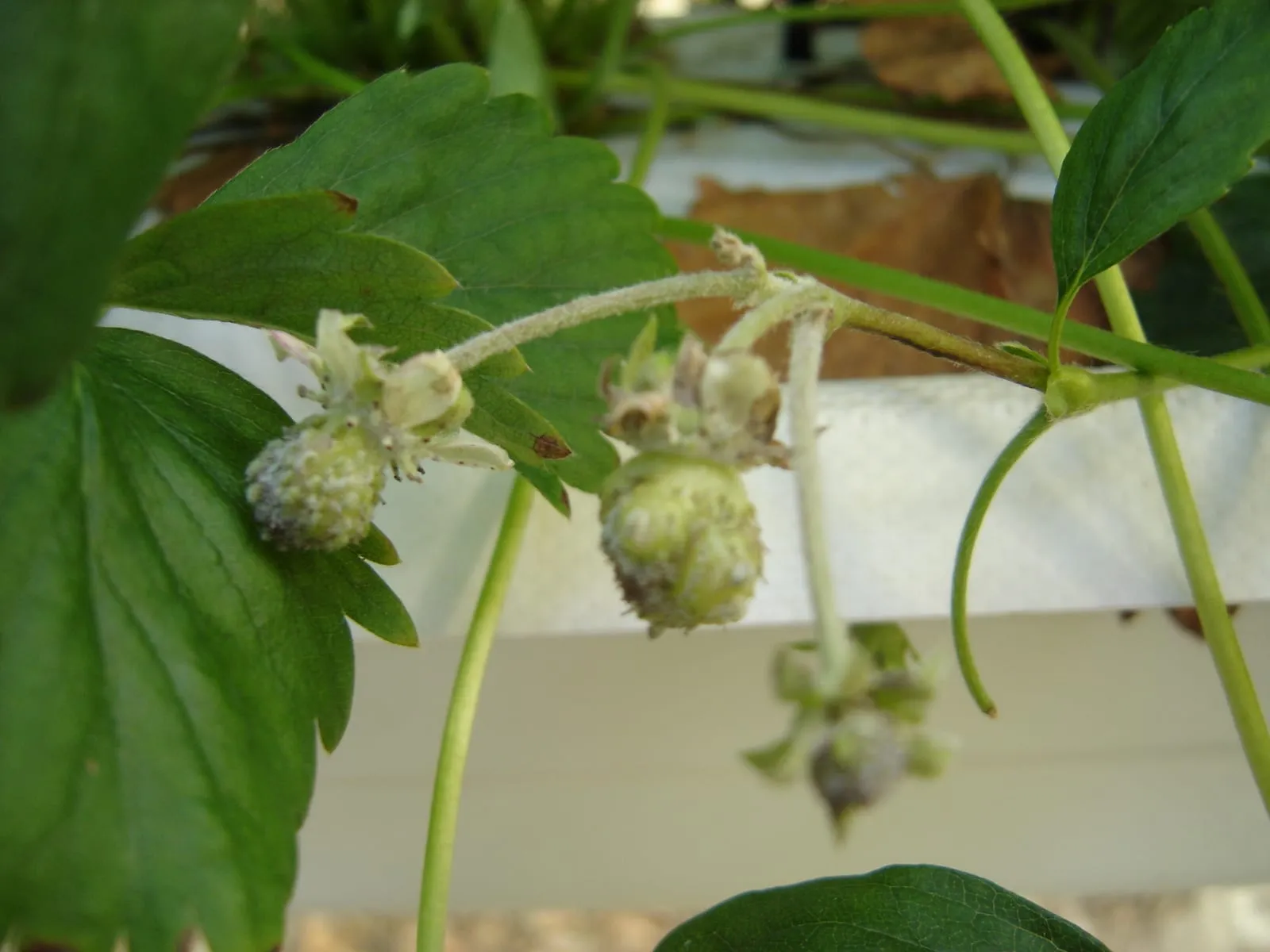
Podosphaera and Sphaerotheca species
Surface-feeding fungal disease producing white powdery growth on leaves and fruit, particularly damaging on gooseberries.
Common pests
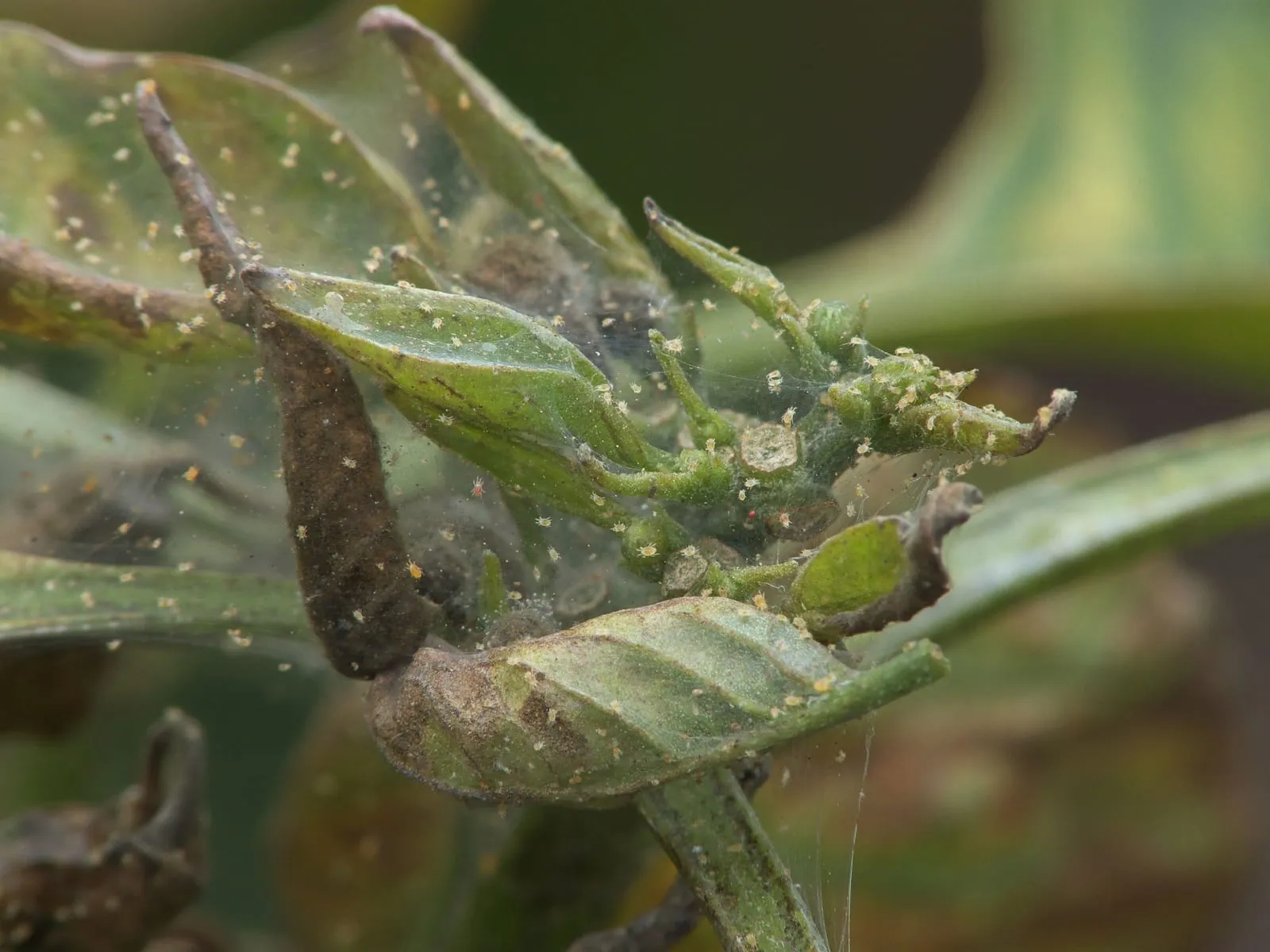
Tetranychus urticae
Tiny mite that feeds on leaf undersides, causing stippling and webbing during hot dry weather.
Multiple species
Robins, catbirds, mockingbirds, starlings, cedar waxwings and other songbirds can strip ripening berry and fruit crops in days. Crows and blackbirds also damage fresh sweet corn ears in milk stage. The single biggest yield-loss factor in unprotected home plantings.
Common challenges
Root rot from poor drainage is the most consistent failure mode in home plantings. Goji berry stores water in its root system efficiently enough for dry-summer climates but cannot tolerate persistently saturated soil. Growers on clay, low-lying sites, or in regions with wet springs often see plants decline slowly through the first two seasons and sometimes collapse entirely in year three when root damage becomes structural. Amending drainage before planting, not after problems emerge, is the reliable fix.
Two-spotted spider mite pressure escalates in hot, dry conditions and can defoliate plants quickly once populations establish. Miticides labeled for small fruits provide control, but water-stressed plants draw mite pressure faster, so consistent irrigation during heat events is the first line of defense.
Bird damage is consistently underestimated. Goji fruit ripens across a long window (60 to 90 days from fruit set), and birds locate the crop reliably once fruiting begins. Netting installed before ripening starts is the practical solution; reactive netting after birds find the planting rarely captures the full yield.
Gray mold (Botrytis) surfaces in humid growing seasons, particularly on unpruned, dense canopies. Annual thinning cuts that open the canopy to light and air circulation reduce incidence without fungicide reliance, per guidance in the Penn State Goji Berry resource.
Frequently asked questions
- Does goji berry need a second plant for pollination?
Goji berry is self-fertile and produces fruit without a companion plant. Planting multiple specimens of the same or different named varieties can improve pollination completeness and overall yield, but a single plant is sufficient for fruit production.
- How many chill hours does goji berry require?
Goji berry has low chill-hour requirements compared to most temperate fruit crops, which accounts for its productive range from zones 3b through 10a. According to USU Goji Production Notes, the species breaks dormancy reliably with limited winter cold accumulation. Specific thresholds vary by variety; consult the source nursery for named cultivars.
- What USDA zones support goji berry?
Goji berry is rated for USDA zones 3b through 10a, one of the broadest zone ranges among commonly grown small fruits. Established plants in zone 3b have survived temperatures well below -20°F. At the southern end of the range, heat- and drought-tolerant selections such as Sweet Lifeberry are recommended.
- How long does it take goji berry to produce fruit?
Fruit ripens 60 to 90 days from flower set. Because the plant flowers and sets fruit continuously across a long season, harvest is staggered rather than concentrated into a short window. Most named cultivars show some fruit in year one, with meaningful production beginning in year two; Phoenix Tears is specifically noted for second-year productivity.
- What is the most common fungal disease on goji berry?
Gray mold (Botrytis) is the most frequently reported fungal problem, especially in humid climates or where canopy density limits air circulation. Berry powdery mildew can also develop. Annual pruning to open the canopy is the primary preventive measure; fungicide applications labeled for small fruits may be warranted during persistently wet seasons.
- Is goji berry drought-tolerant?
Yes. Goji berry has low water requirements once established and tolerates dry summers well, particularly in zones 7 through 10a. The critical distinction is between drought tolerance and wet-soil tolerance: the plant handles dry conditions but declines quickly in poorly drained or consistently saturated soils.
- How long does a goji berry plant live?
A well-sited goji berry plant typically lives 15 to 30 years. Plants establish slowly but become progressively more productive from year three onward, then stabilize at mature bearing capacity. Selecting named cultivars over seedling stock improves both consistency and longevity.
+−
+−
+−
+−
+−
+−
+−
Sources
Image: "Lycium-barbarum-fruits", by Sten Porse, via Wikimedia Commons, licensed under CC-BY. Source.

Goji Berry by zone
Related