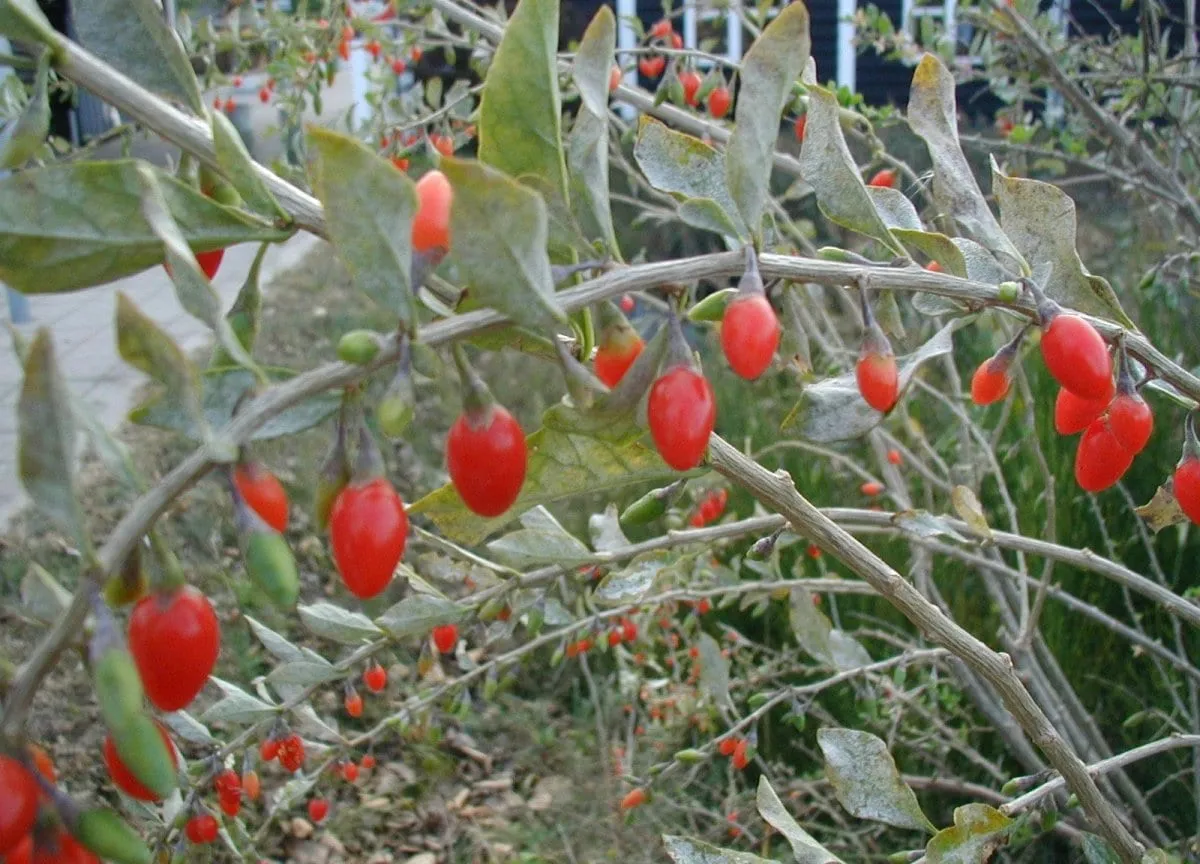
berry in zone 4b
Growing goji berry in zone 4b
Lycium barbarum
- Zone
- 4b -25°F to -20°F
- Growing season
- 130 days
- Suitable varieties
- 2
- Days to harvest
- 60 to 90
The verdict
Goji berry is more cold-tolerant than its reputation as an exotic superfood crop might suggest. Established plants can handle temperatures approaching -20°F, which puts zone 4b at the lower edge of the viable range rather than comfortably within it. First-year plantings are the vulnerable point: young canes with shallow root systems are unlikely to survive an unprotected zone 4b winter without mulching.
Goji does not have documented chill-hour requirements the way stone fruits do; dormancy break is driven by accumulated spring heat rather than a winter chill threshold. That removes one common zone-matching concern. The 130-day growing season is workable but tight, particularly for fruit maturation in the back half of the season.
Phoenix Tears and Crimson Star are both selected for cold-climate performance and are the appropriate choices here. With sheltered siting (south-facing, protected from prevailing wind) and consistent winter care for the first two seasons, zone 4b production is achievable. Expect yield and cane longevity that fall short of what growers in zones 5 and 6 report.
Recommended varieties for zone 4b
2 cultivars suited to this zone, with disease-resistance and zone-fit annotations.
| Variety | Notes | Zone fit | Disease resistance |
|---|---|---|---|
| Phoenix Tears fits zone 4b | Sweet, mildly tart, complex herbal-tomato flavor; fresh (small handful), dried, tea, smoothies. Selected for high yields and large bright-red fruit. Productive in second year. | | none noted |
| Crimson Star fits zone 4b | Sweet, slightly herbal, juicy; fresh and dried. Larger fruit than seedling stock, productive selection adapted for North American conditions. | | none noted |
Critical timing for zone 4b
Goji berry blooms in June through July in zone 4b, well after the typical last frost window of late May. That timing is one of the crop's genuine advantages in cold climates: unlike early-blooming fruit trees, goji is rarely caught by a late spring frost.
Harvest extends from August into October. The 130-day growing season is enough for fruit to ripen, though a cool, short summer can compress the harvest window toward the later end. Goji produces flowers on new growth across an extended period rather than in a single flush, so a single frost event in early fall does not typically eliminate the entire season's crop.
The more pressing fall timing concern is cane hardening. Canes that have not fully lignified before the first hard frost, which arrives in late September to early October in zone 4b, are prone to dieback. Avoid late-season nitrogen applications that push soft vegetative growth into August.
Common challenges in zone 4b
- ▸ Spring frost timing
- ▸ Apple scab pressure
- ▸ Cane berry winter dieback
Disease pressure to watch for
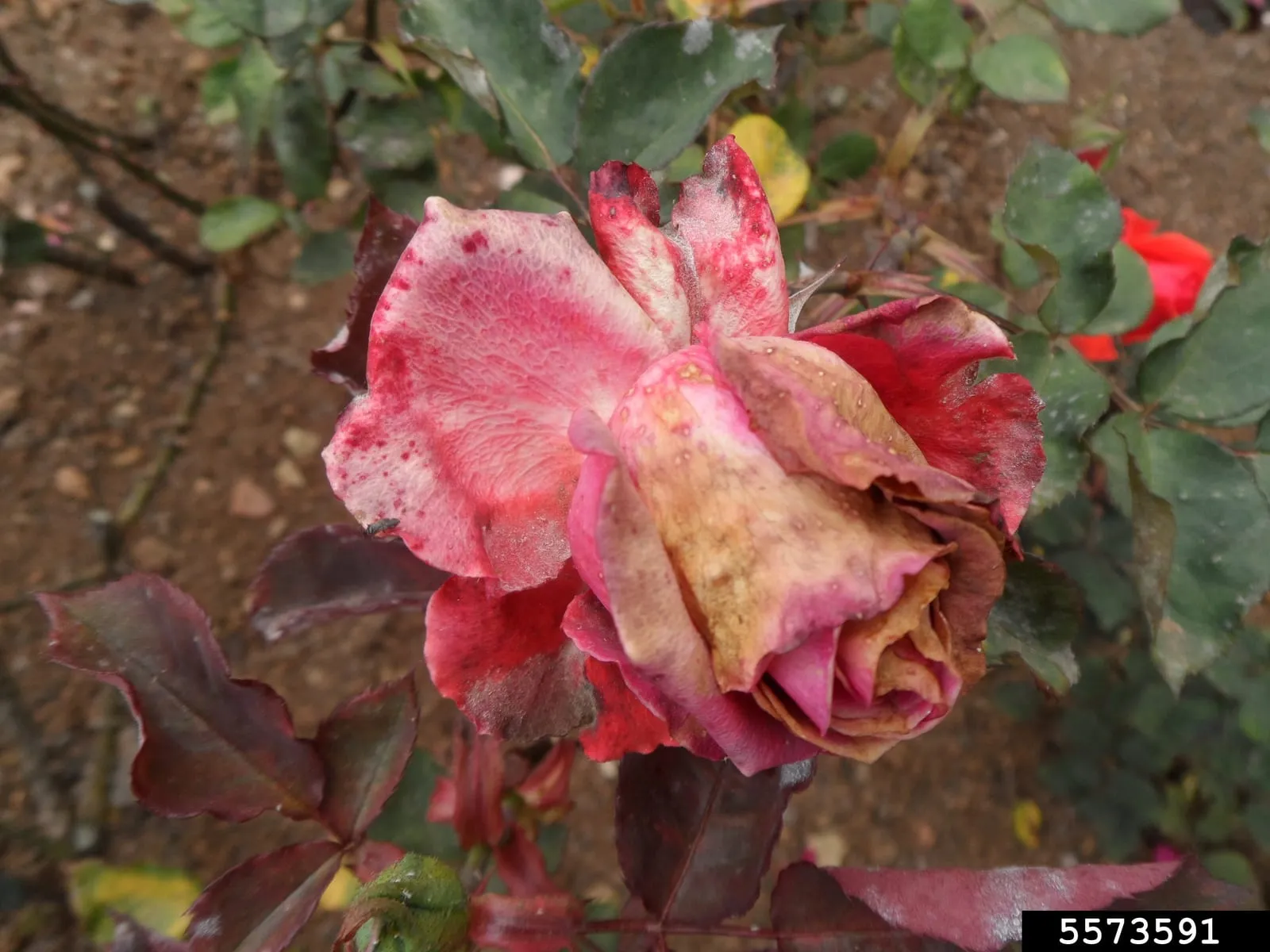
Botrytis cinerea
Ubiquitous fungal disease that causes fruit rot during cool wet weather, often the dominant berry disease in humid regions.
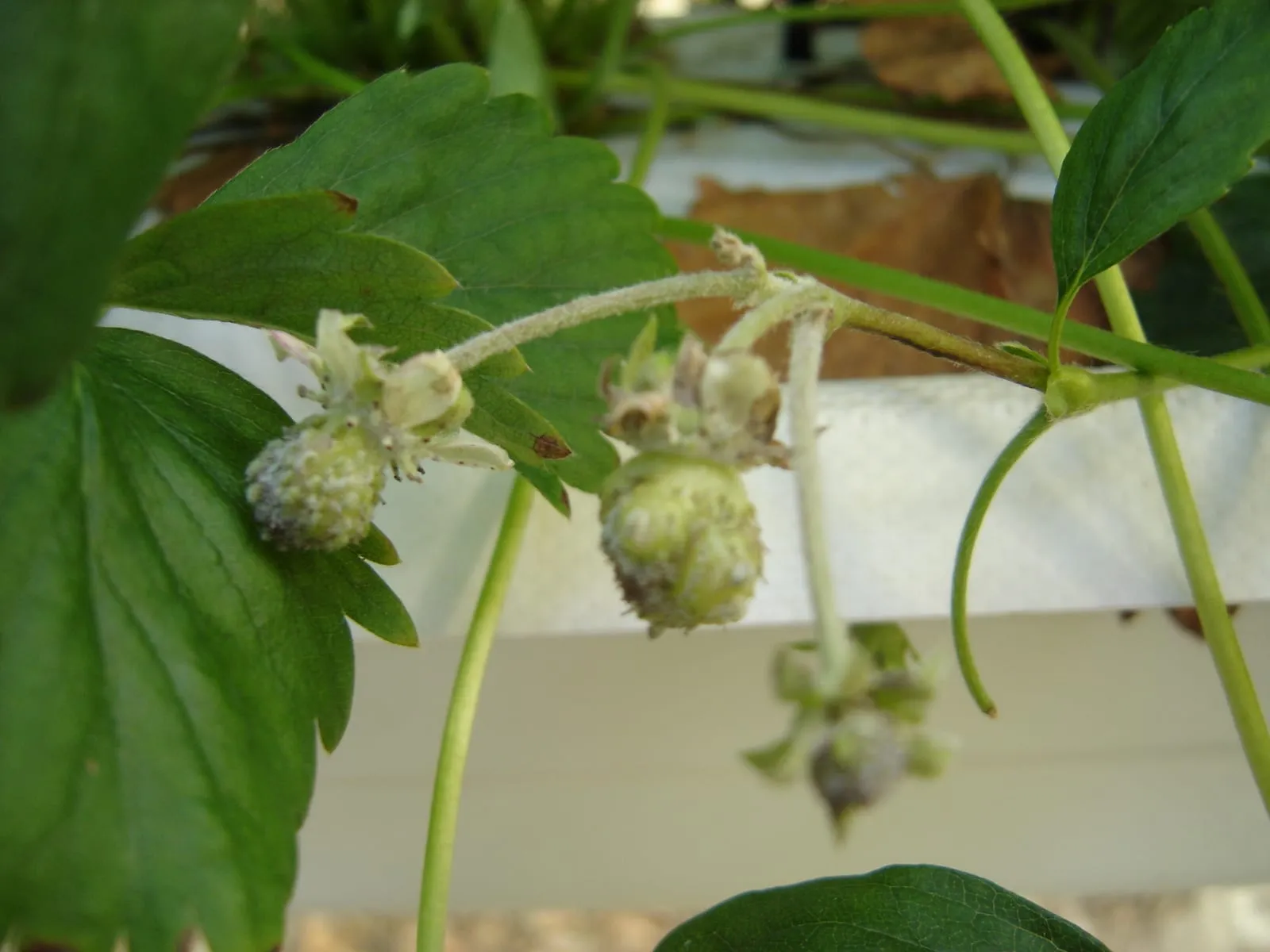
Podosphaera and Sphaerotheca species
Surface-feeding fungal disease producing white powdery growth on leaves and fruit, particularly damaging on gooseberries.
Modified care for zone 4b
Winter protection for young plants is the primary zone 4b adaptation. Apply 4 to 6 inches of wood chip or straw mulch over the root zone before the ground freezes, and consider wrapping first-year canes with burlap in exposed sites. Once a planting is three years old, the crown is typically hardy enough that annual mulching is sufficient.
Expect some tip dieback on exposed canes after hard winters regardless of age. Hold off on pruning until new growth emerges in spring to confirm which wood survived before cutting.
Gray Mold (Botrytis) is the higher-priority disease concern in zone 4b, where cool, wet springs create favorable conditions during bloom and early fruit set. Prune for open canopy structure and avoid overhead irrigation from bloom through harvest. Berry Powdery Mildew is manageable with good air circulation; dense plantings in humid sites are where it typically escalates. Neither disease requires a preventive spray program if sanitation and spacing are handled at planting.
Frequently asked questions
- Can goji berry survive zone 4b winters?
Established plants can tolerate temperatures near -20°F with proper mulching. Zone 4b sits at the cold edge of goji's range, so first-year plantings need winter protection. Phoenix Tears and Crimson Star are the recommended varieties for this zone.
- How long does it take for goji berry to produce fruit in zone 4b?
Most goji plantings produce a light crop in year two and a fuller harvest by year three. The 130-day growing season in zone 4b is sufficient for fruit maturation, though yields will typically lag behind what the same varieties produce in warmer zones.
- What diseases should zone 4b goji growers watch for?
Gray Mold (Botrytis) is the primary concern, favored by the cool, wet springs typical of zone 4b. Berry Powdery Mildew can develop in dense plantings during drier summer stretches. Both are manageable through pruning for airflow and avoiding overhead irrigation.
+−
+−
+−
Goji Berry in adjacent zones
Image: "Lycium-barbarum-fruits", by Sten Porse, via Wikimedia Commons, licensed under CC-BY Source.

Related