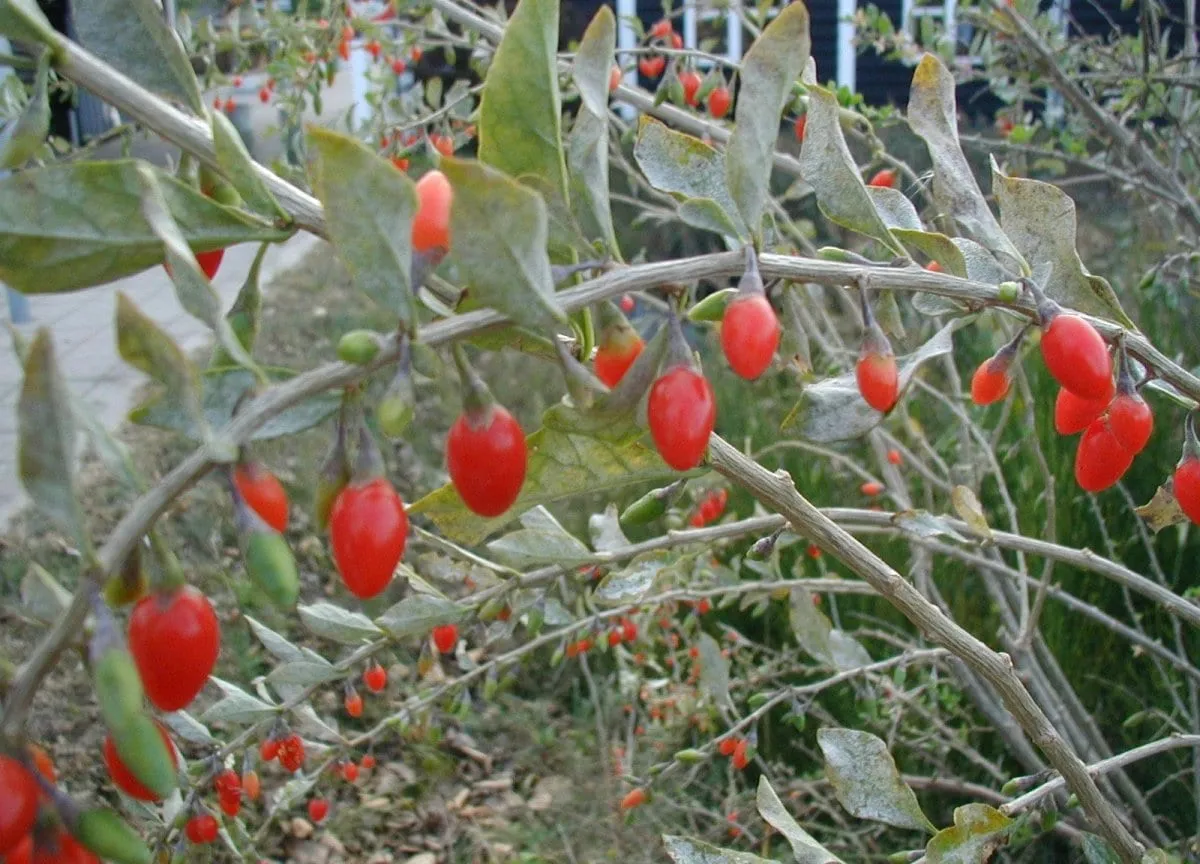
berry in zone 4a
Growing goji berry in zone 4a
Lycium barbarum
- Zone
- 4a -30°F to -25°F
- Growing season
- 120 days
- Suitable varieties
- 2
- Days to harvest
- 60 to 90
The verdict
Goji berry is a solid match for zone 4a, and for most growers this is closer to a sweet spot than a marginal situation. The species (Lycium barbarum) originates from temperate highland regions of Asia and tolerates sustained cold down to approximately -25°F in established plants, which aligns closely with zone 4a's lower threshold of -30°F. Newly planted crowns are somewhat more vulnerable and benefit from mulch protection through the first one or two winters.
Chill-hour accumulation is not a limiting factor in zone 4a. Goji berry requires roughly 600 to 1,000 chilling hours below 45°F, and zone 4a routinely delivers well above that range with no active management required. The two varieties listed here, Phoenix Tears and Crimson Star, were selected with northern cold hardiness in mind. The 120-day growing season is sufficient for fruit production, provided planting is timed to clear the late-frost window. The primary zone-specific risk is not winter cold but late-spring frosts, which can damage emerging shoots and reduce first-year yields.
Recommended varieties for zone 4a
2 cultivars suited to this zone, with disease-resistance and zone-fit annotations.
| Variety | Notes | Zone fit | Disease resistance |
|---|---|---|---|
| Phoenix Tears fits zone 4a | Sweet, mildly tart, complex herbal-tomato flavor; fresh (small handful), dried, tea, smoothies. Selected for high yields and large bright-red fruit. Productive in second year. | | none noted |
| Crimson Star fits zone 4a | Sweet, slightly herbal, juicy; fresh and dried. Larger fruit than seedling stock, productive selection adapted for North American conditions. | | none noted |
Critical timing for zone 4a
Goji berry leafs out and begins blooming relatively late in zone 4a, typically from late May into June once soil temperatures have stabilized above 50°F. Zone 4a's last frost date generally falls between mid-May and early June depending on elevation and local terrain, which puts the earliest emerging growth at some risk in most seasons.
Harvest runs from late July through September, with the bulk of ripe berries appearing in August. The crop's fruit-ripening window spans roughly 60 to 90 days, which fits within the 120-day growing season, though an early cold snap in late August or early September can clip yields in shorter-season microclimates. Berries ripen progressively over multiple weeks rather than all at once, so staggered picking passes are the norm.
Common challenges in zone 4a
- ▸ Late frosts damage early bloomers
- ▸ Limited peach varieties
Disease pressure to watch for
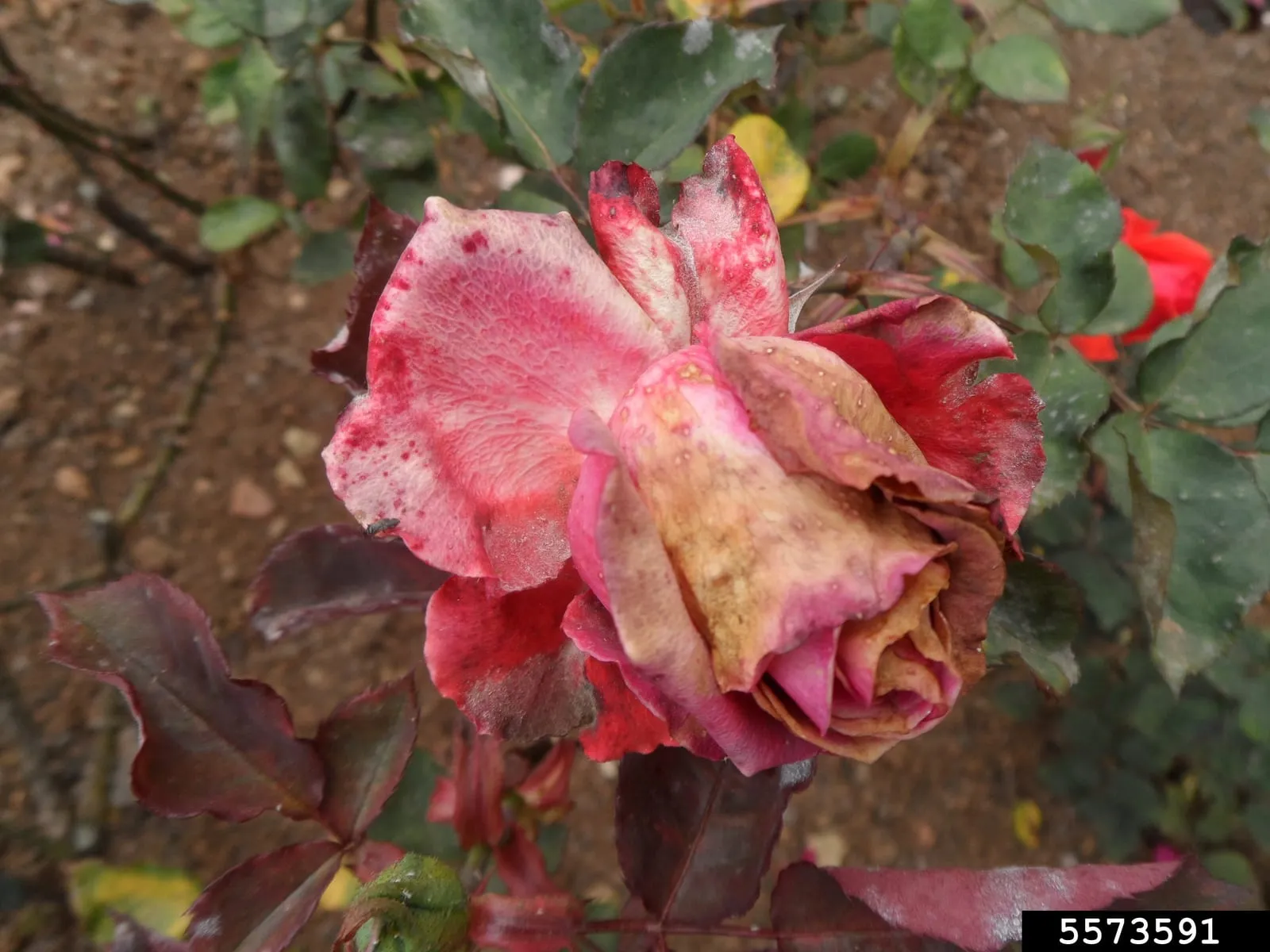
Botrytis cinerea
Ubiquitous fungal disease that causes fruit rot during cool wet weather, often the dominant berry disease in humid regions.
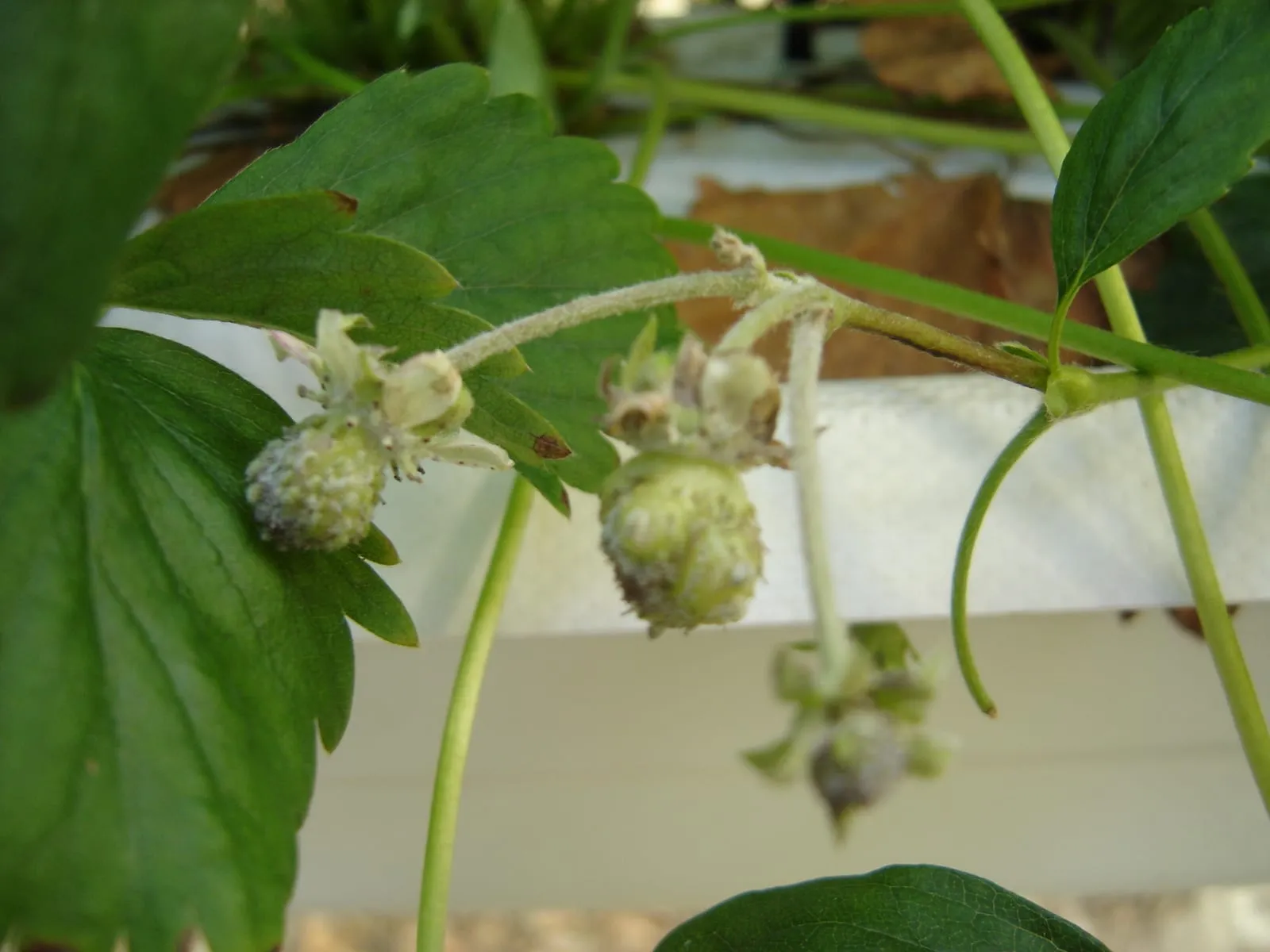
Podosphaera and Sphaerotheca species
Surface-feeding fungal disease producing white powdery growth on leaves and fruit, particularly damaging on gooseberries.
Modified care for zone 4a
First-year crowns should be mulched in early autumn with 3 to 4 inches of straw or wood chips over the root zone to buffer against freeze-thaw cycling. Established plants beyond year two typically overwinter without supplemental protection, though a modest mulch layer remains worthwhile at the cold end of zone 4a.
Gray Mold (Botrytis) pressure increases in the cool, humid summers common in zone 4a. Consistent pruning to open the canopy and improve airflow is the most practical countermeasure; avoiding overhead irrigation reduces foliar wetness further. Berry Powdery Mildew can appear during warm, dry stretches in midsummer; the same open-canopy pruning that reduces Botrytis exposure also limits mildew development.
Because the growing season is only 120 days, starting new transplants indoors 6 to 8 weeks before the last frost date and hardening off before outdoor planting improves first-year establishment and extends the productive window.
Frequently asked questions
- Can goji berry survive zone 4a winters?
Established goji berry plants (Lycium barbarum) tolerate temperatures down to approximately -25°F, which covers most of zone 4a. New crowns are less cold-hardy and benefit from 3 to 4 inches of mulch over the root zone through their first winter to prevent freeze-thaw heaving.
- When does goji berry ripen in zone 4a?
Harvest typically runs from late July through September, with peak production in August. Berries ripen gradually over several weeks rather than all at once, so plan for multiple picking passes rather than a single harvest.
- Which goji berry varieties are best suited to zone 4a?
Phoenix Tears and Crimson Star are both selected for cold-hardiness and perform reliably under zone 4a conditions. Avoid varieties bred primarily for mild-winter climates, as their dormancy depth and cold tolerance differ significantly.
- What diseases are most likely to appear on goji berry in zone 4a?
Gray Mold (Botrytis) is the more consistent threat in zone 4a's cooler, wetter summers. Powdery Mildew can appear during warm dry spells in midsummer. Both are managed primarily through pruning for airflow and avoiding overhead irrigation, rather than routine spray programs.
+−
+−
+−
+−
Goji Berry in adjacent zones
Image: "Lycium-barbarum-fruits", by Sten Porse, via Wikimedia Commons, licensed under CC-BY Source.

Related