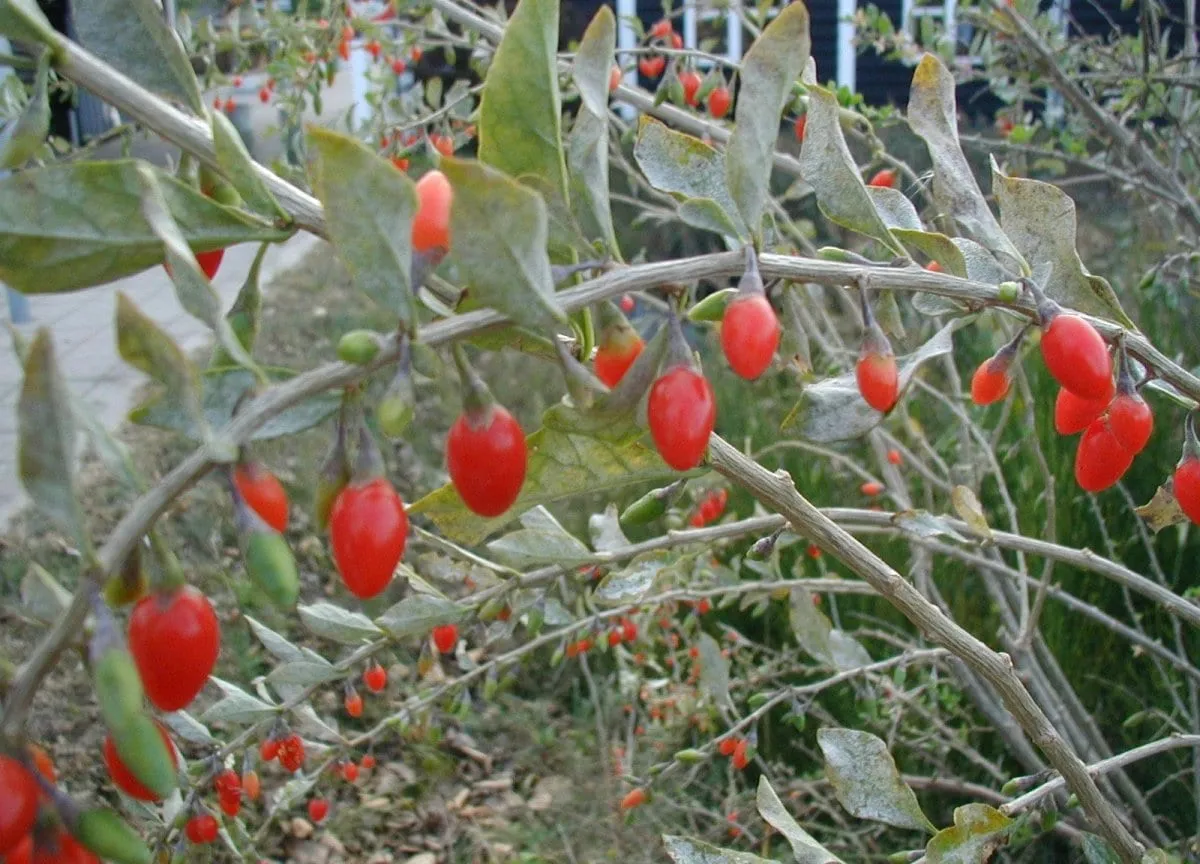
berry in zone 3b
Growing goji berry in zone 3b
Lycium barbarum
- Zone
- 3b -35°F to -30°F
- Growing season
- 100 days
- Suitable varieties
- 0
- Days to harvest
- 60 to 90
The verdict
Goji berry is cold-hardy enough to survive zone 3b winters, with established plants tolerating temperatures in the -30 to -35°F range. Cold hardiness is not the limiting factor here. The real constraint is the 100-day growing season. Goji berry requires a full season of warmth to set and ripen a meaningful fruit crop, and at 100 frost-free days, zone 3b sits at the lower edge of viability. Expect reduced yields compared to zone 5 or warmer plantings, and expect that late-ripening fruit may be caught by early fall frost in some years. This is a marginal zone for goji berry production, not a sweet spot. Growers in zone 3b who do succeed typically rely on microclimates with longer effective seasons than the zone average suggests. No varieties have been specifically identified as reliable for this zone, which reflects how limited the performance data is at this cold extreme.
Critical timing for zone 3b
In zone 3b, the last spring frost typically falls between late May and mid-June, depending on site and elevation. Goji berry leafs out quickly once temperatures stabilize but does not begin blooming until early-to-mid summer, which gives it some natural buffer against late frost damage to flower buds. Harvest in zone 3b is likely to fall in August and into September, with the window closing abruptly when the first fall frost arrives, often in late August or early September at the coldest sites. The arithmetic is tight: with roughly 100 frost-free days and a fruit development period that stretches 6 to 8 weeks from bloom to ripe berry, there is little room for a cool or late summer season without losing part of the crop to frost.
Common challenges in zone 3b
- ▸ Short season
- ▸ Winter desiccation
- ▸ Site selection critical for fruit trees
Disease pressure to watch for
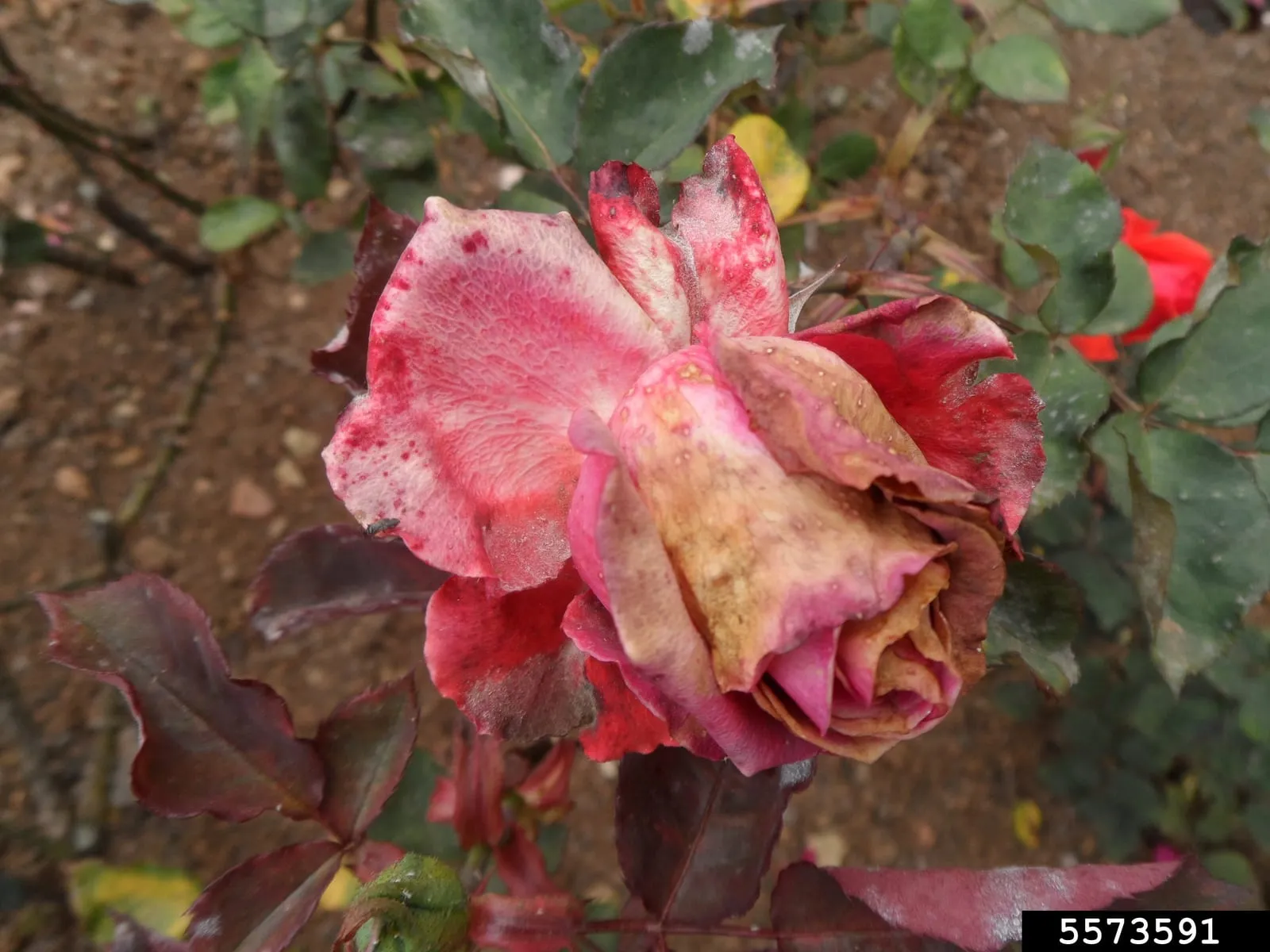
Botrytis cinerea
Ubiquitous fungal disease that causes fruit rot during cool wet weather, often the dominant berry disease in humid regions.
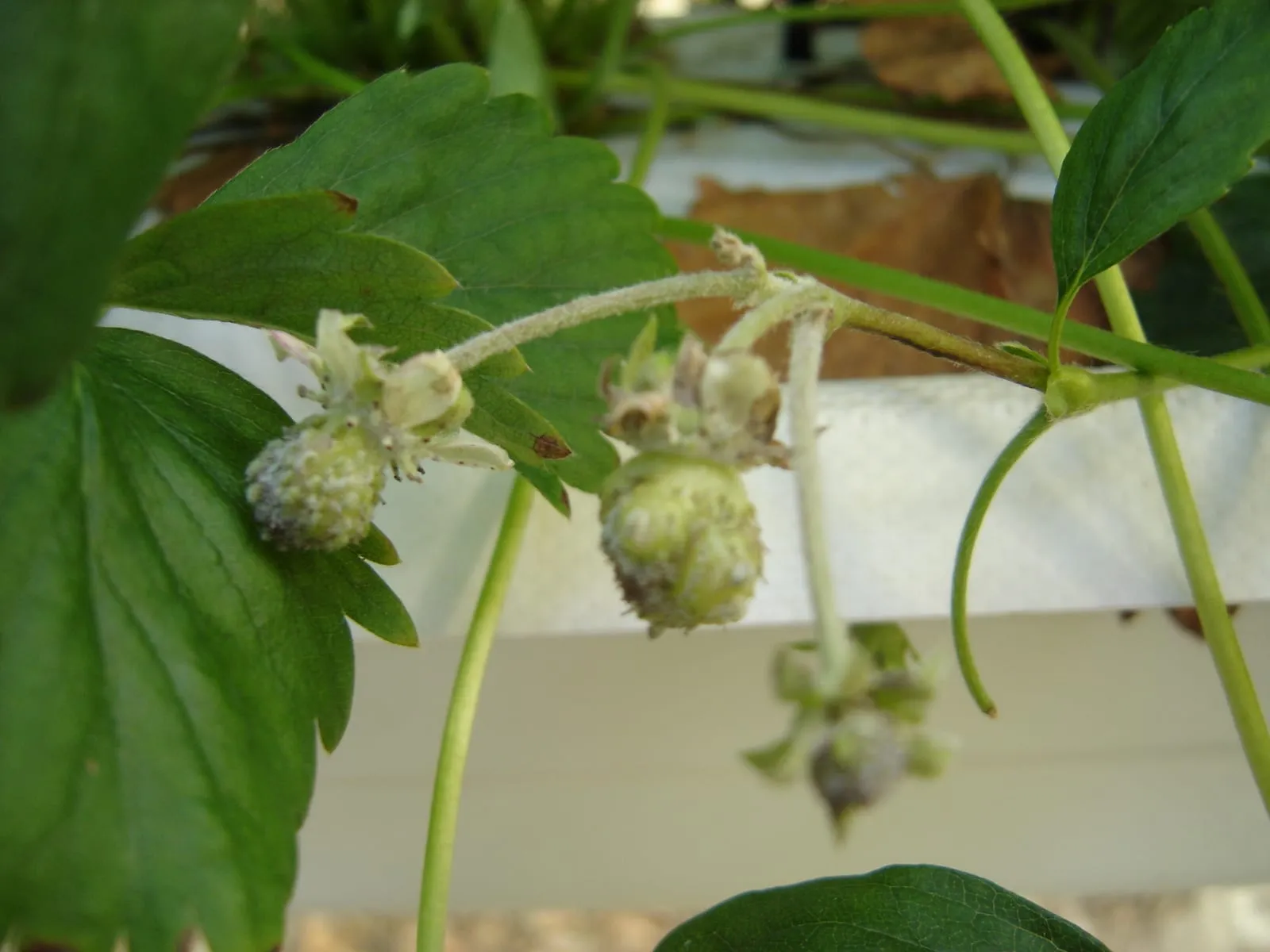
Podosphaera and Sphaerotheca species
Surface-feeding fungal disease producing white powdery growth on leaves and fruit, particularly damaging on gooseberries.
Modified care for zone 3b
Winter desiccation is the primary cultural challenge in zone 3b. Goji berry canes lose moisture rapidly in cold, dry winter winds even when the roots are dormant and healthy. Applying an anti-desiccant spray in late fall before the ground freezes, and wrapping young plants in burlap, reduces cane damage significantly. Mulch heavily around the root zone to delay soil freezing and moderate temperature swings. Site selection is critical: a south or southeast-facing slope, or a location with a windbreak to the north and west, extends the effective growing season and reduces desiccation risk.
Gray mold (Botrytis) is a persistent concern in short-season climates where cool, humid conditions linger into the fruiting period. Prune for open canopy structure to improve airflow, and avoid overhead irrigation. Powdery mildew pressure is lower than Botrytis in zone 3b but increases during dry spells with cool nights, so monitor accordingly once fruit begins to develop.
Frequently asked questions
- Can goji berry survive zone 3b winters?
Established plants can survive the cold itself, with hardiness ratings extending to around -35°F. The greater risk in zone 3b is winter desiccation, where dry winds strip moisture from canes even in deep dormancy. Anti-desiccant spray and windbreaks reduce this significantly.
- Will goji berry produce fruit reliably in zone 3b?
Reliable annual crops are not guaranteed in zone 3b. The 100-day growing season leaves little buffer for a late spring or early fall frost, either of which can cut the fruiting window short. Microclimates with longer effective seasons improve the odds considerably.
- When is goji berry harvest in zone 3b?
Expect ripe berries in August through early September. The harvest window can close abruptly if an early frost arrives, which is common at zone 3b sites by late August. Planting in a sheltered, south-facing location extends the window.
- What diseases are most concerning for goji berry in zone 3b?
Gray mold (Botrytis) is the primary concern, thriving in the cool, humid conditions typical of short-season northern climates. Maintaining good airflow through annual pruning is the most practical preventive measure. Powdery mildew is secondary but worth monitoring during dry stretches with cool nights.
+−
+−
+−
+−
Goji Berry in adjacent zones
Image: "Lycium-barbarum-fruits", by Sten Porse, via Wikimedia Commons, licensed under CC-BY Source.

Related