berry in zone 5a
Growing goji berry in zone 5a
Lycium barbarum
- Zone
- 5a -20°F to -15°F
- Growing season
- 150 days
- Suitable varieties
- 3
- Days to harvest
- 60 to 90
The verdict
Goji berry (Lycium barbarum) is well-matched to zone 5a. This is a sweet spot for the crop, not a marginal zone. The plant's cold hardiness extends to approximately -20°F, which corresponds directly to zone 5a's minimum temperature floor. Unlike many fruiting shrubs, goji tolerates and benefits from hard winters, which satisfy dormancy requirements without the cold injury risk that limits less hardy crops.
The 150-day growing season in zone 5a is sufficient for reliable fruiting. Goji berries begin producing within two to three years of planting and, once established, carry through the full zone 5a season without difficulty. Varieties suited to this zone include Phoenix Tears, Crimson Star, and Sweet Lifeberry, all of which handle the cold hardiness requirements without issue.
The main limiting factor in zone 5a is not cold tolerance but the combination of late spring frosts intersecting with early growth flushes and the humid-continental disease pressures that follow.
Recommended varieties for zone 5a
3 cultivars suited to this zone, with disease-resistance and zone-fit annotations.
| Variety | Notes | Zone fit | Disease resistance |
|---|---|---|---|
| Phoenix Tears fits zone 5a | Sweet, mildly tart, complex herbal-tomato flavor; fresh (small handful), dried, tea, smoothies. Selected for high yields and large bright-red fruit. Productive in second year. | | none noted |
| Crimson Star fits zone 5a | Sweet, slightly herbal, juicy; fresh and dried. Larger fruit than seedling stock, productive selection adapted for North American conditions. | | none noted |
| Sweet Lifeberry fits zone 5a | Mildly sweet, less herbal than wild stock; fresh and dried. Heat- and drought-tolerant, productive cultivar good for southern and western gardens. | | none noted |
Critical timing for zone 5a
In zone 5a, goji berry typically leafs out in mid-April and enters bloom from late May through June. This bloom window overlaps with the zone's late spring frost risk, which can reduce flower set in years with cold May nights. Established plants recover readily from minor frost events, but plants in their first or second leaf may experience more significant setback and delayed fruiting.
Harvest in zone 5a generally runs from mid-July through September in multiple flushes rather than a single concentrated peak. The 150-day season allows for two to three productive flush cycles in a favorable year. Berries should be harvested promptly at ripeness; fruit left on the cane becomes vulnerable to Gray Mold (Botrytis) as fall temperatures drop and overnight humidity rises.
Common challenges in zone 5a
- ▸ Fire blight in pears
- ▸ Cedar-apple rust
- ▸ Late spring frosts
Disease pressure to watch for
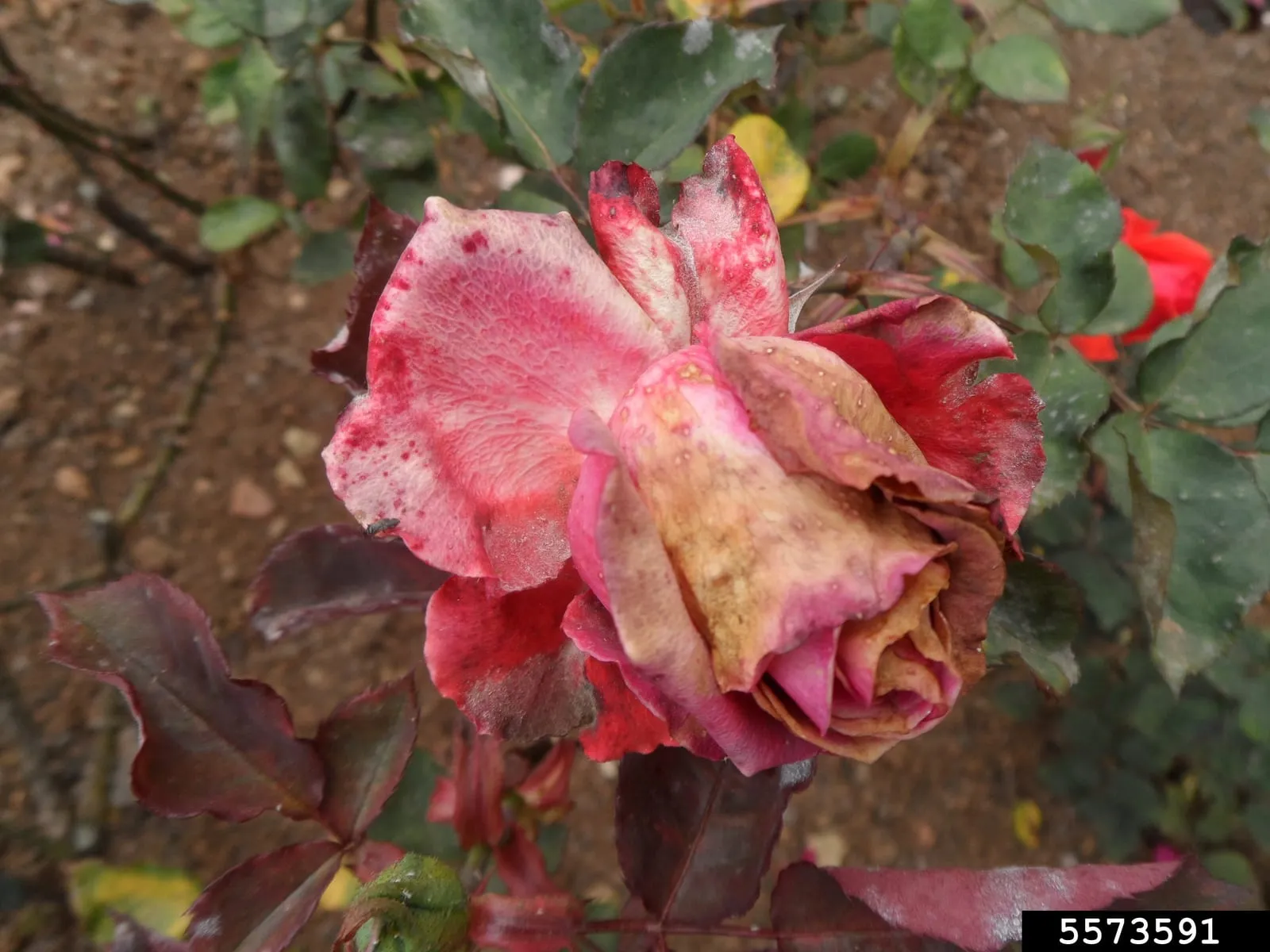
Botrytis cinerea
Ubiquitous fungal disease that causes fruit rot during cool wet weather, often the dominant berry disease in humid regions.
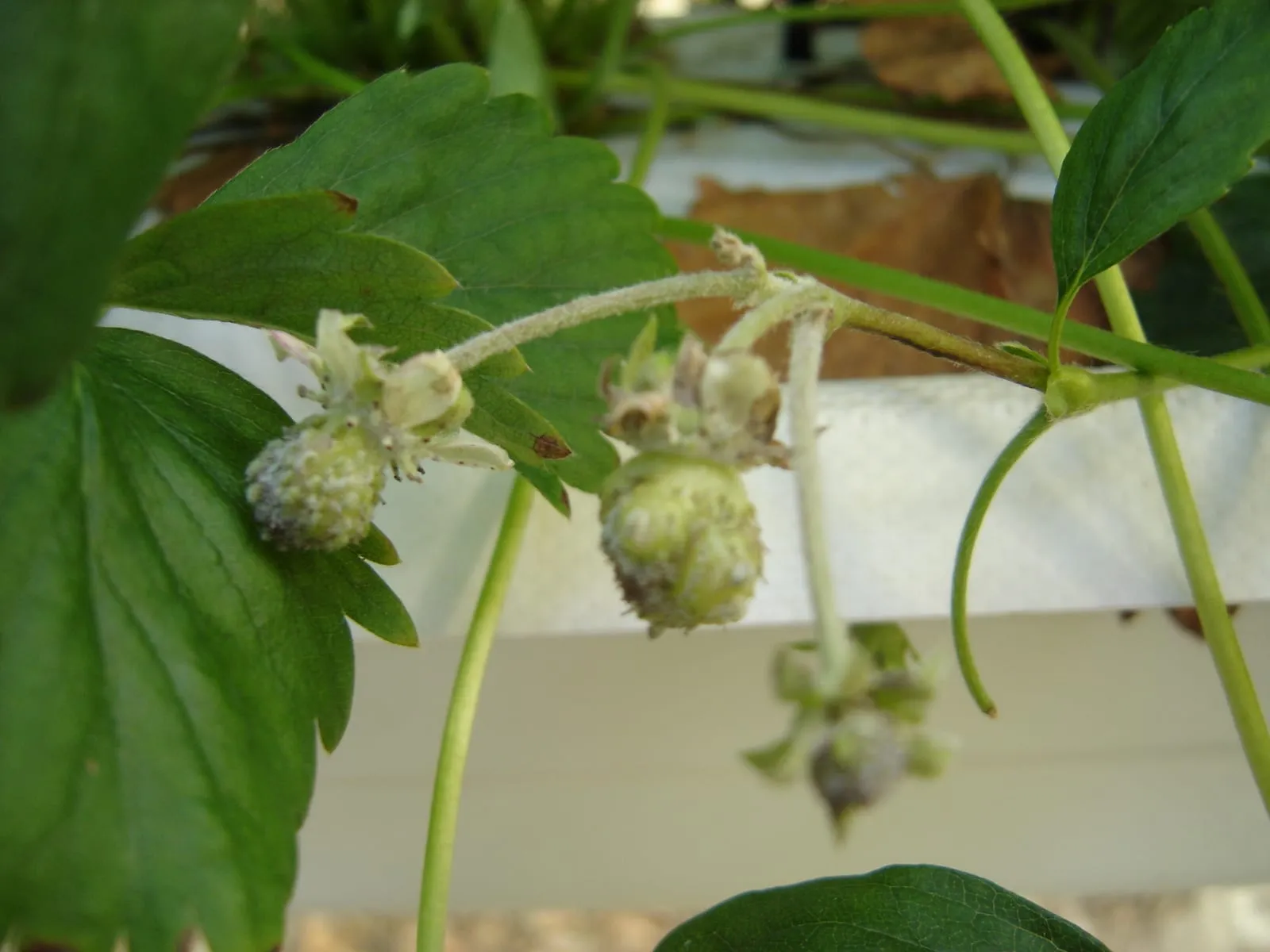
Podosphaera and Sphaerotheca species
Surface-feeding fungal disease producing white powdery growth on leaves and fruit, particularly damaging on gooseberries.
Modified care for zone 5a
The primary disease concerns in zone 5a are Gray Mold (Botrytis) and Berry Powdery Mildew. Botrytis pressure intensifies in late summer and early fall when nights cool and morning dew persists longer. Thinning cane density and maintaining air circulation through the canopy are the most effective preventive measures; dense, unpruned plants are substantially more vulnerable. Remove any mummified fruit promptly rather than leaving it on the cane.
Berry Powdery Mildew tends to develop during warm days with cool nights, which describes much of zone 5a's late spring and early fall. Sulfur-based treatments are effective but should not be applied when temperatures are above 90°F.
Winter protection is generally unnecessary for established goji in zone 5a given cold hardiness to -20°F. New transplants in their first winter benefit from a light mulch layer over the root zone to moderate soil temperature swings during freeze-thaw cycles.
Goji Berry in adjacent zones
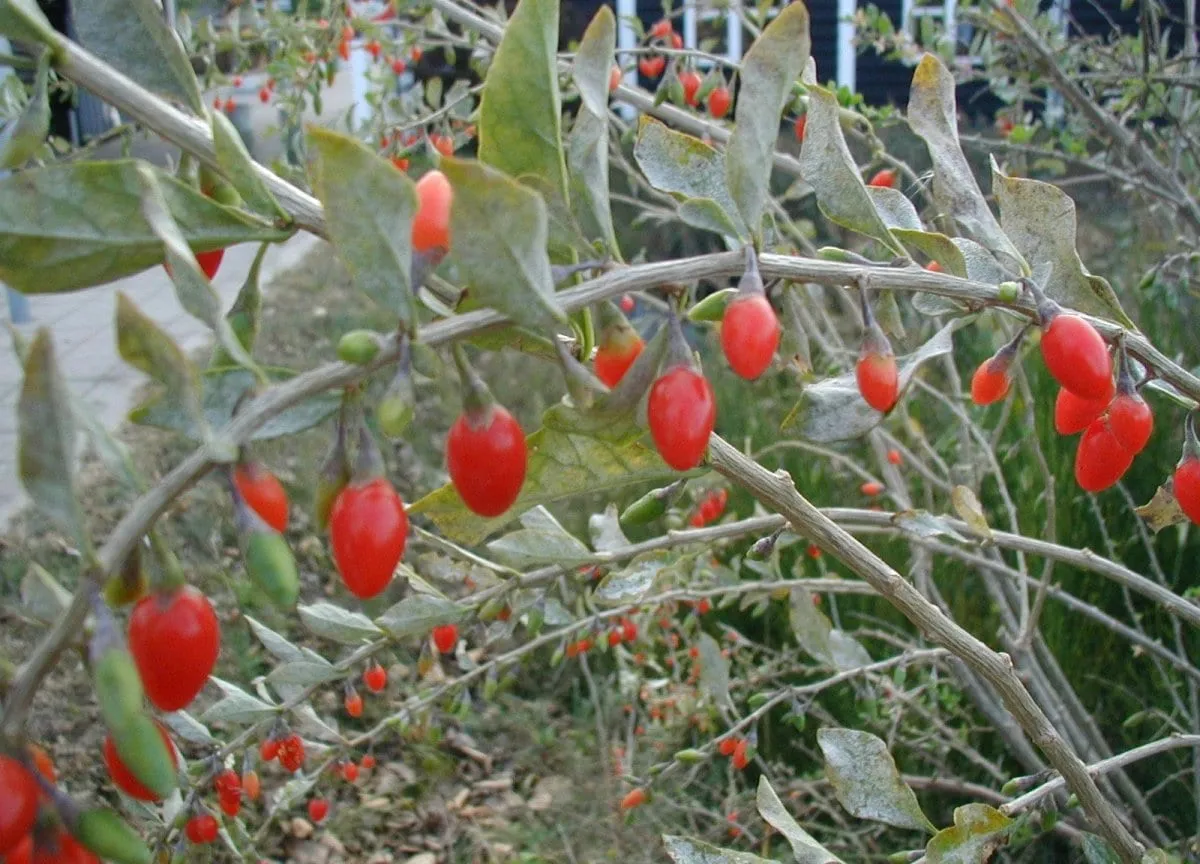
Image: "Lycium-barbarum-fruits", by Sten Porse, via Wikimedia Commons, licensed under CC-BY Source.

Related