berry in zone 5b
Growing goji berry in zone 5b
Lycium barbarum
- Zone
- 5b -15°F to -10°F
- Growing season
- 165 days
- Suitable varieties
- 3
- Days to harvest
- 60 to 90
The verdict
Goji berry is well-suited to zone 5b, placing it firmly in a sweet spot rather than at the edge of its range. The species (Lycium barbarum) tolerates temperatures to -15°F or colder, aligning directly with zone 5b's winter lows of -15 to -10°F. Established plants in this zone rarely suffer winter dieback.
Unlike stone fruits, goji does not require a precise chill-hour threshold for reliable fruiting. It needs a defined dormancy period, which zone 5b consistently and thoroughly delivers. The 165-day growing season provides adequate time for berry development from bloom through full maturity. Phoenix Tears, Crimson Star, and Sweet Lifeberry have all been selected in part for cold-climate adaptability, giving zone 5b growers several proven options without relying on varieties bred for milder climates. The primary risk is not winter damage to established plants but ensuring adequate root development before the first hard freeze of the planting year.
Recommended varieties for zone 5b
3 cultivars suited to this zone, with disease-resistance and zone-fit annotations.
| Variety | Notes | Zone fit | Disease resistance |
|---|---|---|---|
| Phoenix Tears fits zone 5b | Sweet, mildly tart, complex herbal-tomato flavor; fresh (small handful), dried, tea, smoothies. Selected for high yields and large bright-red fruit. Productive in second year. | | none noted |
| Crimson Star fits zone 5b | Sweet, slightly herbal, juicy; fresh and dried. Larger fruit than seedling stock, productive selection adapted for North American conditions. | | none noted |
| Sweet Lifeberry fits zone 5b | Mildly sweet, less herbal than wild stock; fresh and dried. Heat- and drought-tolerant, productive cultivar good for southern and western gardens. | | none noted |
Critical timing for zone 5b
In zone 5b, goji berry breaks dormancy and begins leafing out in mid-April. Bloom occurs in waves from late May through July, an unusually extended window compared to most fruiting shrubs. Zone 5b last spring frosts typically fall between May 1 and May 15, meaning the earliest bloom flushes can intersect with a late freeze event. The multi-week bloom period distributes that risk, however, reducing the chance of total crop loss from a single frost.
Harvest runs from late August through mid-October. The 165-day season provides sufficient time for berries to reach full maturity before fall frosts arrive. Ripening is staggered across individual branches, so a productive planting rewards multiple passes rather than a single concentrated harvest date.
Common challenges in zone 5b
- ▸ Plum curculio
- ▸ Codling moth
- ▸ Cedar-apple rust
Disease pressure to watch for
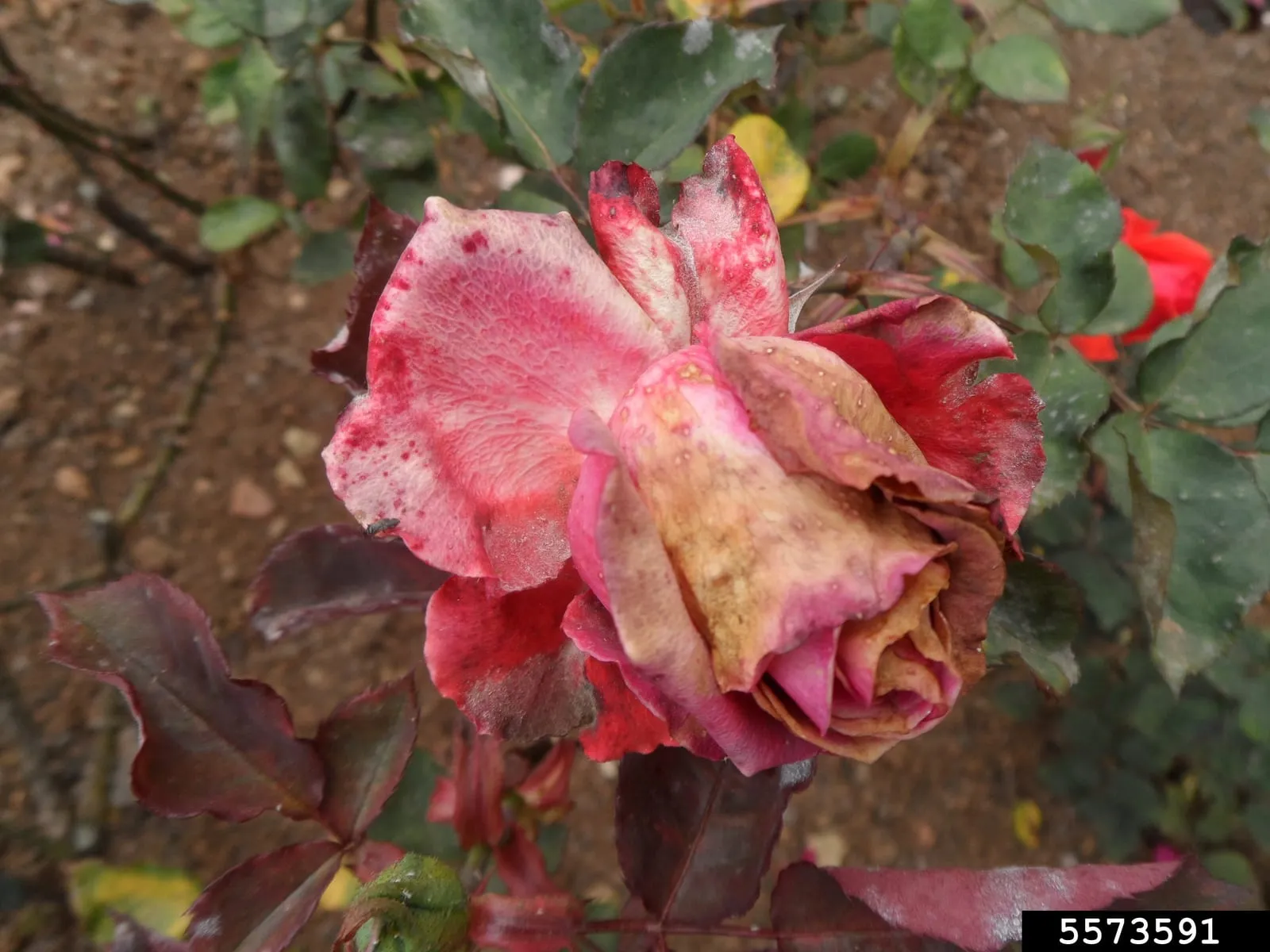
Botrytis cinerea
Ubiquitous fungal disease that causes fruit rot during cool wet weather, often the dominant berry disease in humid regions.
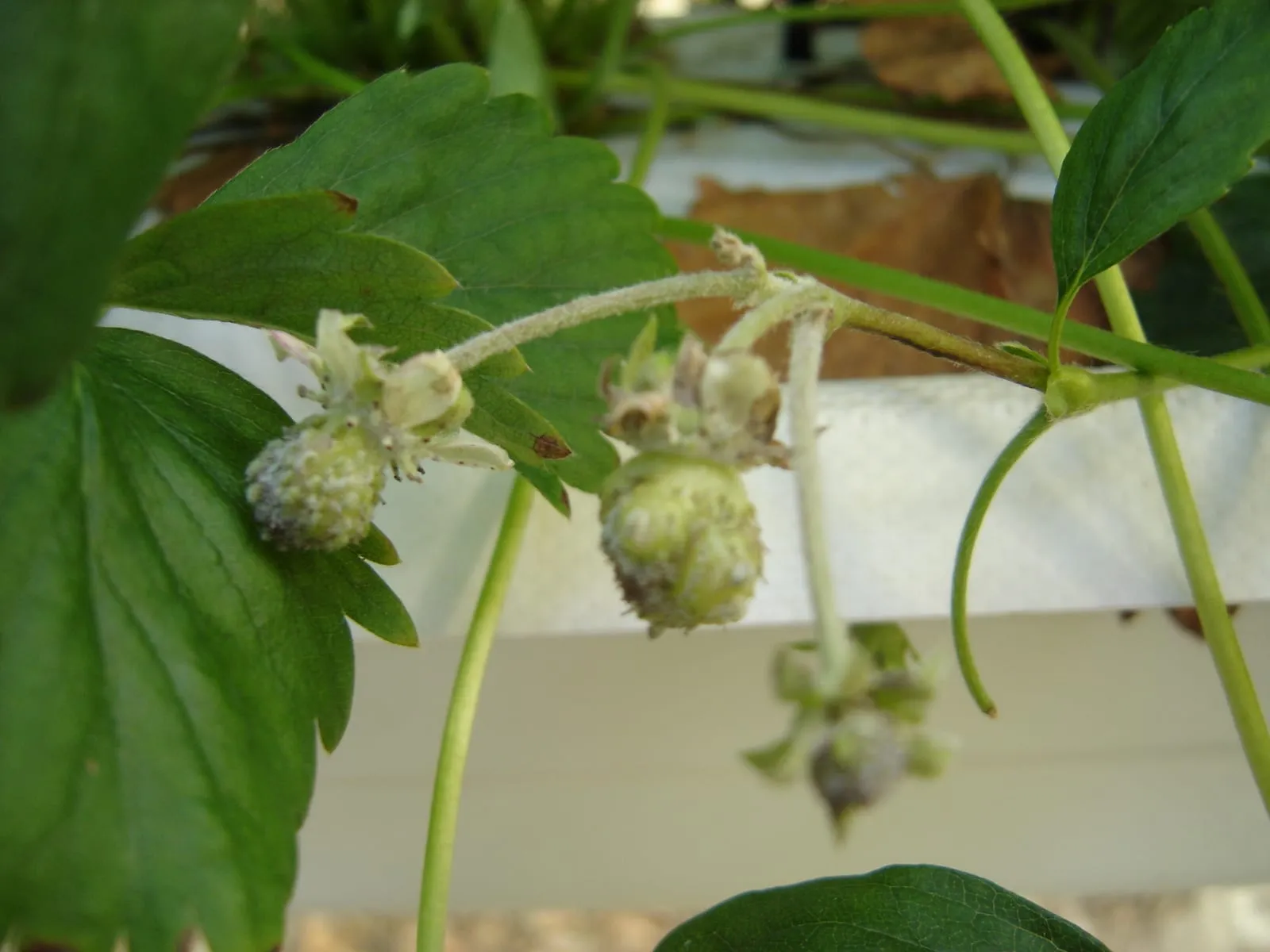
Podosphaera and Sphaerotheca species
Surface-feeding fungal disease producing white powdery growth on leaves and fruit, particularly damaging on gooseberries.
Modified care for zone 5b
Site selection and first-year establishment are the highest priorities for zone 5b. Plant in full sun with good air circulation to reduce the humidity-related disease pressure from Gray Mold (Botrytis) and Berry Powdery Mildew, both more problematic in cool, damp growing seasons. Young plants benefit from a 3 to 4 inch mulch layer through the first two winters while root systems are still consolidating. Once established (year two onward), gojis rarely need supplemental winter protection in zone 5b.
The most relevant pest pressure during berry development comes from plum curculio and codling moth. Insecticide applications timed to adult emergence, roughly coinciding with black locust bloom in spring, can reduce fruit damage without a heavy spray program. Cedar-apple rust appears in the zone's general challenge list but is not a primary concern for goji specifically.
Goji Berry in adjacent zones
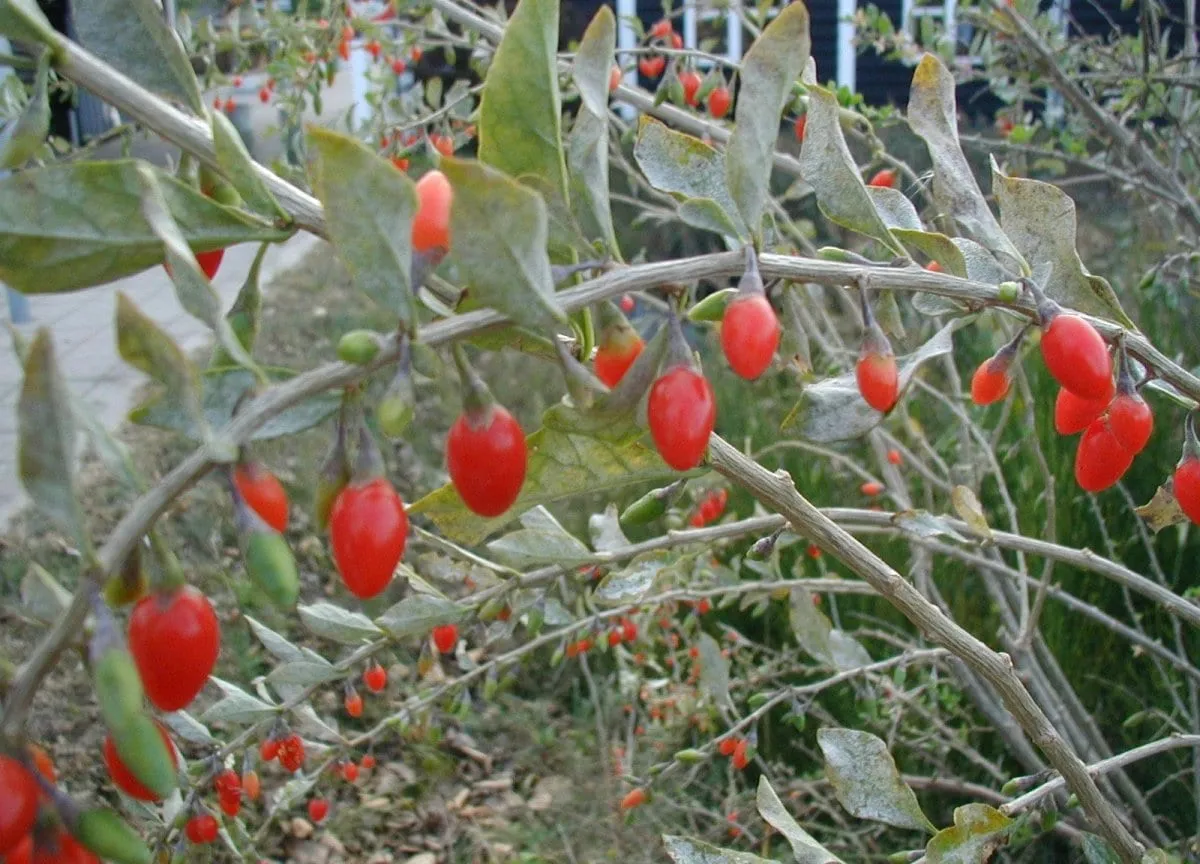
Image: "Lycium-barbarum-fruits", by Sten Porse, via Wikimedia Commons, licensed under CC-BY Source.

Related