berry in zone 6a
Growing goji berry in zone 6a
Lycium barbarum
- Zone
- 6a -10°F to -5°F
- Growing season
- 180 days
- Suitable varieties
- 3
- Days to harvest
- 60 to 90
The verdict
Zone 6a is a reliable fit for goji berry, not a marginal one. Lycium barbarum is cold hardy to zone 5 (-20°F), so winter lows in the -10 to -5°F range pose no meaningful threat to established plants. The 180-day growing season comfortably accommodates the crop's full bloom-to-harvest arc.
Goji berry does not carry demanding chill-hour requirements the way stone fruit or high-chill apples do. Most cultivars accumulate sufficient dormancy hours during a typical zone 6a winter without any concern about under- or over-chilling. Among the varieties suited to this zone, Phoenix Tears and Sweet Lifeberry have demonstrated solid performance across similar continental climates; Crimson Star is the most compact option where space is limited.
The main risks in zone 6a are biological rather than climatic: Japanese beetle pressure during peak summer, and fungal disease load in wet years. Neither is a dealbreaker, but both require attention.
Recommended varieties for zone 6a
3 cultivars suited to this zone, with disease-resistance and zone-fit annotations.
| Variety | Notes | Zone fit | Disease resistance |
|---|---|---|---|
| Phoenix Tears fits zone 6a | Sweet, mildly tart, complex herbal-tomato flavor; fresh (small handful), dried, tea, smoothies. Selected for high yields and large bright-red fruit. Productive in second year. | | none noted |
| Crimson Star fits zone 6a | Sweet, slightly herbal, juicy; fresh and dried. Larger fruit than seedling stock, productive selection adapted for North American conditions. | | none noted |
| Sweet Lifeberry fits zone 6a | Mildly sweet, less herbal than wild stock; fresh and dried. Heat- and drought-tolerant, productive cultivar good for southern and western gardens. | | none noted |
Critical timing for zone 6a
Goji berry breaks dormancy in mid-spring and begins flowering in late May through June in zone 6a, well after the region's typical last frost window. Unlike peaches, which are noted for frost-sensitive bud break in this zone, goji bloom timing is rarely threatened by late cold snaps.
Fruits set over an extended window, with the main harvest running from mid-August through October. The indeterminate fruiting habit means ripe berries and new flowers can coexist on the same plant through much of summer. First fall frost in zone 6a typically arrives in mid-October, which is late enough to allow most of the fruit load to ripen before hard cold shuts down the season. In years with an early frost, outer canes may lose some late-set berries.
Common challenges in zone 6a
- ▸ Brown rot in stone fruit
- ▸ Japanese beetles
- ▸ Spring frost damage to peach buds
Disease pressure to watch for
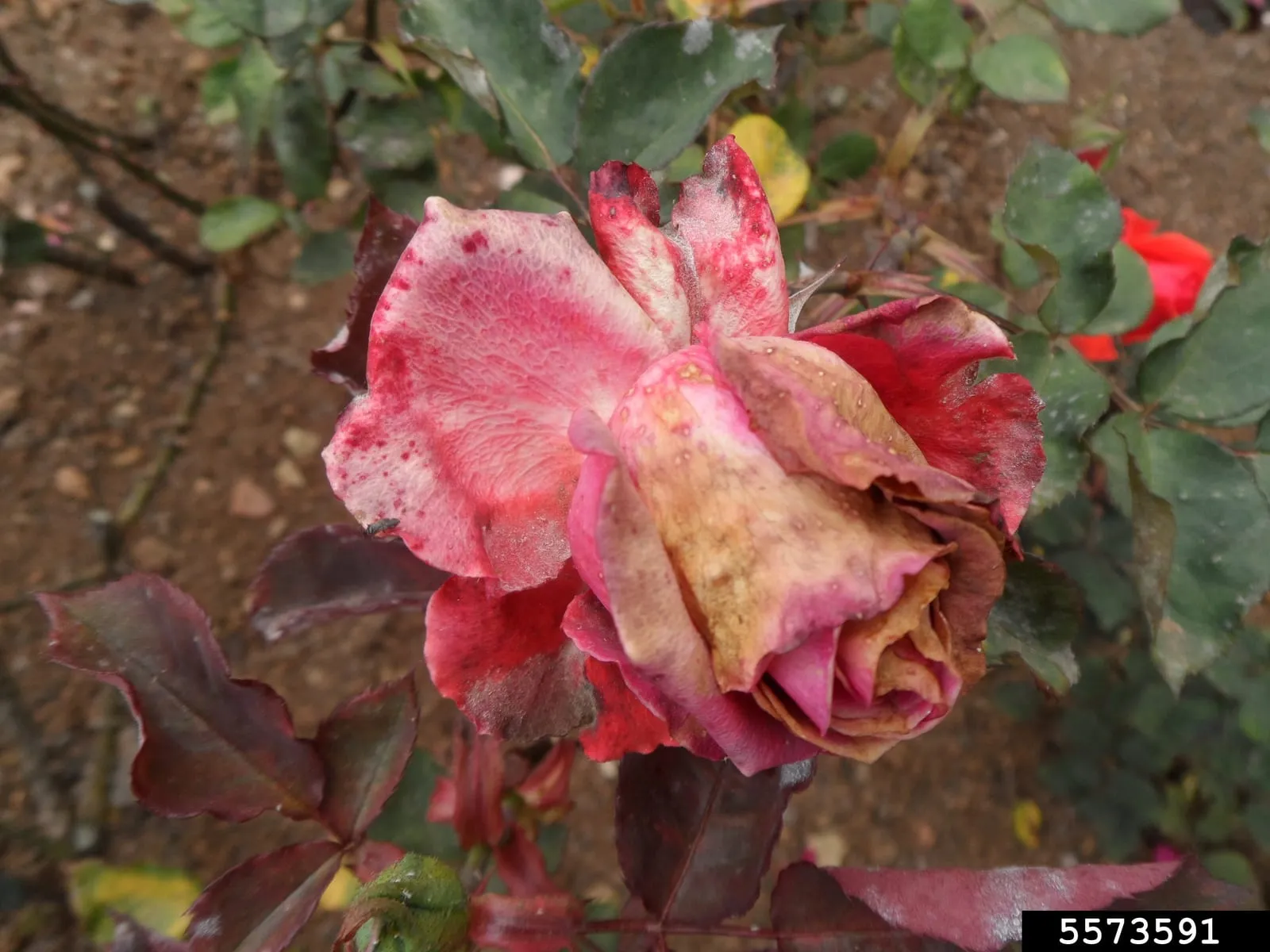
Botrytis cinerea
Ubiquitous fungal disease that causes fruit rot during cool wet weather, often the dominant berry disease in humid regions.
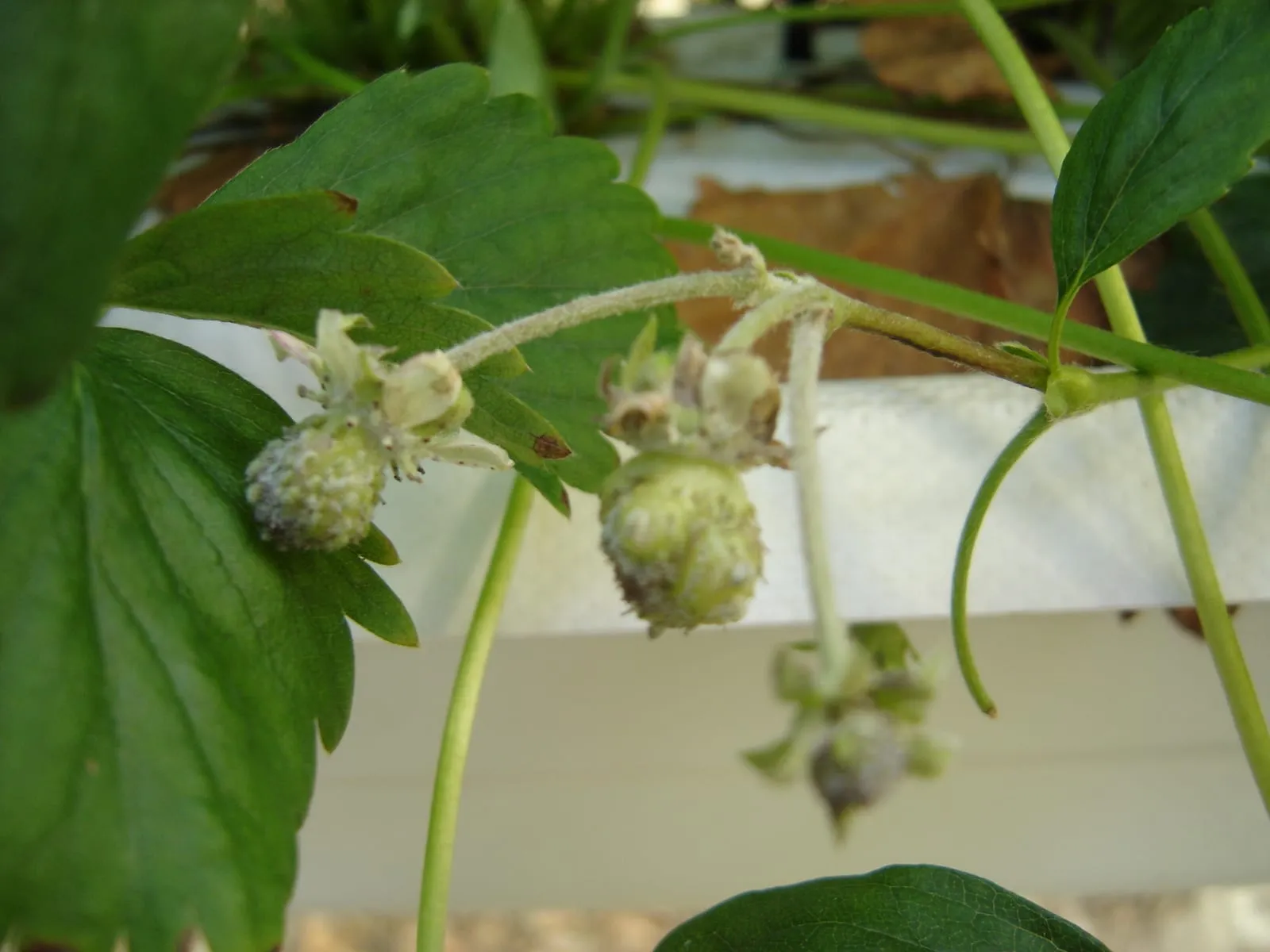
Podosphaera and Sphaerotheca species
Surface-feeding fungal disease producing white powdery growth on leaves and fruit, particularly damaging on gooseberries.
Modified care for zone 6a
The primary adjustments in zone 6a center on pest and disease management rather than cold protection. Japanese beetle feeding can defoliate young plants quickly during July and August; row cover during peak beetle emergence or early-morning hand removal are the lowest-input responses. Systemic insecticides are effective but carry pollinator risk during the plant's long bloom period.
Gray mold (Botrytis) and berry powdery mildew both intensify in humid summers typical of zone 6a's eastern and central range. Pruning for open canopy structure is the most effective preventive measure, improving airflow and reducing the wet-leaf periods that both pathogens require. Overhead irrigation should be avoided in favor of drip or soaker lines. Fungicide applications are rarely needed in well-pruned plantings but may be warranted after prolonged rain during harvest.
Frequently asked questions
- Is zone 6a too cold for goji berry?
No. Goji berry (Lycium barbarum) is cold hardy to zone 5, tolerating winter lows around -20°F. Zone 6a's minimum range of -10 to -5°F presents no threat to established plants, and first-year plants benefit from a light mulch layer until roots are well established.
- When do goji berries ripen in zone 6a?
The main harvest window runs mid-August through October in zone 6a. Because goji sets fruit over an extended period, ripe berries can be picked in multiple passes rather than a single concentrated harvest.
- Which goji berry varieties perform well in zone 6a?
Phoenix Tears, Crimson Star, and Sweet Lifeberry are all suited to zone 6a conditions. Crimson Star is the most compact of the three, useful in smaller planting spaces. All three handle zone 6a winters without supplemental protection once established.
- How serious is Japanese beetle pressure on goji berry in zone 6a?
Japanese beetles can cause significant defoliation on young goji plants in July and August. Mature, well-established plants typically recover without lasting harm, but protection during the first two seasons is worth the effort. Row cover during peak beetle emergence is the most effective non-chemical option.
+−
+−
+−
+−
Goji Berry in adjacent zones
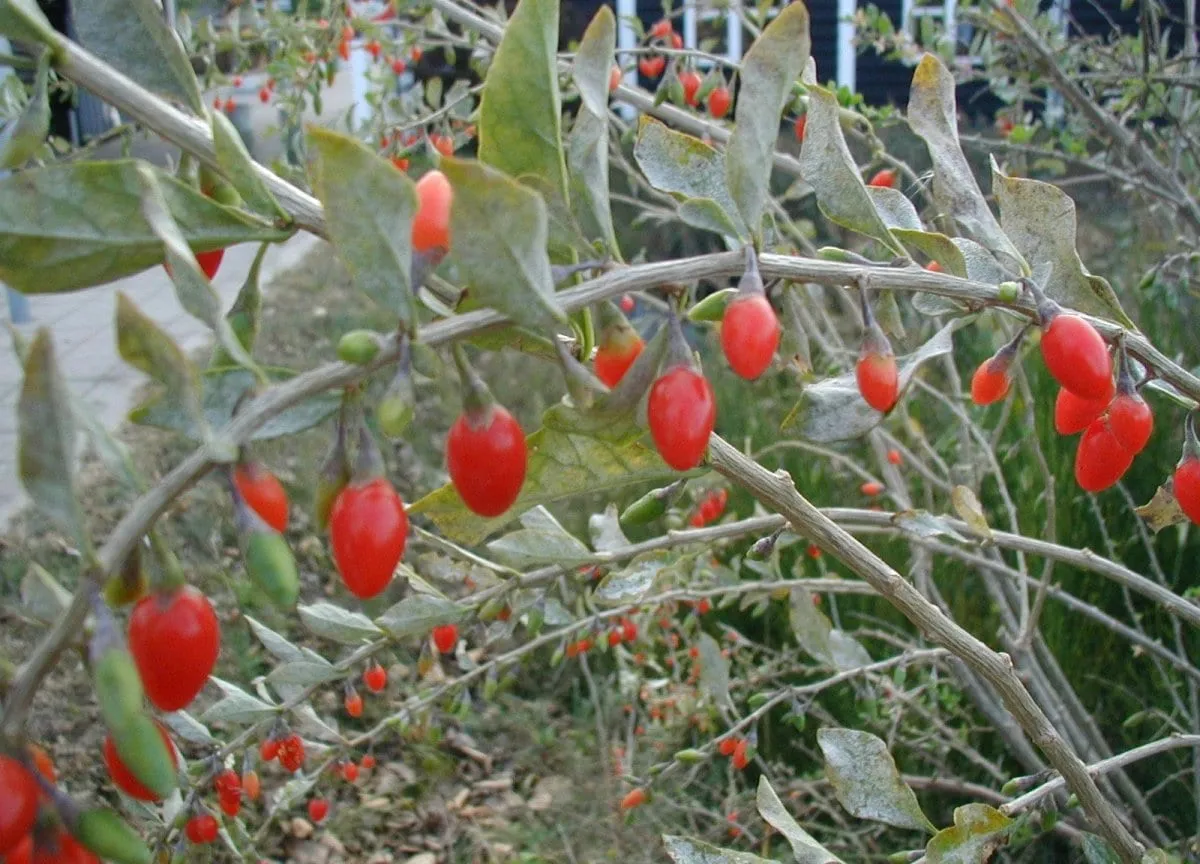
Image: "Lycium-barbarum-fruits", by Sten Porse, via Wikimedia Commons, licensed under CC-BY Source.

Related