berry in zone 6b
Growing goji berry in zone 6b
Lycium barbarum
- Zone
- 6b -5°F to 0°F
- Growing season
- 190 days
- Suitable varieties
- 3
- Days to harvest
- 60 to 90
The verdict
Goji berry is cold-hardy to roughly zone 5 (minimum temperatures around -20°F), which means zone 6b's winter range of -5°F to 0°F falls comfortably within its tolerance. This is not a marginal zone for the crop; it sits well inside the reliable producing range. Unlike stone fruits, goji does not carry a fixed chill-hour requirement that constrains its distribution. The 190-day growing season in zone 6b provides ample time for fruit set and maturation, which typically requires 60 to 90 days from bloom to harvest depending on variety.
Among the varieties suited to zone 6b, Phoenix Tears and Crimson Star have performed consistently in mid-Atlantic and similar continental climates. Sweet Lifeberry, bred partly for cold tolerance, handles zone 6b winters without issue. The main concern in this zone is not cold injury but summer humidity, which elevates disease pressure. Overall, zone 6b growers should expect reliable, repeatable production without the heat stress risks that surface in zones 8 and above.
Recommended varieties for zone 6b
3 cultivars suited to this zone, with disease-resistance and zone-fit annotations.
| Variety | Notes | Zone fit | Disease resistance |
|---|---|---|---|
| Phoenix Tears fits zone 6b | Sweet, mildly tart, complex herbal-tomato flavor; fresh (small handful), dried, tea, smoothies. Selected for high yields and large bright-red fruit. Productive in second year. | | none noted |
| Crimson Star fits zone 6b | Sweet, slightly herbal, juicy; fresh and dried. Larger fruit than seedling stock, productive selection adapted for North American conditions. | | none noted |
| Sweet Lifeberry fits zone 6b | Mildly sweet, less herbal than wild stock; fresh and dried. Heat- and drought-tolerant, productive cultivar good for southern and western gardens. | | none noted |
Critical timing for zone 6b
In zone 6b, goji berry breaks dormancy and begins leafing out in early to mid-April, with bloom following in late April through June depending on variety and site microclimate. The zone's average last spring frost typically falls between mid-April and early May, which creates some overlap with early bloom on warm-facing sites. Established canes tolerate light frost without significant damage, but a hard freeze during open bloom can reduce fruit set in that season.
Harvest in zone 6b generally begins in July and extends through September, with peak production in August for most varieties. The first fall frost in zone 6b typically arrives in mid-October, well after the main harvest window closes, so fruit loss to early frost is uncommon in normal years. The long harvest window rewards frequent picking rather than a single mass harvest.
Common challenges in zone 6b
- ▸ Cedar-apple rust
- ▸ Fire blight
- ▸ Stink bugs
Disease pressure to watch for
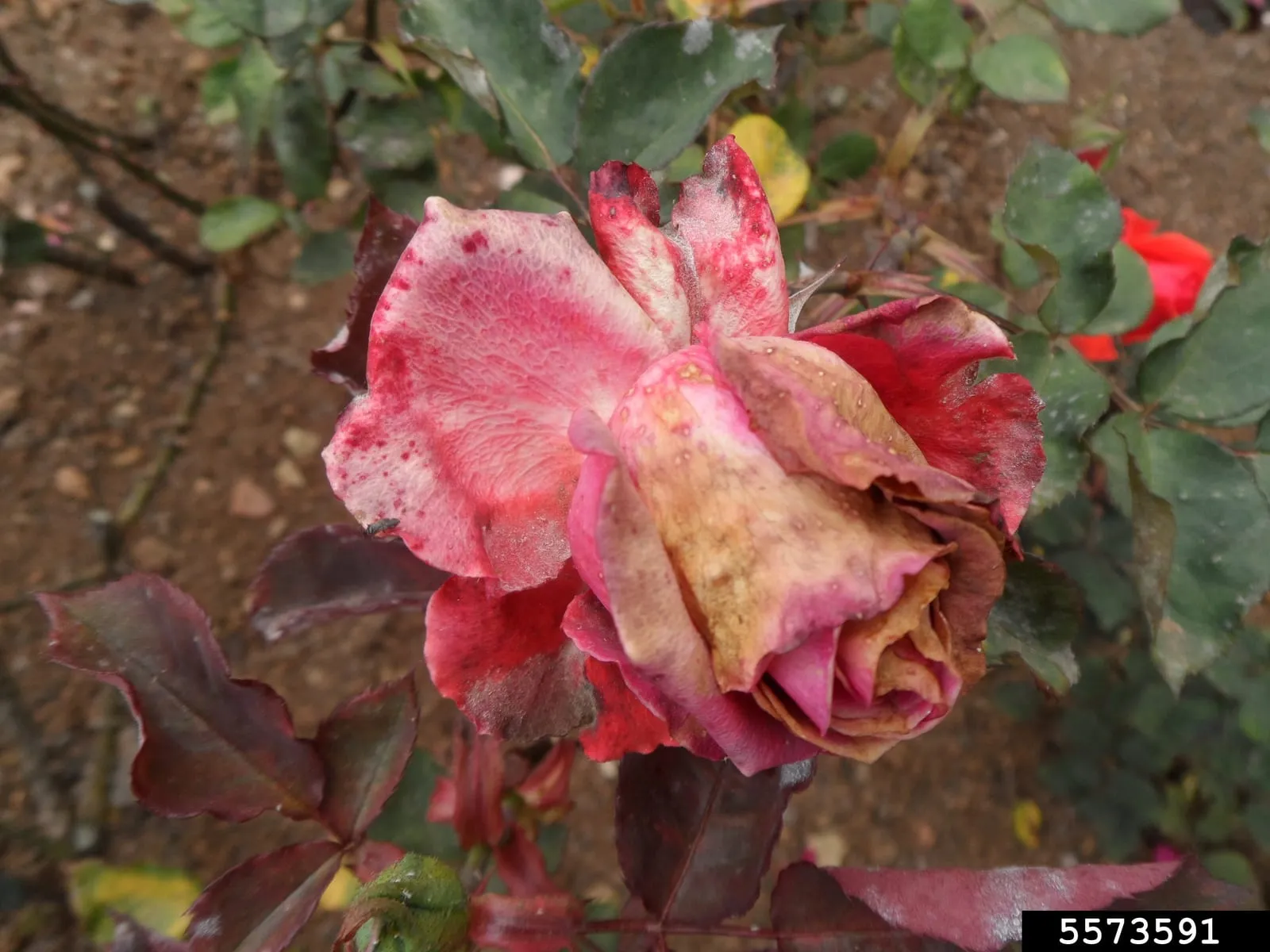
Botrytis cinerea
Ubiquitous fungal disease that causes fruit rot during cool wet weather, often the dominant berry disease in humid regions.
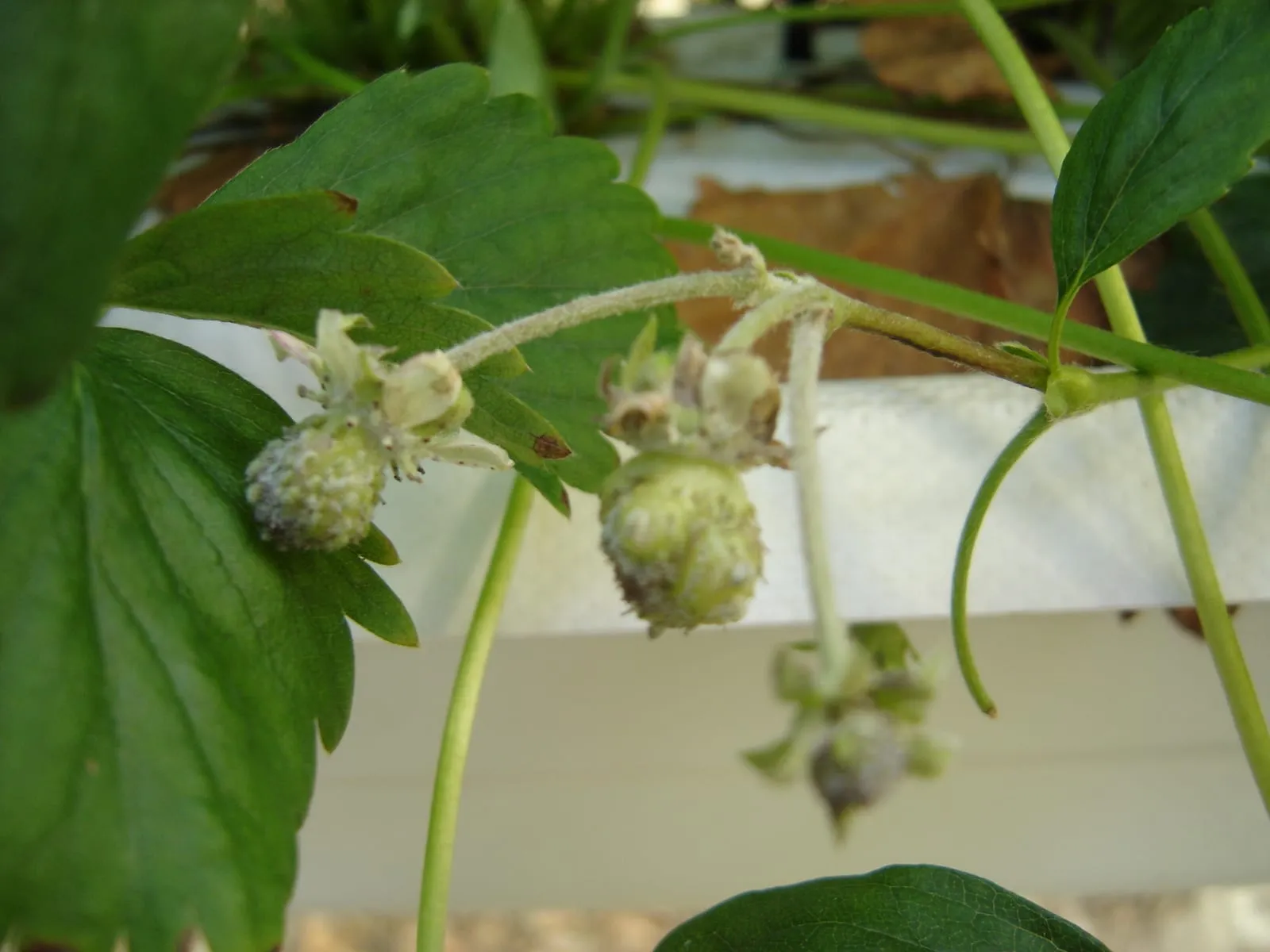
Podosphaera and Sphaerotheca species
Surface-feeding fungal disease producing white powdery growth on leaves and fruit, particularly damaging on gooseberries.
Modified care for zone 6b
Zone 6b's humid summers elevate pressure from Gray Mold (Botrytis cinerea), which targets berries during wet fruiting periods. Consistent pruning to open the canopy reduces infection risk more reliably than reactive fungicide applications. Berry powdery mildew becomes active during the hot, humid spells common in zone 6b late summers; spacing plants generously at planting avoids the need to work around crowded established canes later.
Stink bugs are a real yield threat during the harvest window in zone 6b. Physical exclusion netting over fruiting canes is the most effective control where stink bug pressure is heavy. In colder microclimates within zone 6b, new plantings may die back to the crown in the first winter; applying 3 to 4 inches of wood chip mulch over the root zone before freeze-up supports root survival and faster spring recovery.
Goji Berry in adjacent zones
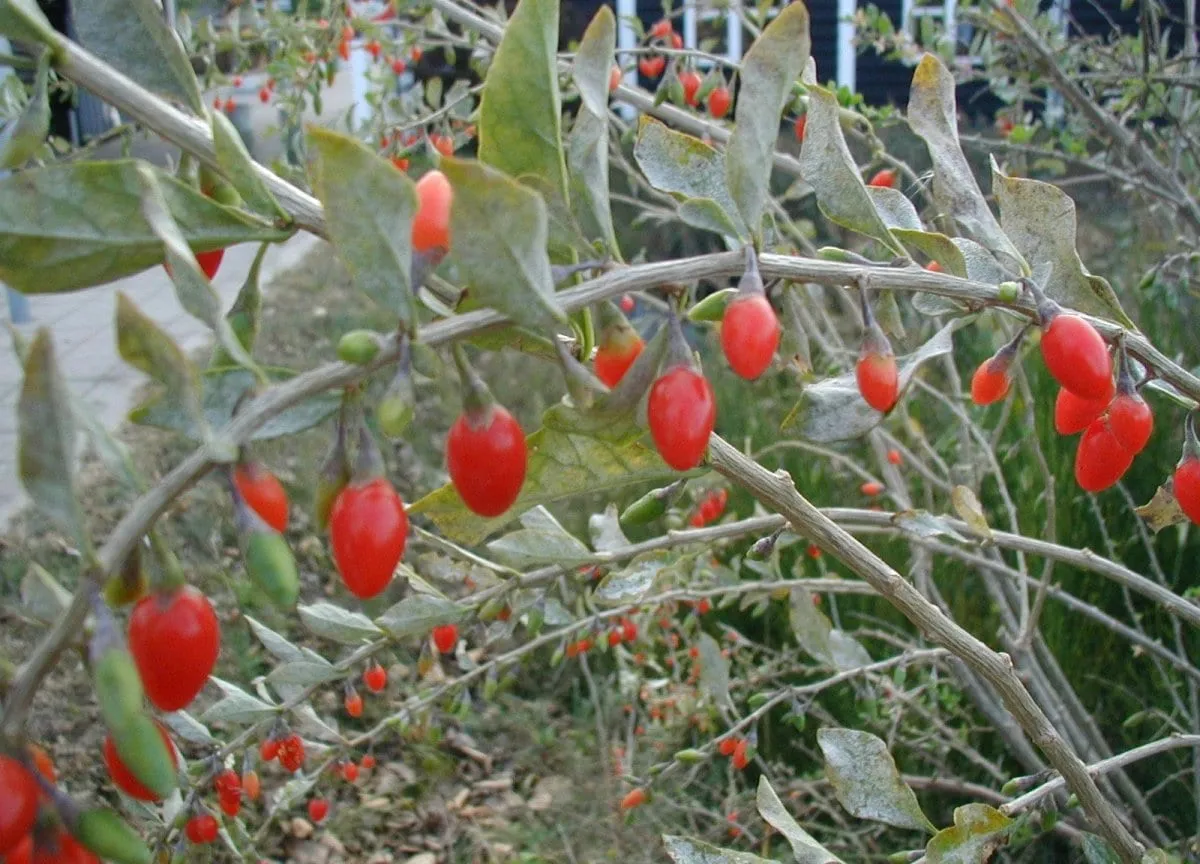
Image: "Lycium-barbarum-fruits", by Sten Porse, via Wikimedia Commons, licensed under CC-BY Source.

Related