berry in zone 7a
Growing goji berry in zone 7a
Lycium barbarum
- Zone
- 7a 0°F to 5°F
- Growing season
- 210 days
- Suitable varieties
- 3
- Days to harvest
- 60 to 90
The verdict
Zone 7a sits comfortably within goji berry's established range. The winter minimum of 0 to 5°F presents no hardiness concern; Lycium barbarum tolerates temperatures well below -10°F, making overwintering a non-issue for established plants. The 210-day growing season is more than adequate for multiple fruiting flushes before first fall frost.
Chill-hour requirements for goji are less precisely documented than for stone fruits, but published estimates generally fall between 600 and 1,500 hours depending on ecotype. Zone 7a typically accumulates chilling in that range across winter, making dormancy break reliable in most years. Phoenix Tears, Crimson Star, and Sweet Lifeberry are all varieties documented as performing in similar humid-temperate climates.
The real constraint in zone 7a is not cold or heat but humidity. Gray mold and powdery mildew become significant management challenges during warm, wet springs and humid summers. Growers who plan around airflow and timely disease interventions generally succeed; those who skip them often see heavy crop losses regardless of otherwise good conditions.
Recommended varieties for zone 7a
3 cultivars suited to this zone, with disease-resistance and zone-fit annotations.
| Variety | Notes | Zone fit | Disease resistance |
|---|---|---|---|
| Phoenix Tears fits zone 7a | Sweet, mildly tart, complex herbal-tomato flavor; fresh (small handful), dried, tea, smoothies. Selected for high yields and large bright-red fruit. Productive in second year. | | none noted |
| Crimson Star fits zone 7a | Sweet, slightly herbal, juicy; fresh and dried. Larger fruit than seedling stock, productive selection adapted for North American conditions. | | none noted |
| Sweet Lifeberry fits zone 7a | Mildly sweet, less herbal than wild stock; fresh and dried. Heat- and drought-tolerant, productive cultivar good for southern and western gardens. | | none noted |
Critical timing for zone 7a
Goji berry leafs out early in zone 7a, often by mid-March, with bloom beginning in earnest from late April through June. The overlap with zone 7a's typical last-frost window (late March to mid-April) means early growth can occasionally be nipped by a late freeze, though established canes recover quickly. The extended bloom period reduces the risk of total crop loss from any single frost event.
Harvest runs from July through October in multiple waves rather than a single concentrated flush. The first significant fall frost, typically arriving in late October to early November in zone 7a, can cut short the last fruiting wave of the season. Harvesting ripe berries promptly as temperatures cool in September and October also reduces botrytis pressure during the period when humidity remains high and nights lengthen.
Common challenges in zone 7a
- ▸ Cedar-apple rust
- ▸ Brown rot
- ▸ Fire blight
- ▸ High humidity disease pressure
Disease pressure to watch for
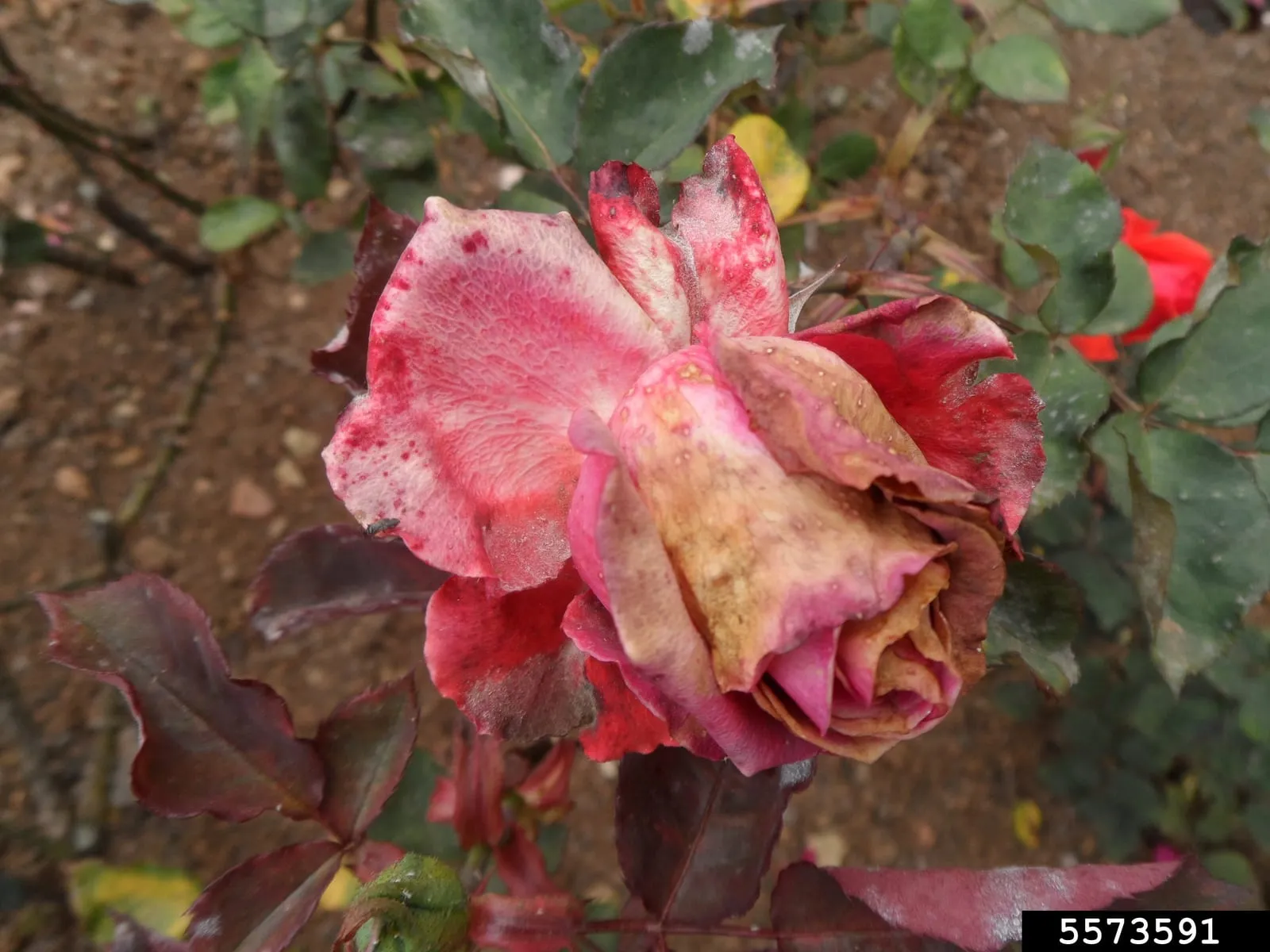
Botrytis cinerea
Ubiquitous fungal disease that causes fruit rot during cool wet weather, often the dominant berry disease in humid regions.
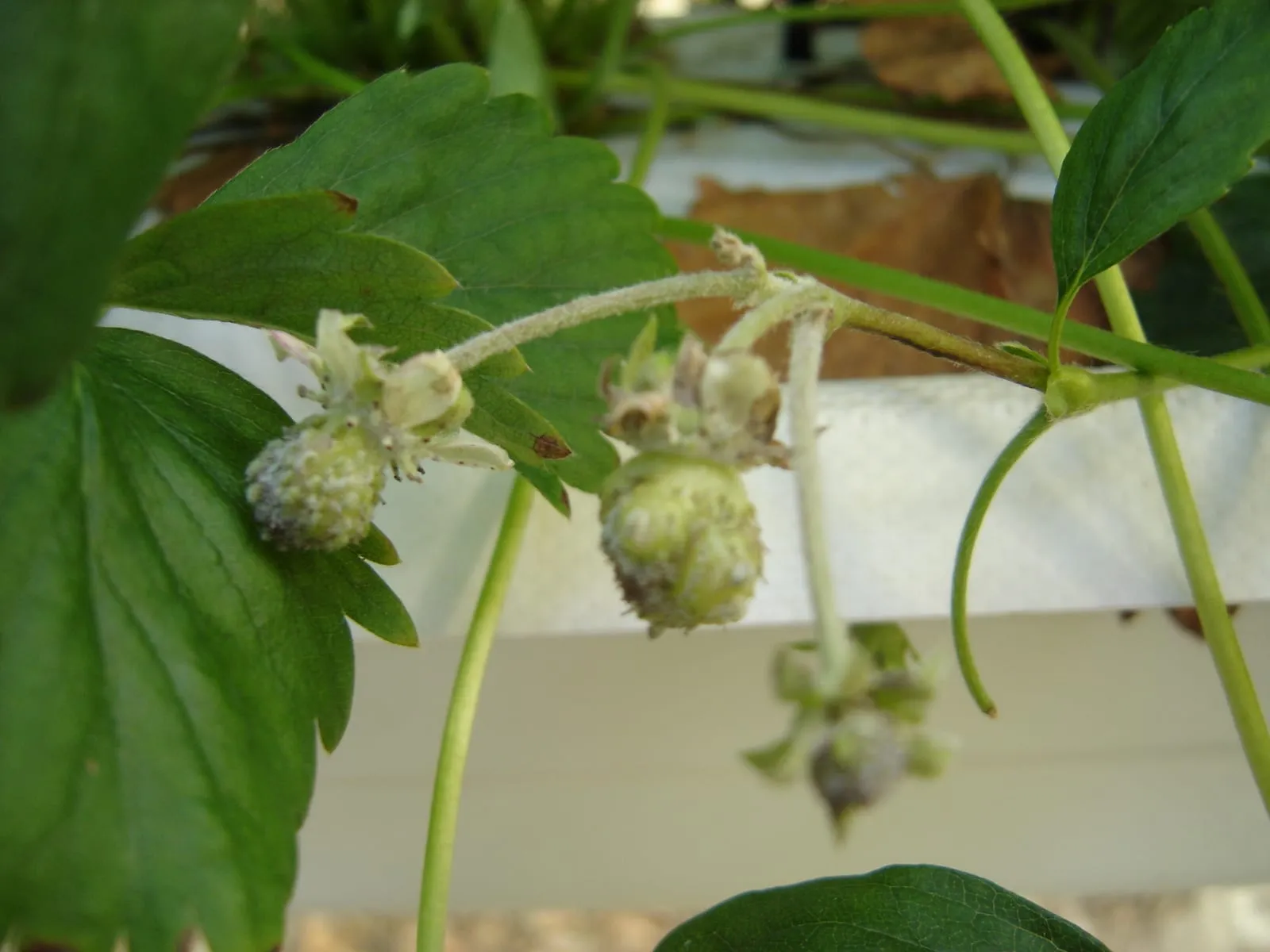
Podosphaera and Sphaerotheca species
Surface-feeding fungal disease producing white powdery growth on leaves and fruit, particularly damaging on gooseberries.
Modified care for zone 7a
The primary adjustment for zone 7a is disease management, not cold protection. Gray mold (Botrytis cinerea) and powdery mildew both thrive in the warm, humid conditions typical of zone 7a summers. Pruning to open the canopy, with particular attention to removing crossing or inward-pointing canes after harvest, improves airflow significantly. Avoid overhead irrigation; drip or ground-level watering keeps foliage dry during the periods when it matters most.
Unlike growers in drier inland climates who may treat goji as nearly maintenance-free, zone 7a plantings benefit from preventive fungicide applications during extended wet periods in spring. Copper-based sprays or OMRI-listed sulfur products applied before temperatures exceed 90°F address both diseases without heavy chemistry. Sulfur above 90°F risks phytotoxicity, so timing applications to cooler morning windows in midsummer matters.
Winter protection is unnecessary for established plants. First-year transplants may benefit from a light mulch layer during their first winter while root systems establish.
Goji Berry in adjacent zones
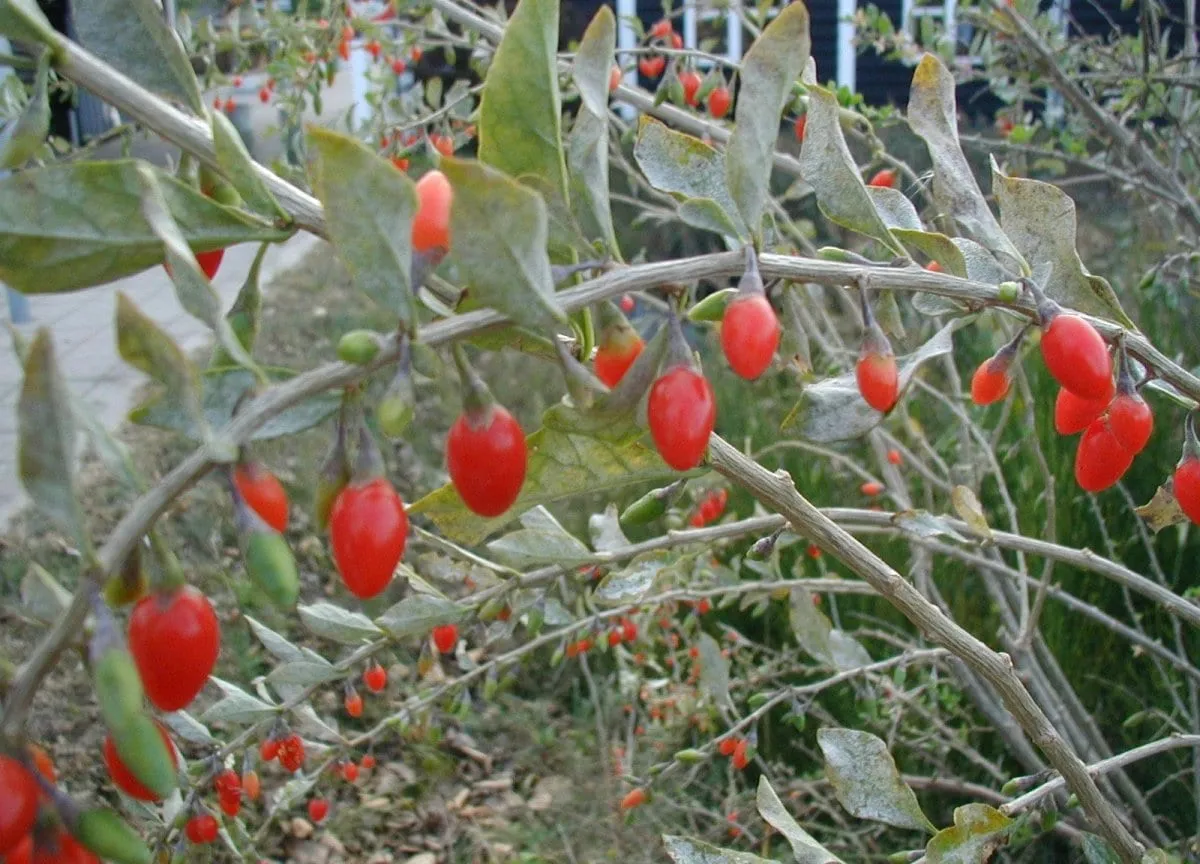
Image: "Lycium-barbarum-fruits", by Sten Porse, via Wikimedia Commons, licensed under CC-BY Source.

Related