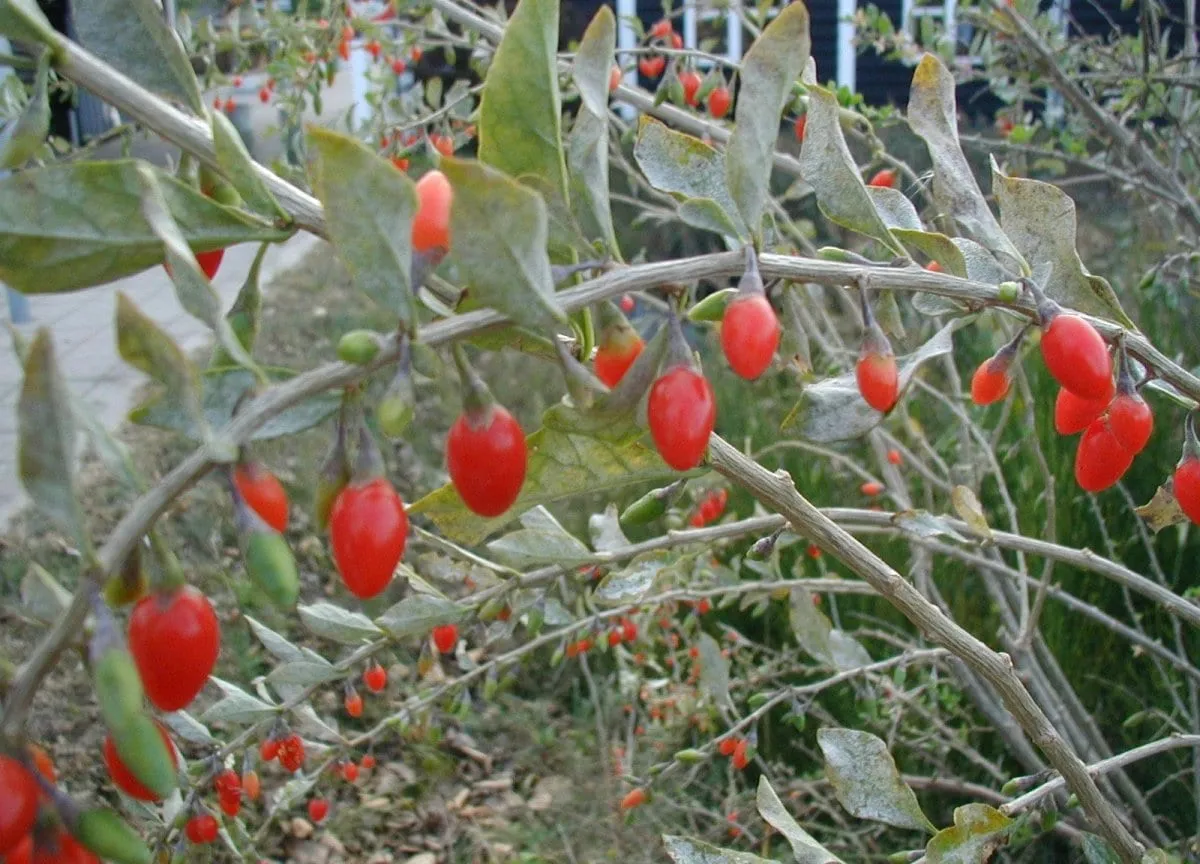
berry in zone 7b
Growing goji berry in zone 7b
Lycium barbarum
- Zone
- 7b 5°F to 10°F
- Growing season
- 220 days
- Suitable varieties
- 3
- Days to harvest
- 60 to 90
The verdict
Zone 7b sits comfortably within goji berry's productive range. Goji (Lycium barbarum) tolerates winter lows into the single digits, so the zone's 5 to 10°F minimum presents no survival challenge to established plants. Chill-hour requirements for goji are comparatively modest, typically 100 to 200 hours below 45°F, a threshold zone 7b clears reliably through January alone. The 220-day growing season is a genuine asset: goji produces over an extended window from midsummer into fall, and the long season allows multiple flushes of fruit before the first frost.
Zone 7b is not a marginal zone for this crop. The greater constraints are late-summer disease pressure from piedmont humidity and insect feeding from Japanese beetles and brown marmorated stink bugs, not cold hardiness or insufficient chilling. Growers selecting among available varieties, Phoenix Tears, Crimson Star, and Sweet Lifeberry have all performed in zone 7 trials, should weight disease resistance and fruit timing over cold tolerance.
Recommended varieties for zone 7b
3 cultivars suited to this zone, with disease-resistance and zone-fit annotations.
| Variety | Notes | Zone fit | Disease resistance |
|---|---|---|---|
| Phoenix Tears fits zone 7b | Sweet, mildly tart, complex herbal-tomato flavor; fresh (small handful), dried, tea, smoothies. Selected for high yields and large bright-red fruit. Productive in second year. | | none noted |
| Crimson Star fits zone 7b | Sweet, slightly herbal, juicy; fresh and dried. Larger fruit than seedling stock, productive selection adapted for North American conditions. | | none noted |
| Sweet Lifeberry fits zone 7b | Mildly sweet, less herbal than wild stock; fresh and dried. Heat- and drought-tolerant, productive cultivar good for southern and western gardens. | | none noted |
Critical timing for zone 7b
Goji berry breaks dormancy and sets flower buds in early spring, with bloom typically opening across April and into May in zone 7b. Last frost timing for piedmont and mountain-valley areas of zone 7b averages between late March and early April, meaning early flowers occasionally take a late-freeze hit. Fortunately, goji blooms sequentially over several weeks, so a single frost event rarely causes total crop loss.
Fruit set follows within six to eight weeks of pollination, with harvest typically running from late June through October. The zone's first fall frost, generally mid to late November, gives ample time for late-season fruit flushes to ripen fully. The extended harvest window is one of the crop's practical advantages in this zone.
Common challenges in zone 7b
- ▸ Cedar-apple rust pressure heavy in piedmont
- ▸ Japanese beetles
- ▸ Brown marmorated stink bug
- ▸ Late summer disease pressure
Disease pressure to watch for
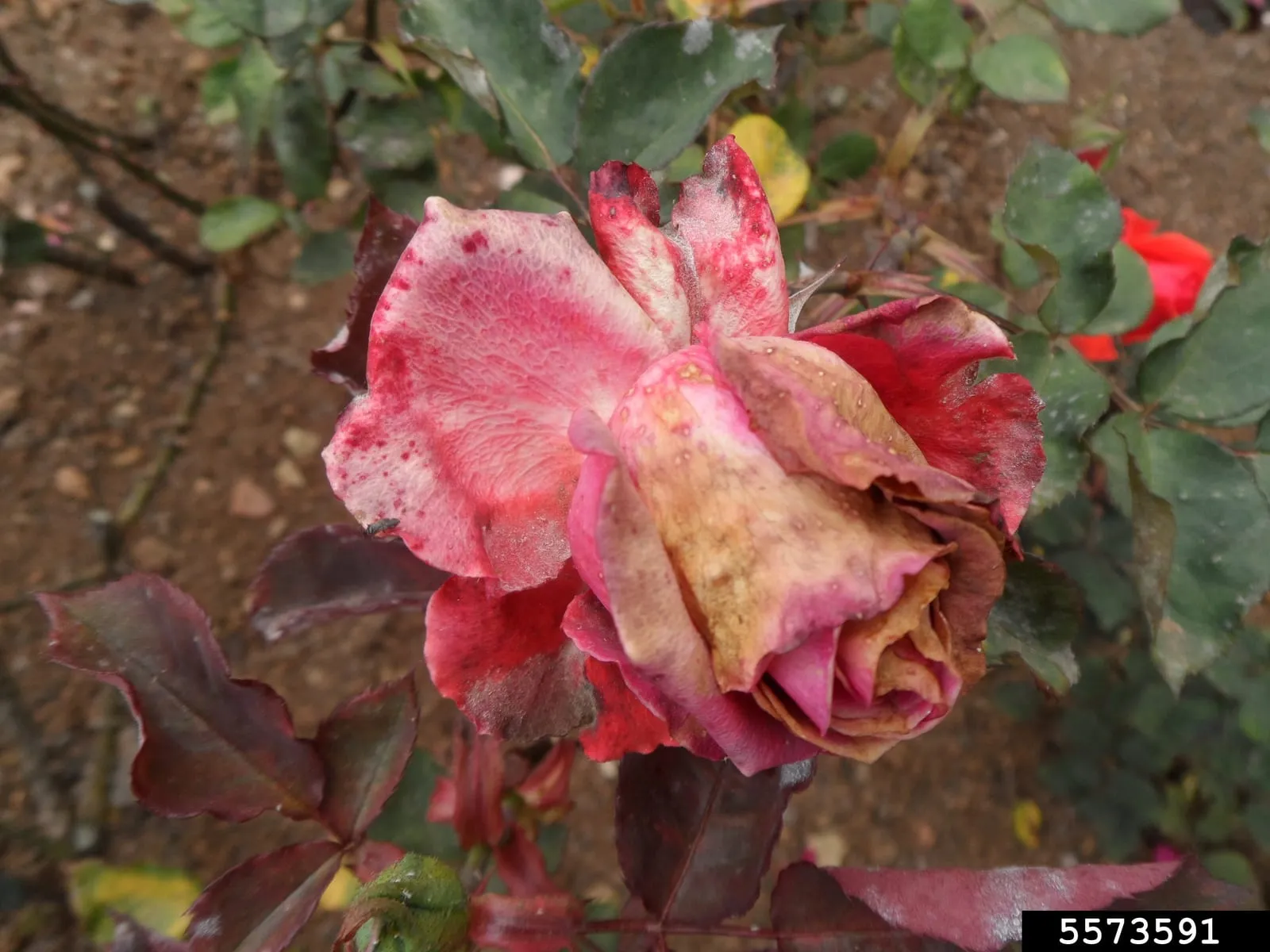
Botrytis cinerea
Ubiquitous fungal disease that causes fruit rot during cool wet weather, often the dominant berry disease in humid regions.
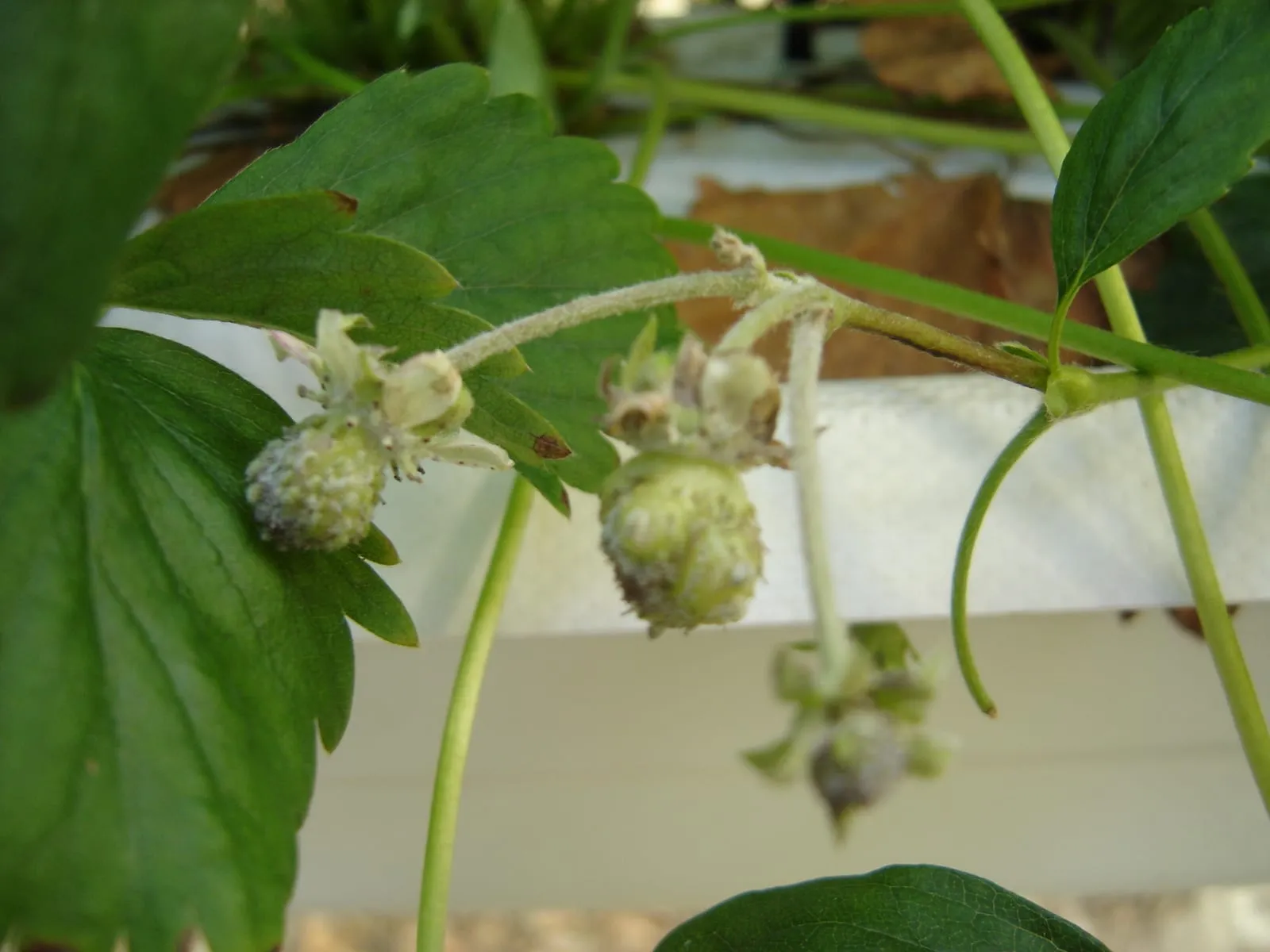
Podosphaera and Sphaerotheca species
Surface-feeding fungal disease producing white powdery growth on leaves and fruit, particularly damaging on gooseberries.
Modified care for zone 7b
Zone 7b's combination of summer heat and humidity creates favorable conditions for gray mold (Botrytis) and powdery mildew, both of which target goji under poor airflow. Pruning for an open, vase-shaped canopy matters more here than in drier climates; dense growth traps moisture and accelerates disease spread. Removing spent berry clusters promptly also reduces Botrytis reservoirs.
Japanese beetle pressure peaks in July and overlaps directly with early harvest, requiring either hand removal or targeted treatment timed to adult emergence. Brown marmorated stink bugs feed on fruit and cause dimpling and off-flavor; exclusion netting is the most reliable control once populations are established, though it is labor-intensive. Unlike growers in zones 5 and 6, zone 7b growers can skip winter mulching on established plants. Cold hardiness is not the limiting factor here.
Goji Berry in adjacent zones
Image: "Lycium-barbarum-fruits", by Sten Porse, via Wikimedia Commons, licensed under CC-BY Source.

Related