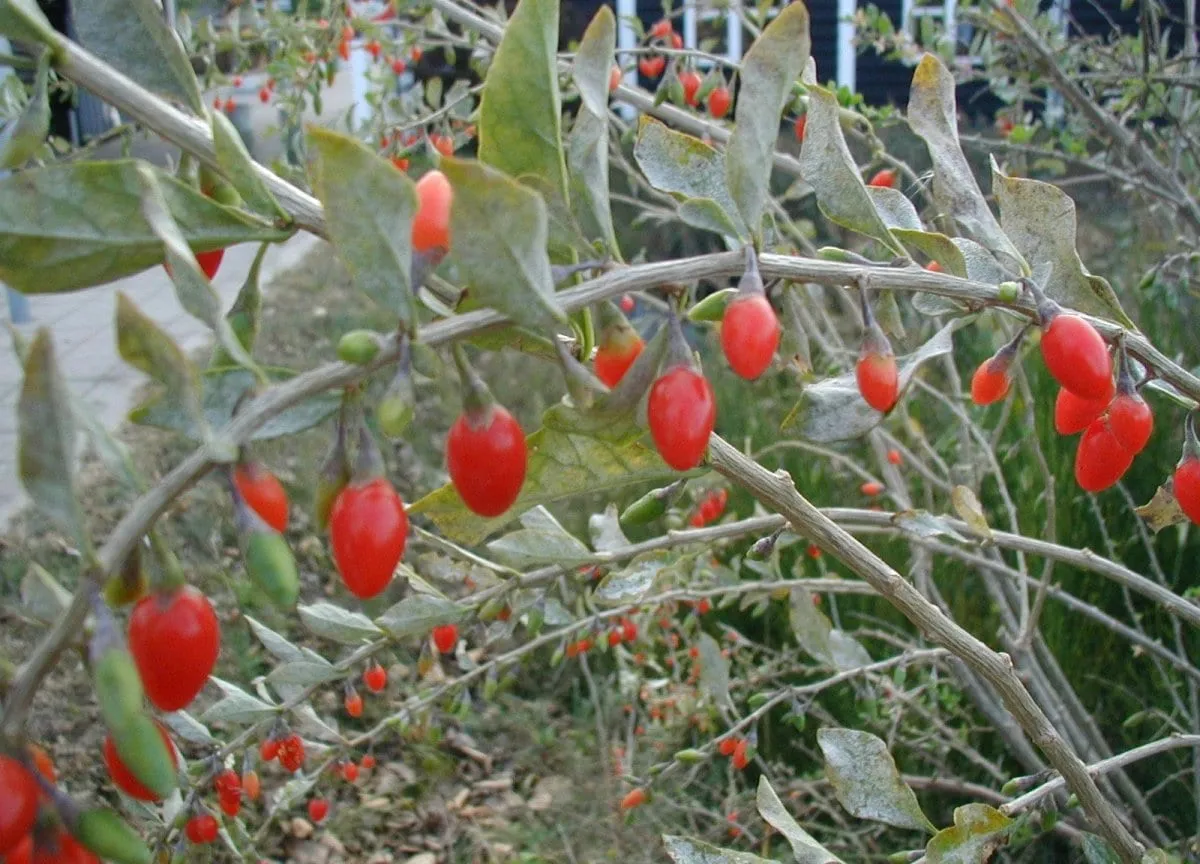
berry in zone 8a
Growing goji berry in zone 8a
Lycium barbarum
- Zone
- 8a 10°F to 15°F
- Growing season
- 240 days
- Suitable varieties
- 3
- Days to harvest
- 60 to 90
The verdict
Zone 8a sits comfortably within the documented range for goji berry (Lycium barbarum), which performs well across zones 5 through 9. The winter minimum of 10 to 15°F is cold enough to satisfy the chill-hour requirement for most commercial varieties without posing a dormancy injury risk. Goji berry typically needs 200 to 400 chilling hours below 45°F, and zone 8a winters reliably deliver that in most years. Unlike some apple varieties that struggle in zone 8a because chill hours fall short, goji is not at the margin here. The 240-day growing season allows fruit to ripen fully on established plants before fall arrives. Phoenix Tears, Crimson Star, and Sweet Lifeberry are all reported to perform well at this heat exposure. Zone 8a is closer to a sweet spot than a compromise for this crop, with the primary management challenge being summer humidity and the fungal diseases it encourages rather than temperature extremes at either end of the season.
Recommended varieties for zone 8a
3 cultivars suited to this zone, with disease-resistance and zone-fit annotations.
| Variety | Notes | Zone fit | Disease resistance |
|---|---|---|---|
| Phoenix Tears fits zone 8a | Sweet, mildly tart, complex herbal-tomato flavor; fresh (small handful), dried, tea, smoothies. Selected for high yields and large bright-red fruit. Productive in second year. | | none noted |
| Crimson Star fits zone 8a | Sweet, slightly herbal, juicy; fresh and dried. Larger fruit than seedling stock, productive selection adapted for North American conditions. | | none noted |
| Sweet Lifeberry fits zone 8a | Mildly sweet, less herbal than wild stock; fresh and dried. Heat- and drought-tolerant, productive cultivar good for southern and western gardens. | | none noted |
Critical timing for zone 8a
Goji berry breaks dormancy early in zone 8a, typically pushing new growth in late February or March. Bloom follows in April through May, after the last frost window for most zone 8a locations (roughly late February to mid-March). This timing generally keeps flowers out of serious frost risk, though an unusually late cold snap in early March can clip the first flush. Primary harvest runs from late June through September on established plants, with the long growing season allowing multiple picking cycles as the crop ripens progressively rather than all at once. First-year plants rarely fruit significantly; second- and third-year plants begin producing the volume that makes the harvest window meaningful. Fall cooling around October signals the end of productive fruit set.
Common challenges in zone 8a
- ▸ Insufficient chill hours for some apple varieties
- ▸ Pierce's disease in grapes
- ▸ Heat stress on cool-season crops
Disease pressure to watch for
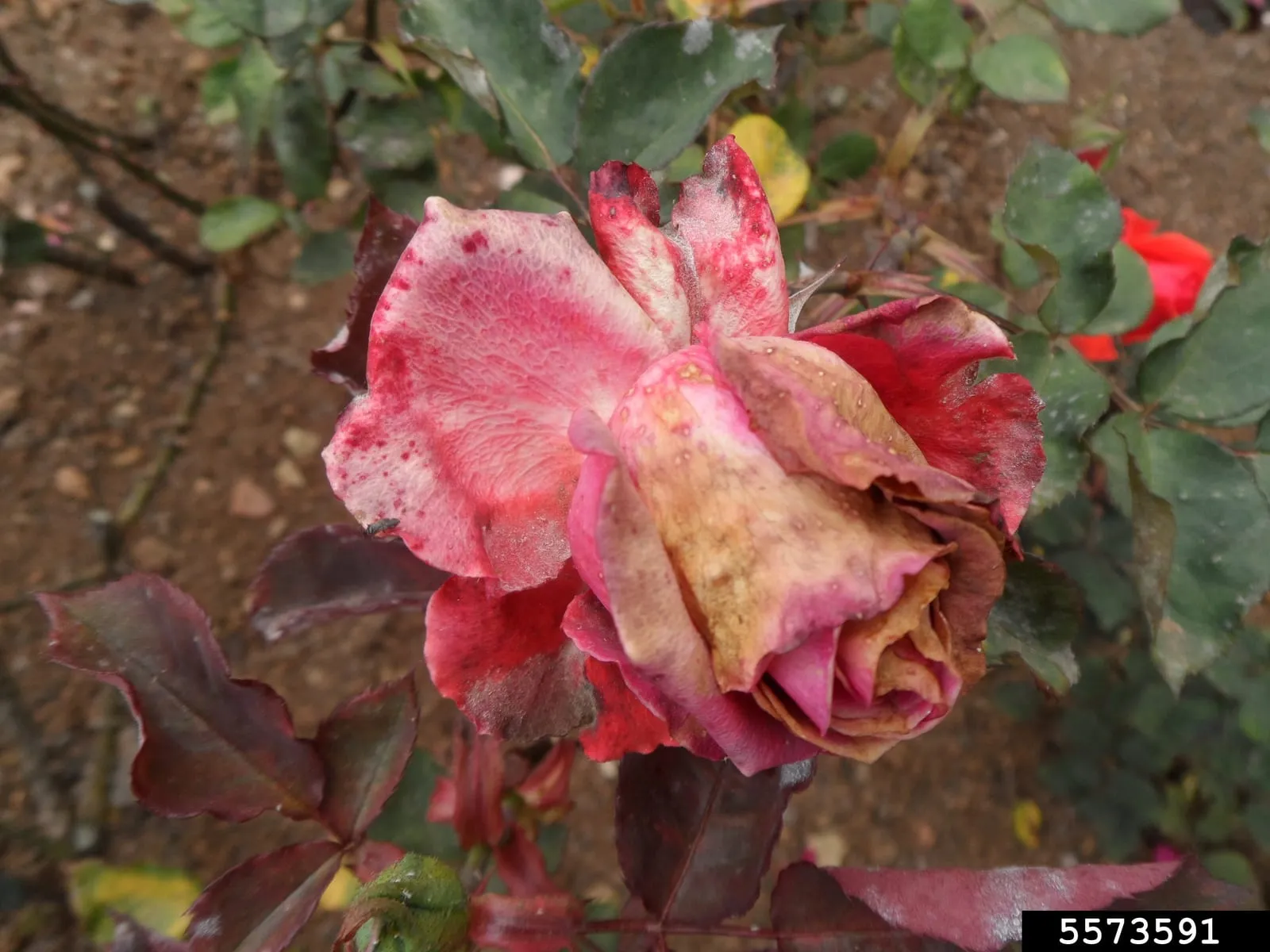
Botrytis cinerea
Ubiquitous fungal disease that causes fruit rot during cool wet weather, often the dominant berry disease in humid regions.
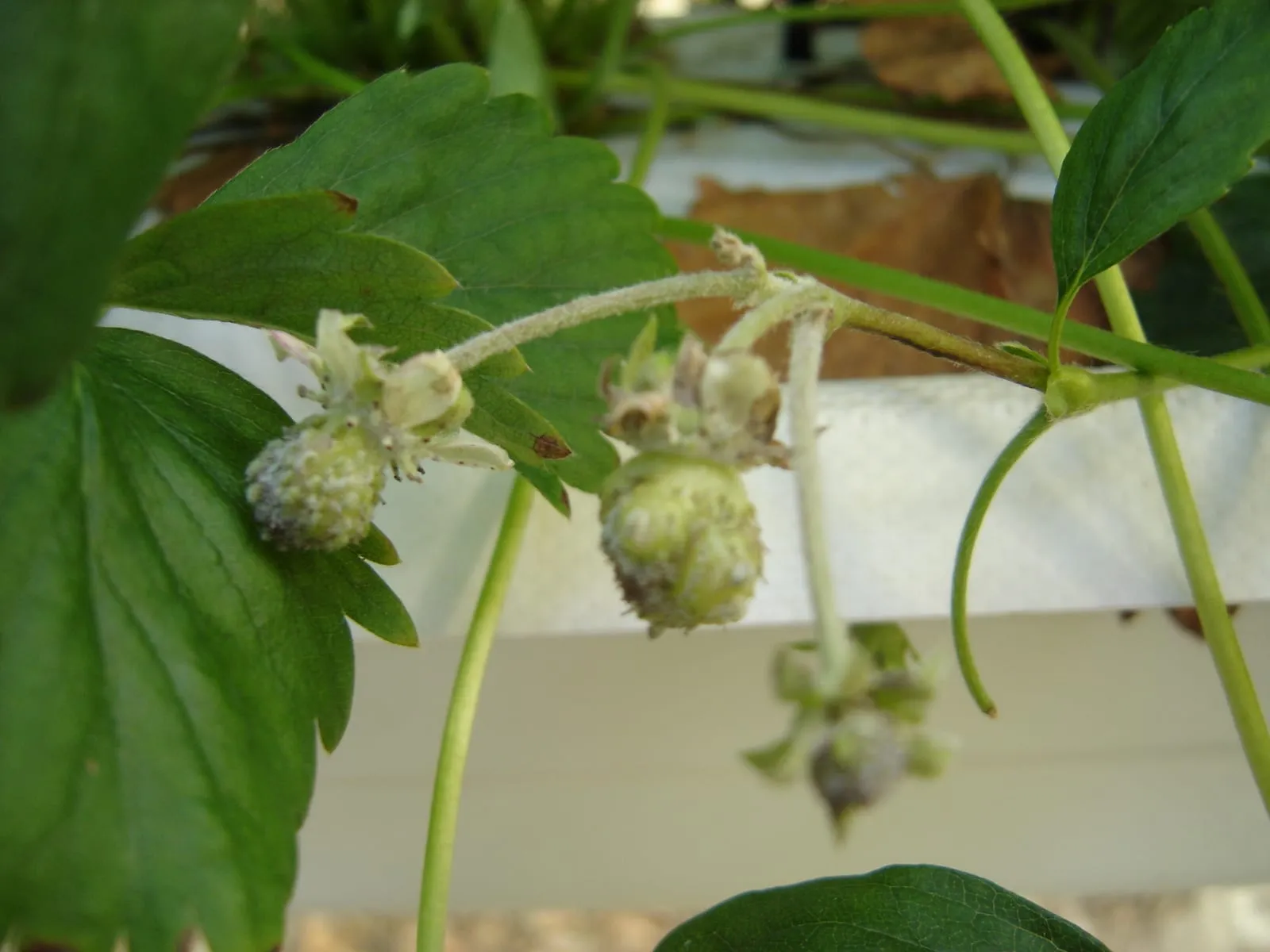
Podosphaera and Sphaerotheca species
Surface-feeding fungal disease producing white powdery growth on leaves and fruit, particularly damaging on gooseberries.
Modified care for zone 8a
The main adjustments in zone 8a center on humidity and heat rather than cold. Gray mold (Botrytis) and berry powdery mildew both intensify during wet, warm periods that are common in the Southeast and Gulf Coast portions of zone 8a. Spacing plants at 5 to 6 feet apart rather than crowding them, and pruning to maintain an open canopy, reduces the still-air pockets where both pathogens establish. Fungicide applications (sulfur-based for powdery mildew, copper or labeled biocontrols for Botrytis) are worth scheduling preventively during humid stretches, not just reactively. In the hottest parts of zone 8a, afternoon shade cloth at 30 to 40 percent during July and August can reduce heat stress on foliage and improve fruit set on the second flush. Irrigation should target the root zone and avoid wetting foliage, which otherwise extends leaf wetness duration and feeds fungal pressure.
Frequently asked questions
- Do goji berries need a pollinator in zone 8a?
Goji berry is self-fertile, so a single plant will produce fruit. Planting two or more varieties together, such as Crimson Star alongside Sweet Lifeberry, tends to improve berry set and yield through cross-pollination, but it is not required.
- How many chill hours does goji berry need, and does zone 8a provide enough?
Most goji varieties require roughly 200 to 400 hours below 45°F. Zone 8a winters typically accumulate 500 to 800 chilling hours depending on location, which is more than sufficient. Chill-hour shortfall is not a concern for this crop at this zone level.
- When should goji berry be planted in zone 8a?
Bare-root plants go in the ground in late winter, February through early March, before new growth begins. Container-grown plants can be planted in early fall as well, giving roots time to establish before summer heat. Avoid planting in midsummer when heat stress is highest.
- Is powdery mildew a serious problem on goji in zone 8a?
Berry powdery mildew is common enough in zone 8a to warrant a management plan rather than a wait-and-see approach. Good air circulation through open pruning, preventive sulfur applications during warm dry spells, and avoiding overhead irrigation together keep pressure manageable on most established plants.
+−
+−
+−
+−
Goji Berry in adjacent zones
Image: "Lycium-barbarum-fruits", by Sten Porse, via Wikimedia Commons, licensed under CC-BY Source.

Related