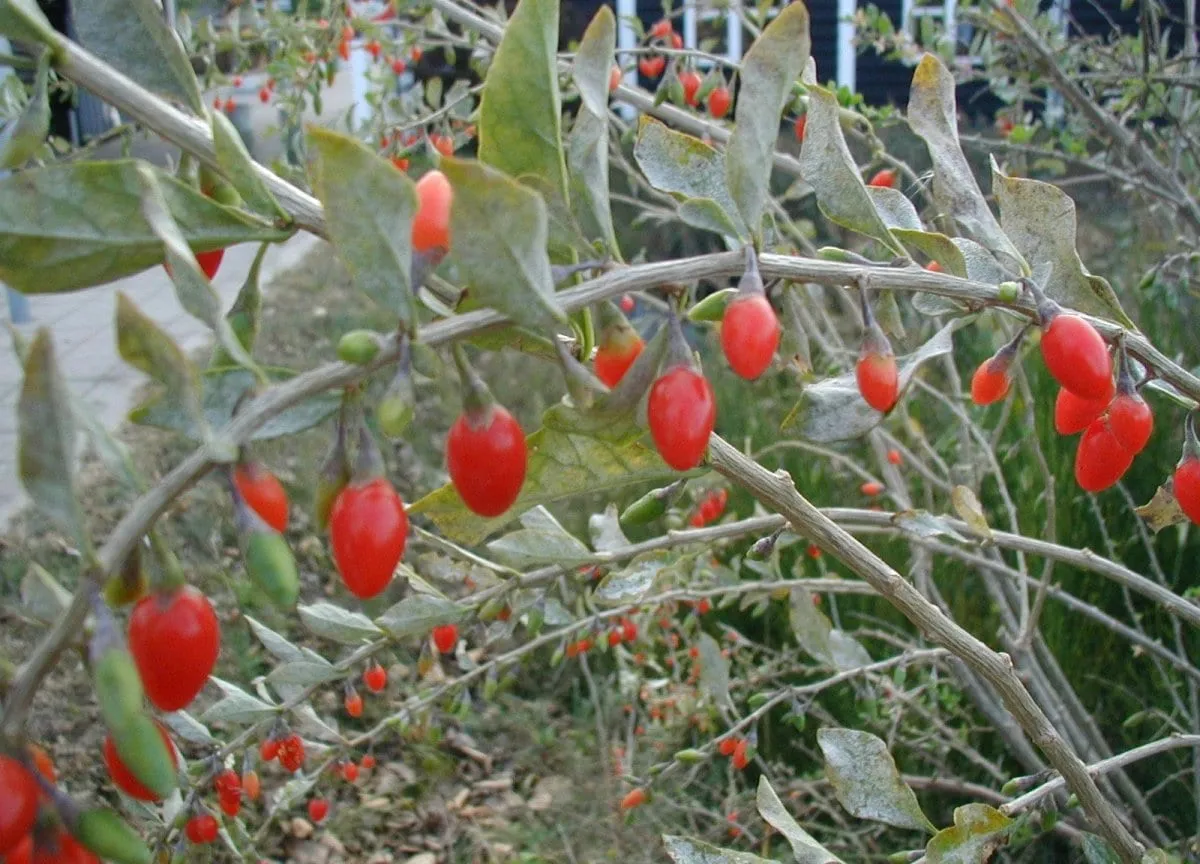
berry in zone 10a
Growing goji berry in zone 10a
Lycium barbarum
- Zone
- 10a 30°F to 35°F
- Growing season
- 340 days
- Suitable varieties
- 0
- Days to harvest
- 60 to 90
The verdict
Goji berry sits at the warm edge of its viable range in zone 10a. The plant tolerates heat well (it originates from arid and semi-arid regions of China), but reliable fruiting depends on winter dormancy triggered by cold accumulation. Most goji selections require somewhere between 100 and 600 chill hours below 45°F, and zone 10a winters, with minimum temperatures in the 30 to 35°F range, do not reliably deliver even the lower end of that range. Years with a colder-than-average winter may produce a reasonable crop; warmer winters tend to result in poor fruit set or erratic, staggered bloom.
This is a marginal zone for goji berry. Growers willing to experiment with the warmest-adapted low-chill selections may see harvests in favorable years, but consistent production is unlikely without cultivar-specific performance data confirmed for zone 10a conditions. No compatible varieties are currently documented in this zone's dataset, which itself signals the lack of established guidance for this combination.
Critical timing for zone 10a
With a 340-day growing season and frost events that are rare and mild, zone 10a imposes almost no frost-related constraints on goji berry bloom. The limiting factor runs in the opposite direction: inadequate cold accumulation rather than damaging cold.
When winter chilling is sufficient, goji berry typically flowers in mid to late spring and begins bearing in early to midsummer, with the potential for a second flush extending into fall. In zone 10a, insufficient dormancy may delay or stagger bloom unpredictably, making the timing window harder to anticipate from year to year. Any fruit that does set benefits from the zone's extended warm season, which provides ample time for full ripening before temperatures drop. Growers should plan for meaningful harvest variability across seasons rather than a predictable annual window.
Common challenges in zone 10a
- ▸ No chilling for traditional temperate fruit
- ▸ Hurricane exposure
- ▸ Heat-tolerant cultivars only
Disease pressure to watch for
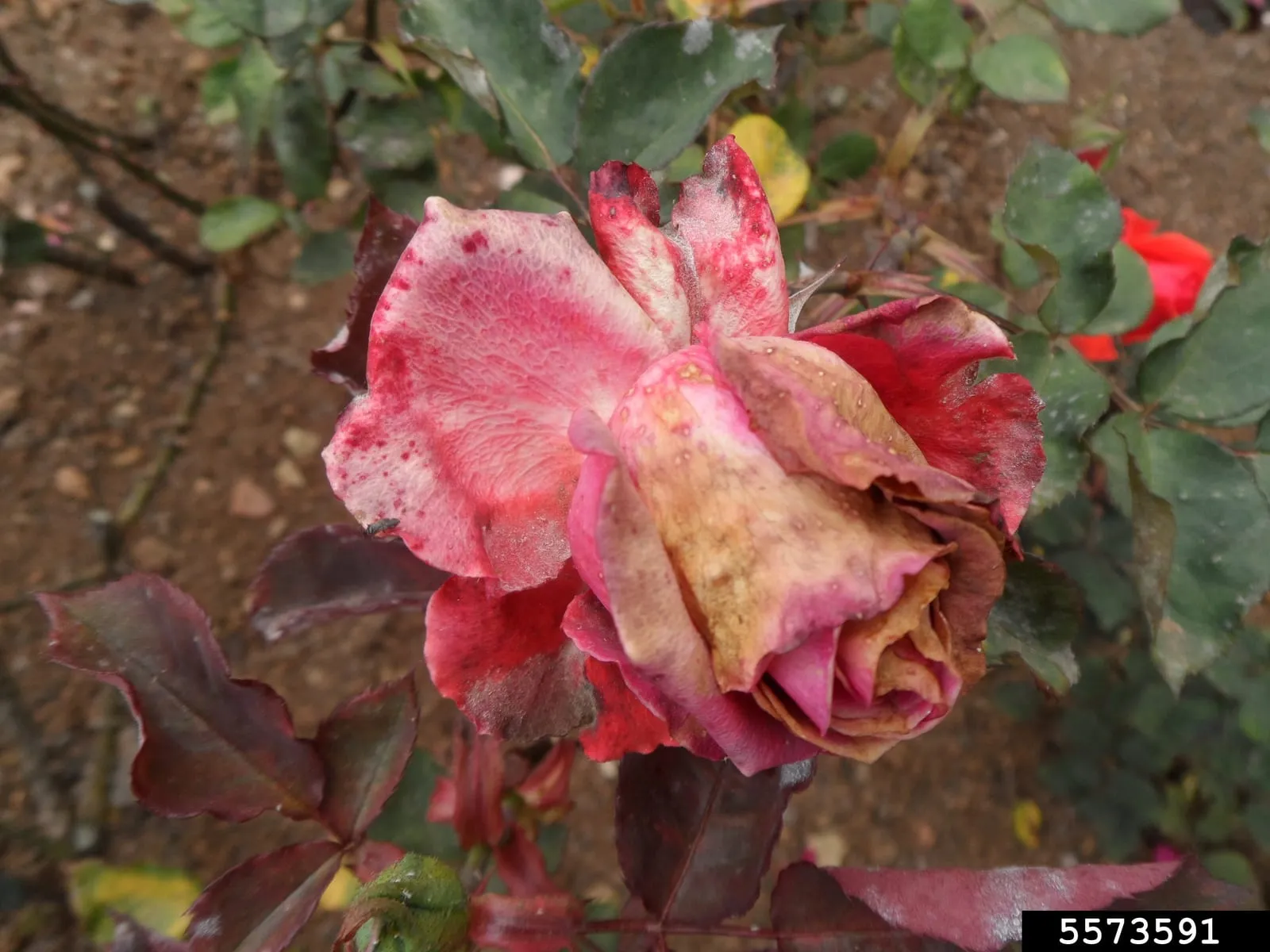
Botrytis cinerea
Ubiquitous fungal disease that causes fruit rot during cool wet weather, often the dominant berry disease in humid regions.
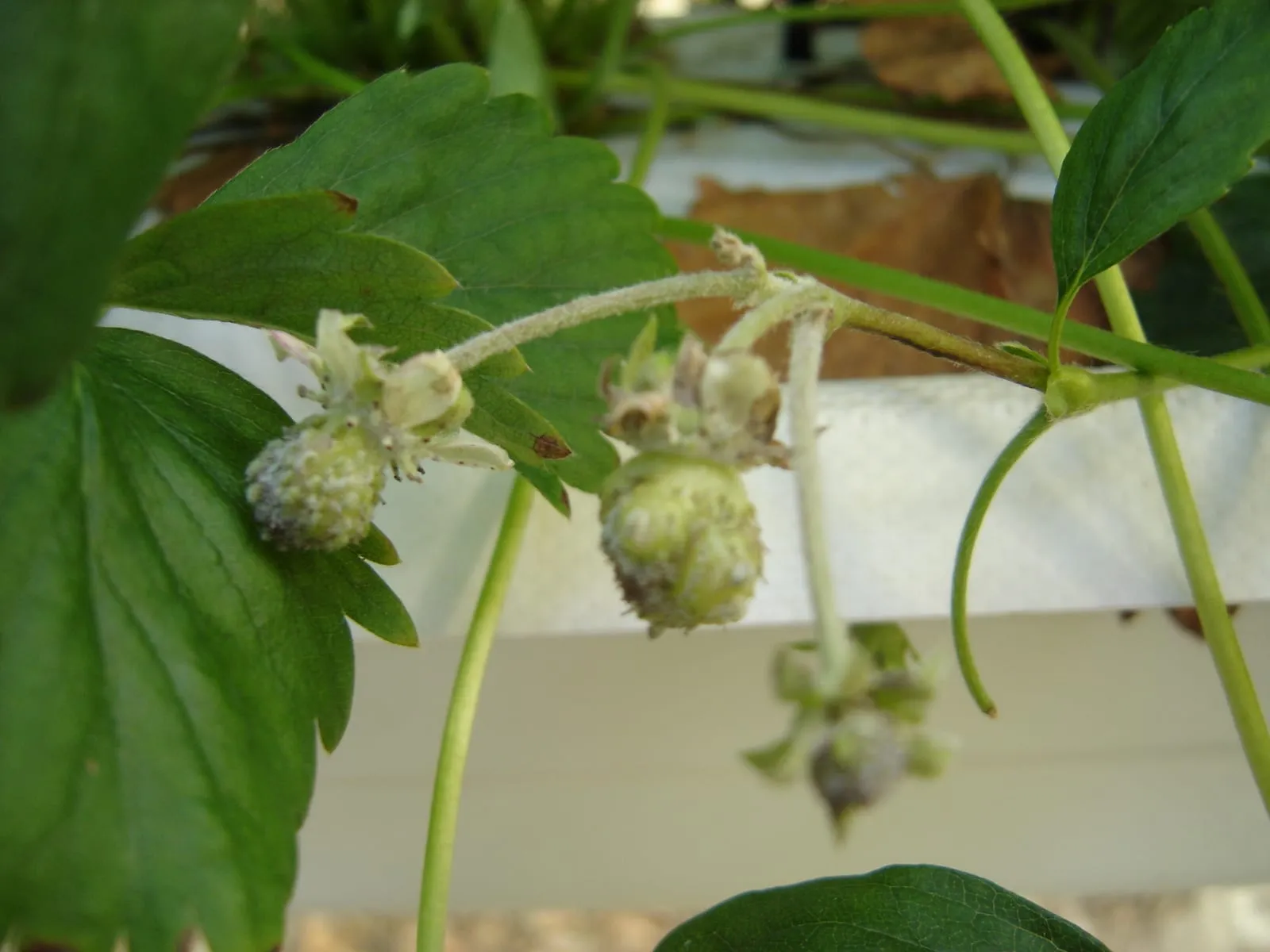
Podosphaera and Sphaerotheca species
Surface-feeding fungal disease producing white powdery growth on leaves and fruit, particularly damaging on gooseberries.
Modified care for zone 10a
The primary adjustment in zone 10a is managing expectations around dormancy rather than overhauling cultural practices. Irrigation matters throughout the long growing season; goji is drought-tolerant once established but produces better fruit with consistent moisture during flowering and fruit development. Hurricane exposure warrants sturdy staking and structural pruning to reduce wind load on canes.
Disease pressure from gray mold (Botrytis) is highest during humid periods with poor air circulation; open-center training that maximizes airflow helps reduce incidence. Powdery mildew tends to increase during warm, dry stretches and responds to sulfur-based preventive applications timed before symptoms appear.
Unlike many temperate fruits grown at zone 10a margins, goji berry does not benefit from supplemental chilling strategies. The limiting factor is the reliability of natural cold accumulation, not a deficit that overhead misting or evaporative cooling can correct.
Goji Berry in adjacent zones
Image: "Lycium-barbarum-fruits", by Sten Porse, via Wikimedia Commons, licensed under CC-BY Source.

Related