berry in zone 9b
Growing goji berry in zone 9b
Lycium barbarum
- Zone
- 9b 25°F to 30°F
- Growing season
- 310 days
- Suitable varieties
- 0
- Days to harvest
- 60 to 90
The verdict
Zone 9b sits near the warm edge of goji berry's comfortable range, but it generally performs well here. Goji (Lycium barbarum) is one of the few fruiting shrubs with genuinely low chill-hour requirements, typically 100 hours or fewer, which the 25-30°F winter minimum in zone 9b delivers reliably even in mild years. The 310-day growing season is an asset: established plants have ample time to complete bloom, fruit set, and two or even three successive harvests before days shorten and growth slows.
The main limitation is summer heat rather than winter cold. Extended periods above 100°F can reduce fruit set and accelerate berry softening. Coastal sites face the additional variable of salt spray, which stresses foliage and may shorten plant longevity without adequate buffering. Inland sites with afternoon shade or consistent irrigation tend to produce more reliably through midsummer heat events. On balance, zone 9b is not a marginal zone for goji, but it rewards growers who manage summer conditions actively.
Critical timing for zone 9b
In zone 9b, goji berry typically breaks dormancy and begins flowering in late February or March, sometimes earlier following a mild winter. The bloom period extends over several weeks, which spreads the risk from any brief cold snap. Given the long frost-free window, the last meaningful frost usually occurs by late January, well before bloom, so frost protection at flowering is rarely necessary.
First harvest often begins in June or July for early-ripening clusters, with peak production running through August and September. The 310-day growing season can support a secondary flush of berries in fall if plants are pruned lightly after the main harvest and given supplemental water. Berries on the same plant at different stages of ripeness is normal; daily or every-other-day picking during peak season prevents overripe fruit from dropping and reducing overall yield.
Common challenges in zone 9b
- ▸ Heat stress in summer
- ▸ Insufficient chill for most apples
- ▸ Salt spray near coasts
Disease pressure to watch for
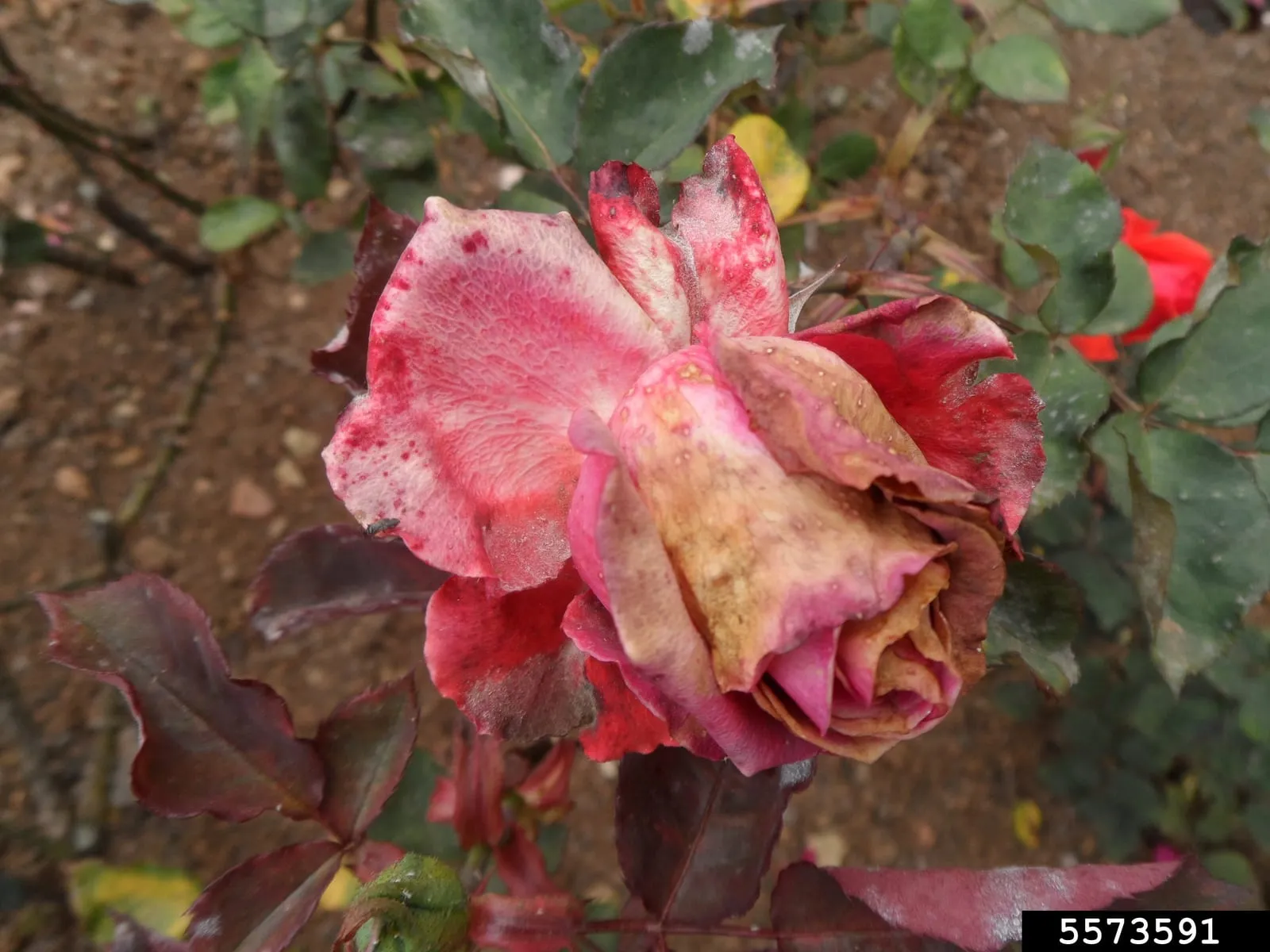
Botrytis cinerea
Ubiquitous fungal disease that causes fruit rot during cool wet weather, often the dominant berry disease in humid regions.
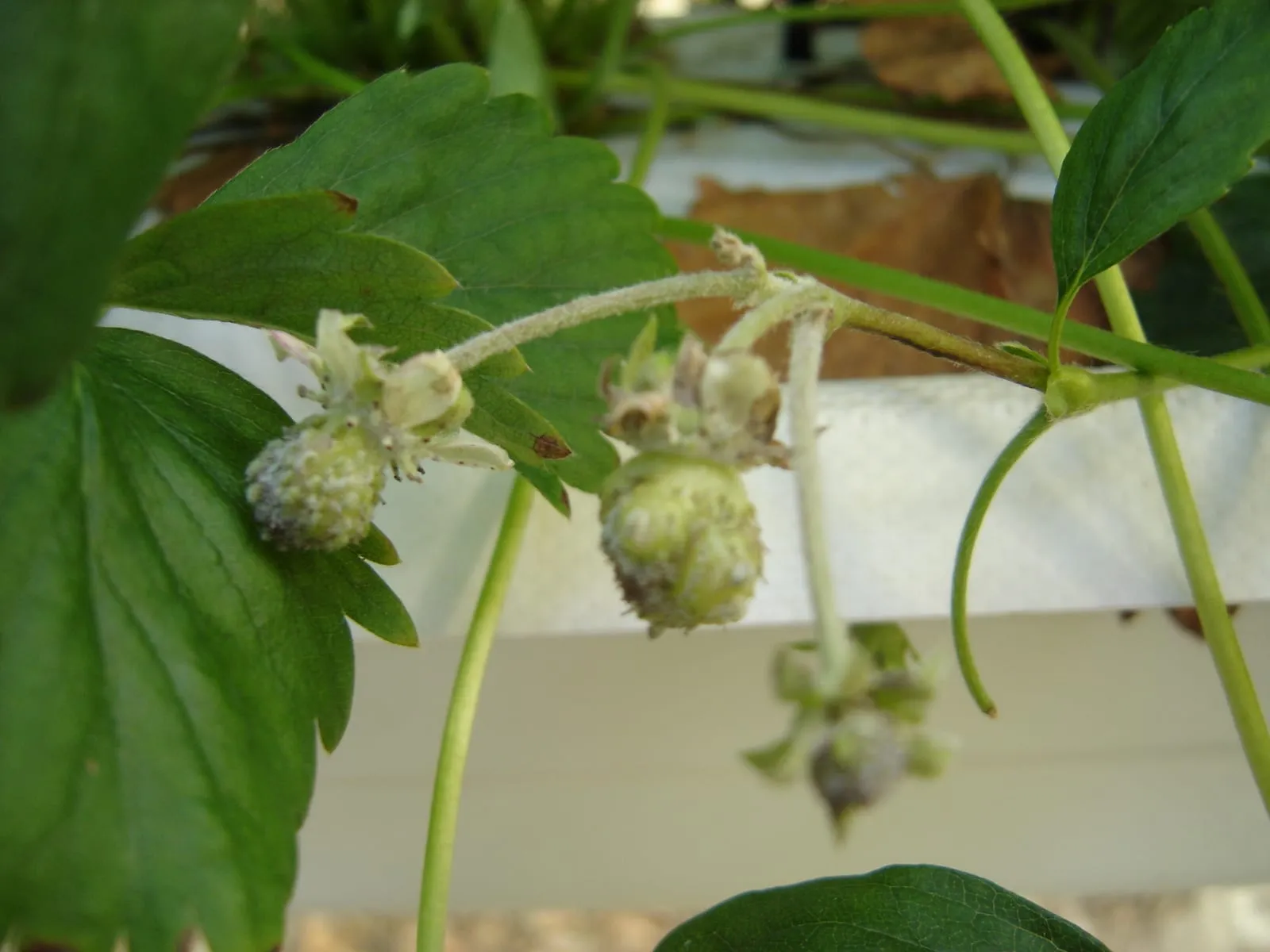
Podosphaera and Sphaerotheca species
Surface-feeding fungal disease producing white powdery growth on leaves and fruit, particularly damaging on gooseberries.
Modified care for zone 9b
Summer heat management is the primary adjustment in zone 9b. Mulching heavily around the root zone reduces soil temperature and conserves moisture through the hottest months. Drip irrigation on a consistent schedule, rather than intermittent deep watering, helps plants maintain steady growth rather than the stress-and-flush cycle that invites disease.
Gray mold (Botrytis) and berry powdery mildew are the two diseases most likely to cause problems, particularly on coastal sites where humidity stays elevated. Improving air circulation through selective thinning of older canes, and avoiding overhead irrigation, reduces the conditions both pathogens favor. Near the coast, regular rinse-off after salt spray events limits foliar damage that can become entry points for disease.
Winter protection is not needed in zone 9b. Plants are cold-hardy well below the zone's minimum temperatures and lose leaves naturally before any hard frost arrives.
Frequently asked questions
- Does goji berry need a pollinator in zone 9b?
Goji berry is self-fertile and does not require a second plant for fruit set. Planting two or more individuals can marginally increase yields through cross-pollination, but a single well-established shrub will produce a full crop on its own.
- How do you prevent powdery mildew on goji in a warm climate?
Thin interior canes to keep air moving through the canopy, avoid wetting foliage with overhead irrigation, and remove affected growth promptly. In zone 9b's warm nights, mildew pressure tends to peak in late spring and early fall when humidity is highest relative to temperature.
- Can goji berry handle the heat stress common in zone 9b summers?
Yes, with support. Goji tolerates high heat better than many fruiting shrubs, but sustained temperatures above 100°F during fruit development can soften berries prematurely. Consistent soil moisture and afternoon shade on the hottest inland sites keep plants productive through midsummer.
+−
+−
+−
Goji Berry in adjacent zones
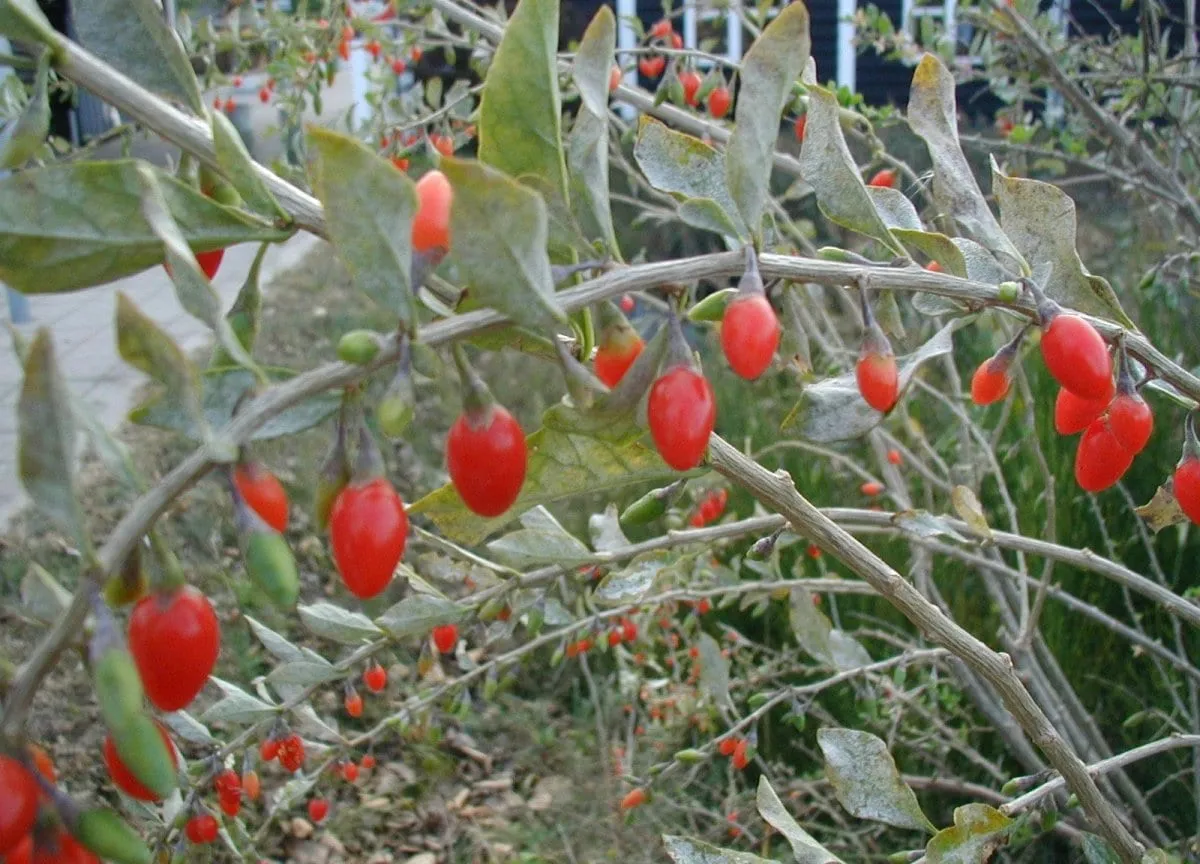
Image: "Lycium-barbarum-fruits", by Sten Porse, via Wikimedia Commons, licensed under CC-BY Source.

Related